Chinese Coordinates
—
Western / Mediterranean Coordinates
Classical Greco-Roman terra-cotta olive oil lamps (lucerna) burning through city nights — Medieval European tallow dips alongside monastic beeswax monopolies — Dim workshops just prior to the late eighteenth-century invention of the Argand lamp.
TL;DR · Core Takeaways
- Candles were rare before mineral paraffin: Collecting wild honey wax or insect wax took hard manual work. In Song and Ming times, a white candle cost over fifty coins. That equaled days of wages for ordinary workers.
- Cooling water shaped the Song oil-saving lamp: City dwellers burned plant oil. High heat turned oil to gas before it burned at the wick. Potters added a water chamber below the dish. This cut fuel waste by half.
- Night lights depended on trade profits: Villages went dark at dusk. Busy night markets in the Eastern Capital of Kaifeng or Lin'an made enough money to pay fuel bills. Regular families went to sleep early to save fuel and food.
> Spatiotemporal Coordinates
> - Chinese Historical Anchors: 202 BCE (Western Han founding; animal tallow and bronze smoke-ducting lamps prevail) — 1180 CE (Southern Song Chunxi era; Lu You documents double-chambered oil-saving ceramic lamps in Qiongzhou, Sichuan) — 1637 CE (Late Ming; Song Yingxing publishes The Exploitation of the Works of Nature, detailing tallow tree oils and scale-insect wax harvesting).
On a cold winter dusk in 1080 CE, during the Yuanfeng reign in the Eastern Capital of Kaifeng, shadows lengthened quickly. Along main roads, shops lit large lanterns. A snack vendor wiped his counter. He poured a little rapeseed oil into a celadon dish and lit a rush wick. Farther away in Xiangfu County, villages went dark and quiet. A farmer drank warm broth, scrubbed his bowl by hearth light, and went right to bed.
Folk tales speak of poor students reading late into the night. Yet real artificial light was never cheap in ancient times. Every flame burned up grain, food oil, or silver.
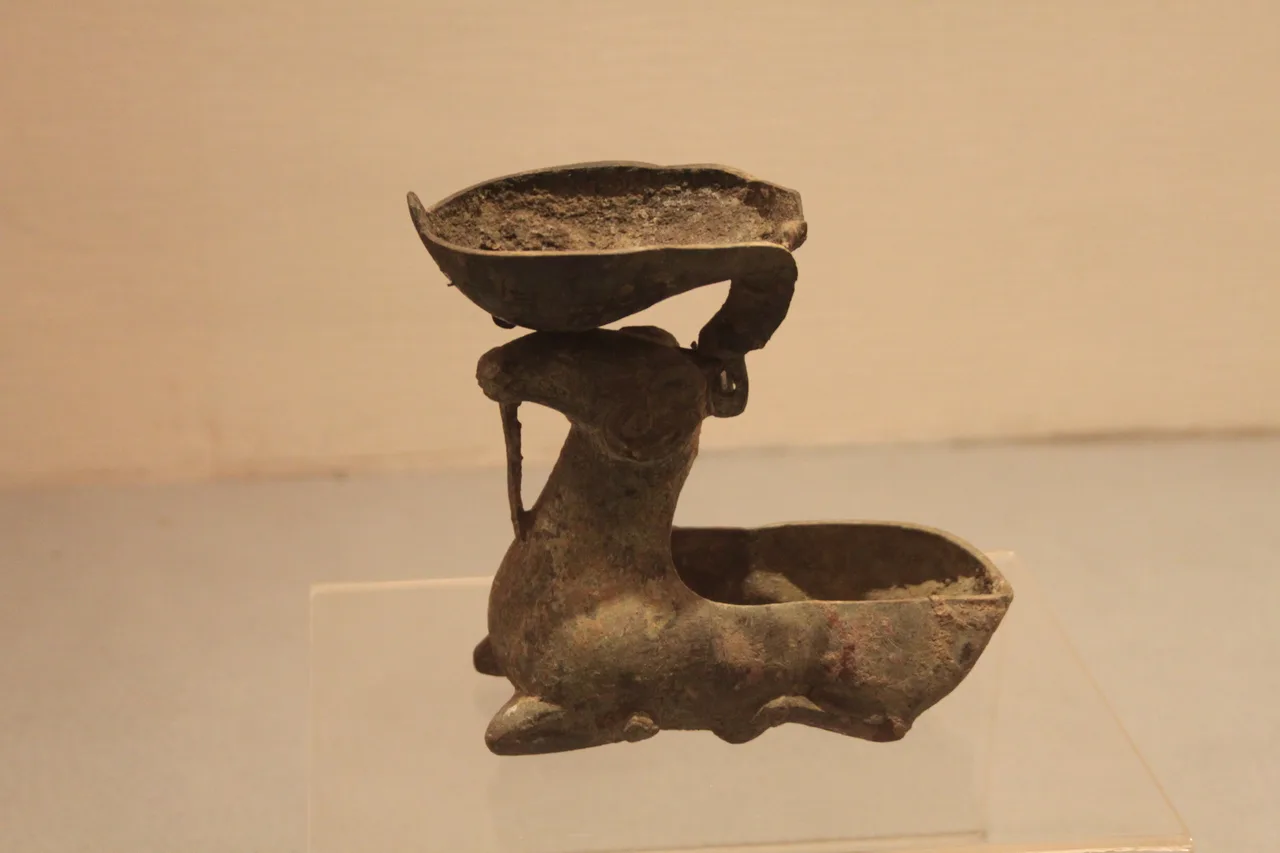
01. The Candle Ledger: The Steep Price of Beeswax and Insect Wax
Before chemists drew paraffin from crude oil in the nineteenth century, wax came only from animals and plants.
Noble families in early dynasties used beeswax taken from wild or farm hives. Boiling honeycombs gave yellow beeswax. But taking an entire hive for one pound of wax made it very costly. These candles went mainly to temples and palace rites. By the Song, Ming, and Qing eras, farmers harvested white insect wax from scale insects on tree limbs. Still, collecting this wax was slow and heavy work. Records in the History of Ming confirm the heavy tribute burdens tied to regional wax production.
Common folk and soldiers burned animal fat instead. This suet melted quickly in summer heat. It burned unevenly and gave off harsh, black smoke. When poets praised bright tapers, they meant costly insect wax or sweet beeswax. Official posts under the imperial appointment system rarely gave junior officers enough stipend to burn wax every night. Even a Grand Master, a Chancellor of State, or a provincial Military Adjutant watched household oil bills with care.
| Dynasty & Era | Lighting Gear & Fuel Combination | Unit Cost (Standard Contemporary Currency) | Daily Base Wage / Grain Benchmark | Lighting Cost as Share of Daily Earnings |
|---|---|---|---|---|
| Mid-to-Late Western Han<br>(ca. 1st century BCE) | Cast bronze lamp + sheep fat tallow (approx. 3–4 oz per night) | Animal fat: 15–20 coins per catty | Hired farmhand daily wage: 15–20 coins; unhusked rice: 60–100 coins per bushel | Equals a full day's wage; commoners almost never burned fuel overnight |
| High Tang (Emperor Xuanzong of Tang)<br>(ca. mid-8th century CE) | Earthenware dish + crude hemp or perilla oil (3 hours; approx. 1 oz) | Refined plant oil: 10–12 coins per liter | Day laborer wage: 30–40 coins; rice: 10–15 coins per peck | Consumes 15%–20% of net daily cash earnings; unsustainable as a daily habit |
| Northern Song (Emperor Shenzong to Emperor Zhezong)<br>(ca. 1080–1095 CE) | One premium white insect-wax candle (burn time: approx. 4 hours) | Fine white candle: 50–80 bronze coins each | Provincial army daily stipend: 80–120 coins; polished rice: 60–70 coins per peck | One single candle burns through half a day to a full day of manual labor wages |
| Southern Song (Emperor Gaozong of Song to Emperor Xiaozong)<br>(ca. 1160–1180 CE) | Qiong kiln oil-saving lamp + rapeseed oil (full night: 0.5–0.7 oz) | Rapeseed oil: 35–45 coins per catty | Lin'an street vendor net daily profit: 100–150 coins; rice: 100 coins per peck | Water-cooling cuts fuel cost to 1.5–2 coins per night, matching urban budgets |
| Mid-to-Late Ming (Wanli era)<br>(ca. late 16th to early 17th century) | Tallow-tree seed wax candle (half-night burn) | Tallow candle: 0.03–0.04 taels of silver per catty | Hired hand daily wage: 0.04–0.05 taels; milled white rice: 0.8–1.0 tael per picul | Burning two candles wipes out an entire day of hard-earned silver scrap |
Under these economics, Tang dynasty poet Bai Juyi wrote about late night costs. He noted that sitting by bright candles until morning cost far too much cash. Only wealthy homes or high elders like a Wugeng could pay such fees without worry. Even imperial family members like Zhenjin enjoyed wax tapers, but ordinary students could not.
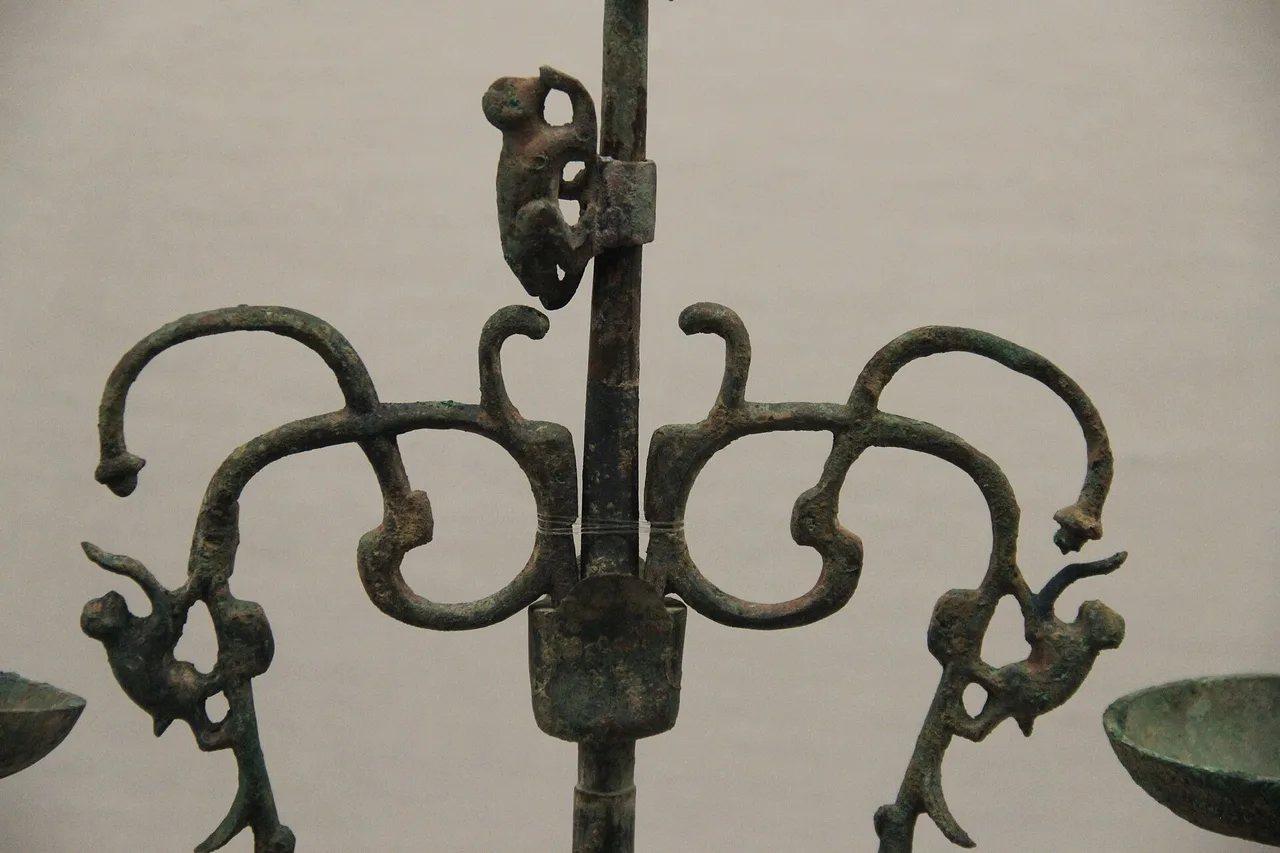
02. From Kitchen Staples to the "Oil-Saving Lamp": The Scholar's Struggle
Scholars who could not buy white wax turned to liquid vegetable oils.
The Zero-Sum Rivalry Between Food and Fuel
Before oil presses spread, commoners lit homes with pine splints or suet scraps. Animal fats were hard to find. Farm families needed fat to keep warm during cold winters. In the Tang and Song dynasties, wedge presses produced more sesame, rapeseed, and bean oil across agricultural centers from Hanzhong to the southern river valleys.
Even so, plant oil was food first. Every field of oilseeds took land away from millet, rice, or wheat. A bowl of clean seed oil gave needed calories to plowmen. Pouring edible oil into an earthen dish to burn it meant burning daily meals.
Inedible tree oils or fish oils cost less. But they gave off thick soot and bitter smoke. A student reading by such a flame got sore eyes and a cough in minutes.
[Nightly 4-Hour Study Ledger for a Northern Song Scholar]
(Model: Middle-tier rental household in Bianjing, Yuanyou era, ca. 1085 CE)

┌──────────────────────────────────────┬──────────────────────┬─────────────────────────┐
│ Expense Item                         │ Physical Quantity    │ Cost in Bronze Cash     │
├──────────────────────────────────────┼──────────────────────┼─────────────────────────┤
│ 1. Lamp fuel (pressed rapeseed oil)  │ 1.2 oz               │ 3.2 coins               │
│ 2. Wicks (dried rush stems)          │ 2 stalks             │ 0.1 coins               │
│ 3. Coarse tea leaves                 │ 0.05 oz              │ 0.6 coins               │
│ 4. Charcoal for brazier              │ 2 lbs                │ 4.0 coins               │
│ 5. Midnight snack (1 steamed bun)    │ 2 oz wheat flour     │ 2.0 coins               │
├──────────────────────────────────────┴──────────────────────┼─────────────────────────┤
│ Nightly reading surcharge                                   │ 9.9 coins               │
│ Monthly total (30 study nights)                             │ 297 coins (~0.3 string) │
│ Benchmark: Imperial University monthly board subsidy        │ ~1,000 coins            │
│ Budget share: Consumes roughly 30% of a scholar's food allowance                      │
└─────────────────────────────────────────────────────────────┴─────────────────────────┘
Thermal Engineering at the Kiln: The Water-Cooled Lamp
To stop oil waste, potters in Sichuan made a double-layer lamp. In Miscellanies of the Old Scholar's Studio, poet Lu You wrote about this clever lamp. Scholar Sima Guang shared one with his peer Yuzhi, who tested its cold-water base.
Old celadon lamps found near Chengdu show two parts. The top dish holds oil and wick. The bottom chamber holds cold water. A small side pipe lets users pour water in.
The science is simple. In an open flat dish, flame heat quickly warms the oil. Much of the oil floats away as smoke before the wick can burn it. Adding cold water keeps the oil cool. It stops this heat waste and lets the wick draw fuel steadily.
03. The Market Exception and the Truth of Sundown Sleep
If lighting cost so much, why did city records describe bright night markets?
The answer comes down to sales profits.
In busy areas of Bianjing, near the Xiangguo Monastery and Zhou Bridge, or in Lin'an, stores kept silk lamps burning late. These lights brought in customers. A cook selling hot stew might burn thirty bronze coins of oil. But sales brought in hundreds of coins. The fuel cost was only a small cut of nightly profits.
Out in the countryside, farm life was very different.
To a tenant farmer, staying awake brought no income. Sitting awake in the dark made people hungry, which drained food supplies. Pine torches made heavy smoke and could set thatched roofs on fire. The best choice was to sleep when the sun went down. Going to bed early saved oil and stored body strength for dawn field work.
Burning oil late into the night was never an everyday habit. It was an investment made only for business gains or high exam hopes.
Primary Sources & Historical Bibliography
- *Lu You, Miscellanies of the Old Scholar's Studio (Lao Xue An Bi Ji), Vol. 4*: Details the water-cooled double chamber of the Sichuan Qiong kiln oil-saving lamp and its thermal mechanics.
- *Meng Yuanlao, The Eastern Capital: A Dream of Splendor (Dongjing Meng Hua Lu), Vols. 2–3*: Provides comprehensive records of commercial night markets, merchant street lamps, and food prices in Kaifeng prior to the Xuanhe era of Emperor Huizong.
- *Song Yingxing, The Exploitation of the Works of Nature (Tiangong Kaiwu), Vol. 12 ("Oils and Fats") and Lower Vol. ("Plant and Insect Waxes")*: Documents extraction methods and yield rates for sesame, rapeseed, and Chinese tallow tree oils, alongside labor costs for insect wax harvesting.
- *Ban Gu, Book of Han, "Treatise on Food and Money" (Han Shu: Shi Huo Zhi, Part A)*: Early institutional records on crop rotations, standard grain values, and commodity conversions for fabrics and animal fats.
- *Sichuan Provincial Museum (ed.), Studies on Ancient Ceramics of the Qiong Kiln***: Architectural profiles, dimensional drawings, and thermal lab test data on Tang and Song double-chambered water-cooled celadon oil lamps excavated across the Chengdu plain.