TL;DR · Core Takeaways
- Printed Route Handbooks and Encrypted Credit: Ming and Qing traders carried palm-sized route guides. These books helped them dodge bad ferries and dangerous inns. Paired with Tang "flying money" and Shanxi encrypted drafts, merchants turned heavy silver into light paper slips. This cut overland travel robbery risks.
- Shipbuilding Engineering and Celestial Sightings: Southern Song merchant junks used transverse watertight bulkheads. These boards kept boats afloat after hitting rocks. Sailors joined water compasses with star plates to track their path. They timed trips with Indian Ocean winds to reach the Persian Gulf.
- Sprouting Micro-Ecologies Against Scurvy: Without cold ice boxes or tin cans, Chinese crews grew green mung beans in wet clay pots below deck. They also packed sour greens and dried citrus peels. These simple greens stopped scurvy, a sickness that hurt European crews for centuries.
Historical Context
- Chinese History Coordinates: Southern Song, 21st year of the Shaoxing era (1151 CE), waters off Houzhu Harbor in Quanzhou / Qing dynasty, 4th year of the Daoguang era (1824 CE), West Street in Pingyao
- Western & Mediterranean Coordinates: Eve of the accession of Holy Roman Emperor Frederick I Barbarossa / Reign of King George IV in Britain, just prior to formal ocean-rationing reforms introduced by the Royal Society
In winter 1151 CE, cold winds swept across the port waters of Houzhu in Quanzhou. A deep-draft Fuchuan junk used the northwest monsoon to raise its stiff sails. Below the deck, workers packed heavy cargo into the bilge. They loaded boxes of Longquan kiln celadon and solid lead bars. On top deck racks, deckhands tied jars of dry mung beans, garlic, and salted greens. Far inland, a Huizhou cloth seller tucked an itinerary guide into his warm coat. He also hid a paper draft in his boot.
Long trips across land and the Southern Seas were never blind gambles. Long before modern tools, merchants stayed alive. They used helpful books, sturdy boats, astronomy observations, and strong trade guilds.
01. The Economics of Transit: Packing Lists, Route Velocities, and Risk Offsets Across Dynasties
From camel caravans in Tang Chang'an to big ocean junks from Quanzhou and security wagons from Pingyao, trade survival relied on smart tools.
| Dynasty & Landmark Era | Typical Overland / Maritime Gear | Transit Velocity & Journey Duration | Settlement & Risk-Hedging Tools | Cargo Spoilage / Armed Escort Overhead |
|---|---|---|---|---|
| Mid-to-Late Tang (ca. 806 CE, Yuanhe era) | Official travel passes (guandie), wooden pack frames, small river boats | Overland: 50–70 li (16–23 miles) per day; river-land trip from Yangzhou to Chang'an: 40–55 days | Flying Money (feiqian): Early paper credit where capital tribute offices took coins for paper slips | Checkpoint stops; private guards; total transit loss and customs tolls ran 10%–15% |
| Mid-to-Late Southern Song (ca. 1220 CE, Emperor Ningzong era) | Fuchuan watertight bulkheads, floating compasses, star plates | Quanzhou to Sumatra: 20–30 days; onward to southern India: about 45 days with fair winds | Convenience Vouchers (bianhuan), sea permits from the Maritime Trade Bureau of Guangzhou, joint sea contracts | Total sea loss rate: 8%–12%; port trade risks handled by local headmen |
| Mid-to-Late Ming (ca. 1570 CE, Longqing era) | Route books, compasses, flat Shachuan boats, stiff reed sails | Huizhou to Beijing via the Grand Canal: 25–35 days; Crescent Port / Yuegang to Southeast Asia: one monsoon season | Merchant bills (huipiao), inn cash deposits, hometown guild network halls | Canal tolls: 5%–8% of cargo value; boatmen pooled losses through shared trade groups |
| Mid-to-Late Qing (ca. 1824 CE, Daoguang era) | Pingyao coded drafts, armed escort banners, mule carts, security calls | Taiyuan to Zhangjiakou: 12–15 days overland; Hankou to Kyakhta tea route: 90–120 days | Draft Bank Exchange (piaohao): Secret poems coding year, month, day, and silver sum | Escort agency (biaoju) fees: 1.5%–3.5% of value; regional exchange fees: 0.8%–2% |
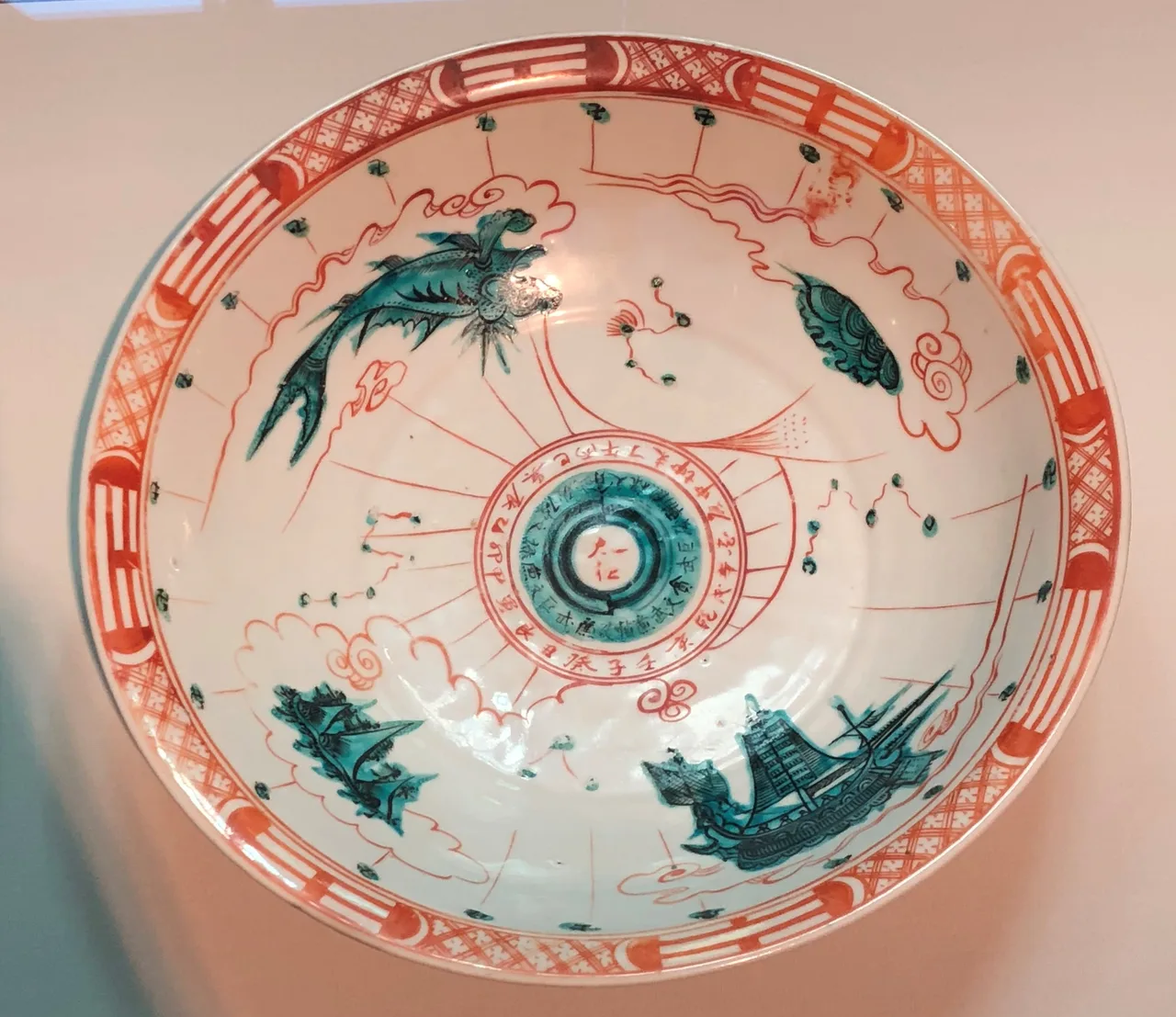
02. Daily Expense Account of a Ming Dynasty Cloth Merchant Traveling North
In 1589 CE, during the Wanli era, a cloth merchant from Songjiang went north to Linqing in Shandong. His daily log showed every cost and safety step:
- Books and Travel Papers: Buying a woodblock route book cost 0.12 silver taels. Getting travel stamps and permits from the local Military Inspector cost 0.03 taels in clerk fees.
- Food and Simple Medicine: Hard biscuits, dried fish, cured meat, and ginger cost 1.5 taels. Medical herbs for belly chills and snake powder cost 0.4 taels.
- Boat Rental and Canal Tolls:
- Renting a flat canal boat from Hangzhou to Linqing cost 24 taels. This covered boatmen pay and rope pullers.
- Customs fees paid at check stops in Yangzhou, Huai'an, and Dezhou totaled 4.8 taels.
- Lodging and Route Safety:
- Staying in safe trade guildhalls or vetted inns cost 0.03 taels per night with mule feed. This came to 0.9 taels over thirty days.
- River crossings on the Yellow River took 0.25 taels in river fees for the steersman. To cross the risky waters of Weishan Lake, the trader traveled close to armed state grain boats. This saved the 8 taels charged by private armed guards.
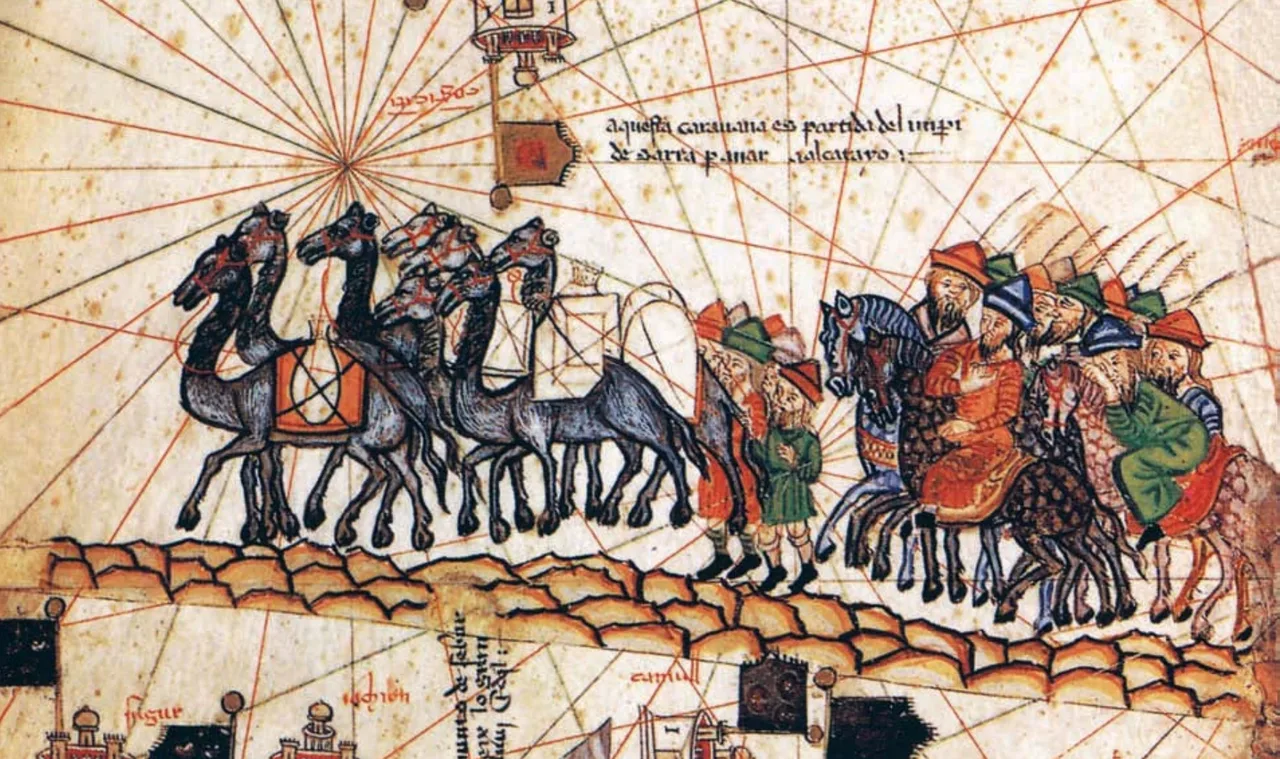
03. Overland Defense: Itinerary Guides, Cryptographic Poetry, and the Escort Fraternities
Traders moving through the interior rarely carried heavy silver boxes. Many roads passed through wild hills far from state law. Therefore, merchants used printed route manuals for safety.
Books such as the Yitong Lucheng Tu Ji and the later handbook Jianghu Bidu served as plain travel guides. These books had no poems about scenery. Instead, they shared practical facts: water depth at river crossings, fair ferry prices, and honest inns with dry storehouses. They also marked hill paths where bandits hid within twenty li, warning readers never to leave before dawn or walk after dusk.
When moving large funds, Shanxi merchants used bank drafts. Early shops like Rishengchang in Pingyao used secret rhyming poems to stop fraud. The head office wrote secret poems where each word stood for an era name, month, day, or silver amount.
A banking house might use words like "guard against fakes and check with care" to stand for numbers one to ten. When a trader took a draft to a far shop, the banker matched the words with his secret code book. One wrong pen stroke made the draft void. Banks printed drafts on paper with special watermarks in the plant pulp. They also stamped torn seals across the borders. Bandits who took a courier bag found only scrap paper that they could not cash.
When merchants moved valuable goods like raw jade, they hired armed guards (biaoju). Wise wagon masters followed an old rule: thirty percent fighting, seventy percent talking. When entering a new area, the chief guard visited local leaders and clan elders. He offered holiday gifts to ensure safe passage. Flags on wagons and rhythmic vocal calls sent clear messages. They showed that the cargo had paid its road dues, and that any attack would bring swift fight from guards and local troops alike.
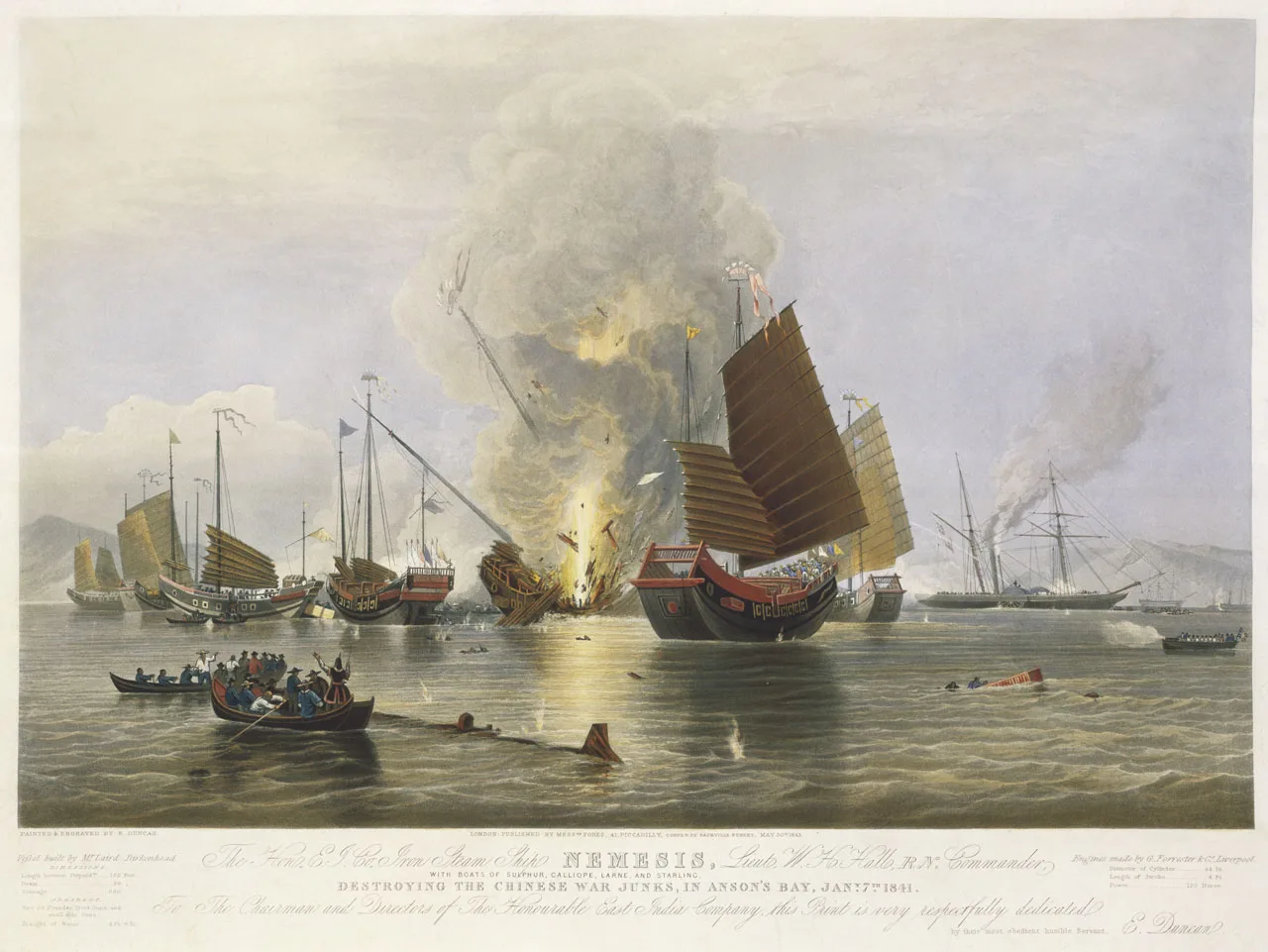
04. High Seas Navigation: Bulkheads, Star Boards, and Bilge Sprouts
Overland trips were fights against rough terrain and bandits. Ocean voyages tested human bodies and wooden hulls against wind and wave. Out of Quanzhou and Guangzhou, long passages across the southern seas toward Tamsui and beyond relied on solid ship design and sky sights.
Watertight Bulkheads and Hull Survival
Digs of Song shipwrecks, such as the Houzhu boat from Quanzhou, show clever design. Large ocean-going Fuchuan ships had thick pine keels and solid wall bulkheads across the hold. Builders split the hold into many water-tight rooms sealed with lime and tung tree oil.
When a ship hit sharp rocks, water filled only the broken room. The dry rooms kept the boat up, giving the crew time to fix the hole or shift goods. These cross-walls also made the boat stiff, so big ocean waves could not break the hull in half.
Twin Astronomical Sighting and Monsoon Rhythms
Captains never sailed into open water by luck. Their trips followed seasonal winds. From late autumn to early winter, cold winds blew south. Merchant ships left Quanzhou or Guangzhou and sailed past tropical islands toward the Strait of Malacca. When warm summer winds blew north months later, ships rode the breeze home.
Song books like the Xuanhe Fengshi Gaoli Tujing about Goryeo from the Xuanhe era describe sailors using floating water compasses. Workers rubbed an iron needle on a loadstone and floated it on water in a small dish. The dish had twenty-four direction marks. This helped helmsmen hold their path in thick fog and rain.
When night skies cleared, navigators checked their spot with star boards (qianxingban). These boards were twelve thin wood squares cut to finger widths. A sailor held the board out at arm length. He matched the bottom with the sea line and the top with the North Star. The height of the star showed how far north the ship was. Combining compass bearings with star sights gave ships a safe, steady way to cross open water.
Fresh Sprouts in the Lower Hold
Far from shore, scurvy was more dangerous than storm waves. European crews on long voyages often lost many men to illness before British ships began serving lime juice in 1795.
Chinese sailors built a simple food plan through years of sea work. Because deep ships had dry, dark cargo rooms, crewmen packed jars of dry beans, ginger roots, garlic, and dried orange skins. During the trip, cooks poured clean water over dry beans in dark clay tubs. Within days, the dark holds grew fresh, crisp bean sprouts.
These fresh sprouts, along with salted vegetables and hot ginger tea, gave sailors fresh vitamin C. While distant crews suffered from sore gums and weak legs on salt meat and dry bread, crews sailing from Quanzhou ate salted fish with fresh sprouts as their ships sailed safely through southern waters.
Primary Sources & Historical Bibliography
- Xu Jing (Song Dynasty): Xuanhe Fengshi Gaoli Tujing (Illustrated Record of an Embassy to Goryeo in the Xuanhe Era), Vol. 34, "Vessels, Part 3." Details the use of floating magnetic compass needles and star sights during the Northern Song embassy voyage to Goryeo.
- Zhu Yu (Song Dynasty): Pingzhou Ketan (Pingzhou Table Talks), Vol. 2. Preserves first-hand operational observations of foreign merchant shipping and rules under the Maritime Trade Bureau of Guangzhou.
- Huang Bian (Ming Dynasty): Tianxia Shuilu Lucheng (Comprehensive Itineraries of the Water and Land Routes of the Empire; also published as Yitong Lucheng Tu Ji), Wanli woodblock edition. Details highway stations, distances, river depths, and security warnings for traders.
- Institute of Archaeology, Chinese Academy of Social Sciences, et al., eds.: Excavation and Research on the Song Dynasty Ocean Vessel in Quanzhou Bay, Beijing: Science Press, 1987. Archaeological study analyzing V-shaped hulls, transverse watertight bulkheads, and preserved commercial items from the time of Wending.
- Huang Jianhui: Historical Sources on Shanxi Draft Banks (Shanxi Piaohao Shiliao), Taiyuan: Shanxi Economic Press, 2002. Contains archival records, family learning traditions, and code poems used by Rishengchang and other Shanxi merchant banks.