Chinese Coordinates
—
Western / Mediterranean Coordinates
Circa 350 BCE (early hypocaust geothermal channels at the Temple of Artemis in Ephesus) to the 1st century BCE (widespread adoption of Roman underfloor heating via hypocausts), alongside Persian domed subterranean ice storage units (yakhchāls).
TL;DR · Core Takeaways
- Thermal divides reflected social status: The Ming and Qing courts enjoyed continuous indoor warmth via hard charcoal and subfloor flue systems, while Tang emperors cooled their pavilions with water-driven fan wheels and cascading water curtains. In contrast, commoners survived on cooking exhaust channeled through brick bed-stoves, mulched mulberry-paper quilts stuffed with reed cattails, and chilled water hauled from deep wells.
- Parallel engineering across Eurasia: The Warmth-Preserving Hall of the Han dynasty Weiyang Palace and the hypocaust networks of the Forbidden City shared fundamental fluid-dynamic principles with Roman imperial baths. Similarly, the royal ice-masters of the Zhou dynasty preserved winter ice through subterranean phase-change mechanics, echoing the Persian yakhchāl.
- The deadly byproduct of domestic heat: The rapid urban adoption of coal across Northern Song Kaifeng brought regular waves of carbon monoxide poisoning. Initially blamed on household spirits, these fatalities prompted Song and Yuan physicians to deduce airflow hazards and devise early resuscitation techniques.
> Historical Context
> - Chinese Historical Timeline: 433 BCE (early Warring States period; bronze dual-chamber ice vessel unearthed from the Tomb of Marquis Yi of Zeng) to 1790 CE (fifty-fifth year of the Qianlong reign, Qing dynasty; peak institutional maturity of the Forbidden City subterranean heating flues and imperial icehouse quotas in Beijing).
01. Surviving Winter: From Subterranean Palace Flues to Paper Quilts
At dawn in the winter of 1080 CE, during the third year of the Yuanfeng reign, the temperature across Bianjing fell below minus ten degrees Celsius. Chunks of pack ice scraped the stone arches of the Zhou Bridge. Long before sunrise, workers carrying woven bamboo baskets lined up outside the fuel depots on Panlou Street. Rich merchant homes kept charcoal pots burning in their central courtyards. In the narrow alleys, laborers wrapped themselves in paper quilts, stepped onto frozen mud, and waited to buy mineral coal.
Surviving cold winters in northern Huaxia took careful planning. The ruling class had long moved past simple indoor open fires. In Chang'an, the Western Han court built the Warmth-Preserving Hall inside the Weiyang Palace. Ancient historical sources note that workers lined the walls with ground Sichuan pepper to trap heat while sending warm smoke beneath the floor tiles. Many years later, Yuanming and Qing builders refined this design inside the Forbidden City in Beijing. Palaces like the Palace of Earthly Tranquility used underfloor heating channels called huodi, or buried brick bed-stoves.
Every cold morning in the Inner Court, a Palace Eunuch stepped down into an outside fire pit called the tiger stove. Clean hot gases from the fire moved through brick ducts laid under the stone floor slabs. The entire room floor turned into a wide heating panel. The smoke cooled down and left through small vents hidden outside on the stone terraces. This clever layout kept dangerous soot out of royal rooms and cut the risk of fire from tipped braziers. Roman builders around the same era used a similar idea called a hypocaust, which rested floors on short brick pillars to spread hot furnace air under rooms. Builders across Eurasia discovered matching ways to move heat, just as Cao Pi examined in his book Dianlun.
[Cross-Section of Subfloor Radiant Flue System]
Exterior Covered Veranda (Stoking Zone)    Interior Living Floor (Radiant Surface)    Courtyard Perimeter (Exhaust Zone)
[ Sunken Stokehole / Tiger Stove ] ==(Hot Clean Gas)==> [ Stone Pavers / Thermal Sub-base ] ==(Cool Gas)==> [ Concealed Vent ]
              │ (Burns Hongluo Charcoal)                       │ (Absorbs & Radiates Low-Temp Heat)            │ (Exits Outdoors)
              └───────── Passes Base Wall ─────────────────────┴── Graded Brick Ducts (Draft Incline) ─────────┘
The imperial palace heating setup used top-grade fuel. The Forbidden City burned Hongluo charcoal, a hard wood fuel made in special kilns. This charcoal gave off no smoke or sparks. But for ordinary town families, this fuel cost too much money.
Farm families on the northern plains built the kang. This raised mud-and-brick bed had internal smoke passages hooked directly to the kitchen cookstove. When the family cooked dinner at night, excess heat drifted through the bed base before leaving via an outdoor chimney. The thick mud core soaked up heat and kept the bed warm all night with zero extra fuel, shielding the home through the frosty Nine Yans.
In the damp south, where heated brick beds were rare, soft silk padding remained a luxury for wealthy nobles. To fight off the damp chill, town residents made mulberry paper quilts. Beaten mulberry bark fibers form tight layers that block freezing air. Women folded the thick sheets until soft, filled the pockets with dried reed fluff or willow seeds, and sewed the seams with hemp cord. Duan Chengshi recorded curious tools in his Tang dynasty miscellany, and Northern Song scholars noted that thick paper blankets blocked icy drafts better than rough hemp cloth. Along with small bamboo hand-warmers or metal hot-water bottles, these paper quilts kept scholars and town craftsmen warm on cold river nights.
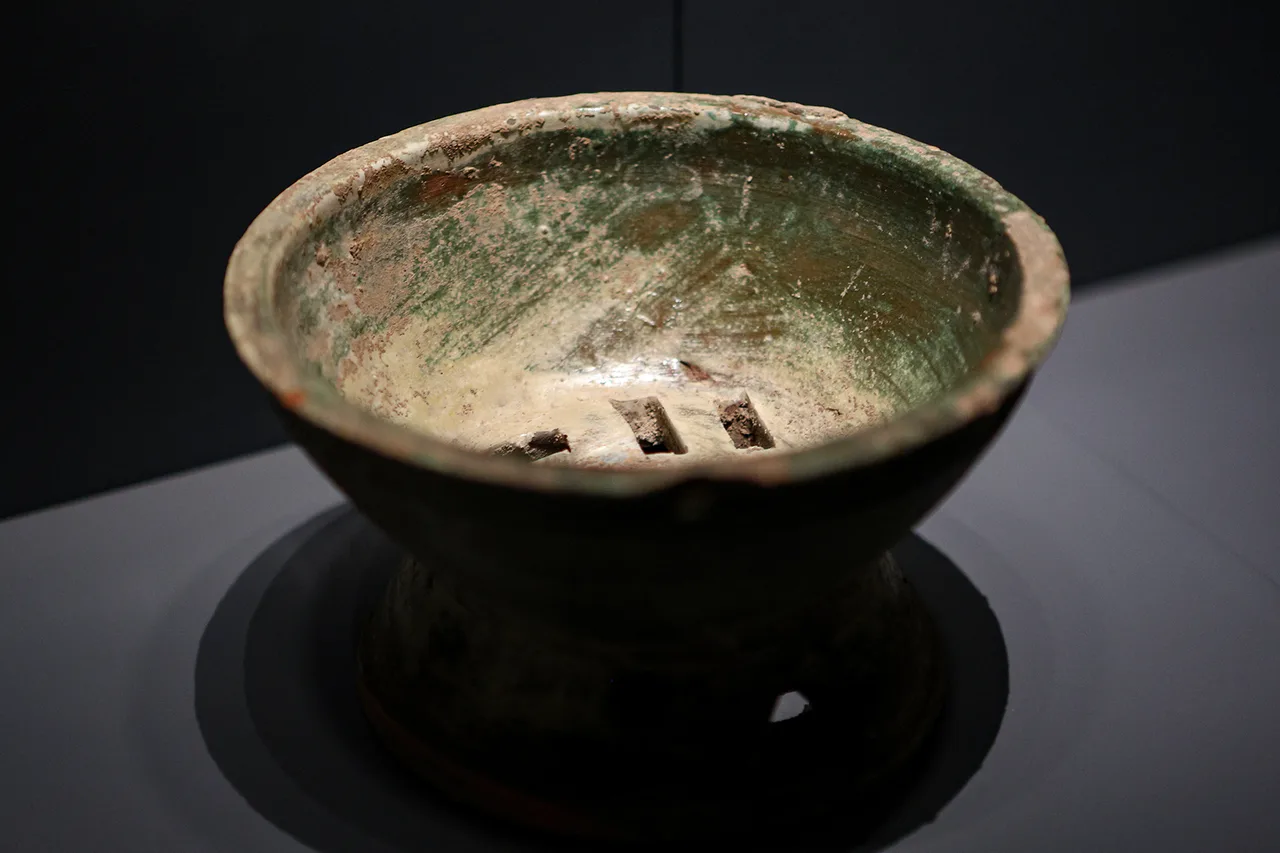
02. The Cost of Extreme Temperatures: Household Budgets and Material Culture
Staying alive through severe weather in pre-industrial times took strict spending control. Over time, tools to control heat and cold moved from elite palace luxuries into regular household items.
Cross-Dynastic Evolution of Climate Devices, Fuel Prices, and Labor Burden
| Period and Benchmark Year | Primary Heating / Cooling Artifact | Raw Material and Fuel Unit Costs | Social Class Daily Earnings and Acquisition Burden | Material Culture and Technical Features |
|---|---|---|---|---|
| Early Warring States<br>(ca. 433 BCE) | Dual-chamber bronze ice vessel (fanjian), bronze brazier | High-tin bronze alloy; winter ice storage requiring thousands of cubic meters | Aristocratic monopoly; ordinary subjects lacked access; heavy casualties among ice-harvesting slaves | Excavated from the Tomb of Marquis Yi of Zeng; wine vessel nested inside ice basin for phase-change chilling |
| High Tang Chang'an<br>(ca. 750 CE) | Royal water-driven cooling hall, Bai Juyi's patchwork winter quilt | Premium charcoal at 80–120 cash per dan; silk wadding at 20–30 cash per liang | Junior clerks (earning 50–80 cash/day): half a month's stipend purchased only two months of low-grade charcoal | Water-powered cascades and rotary blower fans; commoners lined rough hemp clothing with recycled rags |
| Northern Song Bianjing<br>(ca. 1085 CE) | Mineral coal (shitan), mulberry paper quilts, ceramic pillows, bamboo sleeping wives | Official kiln coal at 100–180 cash per cheng (ca. 15 kg); cut ice block at 20–50 cash | Laborers and guards (earning 100–150 cash/day): 1 full day's wage purchased 1 cheng of coal for cold spells | Deforestation around Kaifeng prompted a transition to coal; urban cold drink markets sold chilled sweet soups |
| Late Ming Jiangnan<br>(ca. 1600 CE) | Brass bed-warmers, Cizhou ware ceramic pillows, red-clay charcoal braziers | White-flame charcoal at 0.4 taels of silver per 100 jin; raw cotton at 0.02 taels per jin | Textile weavers (earning ca. 0.03 taels/day): two full days of wages bought one new cotton batting insert | Cotton cloth replaced paper blankets across central cities; brass hot-water warmers became common |
| Qing Beijing<br>(ca. 1780 CE) | Palace subfloor flues, tin-lined cypress iceboxes, rural brick kangs | Hongluo charcoal at 1.2 taels per 100 jin; official ice voucher at 0.05 taels per block set | Eight Banners foot-soldiers / vendors (monthly pay 2–3 taels): warmed homes using pressed coal briquettes | Official-supervised icehouse quotas; princely estates purchased annual vouchers to draw river ice blocks |
Monthly Winter Budget for a Lower-Middle-Class Family in Northern Song Kaifeng (Shaosheng Era, ca. 1095 CE)
When freezing winds blew across the plains, a family of four in Kaifeng had to track every single coin over a thirty-day winter spell:
- Staple Grain and Flour: Two dan of wheat flour and one dan of mixed grains cost 2,100 copper cash.
- Heating and Cooking Fuel: With bare hills stripped of trees, the home burned raw coal in stoves and fire pots, using six baskets of fuel for 720 copper cash.
- Bedding and Clothing Maintenance: Repairing two worn paper quilts with fresh paper sheets, reed fluff, and hemp cord cost 180 copper cash; two bolts of coarse hemp cloth for patches cost 240 copper cash.
- Warming Foodstuffs and Daily Provisions: Two pounds of fresh ginger, five bunches of scallions, and three bricks of tea cost 95 copper cash.
- Tool Maintenance and Replacements: Fixing a leaky brass bed-warmer and buying one plain clay brazier cost 65 copper cash.
- Total Monthly Expenditure: 3,400 copper cash (roughly 3.4 silver taels). With two working adults earning 120 to 140 cash per day, monthly household earnings hit 3,600 to 4,000 cash. Staying warm ate up more than three-quarters of their total take-home pay.
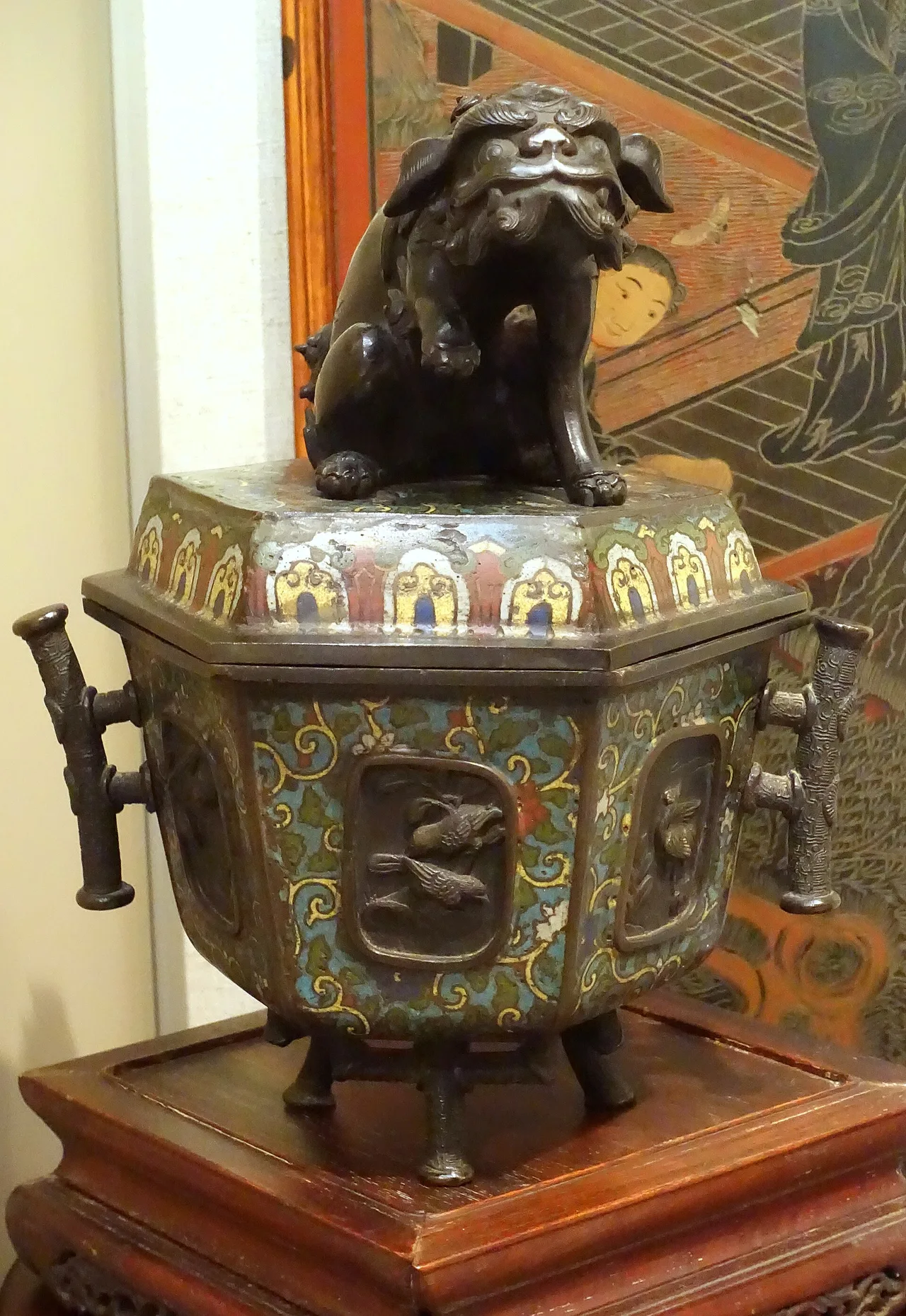
03. Beating the Heat: Mechanical Cooling and Subterranean Phase Change
Summer in central river valleys brought heavy, sticky heat, so sweat could not dry fast enough to cool the skin. Rich families used water power and stored ice blocks, while ordinary town residents relied on simple draft tools.
The Tang Dynasty Cooling Hall: Water Power and Cascading Evaporative Screens
During the hot summers in Chang'an, the imperial court rested inside the Cooling Halls of the Daming Palace. Old Tang records explain how water wheels lifted cold stream water up to the roof beams. The water gathered at the top and trickled down along the roof eaves, making a steady water curtain on all four sides.
This falling sheet of water kept hot, dry wind outside and cooled the air as mist floated off the droplets. Water wheels hidden behind painted screens turned wooden fan blades. The breeze and the water wall worked together to chill indoor rooms. During the Kaiyuan era, court minister Chen Zhiwei sat in the hall and began to shiver so much that he had to step out and ask for an autumn coat. This early cooling setup worked like a modern mist-cooling unit hundreds of years early.
Imperial Ice Vaults: From the Bronze Age Ice-Master to the Qing Ice Voucher
Water-driven cooling halls remained rare palace luxuries; most cities relied on stored winter ice. Under the Zhou dynasty, the court set up an office run by the Ice-Master. The Rites of Zhou, under the direction of the Minister of State, explains that crews cut river ice during the coldest winter month and stacked the slabs inside deep dirt pits lined with thick straw. Because insulation was basic, officers planned for two-thirds of the ice to melt, gathering three thousand blocks in winter to get one thousand good blocks by midsummer.
By the Qing era in Beijing, official icehouses sat right outside Desheng Gate and along the palace moats. Crews made deep vaults from thick stone blocks and bricks, angling the floors toward drain holes so meltwater ran off fast without warming the remaining pile. Every summer, the Ministry of Works gave out paper ice vouchers to court offices and nobles.
Palace rooms also used wooden ice chests made of cypress wood. Makers lined the inside with tin foil, cut drain holes in the base, and placed ice blocks on a low shelf next to fresh melons. Dense cold air sank through carved slots in the lid, cooling desks and sleeping quarters like a modern counter air cooler.
Other early builders solved summer heat in similar ways. Around 400 BCE, Persian builders tackled desert heat by making yakhchāls. These tall mud-brick dome vaults had very thick base walls. Mixes of mud, sand, and goat hair kept heat out. Combined with wind towers, they let desert water freeze at night and kept ice stacks frozen deep below ground all year.
Passive Microclimates of the Town Commoner
City commoners turned to the bamboo wife and cool ceramic pillows. The bamboo wife was a hollow woven tube of green bamboo, about four feet long. A sleeper rested an arm and leg over the smooth frame on hot nights. The open tube let night air drift past the skin to dry off sweat.
Hollow ceramic pillows from common kilns served a similar job. Coated in a glassy glaze, they pulled heat away faster than cotton pillows. Resting on a cool porcelain pillow drew warmth away from the neck. In the hot afternoon sun, families lowered clay pots of river melons down deep well shafts to chill them, then sat in the cool breeze blowing under city gates.
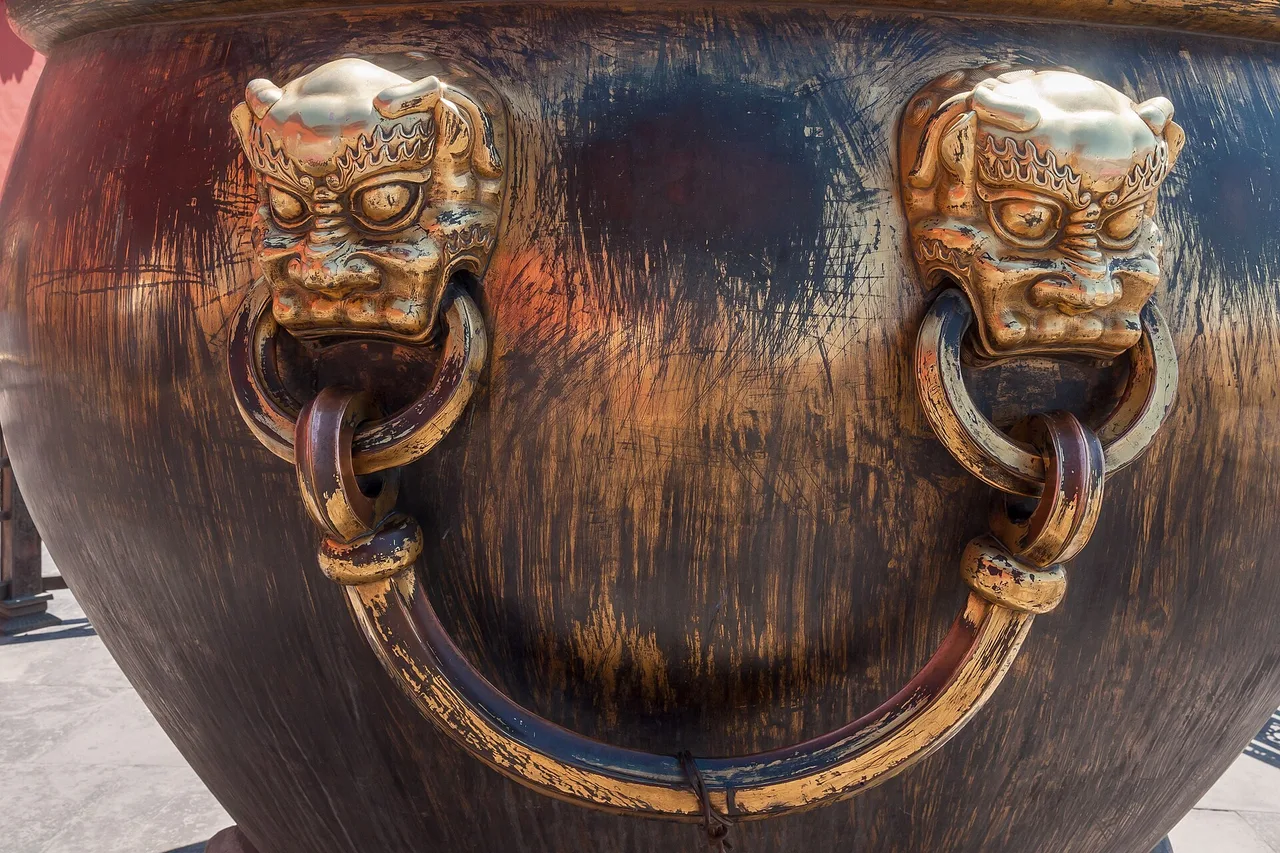
04. The Hidden Danger: Coal Heating and Carbon Monoxide Poisoning
Relying on fuel for heat brought quiet health hazards. Starting in the mid-Tang, loss of forests across northern river valleys made firewood very costly. When the Northern Song made Kaifeng its capital, the large population triggered the first huge shift to household mineral coal in history.
Song records show busy coal trade routes feeding the capital city. Unlike clean wood charcoal, raw coal gave off sharp sulfur smoke. Burning coal in closed rooms with low fresh air also produced deadly carbon monoxide gas.
[Mechanism of Winter Coal Poisoning and the Rise of Medical Treatments]
[ Winter Blizzards Strike; Windows & Doors Sealed Tight with Thick Paper ]
                                │
                                ▼
[ Earthen Pot Sits Indoors Burning Raw Coal Throughout the Night ]
                                │
                                ▼
[ Oxygen Depletes; Incomplete Combustion Follows ] ───(Yields Deadly CO)───> [ Hemoglobin Loses Oxygen Transport ]
                                │                                                              │
                                ▼                                                              ▼
[ Superstitious Verdict: "Wrath of the Stove God / Spectral Curse" ]          [ Victims Die in Bed with Cherry-Red Skin ]
                                │
                                ▼ (Intervention by Song & Ming Physicians)
[ Early Medical Remedies Emerge: Ventilation / Cold Air / Fresh Radish Juice to Induce Vomiting ]
Song dynastic city records mention sad cases where whole families died in their sleep. People sealed window paper tight to hold in heat, then set burning coal bowls on the floor. In the morning, families lay dead in bed with bright red skin and no sign of a fight.
Early local folk blamed these sudden deaths on angry home spirits. In his famous Rongzhai Essays, Southern Song writer Hong Mai wrote down city tales and pointed out people dying after blocking all room drafts. He also noted cases of bad frostbite among northern travelers who warmed frozen feet too fast by open fires.
Over time, each smart physician began to look past old ghost tales. Classic medical works like Collected Cases of Injustice Rectified and the Compendium of Materia Medica labeled the illness as coal gas poison. Ming medical guides told readers never to burn raw coal in closed rooms without cutting a vent hole high on the window frame to let bad air out. If a patient felt dizzy and sick, helpers had to pull them outside into the open air right away and give them cold well water or sour radish juice to clear their throat.
From the bronze ice chests of the Tomb of Marquis Yi of Zeng to the brick flue floors of the Forbidden City, and from Tang water halls to the paper quilts of Kaifeng, ancient families worked out clever ways to beat extreme cold and heat. Without power grids or modern cooling fluids, daily survival depended on clever crafts, careful tests, and thrifty use of fuel across every cold winter and hot summer.
Primary Sources & Historical Bibliography
- Standard Dynastic Histories & Institutional Treatises:
- Rites of Zhou, "Offices of Heaven: Minister of State", section on the Ice-Master, covering ancient state ice-harvesting protocols.
- Book of Han, Vol. 99, "Biography of Wang Mang", recording the subfloor heating and wall insulation of the Warmth-Preserving Hall.
- New History of the Tang, Vol. 35, Treatise 25, "Five Phases II", documenting summer cooling pavilions and extreme cold anomalies.
- Collected Statutes of the Qing Dynasty, "Ministry of Works: Department of Water Communications", on official ice quotas and seasonal distribution vouchers.
- Song, Ming, and Qing Miscellanies & Technical Manuals:
- Hong Mai, Rongzhai Essays, Zhonghua Book Company annotated edition, recording frostbite injuries, carbon monoxide asphyxiation, and urban living standards.
- Duan Chengshi, Miscellaneous Morsels from Youyang, on Tang material culture and thermal insulation practices.
- Meng Yuanlao, The Eastern Capital: A Dream of Splendor, Vols. 1 and 7, documenting coal markets and summer iced drinks in Northern Song Kaifeng.
- Song Yingxing, The Exploitation of the Works of Nature, Chapter 11, "Calcination of Stones: Coal", covering Ming coal classification, washing, and ventilation methods.
- Modern Material Culture & Archaeological Studies:
- Craig Clunas, Superfluous Things: Material Culture and Social Status in Early Modern China, Polity Press / Oxford, 1991 (examining domestic consumption and status goods in Ming China).
- Sun Ji, Material Culture of Ancient China, Zhonghua Book Company, 2014 (on Han and Tang palace heating systems and early bronze cooling vessels).
- Yang Zhishui, One Hundred Illustrations of Ancient Chinese Customs, Shanghai Classical Books Publishing House, 2019 (archaeological analysis of bed-warmers, bamboo sleeping wives, and Song paper quilts).