Chinese Coordinates
—
Western / Mediterranean Coordinates
The early modern era, marked by Roman-canon procedure in Europe and ballooning fees in the English Court of Chancery.
TL;DR · Core Takeaways
- Extralegal fees drain suitors early: Commoners faced ten customary levies from petition scribes, gatekeepers, penal clerks, and bailiff runners. Pretrial costs for three mou of land routinely topped the value of the plot.
- Torture rules require confession: Imperial law demanded signed confessions for every verdict. The District Magistrate acted as investigator, prosecutor, and judge. All parties faced thumbscrews, ankle presses, or strokes of the heavy bamboo.
- Informal lineage and village panels settle disputes: Village elders, tea house arbiters, and lineage chiefs resolved field and debt quarrels at home, keeping extortionate runners out of rural hamlets.
> Historical Context
> - Chinese Context: From the mid-Ming to the late Qianlong (c. 1573–1908 CE), tracing county rule across Jiangnan and the North China Plain from the Wanli era through the Guangxu reign.
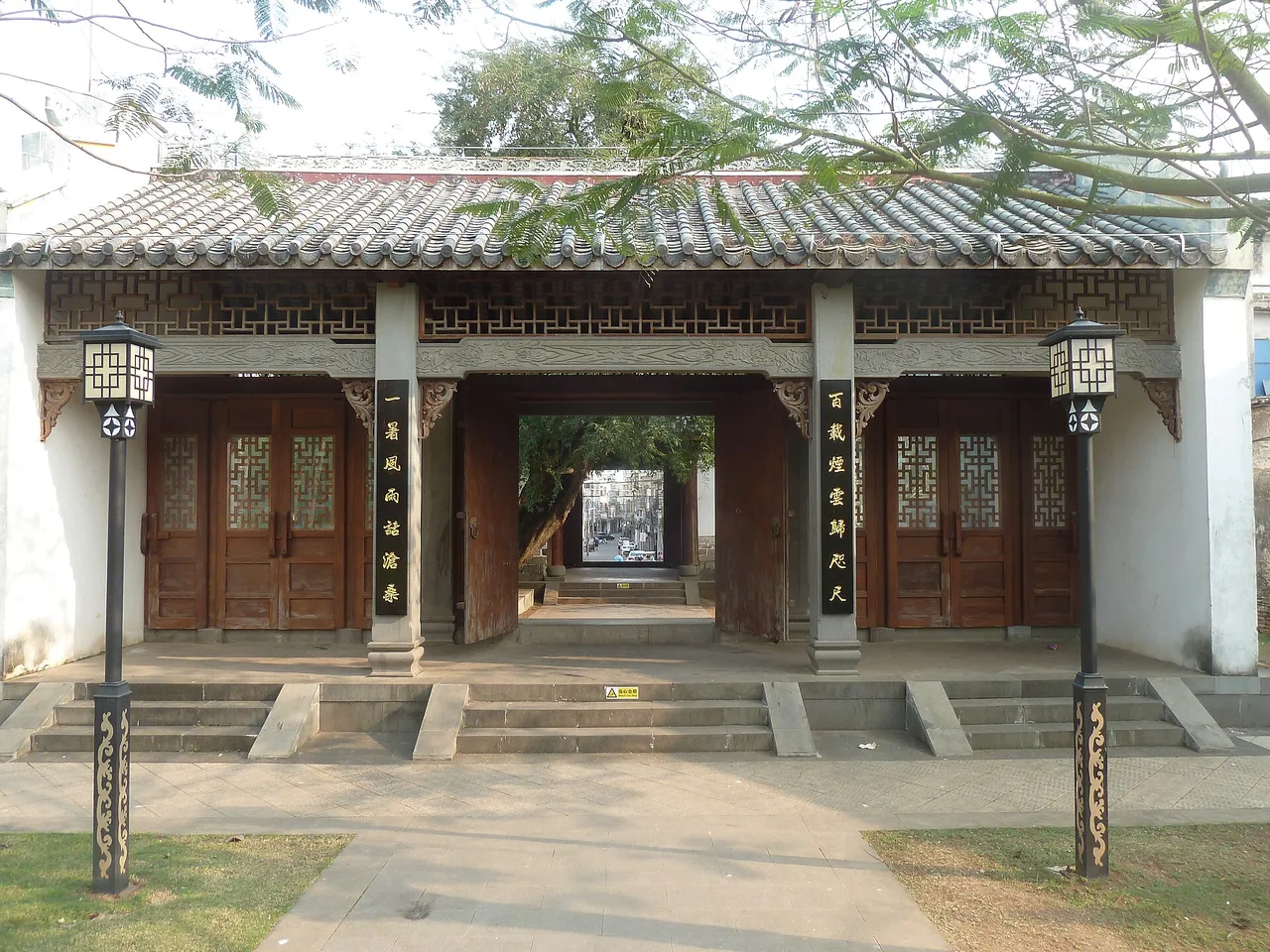
At dawn in late autumn 1602, the thirtieth year of the Wanli era, the gates of Liangxiang in Shuntian opened wide. A group of dirt-streaked farmers in padded coats stood shivering by the brick screen. In their pockets lay a petition for three mou of empty land. Yet none dared cross the red entrance. At a nearby tea stall, an unlicensed writer sold his skills to fix their plea. At the same time, an entryway guard eyed the farmers with open scorn.
Commoners likened the county hall to a tiger's den. This fear did not grow from a lack of legal knowledge. It came from a harsh fiscal administration where formal statutes met raw reality and the corrupt decay of Administration of Officials. Even a Provincial Graduate from Daizhou or a scholar of Jing Fang Changes learning knew the risk. Once a claim entered the court, every suitor stepped into a costly trap filled with bribes and sanctioned pain.
01. The Financial Abyss: Five Procedural Tollgates Before Trial
The District Magistrate earned a small official salary. The imperial treasury gave no operational funds for county paperwork. Because of this, local courts funded daily work by taxing civil suits. Staff members ran a network of customary fees, placing high price tags on every filing step.
[Litigation Pipeline and Capital Outflow Points]
Purchase Official Pre-Printed Complaint Paper (Scribe & stamp fee)
      │
      ▼
Yamen Gatekeeper Reception (Gate envelope / Entry ledger fee)
      │
      ▼
Penal Registry Docketing (Docket listing fee / Ink & paper gratuity)
      │
      ▼
Bailiff Summons Dispatch (Shoe-and-sock fee / Daily rations / Delay bribe)
      │
      ▼
Detention in Runner Stations (Bedding silver / Unshackling fee / Daily room rate)
      │
      ▼
Formal Trial in the Main Hall (Spared-beating silver / Courtroom fee)
      │
      ▼
Lineage and Village Mediation Alternatives
Petitions and Gatekeepers: The Tolls of Entry
Procedural trouble began with the paper itself. Dynastic rules banned plain paper complaints. Suitors had to buy official forms and hire licensed writers. A tenant farmer paid fixed filing fees plus under-the-table drafting tips. A writer who was denied a tip might slip banned words into the text. That simple trick brought instant rejection from the court.
Once written, the plea met the yamen gatekeepers. They demanded silver and ledger fees before passing the slip inside. Litigants who could not pay saw their papers thrown into trash bins. Inside the penal registry, clerks asked for docket charges and paper-and-ink fees. Before the magistrate even read the case, a large share of a farming family's annual savings was already gone.
Writs and Detention Huts: Rural Extortion by Runners
Once the magistrate stamped a petition in red ink, clerks sent arrest warrants to yamen runners. The arrival of these runners in quiet villages brought deep trouble. Runners billed farm households for custom fees, such as shoe-and-sock silver, travel stipends, and wine money. If a defendant failed to pay cash right away, runners clamped heavy iron collars on their necks. If the party paid quickly, runners offered long delays and postponed travel dates.
Back in the county seat, imperial law lacked cash bail. Runners locked litigants into informal holding rooms known as runner stations. Unlike formal imperial jails, these makeshift rooms offered neither food nor clean water. Guards extorted bedding silver and unshackling fees as daily room charges. Wealthy merchants paid for clean plank beds and warm food. Poor farmers slept on damp dirt floors with common thieves, catching dysentery before trial.
02. Comparative Procedural Costs Across Dynastic and Global Contexts
The hidden costs of Ming and Qing courts contrast sharply with earlier Chinese dynasties and European jurisdictions, as seen in historical sources regarding local governance.
| Dynasty / Context | Common Civil Claim | Typical Entry Fees & Surcharges | Summons & Documentation System | Commoner Economic Exposure |
|---|---|---|---|---|
| Western Han (Emperors Wu to Xuan) | Disputed working cattle (worth 2,500–4,000 cash) or bondservants | Direct statutory filings; no licensed monopolies, but parties carried travel rations and paid asset fines on conviction | Rural Husbander and Patrol Leader served spoken verbal summons; runner fees did not exist | Freeholders mortgaged land over multi-year suits; wooden slips record personal assets pledged as trial collateral |
| Tang Dynasty (Kaiyuan to Tianbao eras) | Pawned land contracts, raw silk debts (valued at 10–30 bolts of silk) | Mandatory official paper under the Tang Code with Commentary; filings routed via the Village Head and Rectifier with minimal bribes | District Defender assigned official collectors to summon parties within strict statutory time limits | Smallholder families financed travel via clan funds; runner lockups remained rare |
| Northern Song (Xifeng era) | Bianjing urban rental defaults, tea and salt license disputes (10 to 100 strings of cash) | Prefectural paper slips cost tens of cash; metropolitan scribes wrote formal pleas; Kaifeng yamen gates had entry checks | Bowmen and Supervisor of Militia executed warrants; Kaifeng court clerks levied standard dispatch tips | Flourishing urban markets supported legal agents, and procedural fees solidified into clear street rates |
| Ming Dynasty (Jiajing to Wanli eras) | Jiangnan land division, Fish Scale Register plot boundaries (disputes over 2–5 mou) | Licensed scribe: 0.2–0.5 taels; penal registry fee: 0.5–1 taels; runner shoe-and-sock silver: 1–3 taels | Warrants dispatched runners who demanded food, liquor, and lockup fees while herding suspects into stations | A typical Jiangnan freeholder earned very little cash; a single suit consumed two years of surplus grain |
| Qing Dynasty (Qianlong to Guangxu eras) | Conditional land redemption, lineage ancestral grave fengshui (worth 20–50 taels) | Filing, registration, and hearing fees ran 8–25 taels combined, scaling with household wealth | Summons chits prompted multi-tiered extortion along transit paths to Beijing; runner stations billed daily fees | Both parties mortgaged small plots or turned to usurious moneylenders; popular sayings warned that one suit ruined ten homes |
| Early Modern Western Europe (17th–18th C.) | Land succession contests, commercial contract breaches (valued at £50–£500) | Enormous registry, seal, and clerk fees alongside barrister retainers in the English Court of Chancery | Court issued royal writs served by county sheriffs under set fee schedules | Only gentry and merchant elites weathered multi-year proceedings; rural tenants relied on manorial courts |
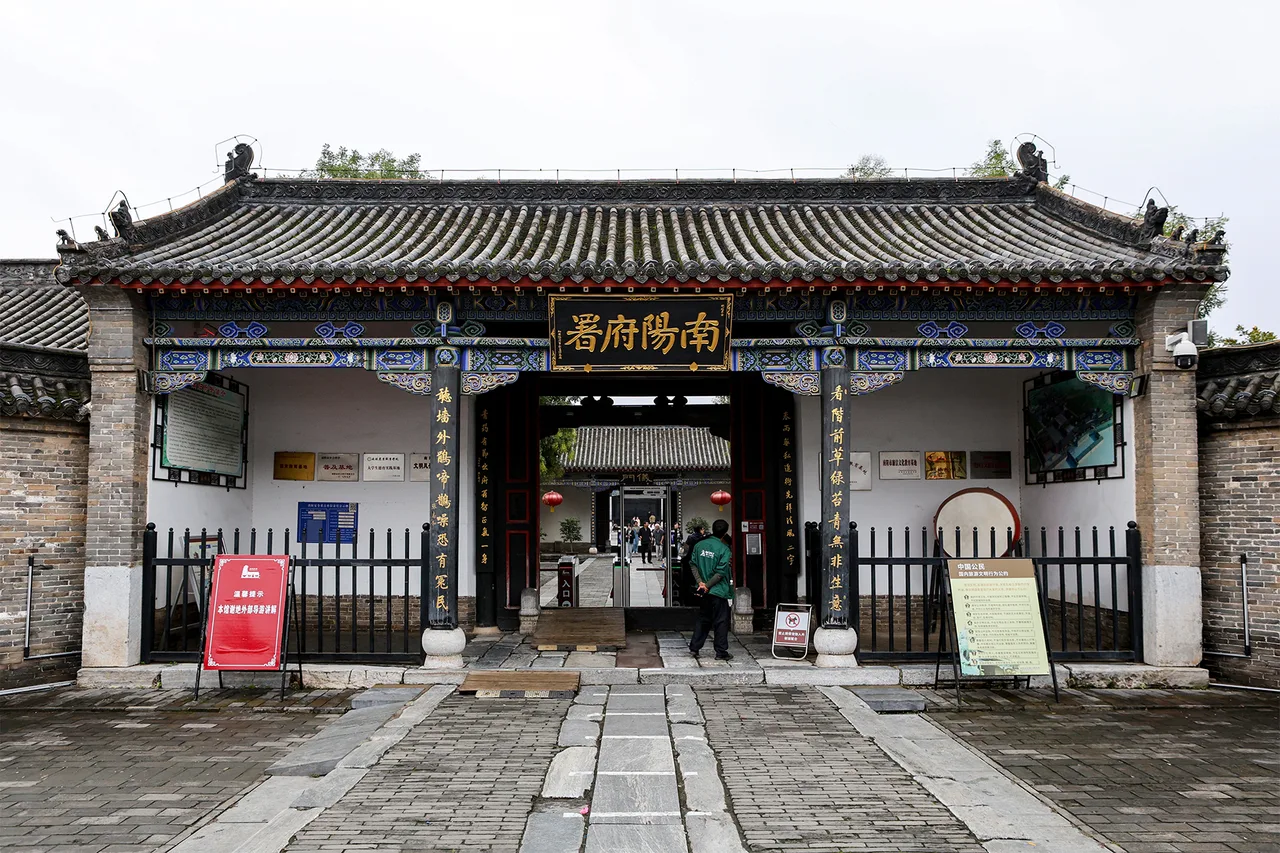
03. Courtroom Corporal Reality: Mandatory Confessions and the Heavy Bamboo
Past the maze of runner fees, litigants entered the main judgment hall. There they faced bodily danger. Imperial Administration of Officials joined executive and legal powers in one official. Lacking forensic labs or prosecutors, the magistrate worked under a strict rule: no conviction could stand without a signed confession.
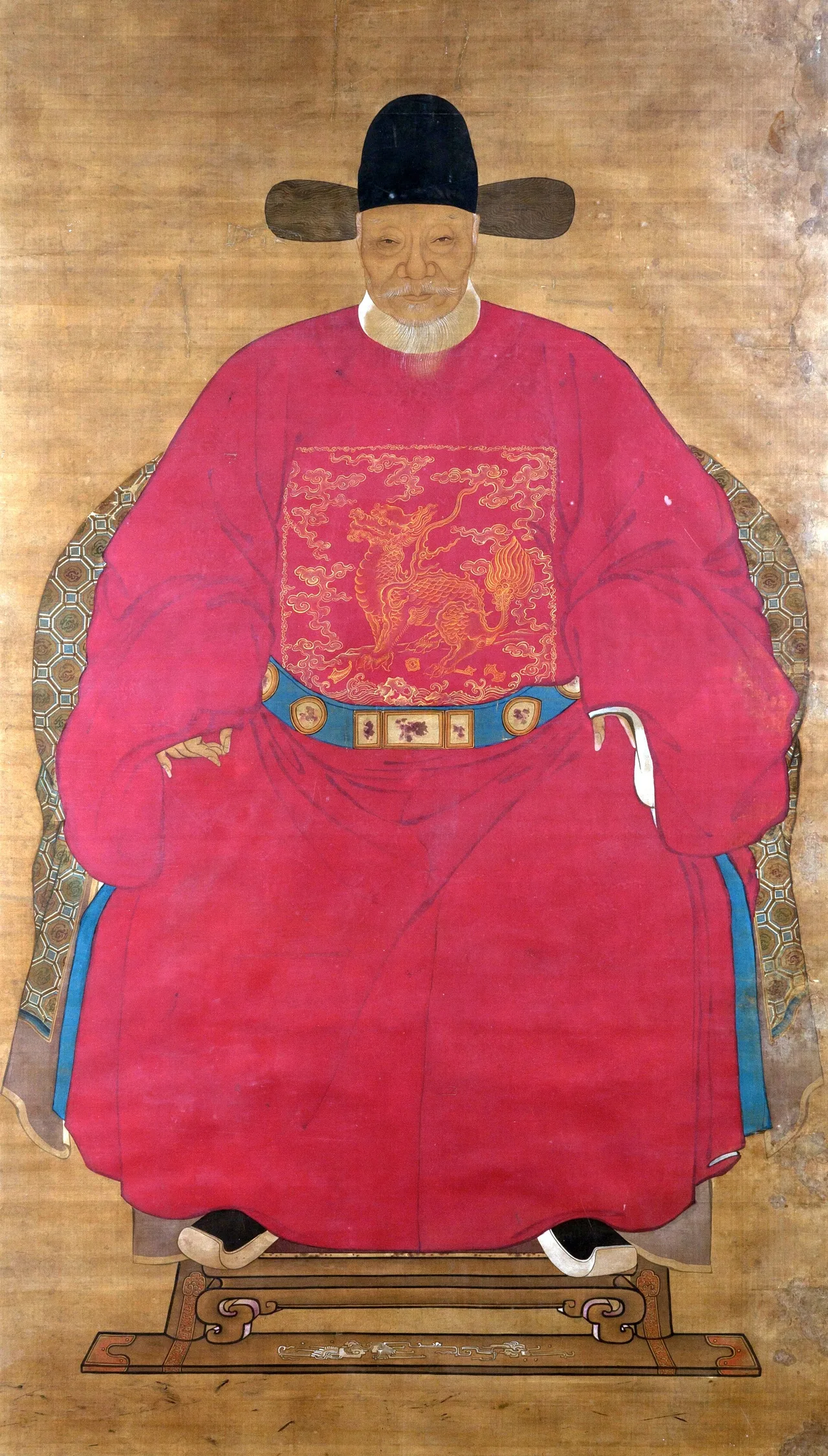
Statutory Torture and Prescribed Boundaries
Under imperial law, a spoken confession carried the highest weight. Even with clear physical clues and witness words, clerks could not forward a major case to the provincial Judicial Commissioner without an offender's mark. Torture served as a standard procedural step. The Great Qing Code set strict limits for tools: ankle presses made of round wood to crush joints, and thumbscrews strung with cords to squeeze fingers.
Statutory Interrogation Implements under the Great Qing Code:
┌──────────────┬───────────────────────────────┬────────────────────────────────────────────┐
│ Instrument   │ Statutory Dimensions          │ Legal Limitations and Exemptions           │
├──────────────┼───────────────────────────────┼────────────────────────────────────────────┤
│ Ankle Press  │ Pear or elm wood, 3.5 Chinese │ Reserved for hardened bandits and capital  │
│ (Jiagun)     │ feet long, 1.5 inches wide,   │ cases; barred for women, degree-holding    │
│              │ with crossbars and iron hooks │ scholars, the elderly (over 70), and youth │
├──────────────┼───────────────────────────────┼────────────────────────────────────────────┤
│ Thumbscrews  │ Five circular sandalwood rods,│ Applied only to female suspects in capital │
│ (Zazi)       │ 7 inches long, 0.3 inches     │ cases; strictly forbidden against pregnant │
│              │ in diameter                   │ women                                      │
├──────────────┼───────────────────────────────┼────────────────────────────────────────────┤
│ Heavy Bamboo │ Small head 0.15 inches wide,  │ Universal punitive tool across civil and   │
│ (Chizhang)   │ large head 0.2 inches wide    │ penal hearings; applied at the bench       │
└──────────────┴───────────────────────────────┴────────────────────────────────────────────┘
In open court, the presiding magistrate held wide personal power. When testimony clashed, the official used physical blows to stop noise. A suitor, defendant, or summoned witness who paused under fire met quick charges of contempt. That brought harsh slaps or swift strokes of the bamboo rod.
The Gratuity System Behind the Rod
The true force of twenty blows from the heavy bamboo rested with the court executioners. Skilled runners knew striking tricks. They could make dark skin marks with little muscle harm, or cause deep injury beneath whole skin. Litigants who paid enough silver met gentler blows. The rod fell with loud cracks that tore clothing, but left inner muscle safe so the person walked in days.
[Executioner Striking Techniques]
         ┌─────────────────────────┴─────────────────────────┐
         ▼                                                   ▼
[Paid Gratuity: Surface Impact]          [Unpaid Fee: Concentrated Force]
- High acoustic snap                     - Deadened thud
- Superficial dermal bruising            - Crushed muscle tissue & periosteum
- Ambulation restored in days            - Systemic necrosis & fatal tetanus risk
Litigants who paid nothing faced direct hits that crushed muscle and broke bone. In hot summer months, rough beatings led to bad infections or death on the trip home. Smallholders and traders viewed court hearings as deadly events. Even a winning claim gave no promise of recovery, while the risk of beatings and pretrial lockup remained high.
04. The Real People's Courts: Lineage Halls and Rural Teahouses
Faced with steep costs and physical hazards, farming communities settled everyday fights through informal paths. Over ninety percent of local disputes—diverted irrigation ditches, shared walls, succession claims, and unpaid loans—found resolution within lineage structures before reaching magistrate halls.
Ancestral Halls and Lineage Arbitration
Across South and Central China, ancestral halls served as the primary centers for settling civil claims. When boundary quarrels flared, suitors called upon the lineage genealogical head, branch chiefs, and local degree holders. Arbitrators relied on ancestral rules, village compacts, and land registers rather than complex dynastic statutes.
Proceedings prioritized peace over harsh verdicts. Elders examined boundary stones, asked each party to yield several inches of land, and required the offending family to pay for a feast with tea and wine. The process cost very little silver. It concluded in hours through signed reconciliation contracts witnessed by the assembled clan.
Market Teahouses and Neighborhood Intermediaries
In North China hamlets and market towns such as those across Daizhou where family clans were smaller, teahouses and village fairs handled disputes. When loans fell overdue, guild chiefs or street leaders held quiet talks over tea. These helpers weighed family means, changed payment dates, and wrote fresh notes on the spot.
Rural communities sought formal court trials in only two situations:
- Capital crimes involving killings, severe injury, or bandit raids, where dynastic laws punished village heads and gentry for failing to report blood crimes;
- Feuds between powerful lineages over hill timber or water control rights, where escalated brawls went past village mediation and led clans to pool cash to crush rivals through yamen litigation fees.
For ordinary farming families, avoiding litigation was a smart survival rule. Commoners weighed procedural entry fees, runner exploitation, and physical hazards. They chose to settle their claims far away from the local official's bench.
Primary Sources & Historical Bibliography
- Great Qing Code, Penal Law: Judicial Procedure (Vol. 36, "Duan Yu"): Sets statutory dimensions of interrogation instruments, confession requirements, and torture thresholds.
- Wang Huizu, Speculations on Rural Governance (Xuezhi Yishuo, Vol. 2) and Precepts for Aiding Governance (Zuozhi Yaoyan, Chapter 1): Practical memoirs of a Shaoxing legal secretary detailing runner extortions, lockup abuses, and customary fee negotiations in county administrations.
- Fan Zengxiang, Administrative Papers of Fan Shan (Fanshan Zhengshu, Vol. 12): Case rulings by a late Qing local official documenting disputes over farmland, property theft, travel costs, and interactions with lineage mediators.
- Philip C. C. Huang, Civil Justice in China: Representation and Practice in the Qing, Stanford University Press, Chapter 3 ("The Civil Hearing and Mediation"): An archival study of local legal records tracing how disputes moved between community mediation and magistrate adjudications.
- T'ung-tsu Ch'ü, Local Government in China under the Ch'ing, Harvard University Press, Chapter 6 ("Clerks and Runners"): An examination of the operational dependence of county yamens on petition surcharges, legal secretaries, and predatory runners.