TL;DR · Core Takeaways
- Physiological and Engineering Limits: Folk tales claim a rider galloped 800 li a day. In truth, the imperial postal-relay station system used 1,639 stations. It capped top speeds between 500 and 600 Chinese li (about 250 to 300 kilometers) daily for vital army news.
- Geographical Reality: Lingnan sat over 4,000 li from Chang'an. Fresh fruit could not survive that trip. Thus, the Imperial Court took tribute lychees from Fuzhou and Zhongzhou in Ba-Shu. These orchards lay about 2,000 li away on the Lychee Road.
- Civilian Communications Vacuum: The imperial postal-relay station system banned civilian mail under threat of beatings. Common folk trusted passing traders and monks. Later, private letter bureaus (minxin bureau) grew in the mid-Ming dynasty to bridge the gap.
Chinese Historical Coordinates: Fifth year of the Tianbao era of Emperor Xuanzong of Tang (746 CE); Li Linfu served as Director of the Secretariat; the year following the formal investiture of Yang Yuhuan as Noble Consort; over 1,600 water and overland relay stations operated nationwide.
Western / Mediterranean World Coordinates: Over a century after the end of the Justinian Dynasty of the Byzantine Empire; reign of Constantine V of the Isaurian Dynasty; the remnants of the Roman state postal network (Cursus Publicus) shrank along surviving trunk lines across the eastern Mediterranean.
Dust rose at dawn outside Changle Station near Chang'an in 746 CE. A state rider in yellow silk galloped toward the gates. Brass bells rang from his horse. Station workers ran out and took the tired beast. Grooms brought a fresh horse fed on boiled soybeans. The rider shifted his waxed silk pack to the new saddle. He dashed off into the Qinling Mountains.
Poet Du Mu wrote about this rush. He said: "A single rider breaks the red dust, the consort smiles; none know it is the lychees arriving." Court tales praised this run as an imperial marvel. Yet biology and fast rot set hard rules. No emperor could bend them.
01. 1. Changing Horses, Spurring Couriers: The Physical Limits of Tang Post Roads
A horse at a full gallop tires fast. It can suffer heatstroke or heart failure after two hours of hard running. Because of this, the state set up a dense string of relay stops.
The Six Statutes of the Tang and court rites record 1,639 relay stops at the empire's peak. This network held 1,297 land posts, 260 water posts, and 82 amphibious posts. Each post sat about thirty li (roughly 14.8 kilometers) apart. A postmaster ran each stop with grooms and horse doctors. Rural outposts kept eight to fifteen mounts. Busy stops near Luoyang and Dai State kept up to seventy-five prime horses.
This network looked like the Roman Cursus Publicus founded by Augustus. That system set roadhouses (mansiones) every thirty-five kilometers. It also placed small horse stops (mutationes) every ten to fifteen kilometers. Both states used imperial travel passes (diploma) to stop illegal trips.
Tang law sorted courier transit into three speed ranks:
- Routine Administration: Couriers covered 120 to 180 li (about 60–90 kilometers) each day. Foot runners or common postmen moved these routine papers.
- Urgent Military Dispatches: Riders carried dispatches marked with bird feathers. They rode day and night while ringing bronze bells to cover 300 to 500 li daily.
- Maximum Emergency Speed: Couriers used this pace only for border wars or severe crises. The Secretariat or the Bureau of Military Affairs ordered it. Riders pushed for 600 to 800 li per day.
Mountain roads slowed couriers down. Slips from Xuanquan and records from Turpan show that couriers rarely topped 500 to 600 li (250–300 kilometers) on flat land. When An Lushan rebelled in Fanyang (modern Beijing) in 755 CE, the news reached Emperor Xuanzong of Tang in six days. The distance was 1,800 li. Dark winter nights and broad rivers held speeds to about 300 li a day. The famed "800-li urgent courier" was a brief, desperate sprint. Running that fast on long trips killed over thirty percent of the horses.
Relay Mechanics and Equine Turnover
Grooms fed mounts husked millet and clean water under strict rules. They also trimmed hooves. Postmasters faced harsh beatings if government horses died from neglect.
Terrain Friction and Mountain Road Logistics
Steep cliffs and sharp turns in the Qinling ranges cut riding speeds in half. Couriers crossed rickety plank roads hanging above deep canyons. Heavy rains and winter ice often slowed horses to a crawl.
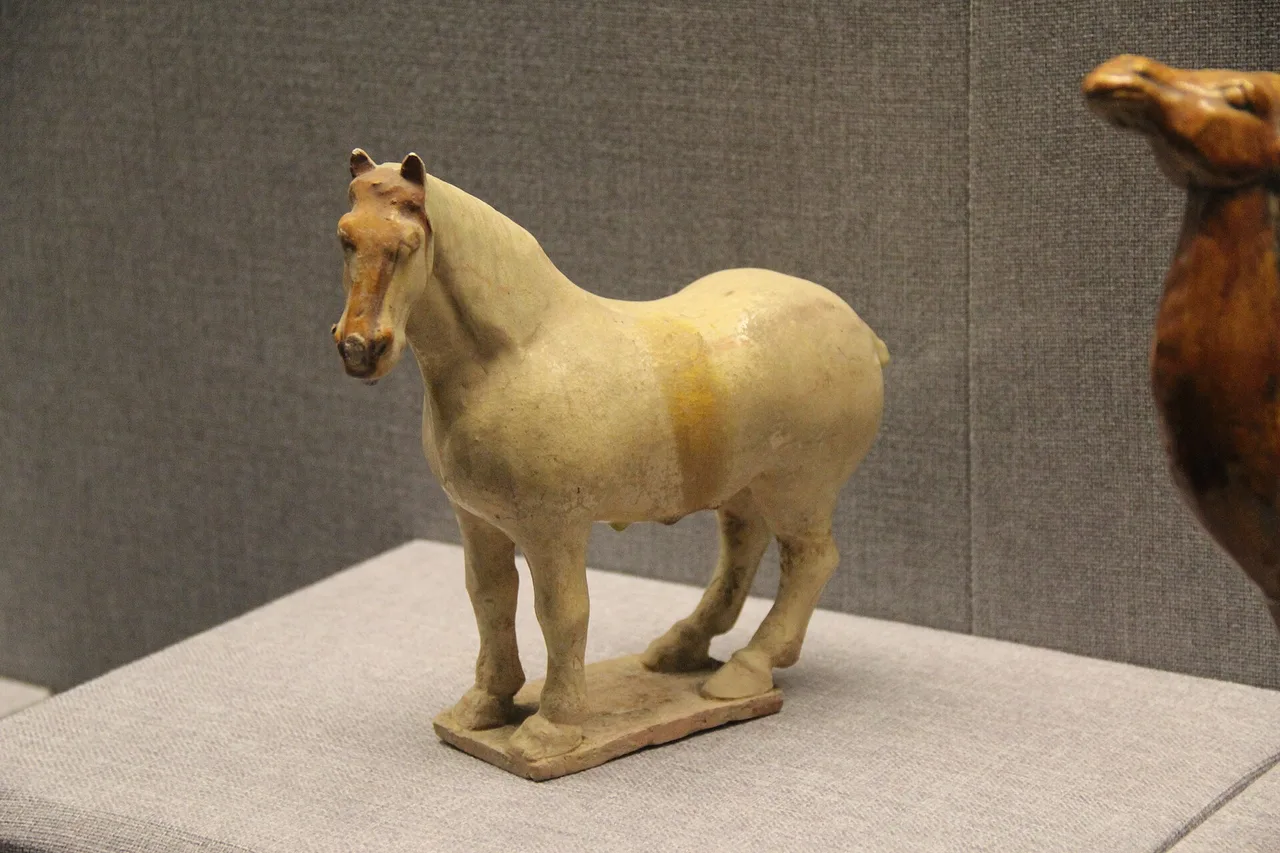
02. 2. The Lychee Road: Compressing Space from Fuzhou to Xingqing Palace
Moving fresh fruit across long distances pushed the courier network to its breaking point.
Scholar Bai Juyi wrote about this in his Preface to the Lychee Tu. Lychees lose their red color after one day. They lose their sweet smell after two days. Their taste spoils completely by day five. The Tang had no modern cold storage. Workers had to rush the fresh fruit to the palace within seventy-two hours of picking.
Folk tales claimed the fruit came from Lingnan in the south. Yet paths from Guangzhou or Maoming crossed high peaks over 4,200 li. That trip took seven to eight days. The fruit would arrive black and rotten.
Northern Song writer Su Shi solved this puzzle in his notes on Lament for the Lychees. He showed that tribute fruit came from Sichuan, not the far south. The New History of the Tang and the Ming text Wide Records of Shu agree. They prove the palace fruit came from Fuzhou (modern Fuling, Chongqing) and Zhongzhou (modern Zhongxian, Chongqing) along the Yangtze River. The warm local climate there grew early fruit.
[Harvest at Fuzhou Imperial Orchard] ──(~300 li)──> [Dazhou Transport Commission] ──(Micang Way, 700 li)──> [Xixiang, Hanzhong] ──(Ziwu Valley, 600 li)──> [Xingqing Palace, Chang'an]
(Total route: ~1,800–2,000 li; run day and night by designated relays; transit time: 70–80 hours)
Imperial crews built the Lychee Road across 2,000 li of rough mountains to meet the three-day limit. They also made clever packages. Pickers cut leafy fruit clusters before dawn while dew was fresh. They packed the stems into green bamboo tubes. Then they sealed the ends with pine pitch and clay. Grooms soaked these tubes in cold spring water before the ride. Relays raced day and night to reach Daming Palace before the fruit spoiled.
Preservation Techniques in Sealed Bamboo Sleeves
Teams harvested fruit at dawn to keep moisture in the rind. They slipped leafy stems into green bamboo tubes. Pine resin kept air out so the fruit did not turn brown.
Route Topography Through Ziwu Valley
Ziwu Valley offered the shortest path to Chang'an. Yet sudden flash floods filled the rocky canyon floor. Couriers splashed through wild mountain streams to meet palace deadlines.
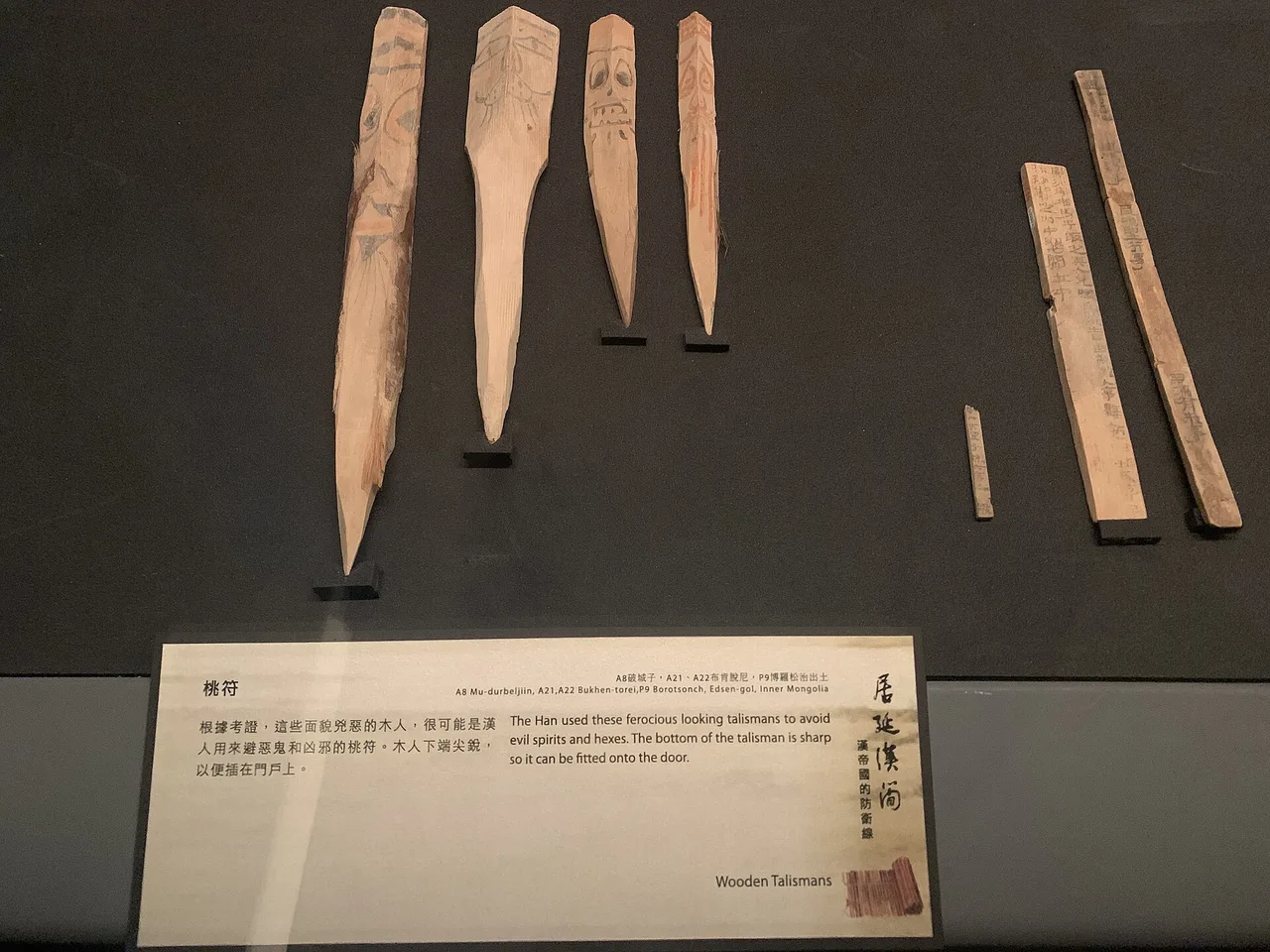
03. 3. Communication from Medieval to Early Modern: The Commoner's Ledger
Commoners had no right to use state horses or post buildings.
The Tang Code with Commentary set strict rules. Taking a state horse for personal travel brought one hundred blows with a heavy stick. Putting personal letters into state mail bags brought eighty blows. Farm taxes and unpaid peasant labor funded the post network. Because of this, the state banned ordinary farmers and town clerks from using it.
Poet Du Fu wrote during war: "Beacon fires burn three months deep; a letter from home is worth ten thousand pieces of gold." Common folk lacked an official post. They asked passing merchants, monks, or students to carry their letters. Mail often took years to arrive, or it was lost on the road.
This lack of public post lasted until the mid-Ming dynasty. Growing river trade in Jiangnan led to the rise of the private letter bureau (minxin bureau).
Writers often used an allusive expression to show how postal levies drained farm labor. At the borders, officers like a Department Vice Magistrate watched posts near mountain tribes like the Shanyue.
Imperial Monopoly Versus Civilian Disconnection
Rulers guarded post roads as secure military routes. They barred common folk from sending letters along state lines. Families had to rely on passing travelers for home news.
Commercial Rise of Private Letter Agencies
Private letter bureaus spread during the Ming economic boom. They hired riverboat couriers to haul civilian mail for copper cash. These agencies ran on fixed schedules and wrote cargo lists.
Evolution of Postal Speed, Costs, and Material Artifacts Across Dynasties
| Historical Era | Primary Delivery Network | Typical Beneficiaries | Average Delivery Speed | Base Tariff / Cost Basis | Key Security and Verification Artifacts |
|---|---|---|---|---|---|
| Han (Late Western Han) | Official relay lodges (chuanshe) and highway post-carriages | Imperial state documents, memorials from regional kings | 100–300 Han li/day (approx. 40–120 km) | State-mandated corvée labor; private usage barred | Clay seals (fengni), wooden and bamboo slips, lacquered cloth pouches |
| Tang (High Tang Kaiyuan) | 1,639 land and water stations under the Equipment Bureau, Ministry of War | Imperial edicts, military emergency reports, tribute (by special decree) | 180–500 Tang li/day (extreme limits: 600–800 li) | Official relay fields and tax revenues; 80 strokes of the stick for attaching private mail | Relay tallies (fuquan), scarlet-lacquered wooden boards, sealed green bamboo tubes |
| Northern Song (Yuanfeng era) | Express courier stations (jidi pu) and Golden Tablet relays | Urgent military administration from the Bureau of Military Affairs and Secretariat | Foot courier: 400 li/day; horse courier: 500 li/day | Manned by imperial palace guards; civilian letters still entrusted to traveling merchants | Lacquered wooden Golden Tablets (jinzi pai), scarlet silk mail satchels |
| Ming (Chenghua to Wanli) | Official post-stations plus riverboat couriers (shuike) and early private letter bureaus | Bureaucrats, Huizhou and Shanxi merchant networks, urban townsfolk | Water: 60–100 li/day; land: 50–80 li/day | Jiangnan local mail: 20–50 copper coins per letter | Sealing wax stamps, wooden letter-boards, oiled paper/cloth bags |
| Qing (Qianlong to Guangxu) | Commercial minxin bureau network and China Merchants' Steam Navigation Company | All social strata, inter-provincial remittance houses | River steamers: 1–2 days; inland post-horse crews: 80–120 li/day | Local city: 8–16 copper cash; inter-provincial: 50–200 cash (COD supported) | Specialized "tea tip" envelopes, serial cancel stamps, lead-type wax seals |
Under Ming and Qing rule, mail became an open market service with set prices. Families no longer had to rely on casual favors to send home news.
04. 4. How a High Tang Resident Sent a Letter: A Tianbao Ledger
Consider a student named Zhang living in Chang'an in 744 CE. He studied at the Imperial University. He wanted to send news and ten silver ounces to his family in Changzhou. He took these steps:
[Step 1: Procuring Writing Materials]
Walk to the Paper and Silk Guild in the East Market.
Purchase two sheets of sized Xuanzhou hemp paper (3 copper cash each) and half a stick of Huizhou pine-soot ink (25 cash): 31 cash.

[Step 2: Securing Commercial Channels]
Walk to the southern inns of Pingkang Ward.
Inquire with the Changzhou memorial liaison office or Huainan salt-and-iron transport merchants about departures.
Hire an East/West Market licensed broker to vet a merchant from the same prefecture; pay broker commission: 20 cash.

[Step 3: Letter Fee and Cargo Insurance]
Draft the letter and wrap it in moisture-resistant oiled silk.
Entrust the packet to the merchant, prepaying "shoe-leather and ferry money" (handling fee): 100 cash.
Hand over ten ounces of silver; merchant deducts a 3% insurance and transit risk discount: 300 cash.

[Step 4: Transit and Receipt Timeline]
Letter travels by cargo boat along the canal eastward into the Yellow River, turns south into the Bian Canal, and enters the Grand Canal toward Changzhou.
Typical transit time: 45 to 65 days. If storms, bandits, or silt stall the barge, the letter leaves no trace.
Sending this one packet cost about 450 copper cash. That sum equaled two weeks of food for a city craftsman. Grain cost only ten to fifteen cash per decaliter at the time.
Market Brokers and River Trade Networks
Students hired brokers to find reliable boatmen. Cargo barges sailed only when full. Because of this, small personal letters sat in river sheds for weeks.
High Costs and Risk of Transit Loss
A cost of 450 cash was steep for common folk. Wrecks, river bandits, and bad weather often wrecked cargo boats. Many letters vanished without a trace before reaching home.
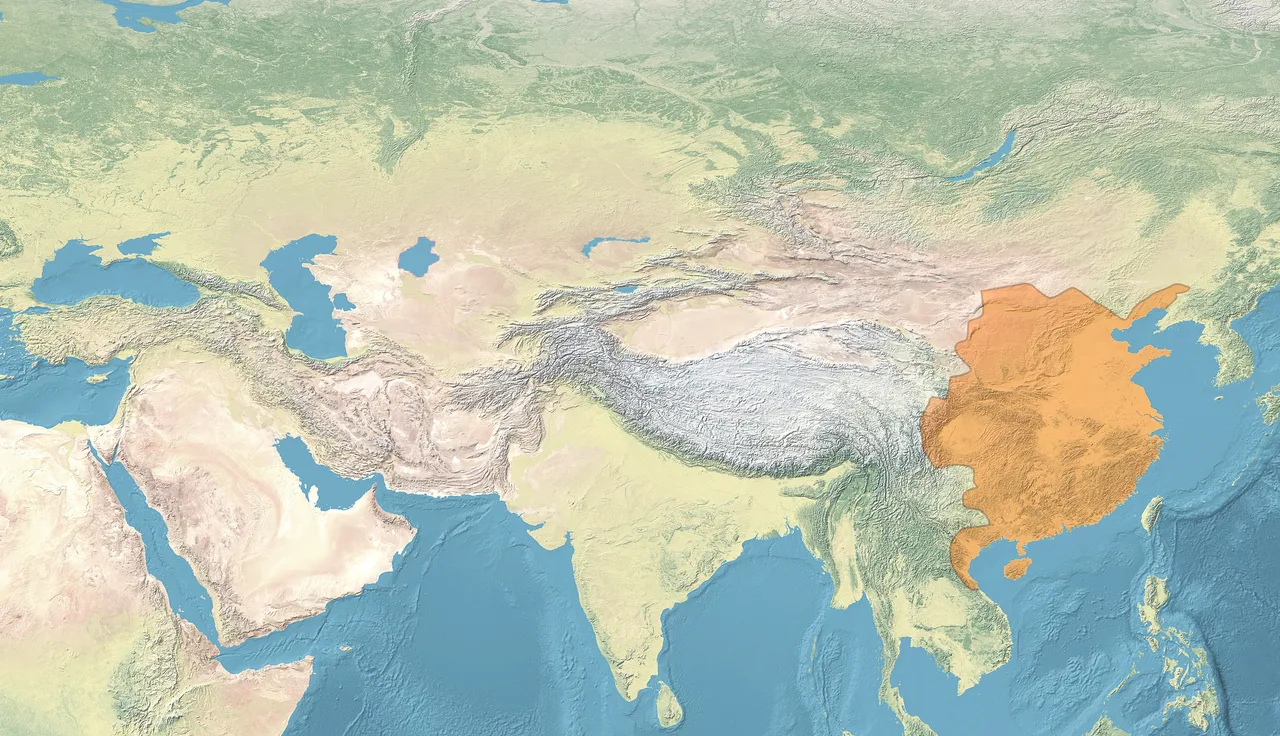
Imperial couriers moved fruit across high peaks in three days. Yet family mail crawled down rivers for two months. Tang communications served royal pleasures, not the public good.
Primary Sources & Historical Bibliography
- Standard Histories and Institutional Compendia
- Six Statutes of the Tang (Da Tang Liu Dian), Vol. 5, "Ministry of War: Director of the Equipment Bureau and Vice Director" (Imperial court edition, 738 CE).
- Ouyang Xiu and Song Qi, New History of the Tang (Xin Tang Shu), Vol. 46, "Treatise on Officials I," and Vol. 76, "Biographies of Imperial Consorts: Consort Yang."
- Zhangsun Wuji et al., Tang Code with Commentary (Tang Lu Shu Yi), Vol. 20, "Law on Capturing Absconders: Unauthorized Use of Relay Horses and Conveying Private Letters."
- Geographical Treatises and Literary Collections
- Li Jifu, Map Guide to Prefectures and Counties of the Yuanhe Era (Yuanhe Junxian Tuzhi), Vol. 30, "Shannan Circuit: Fuzhou."
- Cao Xuequan, Wide Records of Shu (Shu Zhong Guang Ji), Vol. 36, "Investigation of the Lychee Road."
- Su Shi, Lament for the Lychees (Lizhi Tan), in Collected Works of Su Shi, Vol. 6.
- Modern Historical Geography and Postal Studies
- Yen Keng-wang, Historical Geography of Transportation in the Tang Dynasty (Tangdai Jiaotong Tukao), 6 vols., Academia Sinica Institute of History and Philology.
- Zang Rong, Postal Relays and Communications in Ancient China (Zhongguo Gudai Yizhan yu Youchuan), Commercial Press.
- Xue Pingshuan, Historical Transportation Geography of Shaanxi (Shaanxi Lishi Jiaotong Dili), Shaanxi People's Publishing House.