Chinese Coordinates
—
Western / Mediterranean Coordinates
1080 CE (Eve of the High Middle Ages). Craft guilds begin taking shape across self-governing northern Italian city-states like Venice and Genoa, as Mediterranean trade centers revive scheduled daytime meal patterns inherited from imperial Roman traditions.
TL;DR · Core Takeaways
- The Limits of Fire and Grain: From ancient times through the Tang Dynasty, common people ate only two meals each day. They ate breakfast (yong) in the morning and dinner (sun) before dark. High fuel costs and low crop yields forced this routine.
- Cities Create the Midday Meal: Under Northern Song, fast-ripening Champa rice arrived, cheap iron woks spread, and night curfews ended. City workers stayed active past midnight. Because their workdays grew so long, midday snacks turned into a regular third meal.
- Old Habits in the Imperial Palace: Long after townspeople ate three meals, the Qing Dynasty Inner Court inside the Forbidden City kept an older habit. Manchus still ate two formal meals every day. Over time, meal counts reflected job routines and daily wages rather than simple hunger.
> Spatiotemporal Coordinates
> - Chinese Historical Coordinate: 1080 CE (Third Year of the Yuanfeng Reign, Emperor Shenzong, Northern Song). Bianjing tears down its enclosed ward walls; night markets operate until dawn, and a wage-earning urban populace emerges.
01. Dawn and Dusk Fires: The Cost Economics of the Han-Tang Two-Meal Regimen
Just past the fifth night watch (Wugeng) in 1080 CE, kitchen smoke and steam rose over Zhou Bridge in Bianjing (modern Kaifeng). Morning vendors cooked mutton pies, boiled tripe, and bean broth for cart drivers, traders, and street guards. To any person from the Han Dynasty or early Tang Dynasty, eating cooked food on city streets at noon or midnight would seem startling.
For over a thousand years, farming families lived on two meals. Ancient historical sources called these meals yong and sun. Ritual texts like the Liji noted that nobles kept fixed hours. People ate morning food between 7:00 and 9:00 AM, and afternoon food between 3:00 and 5:00 PM. Farm hands went to the fields at sunrise. After working for two hours, they walked home to eat warm grain porridge. They ate their second bowl of boiled grains before dark and put out the hearth fire.
Pre-Qin, Han, and Early Tang Two-Meal Daily Timeline:
[05:00 Dawn departure] ---> [07:30 Breakfast (Yong)] ---> [Midday field rest/water] ---> [16:00 Dinner (Sun)] ---> [18:30 Sunset / hearth cold / bed]
This schedule saved fuel and lamp oil. In ancient times, animal fats and plant oils cost too much for everyday use. Most commoners burned hemp seed oil or pork lard, but they could not burn lamps through the night. Putting out wood fires before dusk saved scarce timber. It also matched meal times with daylight farm work.
Government offices kept the same pattern. Frontier outposts in the Han dynasty gave guards two meals a day. In the Book of Han, Ban Gu noted that court staff worked shifts around two set eating hours. Later on, early Tang leaders in Chang'an enforced this system with tall ward walls and drum beats. When the night drum sounded, guards locked every gate. Night trade was illegal, so nobody could run evening food stalls.
| Historical Era & Social Group | Daily Meals & Timing | Primary Staple & Heat Source | Base Price / Ration Index |
|---|---|---|---|
| Han Dynasty Frontier Guard / Peasant | 2 meals: Morning (7–9 AM), Afternoon (3–5 PM) | Foxtail millet, boiled wheat (maifan), mallow stew; brushwood & twigs | Frontier ration: ~2 Han dan of grain/month (~1.5–2 modern jin/day); self-foraged fuel |
| Early Tang Dynasty Chang'an Commoner | 2 meals: Morning yong, afternoon sun; occasional cold noodles | Rice (south), wheat flatbreads (north); charcoal & dried firewood | Early Zhenguan reign: 3–5 copper coins per dou of rice; 1 bolt silk for 10+ dan in Kaiyuan |
| Northern Song Bianjing Wage Laborer | 3 meals + night market snacks: Dawn, Midday, Evening, Late night | Polished rice, leavened steamed cakes, mutton soup; mineral coal & thin-walled woks | Daily wage: 100–200 copper cash; three full meals cost roughly 30–50 copper cash daily |
| Southern Song Lin'an Merchant | 3 meals + teahouse pastries: Breakfast, midday noodle house, night market | Champa white rice, dim sum, minced fish soup; pinewood charcoal & coal | Rice: 1,000–1,500 cash per dan; street pastries: 5–15 cash per plate |
| Mid-to-Late Qing Dynasty Forbidden City Court | 2 formal feasts: Morning meal (6–7 AM), Afternoon meal (1:30–2:30 PM) | Northeast round-grain rice, wheat pastries, roast venison; premium court charcoal | Imperial kitchen logs allocate hundreds of pounds of meat monthly per consort; casual snacks between |
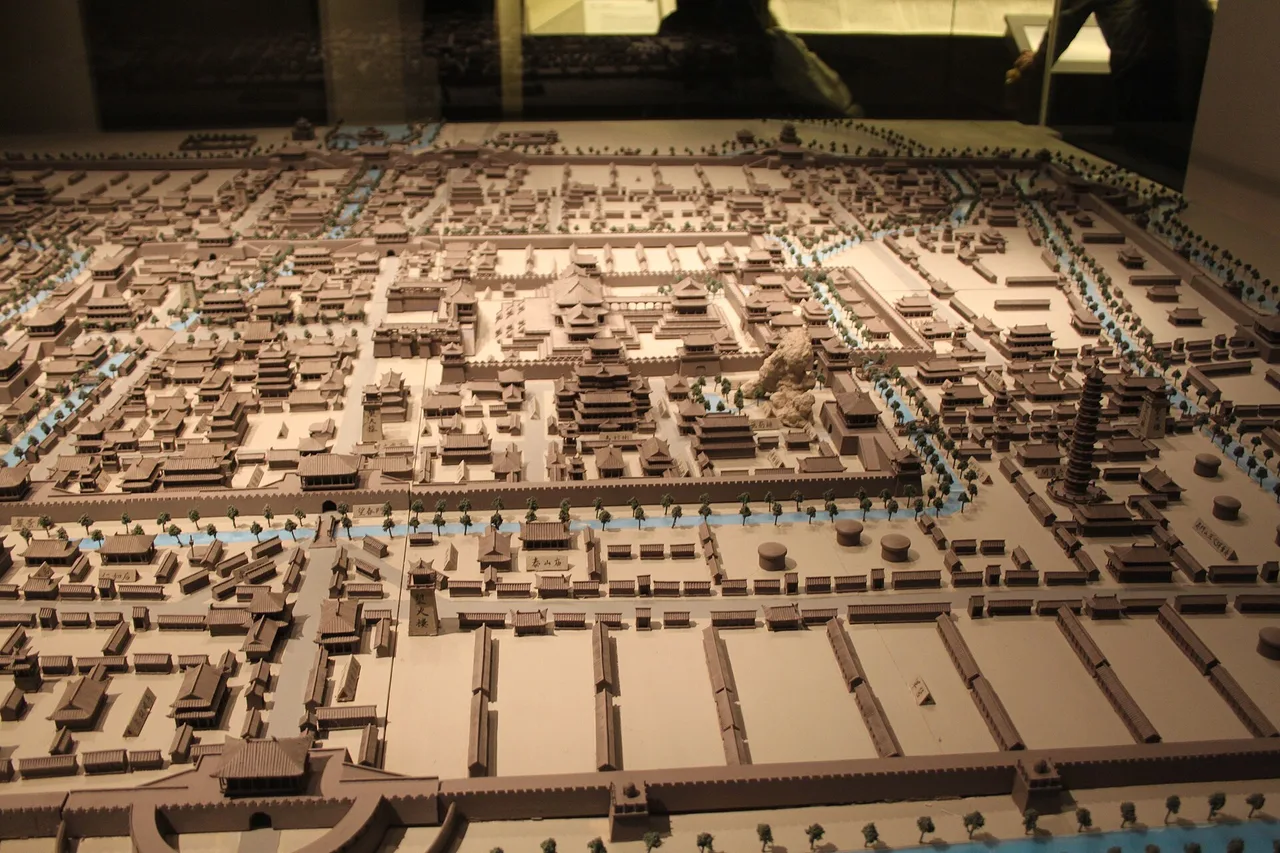
02. The Hearth Revolution: Champa Rice, Coal, and the Thin-Walled Iron Wok
Moving a whole society from two meals to three needed larger grain harvests and cheap heat. Better farming and metal tools during the tenth and eleventh centuries gave people the extra food they needed.
Fast-Ripening Seed Stocks and Surplus Grain
In 1012 CE, during the Dazhong Xiangfu reign, Emperor Zhenzong of Song learned about Champa rice from Southeast Asia. This crop survived dry spells and grew ripe in sixty days. The Imperial Court sent buyers south to bring back thirty thousand bushels of seed. Officials passed them out to farmers across southern river plains, along with printed guides showing how to grow the crop. Because it grew so fast, farmers planted winter wheat or early rice, then harvested a second crop in autumn on wet-rice fields.
These large crops pushed food prices down. In Dongpo Zhilin, Su Shi wrote that cheap rice boats kept grain markets steady. As grain moved along canals into Kaifeng, families no longer had to thin their bowls into watery soup. Steady grain stocks let people eat lunch every day.
Scaled Metallurgy and Rapid Stir-Frying
Cooking tools changed fast as well. Digs at Song dynasty smelting sites show many thin, wide iron pans. Older pots from the Han and Tang dynasties used thick clay or heavy bronze, which took a long time to heat. New iron woks spread heat in seconds.
Material Upgrade Sequence:
Deep pit-coal extraction ---> Spread of thin-wall woks ---> 80% reduction in thermal ramp-up ---> Fast high-heat stir-frying on demand
Cooks used these light woks with mineral coal. Because cities near the Eastern Capital cut down nearby woods, Kaifeng ran on coal brought in from northern mines. Zhuang Chuo wrote in Jilei Bian that city homes burned coal every day for water, tea, and meals. Coal burned hot and lasted long, making fire cheap. Home cooks and street vendors no longer spent hours blowing on damp sticks. They could cook a hot dish at noon in just a few minutes.
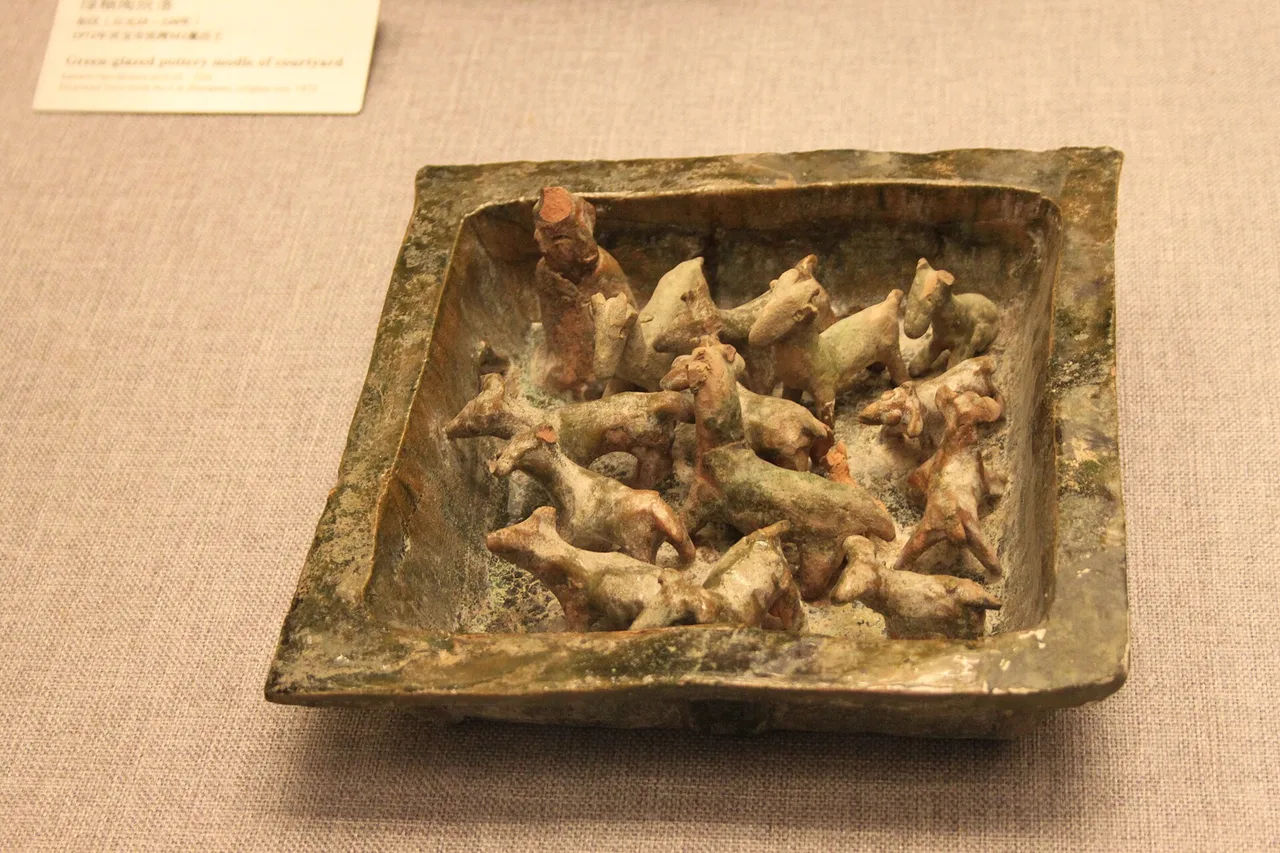
03. Sleepless Avenues: The Twenty-Four-Hour Rhythm of Bianjing and Lin'an
When city walls fell and night curfews ended, three meals turned into a standard city habit. In the painted scroll Along the River During the Qingming Festival, open noodle shops, wine houses, and large eateries stand side by side near bridges and city gates, flying signs over busy streets.
A Bianjing Artisan or Laborer's Daily Dining Cycle:
05:30 [Morning Market] ---> Zhou Bridge: mutton steamed flatbread & hot soybean broth (5–8 cash)
08:00 [Work Shift]    ---> Workshop bench, canal granary docks, or commercial guild counter
12:30 [Midday Lunch]   ---> Neighborhood tea bistro: noodles, dumplings, or chilled pasta (15–20 cash)
18:00 [Shift End]       ---> Performance yards (*wazi*), roadside dinner stalls (20–30 cash)
23:00 [Midnight Snack]  ---> Zhou Bridge night fair: braised poultry giblets & pan-fried white tripe (10–15 cash)
Meng Yuanlao described this busy city life in his book about the Eastern Capital. Song Kaifeng ran day and night. Early stalls sold steamed buns, hot mutton soup, and noodles before dawn. At midday, clerks, carters, and shop hands filled lunch stops for cold sesame noodles, meat gravies, and thin flatbreads. When evening arrived, food stands stayed open instead of closing.
Meng noted that the night market near Zhou Bridge stayed open past midnight and reopened before sunrise. Stalls on major streets worked through winter snow and heavy rain. Porters, boat rowers, stage actors, and merchants stayed out late. A craftsman working late into the night could not last on a small meal eaten at four in the afternoon. People needed lunch to bridge the day, dinner for the evening, and night snacks for late shifts.
When Southern Song set up its capital at Lin'an (modern Hangzhou), noon dining grew even more popular. In Mengliang Lu, Wu Zimu listed hundreds of lunch dishes, from stuffed roast buns to fish soup. In Southern Song books, the term dianxin changed from a word meaning a light bite into a name for daytime snacks and midday pastries.
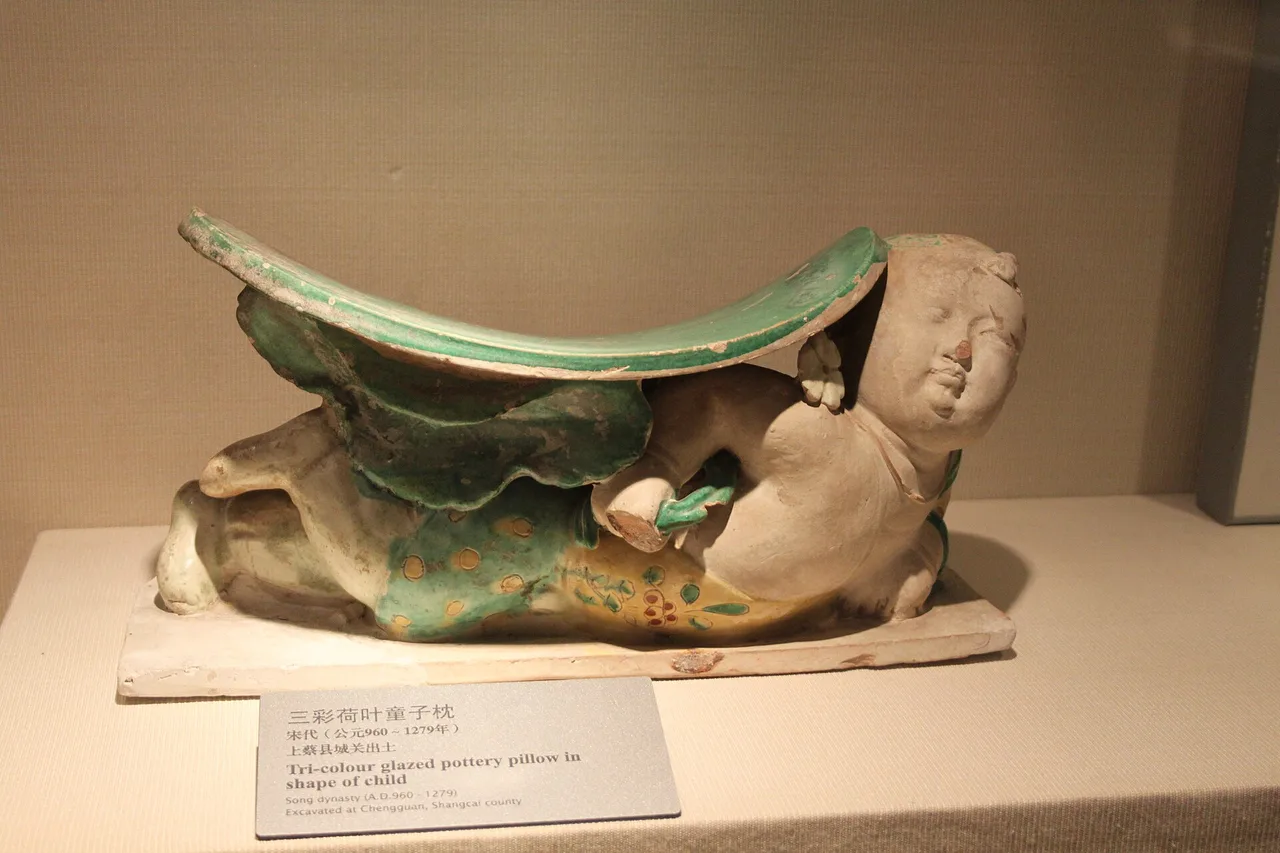
04. Ritual Precedents, Furrowed Fields, and Palace Walls
Even after three meals spread across Song cities, the custom did not reach every home right away. Daily life varied by job, climate, and court rules.
Out in farm hamlets, meal counts shifted with farm seasons. Through the Ming and Qing eras, northern farmers ate three meals during planting and harvesting, but went back to two meals in winter. Summer field labor took hard work, so family members carried hot food directly to the fields. When winter froze the soil, families rested on heated brick beds, eating two bowls of warm porridge each day to save grain and firewood.
Meanwhile, the imperial palace kept the older two-meal habit as an ancestral rule. Old kitchen records show that Qing rulers and imperial consorts ate only two formal meals inside the Forbidden City. They took breakfast between 6:00 and 7:00 AM, and dinner between 1:30 and 2:30 PM.
When an Emperor worked late on state files, palace cooks could not set up a third formal banquet without breaking old court laws. Instead, the Inner Court called for light snacks, such as dumplings, milk tea, or warm noodles. The court kept the two-meal routine to honor ancestral discipline. At the same time, laborers, traders, and shopkeepers across Lin'an, Suzhou, and Beijing bought warm food whenever they felt hungry.
Primary Sources & Historical Bibliography
- Urban Life and Song Dynasty Social History:
- Meng Yuanlao, Dongjing Meng Hua Lu (The Eastern Capital: A Dream of Splendor), especially Vol. 2 ("Foods and Confections"), Vol. 3 ("Maxing Street Establishments"), and Vol. 4 ("Night Markets"). An eyewitness record of street catering, stall hours, and merchant diets in late Northern Song Kaifeng.
- Wu Zimu, Mengliang Lu (The Dream of the Southern Capital), Vol. 13 ("Night Markets") and Vol. 16 ("Teahouses and Noodle Boutiques"). Crucial documentation on the variety of noon lunches and tea-dining during the Southern Song at Lin'an.
- Zhuang Chuo, Jilei Bian (Chicken Rib Chronicles), Vol. 2. A core source on coal extraction, fuel pricing, and domestic stoves in the capital.
- Official Treatises and Institutional History:
- Sima Qian, Records of the Grand Historian (Shiji), "Biographies of Ji An and Zheng Zhuang"; Ban Gu, Book of Han (Hanshu), "Treatise on Food and Money." Details on Han rationing systems and official shift rations.
- Fuca Dunchong, Yanjing Sui Shi Ji (Annual Customs of Yanjing); Qing Dynasty Imperial Household Department (Neiwufu), Shandidang (Imperial Kitchen Daily Expense Registers, Qianlong and Guangxu reigns). Official archives recording imperial dining timetables and small-dish supplements inside the Forbidden City.
- Quan Hansheng, The Tang-Song Empire and the Grand Canal (Shanghai Shudian). A landmark economic study tracing how early-ripening Champa rice altered transport networks and urban food supplies.
- Sun Ji, Material Culture of Ancient China (Zhonghua Book Company), Chapter on "Food and Drink." A material and archaeological breakdown of the transition from heavy earthenware steamers to thin-walled iron woks and milling machinery.