Chinese Coordinates
The third year of the Yuanfeng reign of the Northern Song, Northern Song (1080 CE), at the outer city Zhou Bridge market in Bianjing (modern Kaifeng), where summer heat rose past thirty-five degrees Celsius; the twentieth year of the Wanli reign of the Ming dynasty (1592 CE), along the wholesale guild streets outside Changmen Gate in Suzhou.
Western / Mediterranean Coordinates
Waterfront warehouses in Byzantine Constantinople, and public fish and meat stalls across maritime Genoa and Venice.
TL;DR · Core Takeaways
- A Zero-Waste Plant-Fiber Loop: Butchers and fishmongers bound cuts of meat and strung live fish using wet rice straw and reeds. Cooked foods traveled inside folded lotus leaves and tough tree-bark paper. Shoppers brought their own jars for oil, wine, and soft bean curd.
- Cool Domestic Wells and Ice Warehouses: Normal homes hung tin pots inside deep wells, using the cool air above the water line like a small cold chest. Big city taverns bought blocks of winter river ice to keep raw fish chilled during hot months.
- Drying, Salting, and Smoking: Long storage relied on sun drying, salt rubs, and wood smoke. These steps stopped bacteria by pulling out water and coating meat surfaces with protective smoke vapors.
01. Dawn at the Bianjing Meat Stalls: How to Buy Two Pounds of Pork and Half a Pint of Wine
On a hot summer morning in 1080 CE, during the Yuanfeng era of the Northern Song, Northern Song, the meat market south of Zhou Bridge in Kaifeng was already busy. Well water washed blood from the paving stones as vendors set up their tables. Shoppers carried strings of bronze coins into a market that had no plastic bags, paper trays, or plastic wrap.
At the butcher counter, an iron blade sliced through a slab of pork belly. The butcher picked a wet strand of rice straw from a bucket of water. He took a bone awl, punched a clean hole through the tough skin, threaded the straw through, and tied a small loop. The buyer slipped a finger through the loop and carried the cut away without getting grease on his fingers. A few stalls down, a fish seller did the same thing with a live carp. He threaded a river reed through the gills and out the mouth, tying it fast. The fish stayed alive and fresh on the walk home.
Packaging changed when cooks sold warm, ready-to-eat dishes. At a cooked meat stall, the seller placed warm spiced lamb on a large, clean lotus leaf. He folded the leaf into a parcel, wrapped it in tree-bark paper, and tied it with hemp cord. The leaf kept the meat moist and stopped juices from leaking through the paper.
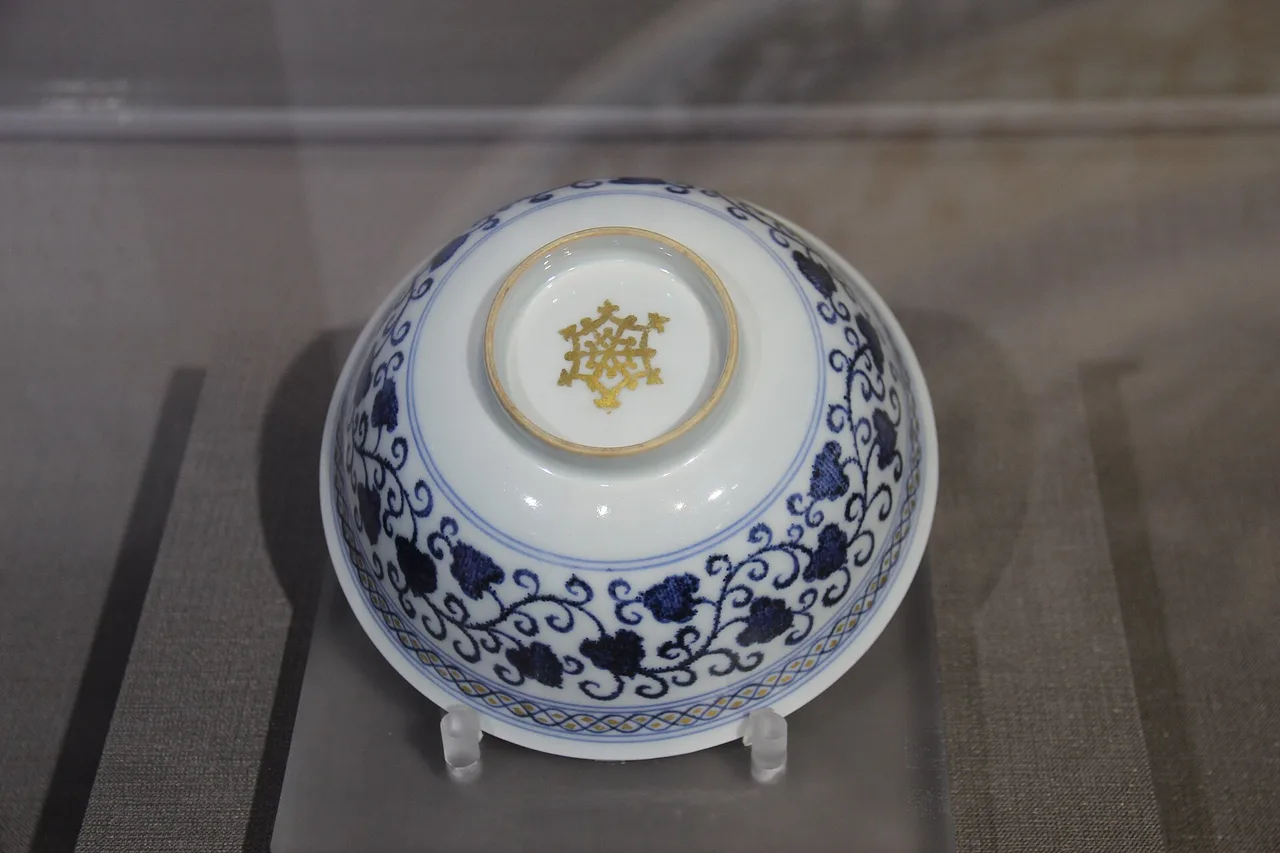
Shoppers carried their own containers for wet foods and soft bean curd. A shopper kept two wide clay bowls and a wine jug inside a woven market basket. The seller placed a fresh block of soft bean curd directly into one bowl so it would not break apart. At the wine shop, the clerk took the customer's jug, drew wine from a vat with a bamboo cup, poured it in, and pushed a square of oiled paper into the neck to keep it from spilling. Natural plant fibers, simple clay pots, and home baskets handled all daily shopping.
02. Summer Cooling: Subterranean Well Pockets and the Urban Ice Trade
Once raw meat and live fish reached home, cooks had to keep them safe from summer heat. In small city homes, rooms grew hot fast. Fresh cuts left out on a wooden table spoiled in a few hours.
Everyday Mechanics: The Ten-Meter Subterranean Air Chamber
Most city homes could not buy ice, so they used the family well as a cold box.
Deep underground, soil and rock stay cool all year long. Air down a deep well stays between twelve and fourteen degrees Celsius. After lunch, a cook put leftover broth and uncooked meat into a tin pot with a tight lid. She tied hemp rope to the pot handles and lowered it down the shaft.
The pot did not touch the water. If it sank into the water, grease could spoil the drinking supply. Instead, she tied the line so the pot hung about one foot above the water level. Cold, heavy air gathered at the bottom of the shaft, chilling the pot and keeping food fresh until dinner. When she pulled the pot up at dusk, the metal was cold to the touch and melon slices inside stayed sweet and crisp.
Taverns and Mansions: Commercializing the Winter River Freeze
Rich estates, large dining halls, and the Imperial Court used winter ice to cool food on a grand scale. Official court texts like the Rites of Zhou show that early dynasties used ice stewards under the Minister of State. By the time of the Northern Song, Northern Song, cutting and selling ice had grown into a large city business.
During midwinter freezes, ice on the city canals and lakes grew over a foot thick. Business teams hired groups of workers to cut large ice blocks with heavy iron bars. Carts moved these blocks into deep storage pits dug into the ground. Workers spread straw, wheat hulls, and sawdust along the dirt floors and walls to keep heat out. They stacked the blocks close together, covered them with more straw, and piled earth on top. Even after spring came, more than a third of the ice survived into the hot summer months.
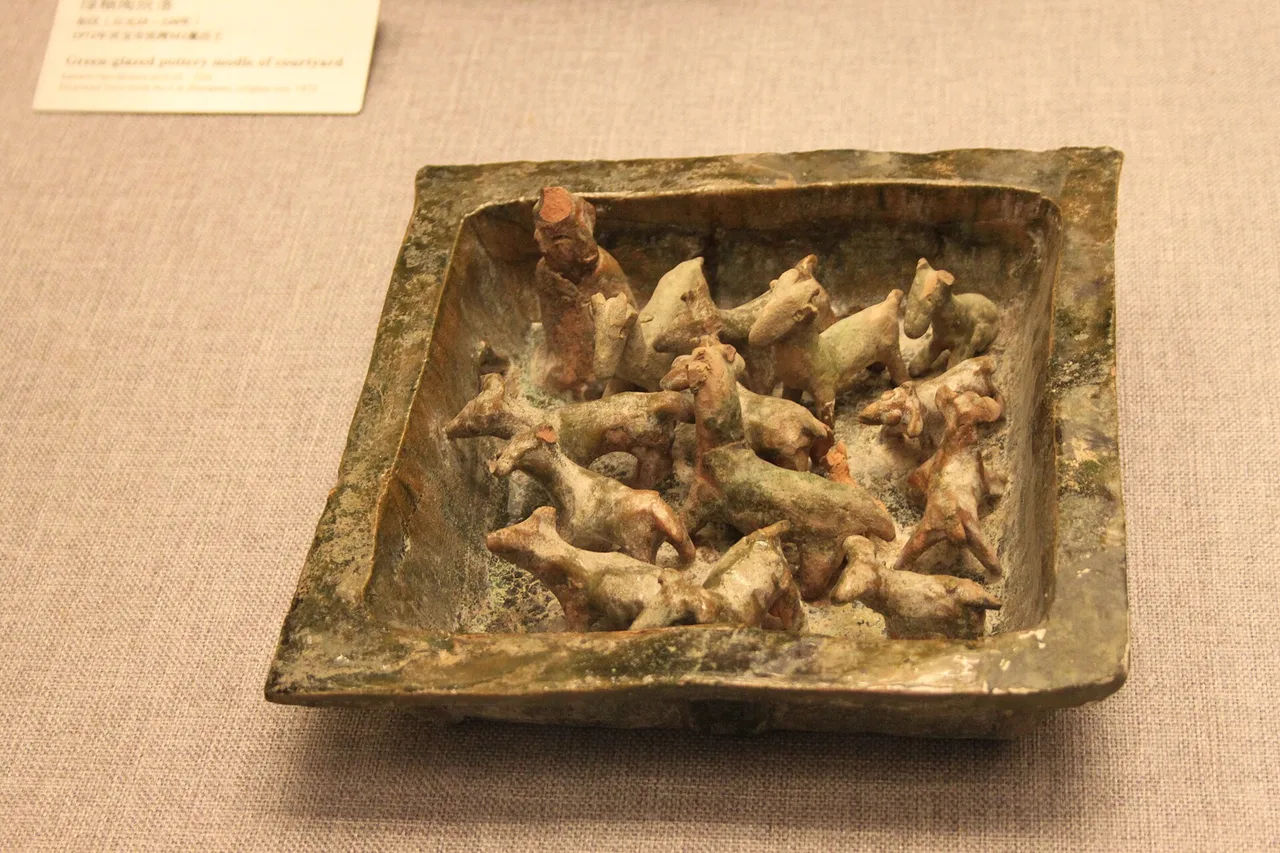
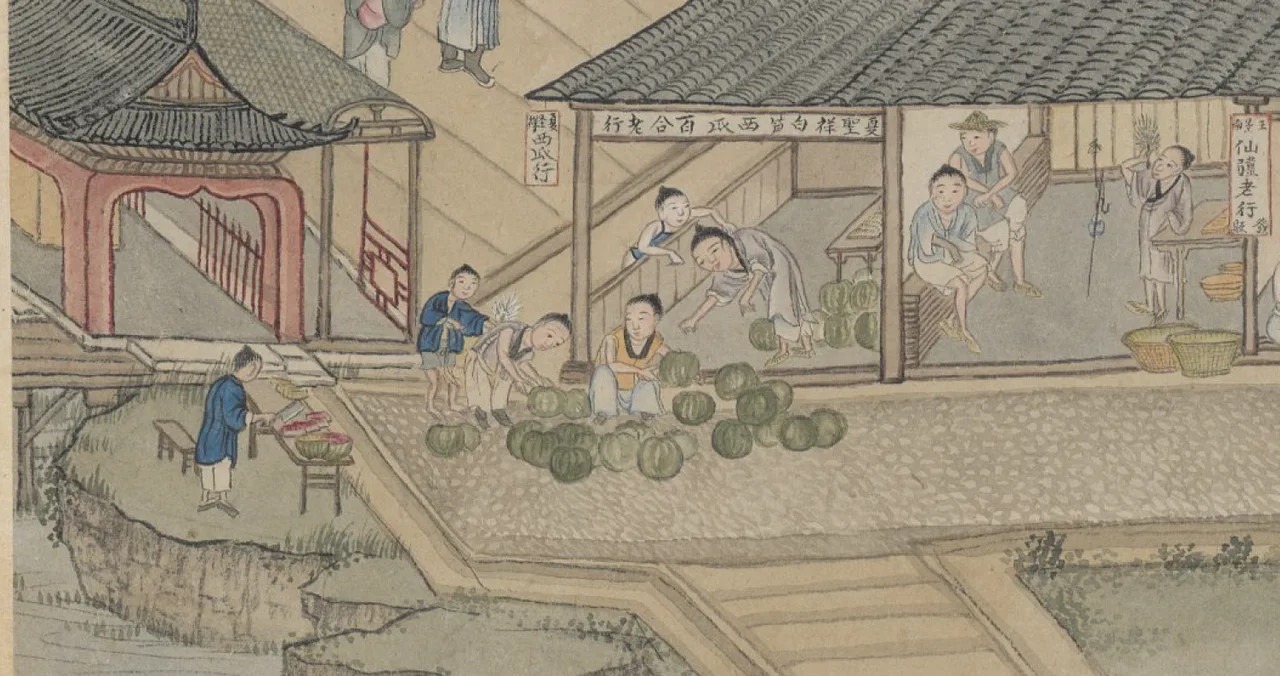
When summer hit Kaifeng, street stalls sold bowls of crushed ice with sweet fruit syrup. Top restaurants like the Fan Tower bought fresh cartloads of ice each morning. Kitchen workers rinsed away the sawdust and placed the ice into large, double-walled wooden chests lined with tin. Cooks set platters of raw fish and sliced meats directly on the ice, keeping them cold and fresh right through the lunch rush.
03. Material Costs and Preservation Gear Across Dynasties
Packaging and cold storage matched the local tools and daily wages of each era. The table below compares common packaging tools, prices, and daily wages from the Han through the Qing periods:
| Historical Era | Common Packaging & Storage Gear | Representative Market Cost / Materials | Average Unskilled Daily Wage | Physical & Technical Mechanism |
|---|---|---|---|---|
| Han Dynasty (Guanzhong Plain) | Oil-soaked hemp sacks; twin-handled grey earthenware jars | Grey ceramic jar: ~12–20 copper cash; large hemp sack: 30 cash | Hired laborer wage: ~20–40 copper cash | Dense clay keeps liquids inside; dry cloth bags keep out dirt and insects |
| Tang Dynasty (Chang'an Markets) | Mulberry-bark paper; twisted raw hemp cord; glazed white ceramic bowls | Mulberry-bark paper: ~25 copper cash per hundred sheets | Municipal day laborer wage: ~30–50 copper cash | Tough plant fibers stay strong when damp; glossy glaze keeps liquid out |
| Northern Song (Bianjing / Kaifeng) | Split bamboo carry-baskets; water-soaked rice straw; winter river ice | Split bamboo basket: 15–30 wen; retail crushed ice: 3–5 wen per pound | Urban imperial guardsman / laborer wage: ~100–150 wen | Strong straw ties carry heavy meat; melting ice cools food below five degrees Celsius |
| Mid-Ming Dynasty (Jiangnan Market Towns) | Tung-oil water-resistant paper; double-walled tin-lined wooden ice chests | Tung-oil paper: 2 wen per square foot; household tin-lined ice chest: ~1.2 taels of silver | Urban silk loom weaver daily wage: ~0.04–0.06 taels of silver | Oil coating sheds water; clean tin lining will not rust or alter flavors |
| Late Qing Dynasty (Inner Beijing) | Sun-dried rush leaves; sealed tin canisters for well suspension | Wild rush leaves: negligible cost; custom lidded well canister: ~400–600 wen | Capital coolie / cart-puller daily wage: ~120–200 wen | Tight metal cans keep out moisture; cool well air slows food decay |
04. Molecular Preservation: Dehydration, Salt Saturation, and Wood Smoke
Ice and deep wells only worked for a few days. When farm families had to store a whole pig, manage a big fish catch, or feed troops on the road, they used three simple preservation steps: drying food in the wind, rubbing cuts with heavy salt, and hanging meat in thick wood smoke.
[The Tripartite Chemical Barrier]
  ├── Sun & Wind Curing ──── Strips free water; lowers moisture to halt bacteria and mold
  ├── Salt Osmosis ──────── Creates high extracellular pressure, dehydrating microbial cells
  └── Hardwood Smoking ──── Deposits guaiacol and formaldehydes, denaturing surface proteins
Osmotic Shock and Air-Drying
Bacteria need water to live and grow. In the Southern Song work Record of the Strange by Hong Mai, as well as Ming farming manuals like the Agricultural Book, writers explained how meat sellers handled unsold pork during hot weather.
Butchers rubbed coarse salt deep into fresh pork cuts. When salt entered the meat, it drew water out of bacterial cells. The dried-out cells could no longer grow. Cooks then hung the salted slabs under open roof eaves where north winds blew through. The steady draft dried the meat further, leaving it too dry for common rot to take hold.
The Phenolic Shield of the Southern Hearth
In the wet hills of Huizhou, Jinhua, and western Hunan, high humidity made air-drying difficult. Instead, families hung their cured meat above the home cooking fire.
Slabs of pork hung on wooden poles above open hearths. Day after day, smoke from burning pine, cypress twigs, and rice hulls drifted upward through the meat. This smoke contained natural wood chemicals that cured the surface. The heat and smoke formed a dry, tough outer crust on the pork. This crust kept flies and mold spores out, while the smoke vapors killed bacteria. Slabs of cured ham could hang safely in an open kitchen for more than a year.
Green vegetables underwent similar care. Heavy salting and natural pickling turned greens into long-lasting preserved vegetables, which families packed into clay jars. Tea leaves and dried fruit rested in stone jars over lumps of quicklime to keep them bone dry. Without modern tools, these steps matched the salt-curing and smoking methods used across Europe and the Mediterranean.
05. A Time Traveler’s Market Trip: Summer Dinner for Three in the Song Dynasty
Here is how an ordinary shopper in Kaifeng during the Northern Song, Northern Song bought and stored dinner on a hot summer day:
[Morning Market Run]
06:30 Leave home carrying a bamboo basket, two glazed ceramic bowls, and a clay jug.
06:45 Buy 1.25 pounds of pork belly (35 wen); the butcher loops a soaked straw rope through the rind.
07:00 Buy a 1.5-pound living grass carp (28 wen); the fishmonger threads a tough marsh reed through the gills.
07:15 Buy a half-pint of table wine (15 wen); the tavern keeper fills the jug and plugs it with oiled paper.
07:25 Buy a block of fresh soft tofu (4 wen); the vendor slides it directly into one of the ceramic bowls.
07:40 Buy a reconstituted dried lotus leaf (1 wen) to wrap extra scallions and wild herbs.

[Afternoon Home Storage]
08:00 Rinse blood and dirt from the fish and meat with cold well water; divide portions for today and tomorrow.
08:15 Slice tomorrow’s pork, rub with fine salt, and lock the lid of the two-handled tin jar.
08:25 Lower the jar down the well with hemp rope, tying it so the pot hangs one foot above the water.
08:35 Place tonight’s live fish in a clay basin filled with cold well water in a breezy hallway.
17:30 Pull the tin jar out of the well before dinner; the pork is cold, clean, and smells sweet.
From canal reeds to cool well shafts and smoky kitchen rafters, imperial Chinese homes solved daily food problems with materials around them. They used wild plants to carry food cleanly, cool ground air to chill meals, and salt and smoke to stop decay. These simple choices kept large cities fed through long summer days without waste or modern machines.
Primary Sources & Historical Bibliography
- Official Treatises and Institutional Regulations
- Rites of Zhou, Vol. 2, "Office of Heaven: Minister of State" ("Ice Stewards"): Rules for ice collection, cellar storage, and summer ice handouts managed by the Affairs Supervisor in the Imperial Court and for nobles such as the Prince of Ning.
- History of Song, "Treatise on Food and Money," Part II ("Tea and Salt"): Rules on state salt sales and trade laws that shaped how homes preserved fish and pork.
- Collected Statutes of the Qing Dynasty, "Ministry of Works: Bureau of Water Communications": Work schedules and size records for official ice cellars across Beijing and the Forbidden City.
- Urban Miscellanies and Material Handbooks
- Meng Yuanlao, The Eastern Capital: A Dream of Splendor, Vol. 2 ("Food and Fruit") and Vol. 3 ("Zhou Bridge Night Market"): Eyewitness notes on food packaging, wine sales, cold summer drinks, and raw fish care in Kaifeng.
- Wu Zimu and Zhou Mi, Miscellanies on Southern Song Lin'an (Hangzhou): Records of street food vendors, bamboo carry gear, and summer cold storage.
- Song Yingxing, The Exploitation of the Works of Nature, Treatise 13 ("Paper Manufacture") and Treatise 17 ("Fermentation"): Covers paper strength, vegetable fiber processing, and protective tung-oil seals.
- Gu Lu, The Splendors of Suzhou, Vol. 6 ("Morning Ice" and "Well Storage"): Daily habits in Jiangnan for cooling summer melons and keeping meat fresh down household well shafts.