Chinese Coordinates
—
Western / Mediterranean Coordinates
- Western / Mediterranean Coordinate: Late Roman Republic to early roll toilet paper patents (2nd century BCE–early 20th century CE)
TL;DR · Core Takeaways
- Smooth wooden slats ruled latrine hygiene for over a thousand years: From the Western Han post at Dunhuang to Eastern Han wells in Changsha, planed wooden scrapers were standard tools.
- The Song dynasty coarse paper boom opened access for commoners: While old elites reused waste sheets, cheap straw paper spread during the Southern Song. This put bathroom paper in working homes.
- Palace staff managed waste with a dry-separation routine: Rather than using deep pits, the Ming and Qing Imperial Court used soft bark paper and chamber commodes filled with dry pine sawdust.
> Spatiotemporal Coordinates
> - Chinese Chronological Coordinate: Establishment of Hexi commanderies in Western Han Western Han Dynasty Yuanshou 2 (121 BCE) to Qing Xuantong 3 (1911 CE)
At dawn in 1080 CE, outside Xiangguo Monastery in the Northern Song capital Bianjing, nightsoil workers hauled wooden buckets through the fog. Nearby stalls sold rough straw paper for three to five copper coins per hundred sheets. A resident of the Eastern Capital could tend to morning needs without scraping raw skin with wood. Yet before this trade took shape, people relied on much rougher tools.
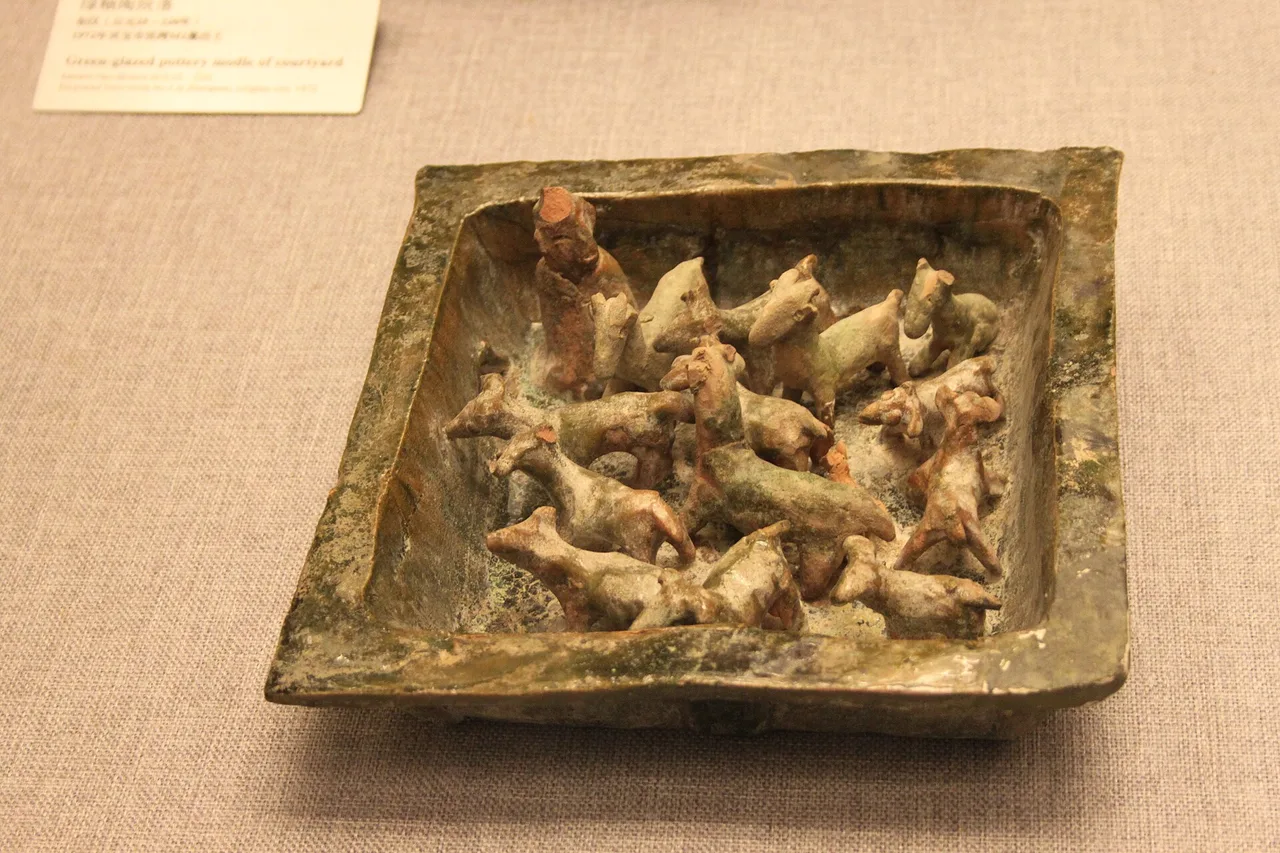
01. From Xuanquanzhi Slats to Roman Sponges: The Millennium of the Latrine Stick
Before paper spread, both princes and soldiers cleaned themselves with planed wooden spatulas. These tools, called latrine slips, were fifteen to twenty-five centimeters long and one to two centimeters wide. Workers smoothed every edge with stones to stop splinters.
Digs at the Xuanquanzhi post station in Dunhuang revealed hundreds of these sticks in dry dirt pits. Many still showed organic stains. Similar pieces turned up at Loulan along desert roads and in Eastern Han wells in Changsha. Busy offices used thousands of wooden slips every month. When old clerical files lost value, clerks trimmed the wood into bathroom scrapers.
Buddhists set clear rules for making and washing these tools. Volume 35 of the Dharmaguptaka Vinaya, translated under the Later Qin dynasty, guided monks in daily life. Monks could not use rough branches or green timber. Each slip had to be planed smooth. After use, monks washed the spatulas in clean tubs and dried them in the sun. In northern farm villages where bamboo was rare, farmers used dry straw or leaves instead.
In the Mediterranean, Roman public toilets used a different tool. Patrons shared a sea sponge tied to a short stick, called a tersorium. They sat on stone benches and rinsed the shared sponge in salt water troughs. Because these shared sponges sat in standing water, they spread gut worms between bathers. By contrast, Chinese wooden scrapers were personal tools. Monks boiled them to stop sickness, and soldiers threw them away after use.
Evolution of Cleaning Media, Estimated Material Costs, and Social Adoption
| Dynasty and Era | Primary Cleansing Medium | Estimated Unit Cost or Effort | Typical Social Strata | Archaeological or Textual Evidence |
|---|---|---|---|---|
| Western Han to Eastern Han (202 BCE–220 CE) | Planed bamboo scrapers, hemp cords, earth clods, leaves | Made from local wood; zero cash cost | Conscript soldiers, farmers, local kings | Slats from Xuanquanzhi privy pits; stone seated toilets at Mangdang Mountain |
| Northern Qi to Tang (550–907 CE) | Elites used blank scrap paper; monks used wood spatulas | Hemp paper was dear; blank waste paper stayed rare | Blank scrap paper for nobles; scrapers for monks and soldiers | Family Instructions of the Yan Clan; monastic rules in Dharmaguptaka Vinaya |
| Northern Song to Southern Song (960–1279 CE) | Rice straw paper spread fast; temples hired privy cleaners | Rough straw paper cost 3–5 coins per 100 sheets | Town workers, shopkeepers, country scholars | Price notes in Record of the Millet Dream; Southern Song paper mill tax logs |
| Mid-to-Late Ming (1368–1644 CE) | Bamboo paper in town shops; palace offices made bark sheets | Common bamboo paper cost very little; court ordered huge stacks | Soft paper for palace rooms; cheap bamboo sheets for commoners | Notes from History of Ming; Ministry of Works quota rolls for palace rooms |
| Mid-to-Late Qing (1644–1911 CE) | Soft straw paper in cities; commode boxes filled with ash | City straw paper cost 6–10 coins per bundle; ash ordered monthly | Warm cotton-mulberry sheets for rulers; straw paper for workers | Imperial Household Department supply rolls; palace maid memoirs |
02. Paper Enters the Latrine: Medieval Taboos and the Song Cheap-Paper Revolution
The earliest clear text about paper in latrines dates to the late 6th century. In his book Family Instructions of the Yan Clan, the Northern Qi scholar Yan Zhitui wrote a strict rule for his family: "When I read the words of ancient sages, I treat them with care. Discarded paper that bears classical prose or text from the Interpretation of the Classics, I dare not soil in the privy."
Yan's rule shows two shifts. By this era, noble homes across the Northern Dynasties often used old paper in the washroom. But because making mulberry paper took slow hand work, readers treated the written word with deep care. They only used blank margins or scrap paper without text.
In the 9th century, the Arab merchant Sulaiman saw Chinese habits while visiting southern ports. He wrote that people in China wiped themselves with paper rather than washing with water. This shows that port merchants in late Tang cities used paper daily. But on inland farms and post roads, field hands still carried wooden scrapers.
The big shift came under the Southern Song. Paper makers along southern rivers used rice straw, wheat stalks, and young bamboo. They skipped slow bleaching and pest treatments. Their simple workshops turned out rough, yellow sheets called coarse straw paper.
In Record of the Millet Dream, writer Wu Zimu listed goods sold in southern shops. Rough straw paper sat on shelves with salt, oil, and rice. A pack of one hundred sheets cost only three to five copper coins. An ordinary day laborer earned fifty coins a day. This cheap supply ended the long use of wooden scrapers.
03. Odor Control in the Imperial Palace: The Ming Paper Bureau and Qing Commode Etiquette
During the Ming era, under rulers such as Ming, supplying palace hygiene goods became an official job. The early Ming court ran the Paper Money Bureau. The History of Ming records that this shop first printed paper bills. When paper cash lost value, the workers made soft hygiene sheets for the Inner Court.
A Grand Master or Chancellor of State might admire fine books, but the court also valued clean paper. Attendant Liu Ruoyu wrote that palace craftspeople used soft mulberry bark to make lint-free sheets. These yellow slips were brought to palace rooms each week. Unlike town paper, they had no stiff stalks or dirt specks.
The Qing Inner Court used a dry system to stop smells. To keep the air clean, builders raised the Forbidden City without open latrine pits. The Emperor, empresses, and consorts used mobile wooden commodes called chamber boxes.
Qing Dynasty Imperial Commode Protocol
- Base Layering: A Palace Eunuch filled the bottom of a sandalwood commode box with two inches of dry pine shavings and sifted ash.
- Softening the Paper: Hand-cut bark sheets were held over light herbal steam to soften their fibers, smoothed with a warm iron to drop creases, and set in a lacquer box.
- Transmission of Edicts: When a ruler gave the word for the transmission of edicts to bring the commode, Palace Eunuchs carried the box inside a yellow silk cover to the bedroom.
- Immediate Encapsulation: As waste fell into the box, dry pine ash coated the waste, cut off air, and sealed away smells.
- Sealing and Removal: Attendants placed a tight wooden lid on the commode, covered it with silk, and carried it out the north gate. Servants washed the box, dried the wood, and packed fresh ash for the next call. A junior clerk like Jizhi would check the daily logs.
This process stayed the same through the late Qing era. Memoirs from maids who served Empress Dowager Cixi match the dragon-carved boxes in the Palace Museum. Long before modern sewers reached northern towns, dry ash and pine shavings kept palace rooms clean and free of bad smells.
Primary Sources & Historical Bibliography
- _Dharmaguptaka Vinaya_ [Four-Part Vinaya], Vol. 35, "Miscellaneous Matters" (trans. Buddhayaśas and Zhu Fonian, Later Qin): Shows early rules for carving, washing, and storing wooden latrine scrapers.
- _Family Instructions of the Yan Clan_, "Miscellaneous Arts" (by Yan Zhitui, Northern Qi): Details paper taboos and shows that nobles reused blank scrap paper by the late 6th century.
- _Record of the Millet Dream_, Vol. 13, "Market Stalls and Retail Shops" (by Wu Zimu, Southern Song): Lists the sale of rough straw paper in Lin'an alongside nightsoil collection.
- _Discretionary Records_, Vol. 16, "Duties of the Inner Court Bureaus" (by Liu Ruoyu, Ming): An eyewitness account of how Ming shops made royal toilet paper.
- _The Complete Collection of Treasures of the Palace Museum: Daily Life in the Qing Imperial Court_ (ed. Palace Museum, Commercial Press): Gathers logs and photos of royal commode boxes and wood ash supplies.