TL;DR · Core Takeaways
- A skilled craftsman earned only 10 to 18 silver taels from a full year of hard work. Imperial workshop records show daily pay of 30 to 60 copper coins for masons and carpenters. This brought in less than 15 taels over a 300-day year.
- A tip of five silver taels matched half a year of earnings. Official county bailiffs received a state allowance of just 6 taels per year, while Green Standard infantrymen earned 1 to 1.5 taels per month. Leaving five taels at a teahouse would spark fear of stolen goods rather than joy.
- High food costs left regular homes vulnerable to sudden ruin. Families spent over 70 percent of their money on grain. Even if low grain prices helped them in good years, a drought or sickness wiped out their savings fast.
Spatio-Temporal Coordinates
- Chinese Historical Anchor: From the 6th year of the Wanli reign in the Ming dynasty (1578, when Zhang Juzheng carried out the Single Whip Law) to the 30th year of the Qianlong reign in the Qing Dynasty (1765, when the Qianlong Emperor stayed in Suzhou on his southern tour). This era shows the full shift to silver and the dual-currency system of silver and copper.
- Western / Mediterranean Anchor: From Spanish silver from Potosi moving into trade through Manila galleons (1570s) to the dawn of the Industrial Revolution, when Adam Smith published The Wealth of Nations (1776).
Morning mist hangs over the Grand Canal outside Changmen Gate in Suzhou in 1588, the 16th year of the Wanli reign. Porters and masons gather near a bridge tea stall. They eat cold bread while waiting for labor bosses to hire them to repair barges and silk mills. A master carpenter working all day on high scaffolding cuts joints for just 40 copper cash, along with two small cups of plain rice. If a traveler in fine silk walked into a tavern, ate a cheap bowl of noodles, and dropped a bright five-tael silver shoe on the table as a tip, the crowd would stare with worry rather than joy.
Television shows often show bold travelers tossing silver ingots to tavern waiters without care. Yet in real life, silver carried immense buying power. As early as the Records of the Grand Historian, writers tracked how metal money moved through markets. Even an External Secretary keeping court books knew that silver was rare in street stalls.
01. The First Ledger: What Did a Common Laborer Actually Earn in Silver Each Year?
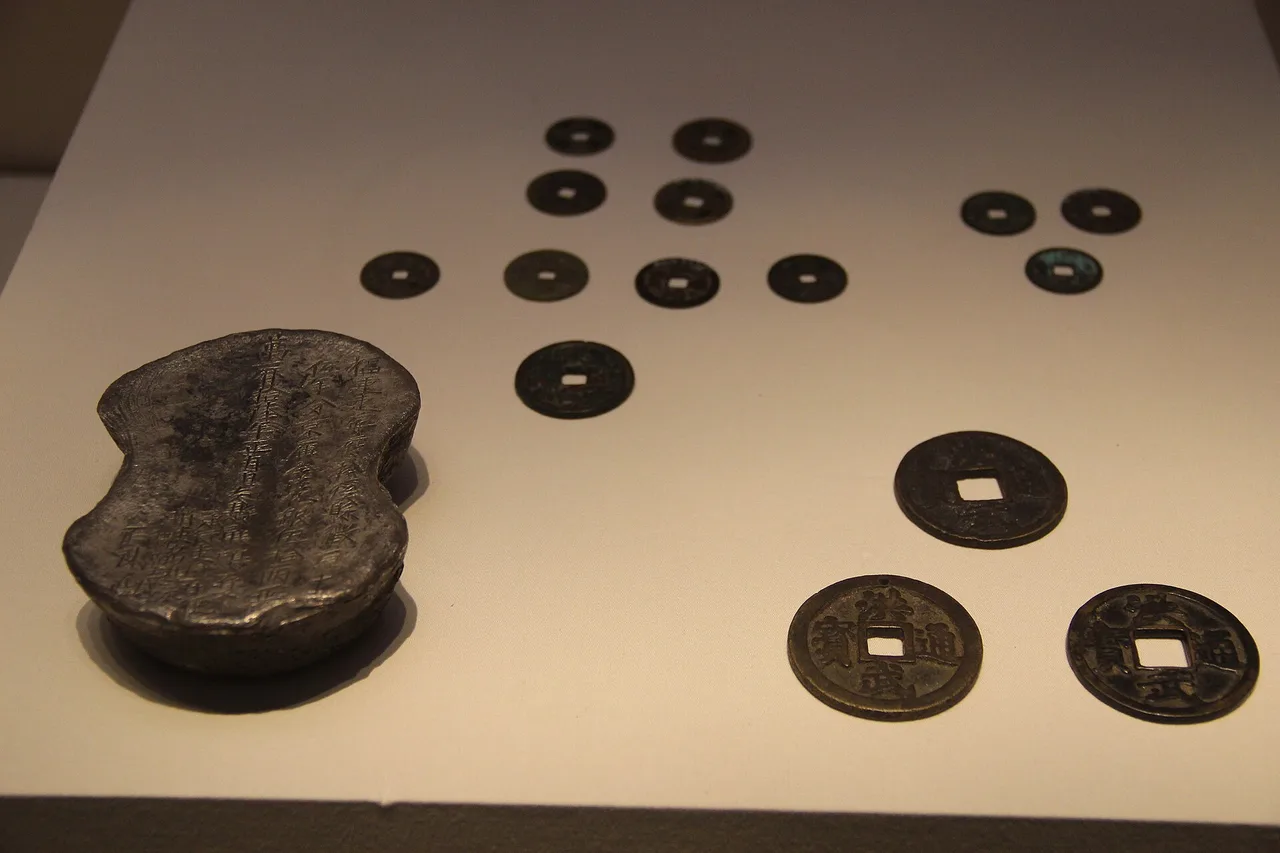
To see the real value of five taels, we must look past modern paper money. After American silver arrived through the Manila trade and the Single Whip Law reformed Taxation and Corvée, Chinese markets used two kinds of money. Daily food and minor tools ran on cast copper coins. Large land sales, tax bills, bulk goods, and long trips required weighed silver pieces.
Daily Wage Rates in Imperial Archives and Official Workshops
Workshop logs from the Qing court and purchase records from the Ming Ministry of Works show clear pay rates for skilled workers:
- Urban Master Craftsmen (Carpenters, Masons, Stonecutters): State yards split builders into two groups. Workers who received food got 0.03 taels (about 30 copper cash) a day. Those who bought their own food took home 0.04 to 0.05 taels (about 50 cash). Rain and freezing weather cut total work to 250 or 300 days a year.
- Farmhands and Field Laborers: In rich soil fertility areas like Songjiang and Jiaxing in Jiangnan, farmhands hired by estates received food, a bed, and 3.5 to 5 taels of silver per year. Harvest helpers earned slightly higher day rates, but harvest work lasted only two months.
- Official County Bailiffs and Runners: Local court runners and guards had a set pay of just 6 taels of silver per year under Wanli and Qianlong tax rules. Because this sum could not feed a home, runners charged extra fees to people who had business at the court.
| Historical Era & Regime | Worker Category | Typical Daily / Monthly Compensation | Net Annual Cash Income (Silver) | Primary Source Reference |
|---|---|---|---|---|
| Northern Song (Xifeng to Zhenghe eras) | State-employed artisan (per building standards in the Yingzao Fashi) | 100–150 copper cash per day (including grain subsidies) | Approx. 30–45 strings of cash (approx. 30–40 Song silver taels) | Collected Statutes of the Song, Treatises on Food and Money |
| Ming (Mid-Ming, Jingtai era) | Jacquard weaver at state dye bureaus in Daxing and Wanping, Shuntian Prefecture | 0.035–0.04 silver taels daily (35–40 copper cash) | 10–12 net silver taels per year (treasury standard) | History of Ming, Ministry of Works regulations |
| Late Ming, Early Chongzhen Era (Jiangnan commercial towns) | Skilled silk loom operator in Suzhou and Hangzhou workshops | 0.3–0.5 taels per bolt of satin; daily earnings of 50–70 cash | Approx. 15–20 taels per year (300 working days) | Wage data cited in late Ming social literature and fiction |
| Qing Dynasty, Yongzheng to Early Qianlong Eras | Regular craftsman and joiner at the Imperial Ruyi Workshop in Beijing | 0.034–0.045 taels plus 1 sheng of rice daily | 12–16 net silver taels annually after tool costs | Crafts Production Archives of the Qing Imperial Household Department |
| Mid-Qianlong Era, Qing Dynasty | Regular infantryman under a Supernumerary Squad Commander or Squad Leader, Jiangnan Green Standard Army | Cavalry: 2 taels/month; Infantry: 1–1.5 taels/month, plus 3 dou of ration rice | 12–18 taels in annual cash, plus grain rations | Precedents of the Collected Statutes of the Qing, Ministry of War |
Old records show a simple truth: in a northern Ming shop or a Qing camp, a strong adult worker earned 12 to 20 taels of silver in a year. When accounts were settled, clerks like Anchu saw totals reach Gao Da levels only for large contractors.
Five taels of silver matched the entire pay of a skilled joiner working hard for 100 to 120 full days.
02. The Second Ledger: What Could Five Taels of Silver Actually Buy?
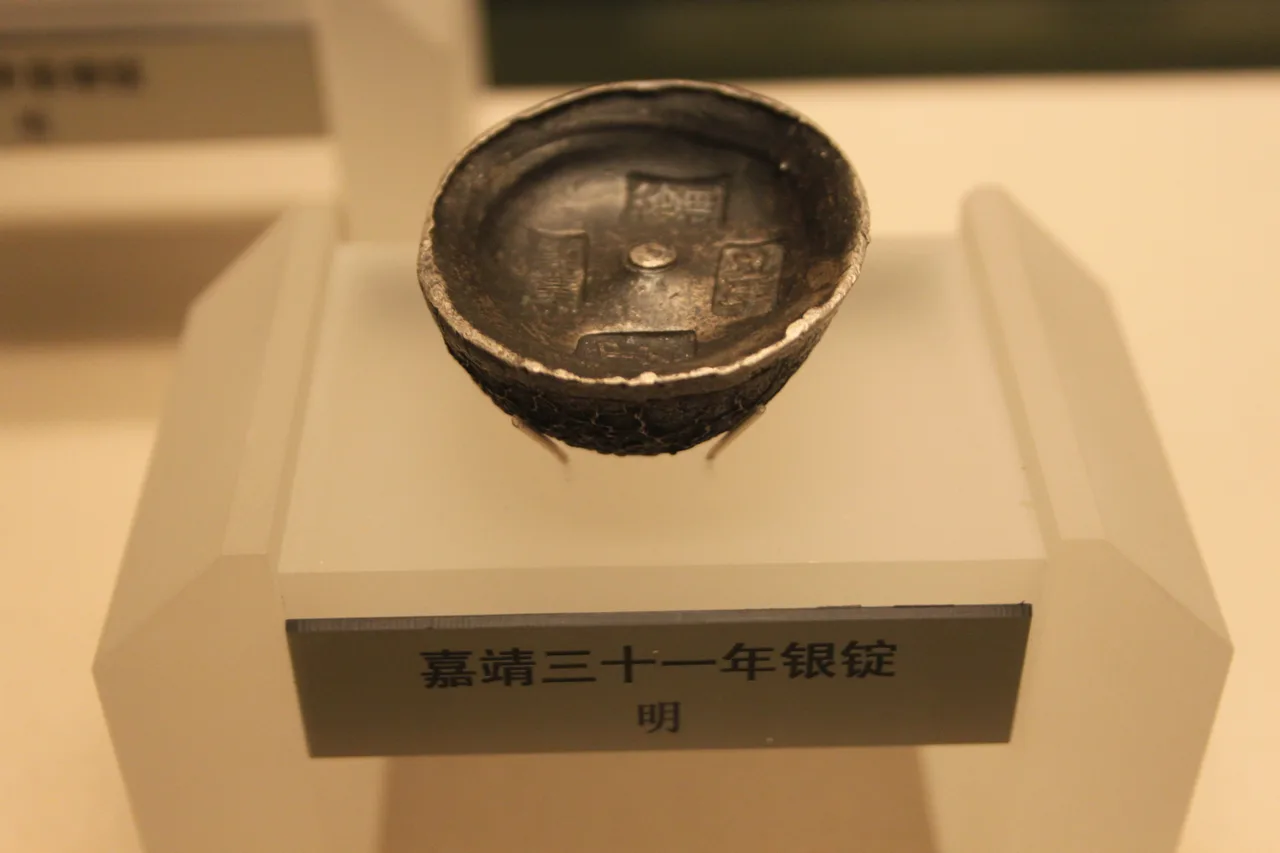
Silver took its value from the price of grain, cloth, and bricks. Historians show that during normal harvest years in the mid-to-late Ming, one shi of husked rice cost between 0.7 and 1.2 silver taels. One silver tael bought 75 to 90 kilograms of good rice.
Translating Bullion into Calories: Sustaining a Family for Eight Months
If a laborer earned five taels of pure silver, that sum protected a family in an 18th-century Jiangnan market town:
- Grain Reserves: At a price of one tael per shi (where one tael bought 1,000 copper cash, pricing rice at 6 to 7 cash per jin), five taels bought five shi of rice, or about 375 kilograms. An adult man ate about 15 kilograms of grain a month, while women and children ate 10 kilograms. Five taels bought enough grain to feed a three-person home for eight to nine months.
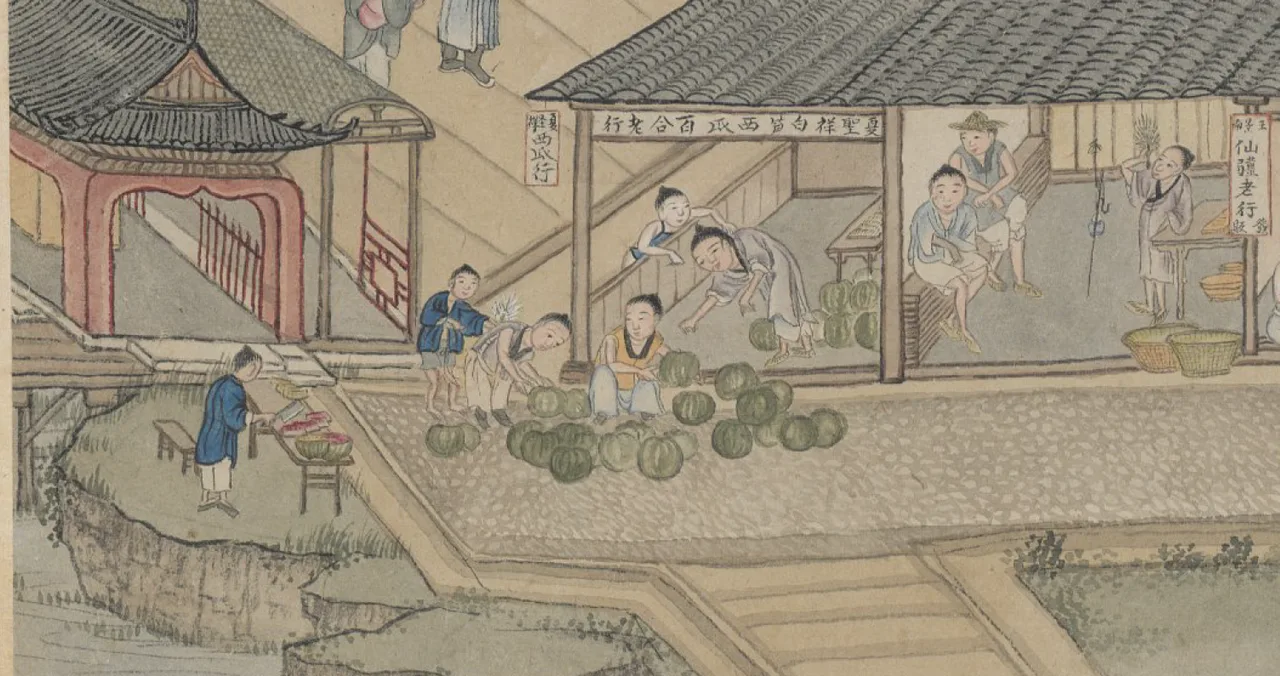
- Side Dishes and Street Food: Pork was a treat in Ming-Qing markets, selling for 20 to 28 copper cash per jin. One silver tael bought about 20 kilograms of pork. Common vegetables like cabbage cost only one or two cash per jin. A bowl of hot noodle soup cost three or four cash, and a fried dough twist cost one cash. Five silver taels equaled 5,000 copper coins, enough for morning street meals for over 1,200 days.
Purchasing Power Across Historical and Comparative Baselines
Comparing food and living costs shows this purchasing power across different times:
| Era & Historical Anchor | Standard Cash Parity per Silver Tael | Grain Purchasing Power per Tael | Real Living Value of 5 Silver Taels |
|---|---|---|---|
| Northern Song (Zhenghe era) | Approx. 770–1,000 cash (varying by string convention) | Approx. 2–3 Song shi (approx. 130–195 kg) | Bought over 500 kg of grain, or two complete sets of bronze and lacquer homewares at the night market of Grand Xiangguo Temple in the Eastern Capital. |
| Mid-to-Late Ming (Early Wanli era) | Approx. 700–900 cash | Approx. 1–1.3 Ming shi (approx. 95–125 kg) | Leased a two-story waterfront frame house in a secondary Jiangnan market town for a full calendar year. |
| High Qing (Early Qianlong era) | Pegged near 1,000 cash (standard treasury weight) | Approx. 1 Qing granary shi (approx. 75 kg) | Bought 5 shi of polished rice plus 4 bolts of fine cotton cloth (1.2 taels), leaving 1.8 taels of broken silver for cash flow. |
| Mediterranean World (Venice and Spain, c. 1600–1750) | 8 Reales (Pieces of Eight, approx. 27 g pure silver) | Approx. 100–120 lbs of Castilian wheat | Equaled the statutory wages for 20 to 25 full working days of a skilled shipwright in Amsterdam or Seville. |
This high purchasing power explains why characters in old books treated silver with care. In The Scholars, when Fan Jin tries to borrow silver before his exam, his father-in-law curses while handing over just "one tael and some change" from selling a pig. In Water Margin, when Yang Zhi and his guards buy wine on Yellow Mud Ridge, the bucket costs only copper cash. Silver bars did not pass through daily street hands. Families locked silver in wood chests, bringing it out only for weddings or funerals to clip and weigh on small scales.
03. Structural Vulnerability: Why Commoners Lived on the Brink
If five taels bought so many goods, why do old Local Gazetteer records describe poor families selling tools or land during bad years?
The answer comes from high food costs and the lack of emergency savings.
Price Swings and Harvest Failures
Good harvests brought cheap grain that helped city laborers, but cheap grain hurt farm families who needed cash to pay taxes. When floods hit rivers or drought dried northern plains, food supply lines broke down fast.
During the great drought of 1703 in Shuntian Prefecture, records show grain prices jumped from 0.8 taels per shi to 4.5 taels per shi. In normal years, a mason working two days bought ten kilograms of rice. In a famine year, a full day of work could not buy enough rice for a pot of thin soup. Rich owners stopped building projects during bad years. This wiped out day jobs and pushed wages lower. Families living near the edge ran out of food within weeks.
Medical Emergencies and Household Ruin
Medical bills brought a second great danger. Old books and case notes show the heavy price of medicine prescriptions. Poor families treated simple chills with ginger and cheap herbs. But if a worker caught a severe illness, doctors wrote prescriptions with fine herbs, donkey-hide gelatin, or ginseng.
In an 18th-century Suzhou shop, one small measure of high-grade Goryeo ginseng cost between 0.4 and 0.6 taels of silver. A few drinks cost two to three silver taels. For a worker making 12 taels a year, an illness wiped out years of savings. It forced the home to pawn winter coats, give up farm plots, or borrow money at high monthly interest rates.
Five taels of silver in Ming or Qing China was never petty pocket change. It was a major treasure that could change a family's life for months. In any old market town, real survival meant keeping small coins safe, weighing silver scraps on small scales, and paying for food with copper cash.
Primary Sources & Historical Bibliography
- History of Ming, Vol. 78, "Treatise on Food and Money II": Contains detailed regulations on tax monetization under the Single Whip Law across Jiangnan provinces, official copper-silver exchange rates, and statutory labor commutation quotas.
- Wenxian Tongkao of the Qing Dynasty, Vol. 13, "Treatise on Coinage": Records provincial minting outputs from the Shunzhi through Qianlong eras, treasury silver purity standards, and market price disturbances caused by illicit private minting.
- *Quan Hansheng, Studies on Chinese Economic History (Vol. 3, Zhonghua Book Company)*: Uses rigorous quantitative historical method to map long-term rice price curves across core grain basins, providing empirical benchmarks for silver inflows and wage values in the late Ming.
- *Palace Museum, ed., Crafts Production Archives of the Qing Imperial Household Department Workshops (Yongzheng and Qianlong Reigns)***: Preserves original ledgers of artisan rolls, daily ration allowances, and monthly wage payouts, serving as primary evidence for nominal craftsman incomes under the Qing imperial court.