TL;DR · Core Takeaways
- Metallurgy and fuel advances unlocked high-heat stir-frying: Han and Tang cooks boiled, stewed, or roasted their meat because bronze and cast iron were thick and heavy. The Northern Song boom in civilian coal mining, cheap thin-walled iron woks, and cheap seed oils built modern wok cooking.
- Dismantling ward walls produced a 24-hour open streetscape: Kaifeng tore down the closed ward enclosures of the Sui-Tang era, canceled nightly curfews, and taxed roadside stalls, creating an open market rare in the medieval world.
- Labor specialization created early takeout and cold-chain networks: Double-walled ceramic warming plates, neighborhood couriers, and summer stalls stocked by winter ice cellars along the Yellow River shaped everyday urban life.
> Historical Context
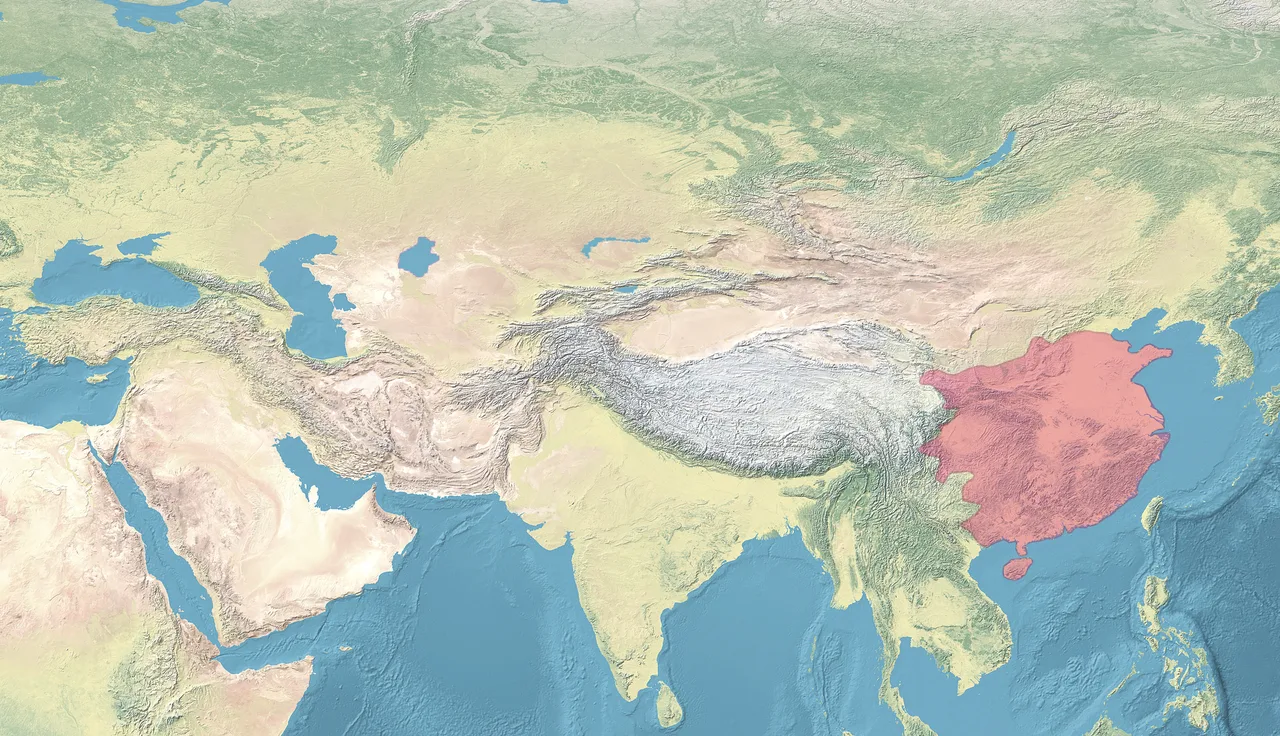
> - Chinese Temporal Coordinate: Third year of the Yuanfeng reign (1080 CE), Northern Song dynasty, during the Yuanfeng institutional reform led by Emperor Shenzong. Over a century had passed since the suppression of Li Chongjin's rebellion and the founding of the dynasty. Nearly a century had passed since the Song reversal during Yongxi Northern Expedition in the second year of the Duangong era. Bianjing had entered an era of sustained peace and deep commercial expansion.
> - Western & Mediterranean Coordinate: The late reign of William the Conqueror in post-conquest England, shortly before the compilation of the Domesday Book; the eve of the Komnenos dynasty in the Byzantine Empire. Western European feudal towns rarely exceeded twenty thousand residents and enforced rigid dusk-to-dawn curfews and fire bans.
At midnight on an autumn evening in 1080 CE, the Imperial Way south of Zhou Bridge in Kaifeng Prefecture, the Eastern Capital was packed with shoppers and carts. Tens of thousands of silk lanterns and red lamps hung outside taverns, lighting the street like day. Fat from roasting mutton dripped onto hot coals, sending up clouds of spicy smoke. Beside the canal, restaurant runners in soft cloth caps balanced heavy ceramic warming plates on their palms. They dodged donkeys, sedan chairs, and pedestrians, rushing hot dishes of fried lungs and mutton offal to fine homes near the palace.
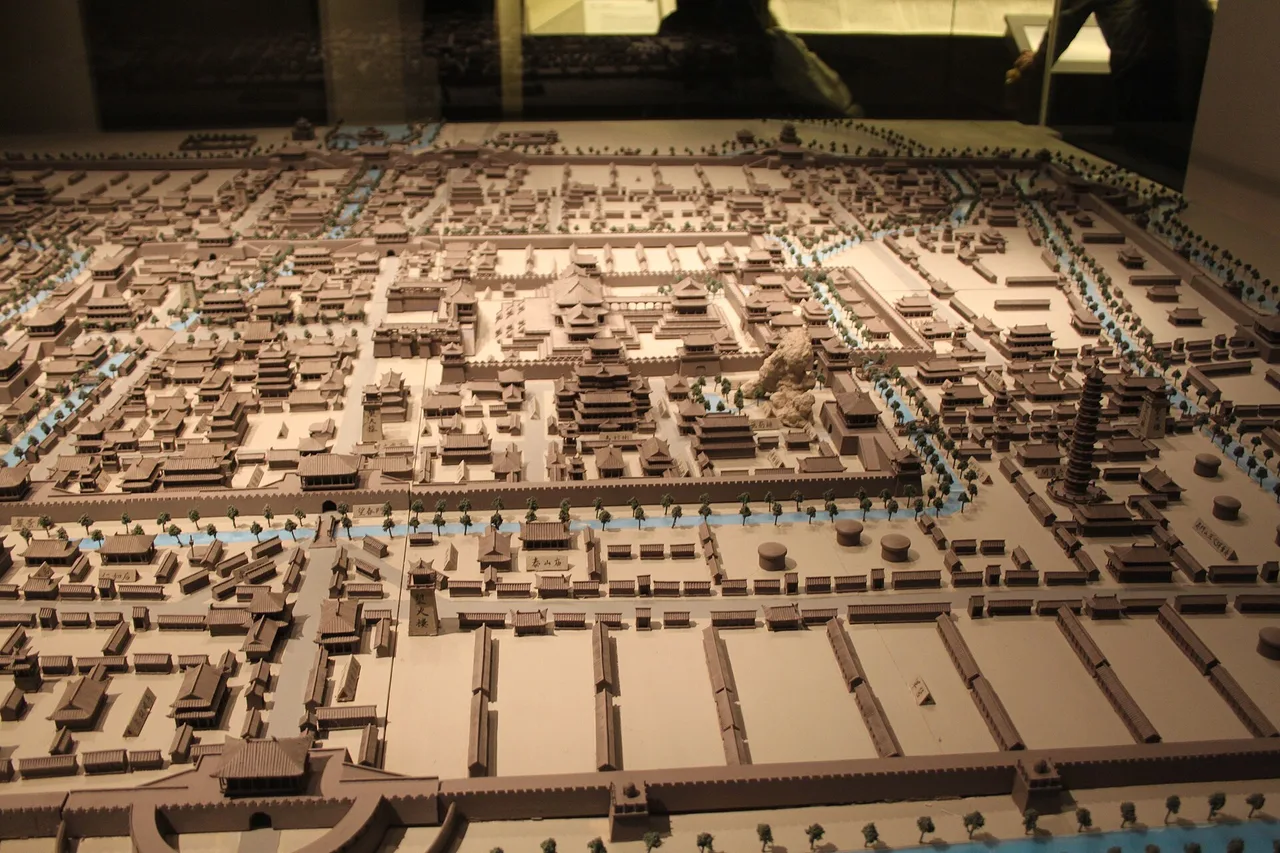
This world of midnight feasts, home delivery, and shaved ice did not exist in earlier times. A traveler visiting Han-Wei Luoyang or High Tang Chang'an would have seen empty, dark roads and armed night patrols rather than lively food stalls. Kaifeng's food scene grew out of four big changes: new fuels, thin iron pots, open city streets, and paid service workers.
01. The Fuel and Cookware Shift: Why High-Heat Stir-Frying Escaped the Han and Tang
Modern eaters connect Chinese cooking with high flame and quick wok tossing. Yet from the Han through the Tang periods, stir-frying was rare or absent in daily home kitchens.
From Thick Cauldrons to Thin-Walled Woks and Coal Energy
During the Qin, Han, and the Three Kingdoms Period, cooks cooked with bronze pots, clay steamers, or thick iron pots. Kitchens burned wood and charcoal, which gave off weak heat. Because thick pots heated slowly, cooks used water to transfer heat. Daily meals centered on boiled grain broths, thick stews, steamed grains, or meat roasted on open fires. Even in the mid-Tang, cooks prepared meat by boiling big cuts in water, chilling the slices, and serving them cold with mustard or vinegar.
Northern Song Kaifeng benefited from two industrial breakthroughs:
- Cast-iron casting and the spread of thin-walled woks: According to the Treatise on Food and Money in the History of Song and entries in the Collected Statutes of the Song, annual iron production run by state and private shops topped twenty thousand tons during the Yuanfeng era. Modern foundries cast round-bottomed iron woks only millimeters thick at prices working tavern keepers could afford.
- Coal replacing firewood as the primary urban fuel: Kaifeng sat in the Central Plains, where centuries of farming had stripped the lower Yellow River forests and raised firewood prices. As Su Shi observed in Xuzhou, burning coal brought great relief to urban homes. Canals brought coal into Bianjing from southern Shanxi and Henan Prefecture, heating homes for over a million residents. Coal fires generated the intense heat needed to push oil quickly to high temperatures for fast stir-frying.
Vegetable Oil Extraction and Layered Broths
Fast stir-frying requires plenty of liquid cooking oil that does not smoke easily. Han and Tang cooks used animal fats, which turned hard at room temperature. Sesame oil existed, but small supplies made it a costly treat used mainly in medicines and lamps. During the Song period, screw-press mills spread across the southern rivers and the Central Plains. Rapeseed, soybean, and sesame oils grew cheap, giving cooks affordable liquid oil for frying.
Kitchens in eleventh-century Kaifeng lacked New World crops like chili peppers, tomatoes, corn, or potatoes. Song cooks used fermented seasonings and rich broths instead. They simmered chicken, ham, and pork bones into savory stocks. To add flavor, they mixed in dried scallops and dried shrimp carried inland via grain transport by waterways, Sichuan peppercorns, southern black pepper from Lingnan, fermented soy pastes, sweet vinegars, and soy sauces. Over high wok heat, these goods yielded rich tastes in minutes.
| Historical Period | Core Staples & Thermal Fuel | Primary Meat Cooking Techniques | Fats, Oils & Seasonings | Commercial Operating Hours |
|---|---|---|---|---|
| Han–Tang Dynasties (e.g., High Tang Chang'an) | Boiled wheat grits, sesame flatbreads, pulled soup noodles; firewood and charcoal | Stews, meat pastes, steamed parcels, cold boiled cuts, direct flame roasting | Solid animal tallow, sea salt, pickled plum vinegar, Sichuan pepper; plant oils scarce | Strict sunset curfew; 800 evening drumbeats sealed ward gates; night markets rare |
| Northern Song (e.g., Bianjing, Yuanfeng era) | Wheat noodles, chilled noodles, stuffed steamed buns, flatbreads; widespread coal burning | Flash stir-frying, quick pan-frying, rapid braising, spiced lungs, sliced pork | Cheap rapeseed and sesame oils; bone broths with scallops, black pepper, soy sauce | Abolition of ward curfews; Zhou Bridge, Maxing Street, and Panlou Street open 24 hours |
| Ming–Qing Dynasties (e.g., Wanli era Jiangnan) | White rice, mixed-grain flatbreads; mixed firewood and coal use | Refined stir-frying, quick-glazing, slow-braising, red-cooking; chilis adopted in mid-Qing | Soybean, peanut, and rapeseed oils common; caramelized sugar, brewed soy sauces | Regular dusk lockup of town gates; late commerce limited to river docks |
02. Urban Realignment: Nightlife After the Collapse of the Ward Walls
Kitchen advances needed open urban spaces, and Northern Song Kaifeng offered a city layout unlike any other of its time.
Ending the Curfew and Legalizing Street Commerce
Tang Chang'an was built as a grid of 108 walled wards, run like an army camp. Ward gates closed at evening drums, and anyone walking the avenues after dark faced arrest. Kaifeng inherited the bones of a garrison post, but four waterways crossed its heart: the Bian, Cai, Wuzhang, and Jinshui rivers. Boats unloaded goods and crowds moved along the docks all night long. The court eased street closures during the Jianlong era. By the reigns of Taizong and Zhenzong, shop owners pulled down perimeter walls to build storefronts, awnings, and open verandas facing into public roads.
The court accepted this change and replaced bans with an encroachment rent tax. High ward walls disappeared, and the closed blocks turned into an open street grid. As recorded in the Song notebook literature of the Eastern Capital: A Dream of Splendors, the night markets at Zhou Bridge and Maxing Street ran past midnight and reopened by the fifth watch before dawn at Wugeng. In amusement quarters, the food stalls never closed. Even when a Commander of Ten Thousand, a Battalion Commander, or a noble like a Prince of Ning passed through the capital from an outer Fortress, they marveled at the night markets.
A Kaifeng Clerk's Daily Food Budget
Because commercial kitchens worked day and night, city clerks could eat well without cooking at home. A pawnshop scribe in Kaifeng Prefecture earning about 5,000 copper coins a month spent his money across a summer day like this:
- 06:00 (Dawn market opening): Two steamed pork buns (4 coins) and a bowl of hot lamb soup (5 coins) from a street stall: 9 coins.
- 11:30 (Midday office recess): A plate of fried sheep intestines (15 coins) with two sesame flatbreads (2 coins) from Panlou Street: 17 coins.
- 14:00 (Afternoon heat): A bowl of sweet dumplings on crushed ice (3 coins) fetched by an office boy from a Zhou Bridge stall: 3 coins.
- 19:30 (Evening at Zhou Bridge market): Stir-fried lamb lung (18 coins), a small dish of pickled mustard root (2 coins), and two cups of light ale (16 coins) shared with a friend: 36 coins.
- Total Daily Spending: About 65 coins (around 40 percent of his daily pay of 160 coins). In Kaifeng, dining out was a normal part of life supported by paid services, not an indulgence kept only for rich lords.
03. Delivery Runners and Warming Vessels: Pre-Industrial Takeout Logistics
Widespread demand for prepared food built an organized restaurant delivery network.
Tavern Managers and Street Runners
In the handscroll Along the River During the Qingming Festival, the Northern Song painter Zhang Zeduan painted restaurant runners walking through busy road crossings. They wore work aprons, held two ceramic bowls in the left hand, and carried a long wooden tray in the right. Song restaurants maintained two distinct groups of workers: dining room servers, known as Erudites of food and wine, and outdoor messengers who ran food to private homes, government bureaus, and quarters without hearths.
Writers of Song notebook literature called these workers service runners or banquet aides. When rich homes or clerks hosted guests without keeping a home kitchen, they picked dishes in advance with a tavern keeper. On feast days, couriers delivered courses, steamed breads, and fine plates on trays or shoulder poles at set hours, returning after the meal to wash and collect the dishes.
Archaeological Evidence: Thermal Engineering of Double-Walled Warming Plates
Carrying hot, stir-fried food across town without losing heat was a real problem. Song potters solved it by making a double-walled ceramic plate known as the warming dish.
Archaeologists working around Kaifeng and Northern Song kiln sites, including Gongyi and Cizhou workshops, have found dozens of these hollow ceramic plates. The vessel features a shallow top dish for food and a sealed hollow box below, fitted with a small hole on the rim. Before a delivery run, the runner poured boiling water through the hole into the hollow bottom and sealed the opening with a stopper.
The hot water inside warmed the ceramic dish from below. Packed into deep wooden boxes wrapped in oiled cloth, hot meals stayed warm over trips of two or three kilometers. The food arrived steaming with its fats melted and smooth. Mass production of these dishes proves that takeout dining relied on standard, specialized gear.
04. Ice Wells and Winter Pits: Street Refreshments in the Pre-Electric City
Kaifeng's food network moved cold drinks as easily as hot takeout, keeping street markets supplied with shaved ice throughout the summer heat.
State Reservoirs and Subterranean Cold Storage
Before electric freezers, summer ice depended on winter storage. The Song built up the older winter ice harvest system. The Ministry of Works and the Court of the Imperial Granaries oversaw the Icehouse Office. Each year after the winter solstice, officials gathered thousands of laborers to cut thick blocks of ice from the Yellow River, the Huimin River, and ponds north of the capital.
Workers hauled these blocks into deep underground pits lined with fired brick. Crews dug through Kaifeng's sandy soil, lined pit walls with brick, and laid down gravel beds to drain meltwater. Workers packed the ice in thick layers of dry straw and grain hulls to stop warm air from getting in. Natural melting took up to two-thirds of the stored ice before summer, so workers had to store tens of thousands of blocks each winter.
Private merchants also ran commercial ice pits outside the city walls. Starting in the fourth month of the lunar year, private teams opened their cellars and hauled felt-wrapped ice into the city day and night.
Summer Refreshments at the Zhou Bridge Stalls
Chapter Seven of Eastern Capital: A Dream of Splendors describes the cold drinks sold at the summer night markets near Zhou Bridge:
- Chilled Sweet Rice Dumplings: Small balls made from soybean flour or rice flour, boiled, chilled in cold water, served in ceramic bowls over crushed ice, and topped with brown sugar syrup or honey.
- Frosted Plum Wine and Frosted Cardamom Brew: Light plum fruit wines or herbal cardamom drinks mixed with shaved ice into cold slush.
- Lychee Herbal Syrup: A drink made from boiled plums, cinnamon, and cloves mixed into cold water, loved for a color and smell like fresh lychee juice.
Drink sellers set up wide cloth awnings and placed shiny tin basins on their tables, filling them with big blocks of ice to cool the air and attract customers. For two or three copper coins, common laborers could buy a large bowl of shaved ice on a hot summer evening. Few other cities in Europe or the Middle East gave common townspeople access to summer ice at this scale.
05. A Commercial Microhistory of Daily Urban Life
The food culture of Northern Song Kaifeng was more than an imperial luxury. It was the daily life of an open city of one million people, backed by coal fuel, iron casting, open streets, and paid wage workers.
This urban food culture relied on an active market economy. It joined workers cutting river ice in the dead of winter, miners hauling coal from nearby hills, runners carrying warm trays past theater gates, and street vendors setting out ice blocks under the lanterns of Zhou Bridge. Together, they built one of the most vibrant urban food centers in the eleventh-century world.
Related Database Entities
Primary Sources & Historical Bibliography
- Urban Life and Notebook Literature: Meng Yuanlao, Eastern Capital: A Dream of Splendors (Zhonghua Book Company annotated edition). See especially Vol. 2 on the "Zhou Bridge Night Market," Vol. 3 on "Shops of Maxing Street," and Vol. 7 on "Summer Months" for street layouts and cold drinks.
- Institutional and Economic Histories: Xu Song (comp.), Collected Statutes of the Song, Section on Food and Money (Zhonghua Book Company facsimile edition), Vols. 17–21, covering iron quotas, coal taxes, and Icehouse Office regulations; Toghto et al., History of Song, Treatise on Food and Money (Zhonghua Book Company punctuated edition).
- History of Technology and Material Culture: Joseph Needham, Science and Civilisation in China, Vol. 5, Part 7: The Gunpowder Epic (Cambridge University Press), discussing metal casting and civilian workshops; and archaeological reports on double-walled ceramic warming vessels from Northern Song kiln sites in Kaifeng and Gongyi, Henan.
- Historical Eras: Three Kingdoms Period
- Political & Military Figures: Yongxi Northern Expedition · Yelü Xiuge · Liu Tingrang · Li Chongjin · Gao Jichong · Gongsun Yan · Huangfu Song