TL;DR · Core Takeaways
- Leaving home by more than one hundred li brought harsh criminal penalties. From Han laws and the Tang Code with Commentary to the Great Ming Code, crossing borders without permits meant heavy beatings or exile.
- Tang travel permits checked bodies and farm animals down to tooth wear. Records from Turpan show permits listed physical traits, helpers, and mount colors, stamped with red seals at each checkpoint.
- Key social groups used special travel routes. Merchants carried tax permits with broker bonds, students held school dispatches, and monks showed ordination papers. Ordinary farmers stayed tied to their native villages.
Chronological and Geographic Reference Points
- Chinese Historical Coordinates: From frontier pass systems under the Han dynasty through the guosuo permit network of Xizhou during Emperor Gaozong of Tang's reign, extending to the Yellow Registers and luyin rules under Emperor Taizu of Ming, down to Qing population management under Emperor Qianlong|Qianlong.
- Western and Mediterranean Coordinates: Paralleled by the Roman imperial courier passport system under Trajan and Hadrian, high medieval safe-conduct passes, and the Islamic world's Amān protection deeds.
In early 753 CE, during the Tianbao era of Emperor Xuanzong of Tang, snow still covered the roads outside Xizhou. This city was the Ancient City of Gaochang in modern Turpan, a major post along the Silk Road. A traveling trader named Shi Randian came from Dunhuang. He waited outside the office of the Assistant of the Commander-in-chief's Office. He needed clerks in the Revenue Section to stamp a yellow paper permit called a guosuo, an official Guanwen authorized by the Department of State Affairs. Without this pass, he could not take his raw silk and cloth through Jiaohe Pass or receive clearance from the local Market Director. If he tried to cross without papers, guards would arrest him under the Tang Code with Commentary, lock him up, and seize his goods.
Stories often show ancient wanderers riding across rivers and mountains with only a sword and a bag of coins. Real life was far stricter. In an empire of farmers, registered families paid land taxes and served in the army. Leaving home without approval was a crime against state revenue.
flowchart TD
    A["Applicant petitions local magistrates in native county"] --> B["Baojia and ward elders issue joint surety guarantees"]
    B --> C["Revenue Section verifies identity, itinerary, and cargo"]
    C --> D["State issues official transit permit (Guosuo / Luyin)"]
    D --> E["Traveler departs; checkpoints inspect paper at each pass"]
    E --> F["Guards inspect human traits and livestock teeth, signing exit clearance"]
    F --> G["Traveler lodges at official inns; hosts record details in cyclic ledgers"]
01. The Tang "Guosuo": Biometrics, Cargo Inventories, and Bureaucratic Verification
State control over travel began early with tallies, Han postal passes, and wooden border slips. Slips found at Juyan and Dunhuang in Gansu show many logs kept by frontier guards.
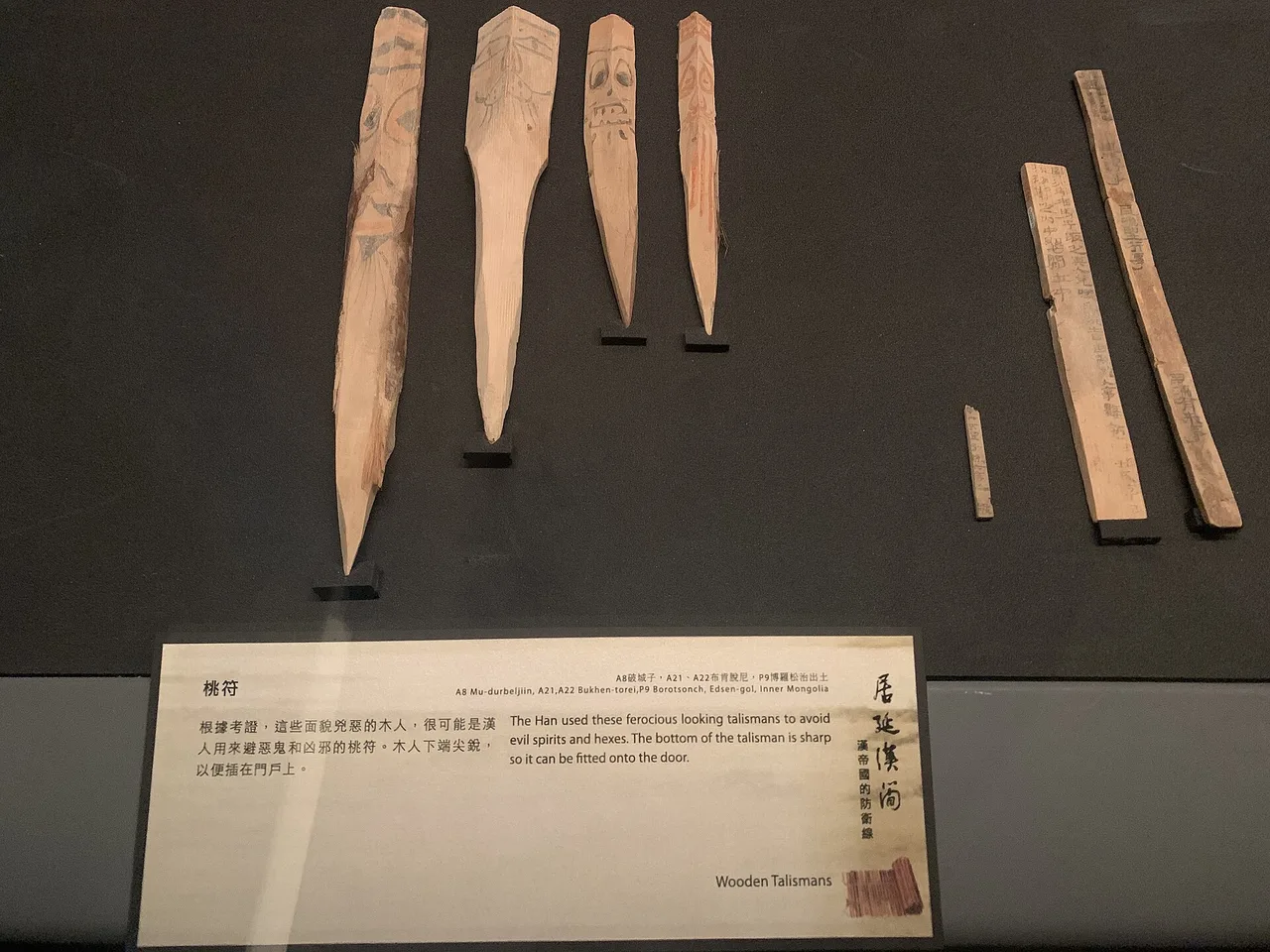
Paper passes took over under the Tang dynasty, making border control even tighter. In his famous travel book Record of a Pilgrimage to China in Search of the Dharma, the Japanese monk Yuanren wrote that he spent months stuck at roadside inns during the Kaicheng era simply because local officials took too long to sign his travel papers.
Tombs near Turpan preserve the exact paperwork needed by travelers in the eighth century. A standard Tang guosuo had three key parts:
- Personal and Retinue Descriptions: Permits recorded home towns, social ranks, and travel reasons. They also listed the names, ages, and facial marks of hired hands and household servants.
- Livestock Registers as Anti-Fraud Checks: Horses, mules, and donkeys were listed by age and coat color. Shi Randian's permit listed one bay horse of eight years and one black donkey of six years. These details stopped people from smuggling stolen animals or contraband war mounts.
- Official Seals and Waypoint Endorsements: The home office issued the pass. Guards at each choke point, such as Jiaohe Pass or Pujin Pass, checked every person and animal. Sentries wrote clearance notes on the back and stamped them with red ink.
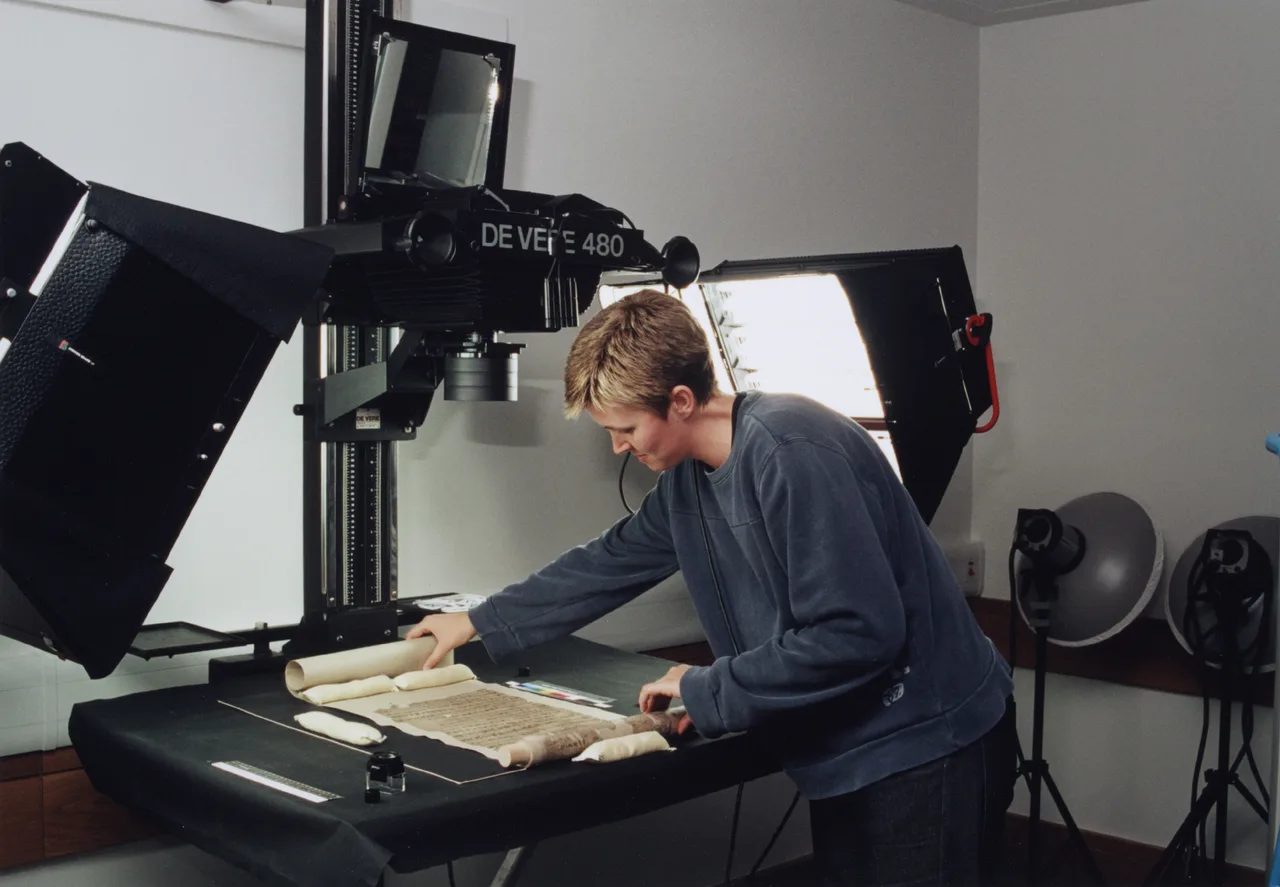
The Evolution of Imperial Travel Permits and Administrative Costs
Permit styles, rules, and clerical fees changed over time. The table below shows how core travel permits developed from Han times through the Qing period:
| Period and Legal Foundation | Core Permit Designation | Eligibility and Statutory Threshold | Administrative Enforcement Methods | Official Fees and Daily Price Benchmarks | |
|---|---|---|---|---|---|
| Han Dynasty<br>Statutes on Passes and Fords (Ernian lüling) | Chuan (courier tallies), Guosuo (wooden slips or silk strips) | Officials on state business, dispatched garrison troops, and taxed merchants with county endorsements | Checkpoints verified tally tallies against dispatch letters | State provided timber or silk; clerical conversion estimated around 10–20 bronze wuzhu coins | |
| Tang Dynasty<br>Statutes on Markets and Passes (Tang Code with Commentary) | Guosuo, Gongyan (official credentials on hemp paper) | Inter-prefectural transit, commerce, or private family visits; uncertified crossing brought two years of penal servitude | Checkpoint guards verified retinue physical marks and animal teeth, signing clearances | Applicants paid paper and brush fees to clerks, running around 30–50 copper coins (one dou of rice cost 5 coins in early Zhenguan) | |
| Northern Song<br>Statutes on Households and Marriage (Song Penal Code) | Gongju (credentials), tea and salt licenses | Free movement between internal counties, but travel to frontier market | frontier markets (quechang) or border zones required special passes | Checkpoint inspection by provincial forces (xiangjun); gate registers | Official paper credentials cost 10–30 copper coins; license levies added surcharges (one dou of rice cost 60–70 coins) |
| **Ming Dynasty | Ming dynasty*<br>Statutes on Personnel (Great Ming Code*) | Luyin (block-printed paper route permits) | Required for anyone traveling beyond 100 li; tithing heads and ward neighbors signed joint surety bonds | Military inspection offices placed at rivers and passes; inns used mandatory cyclic ledgers under mutual liability | Paper and seal fees averaged 0.02–0.05 taels of silver (20–50 copper coins; one dou of rice cost ~20 coins in the Chenghua era) |
| Qing Dynasty<br>Statutes on Military Affairs (Great Qing Code) | Luyin (gradually abandoned mid-dynasty), Waist Badges (yaopai) | Domestic interior travel relaxed, but passes remained mandatory for crossing into banner lands, frontiers, and ports | Cross-checked via baojia placards; inn ledgers audited monthly by county magistrates | Loose official paper forms cost 10–30 copper coins; hiring a clerk to expedite paperwork cost several cents of silver |
02. The Ming "Hundred-Li" Permit and Innkeeper Surveillance
Under Zhu Yuanzhang (Emperor Taizu of Ming), the state registered every farm family in the Yellow Registers to fix people to the land. The Great Ming Code stated that commoners or soldiers going more than one hundred li had to apply for a luyin. This slip listed names, ages, looks, home towns, routes, and deadlines. Anyone caught without a pass received eighty strikes of the heavy bamboo. Innkeepers who took in guests without passes suffered the same punishment under the watchful eye of the Military Inspector.
This law set a firm travel limit at one hundred li, which was about fifty kilometers. Walking beyond that range to visit kin turned an ordinary peasant into a fugitive in the eyes of patrol troops. Travelers in Yingtian Prefecture and the secondary center at Zhongdu faced equal scrutiny.
[Estimated Single-Trip Travel Permit Expenses for a Merchant in the Chenghua Era]
(Case: A merchant from She County, Huizhou traveling to Southern Capital to trade silk; round trip ~30 days)
─────────────────────────────────────────────────────────────────────────────
1. Neighbor and tithing head surety fee (customary wine, tea, red paper):  0.03 taels (~30 coins)
2. County revenue clerk fee for petition drafting and block-printed slip:  0.02 taels (~20 coins)
3. Runners' customary gratuity for stamping official county seals:          0.05 taels (~50 coins)
4. Checkpoint inspection tips along waterways and road barriers (per pass): 5–10 copper coins
5. Nightly rate at licensed urban inns (including ledger registration):     15–20 coins per night
─────────────────────────────────────────────────────────────────────────────
Total: Securing a legal, valid one-way route permit cost roughly 0.1 taels of silver,
       equivalent to 3–4 days of wages for an adult manual laborer.
Control did not stop at city gates. The state ordered innkeepers to watch guests every night, accompanied after dusk by the compound Lantern Keeper. County magistrates gave pre-bound registers to every inn. Innkeepers had to check passes before sunset. They logged names, facial marks, group counts, and goods. Local runners inspected these logbooks twice a month. If an innkeeper hid a traveler without a pass, the court gave the host the same eighty blows given to the runaway.
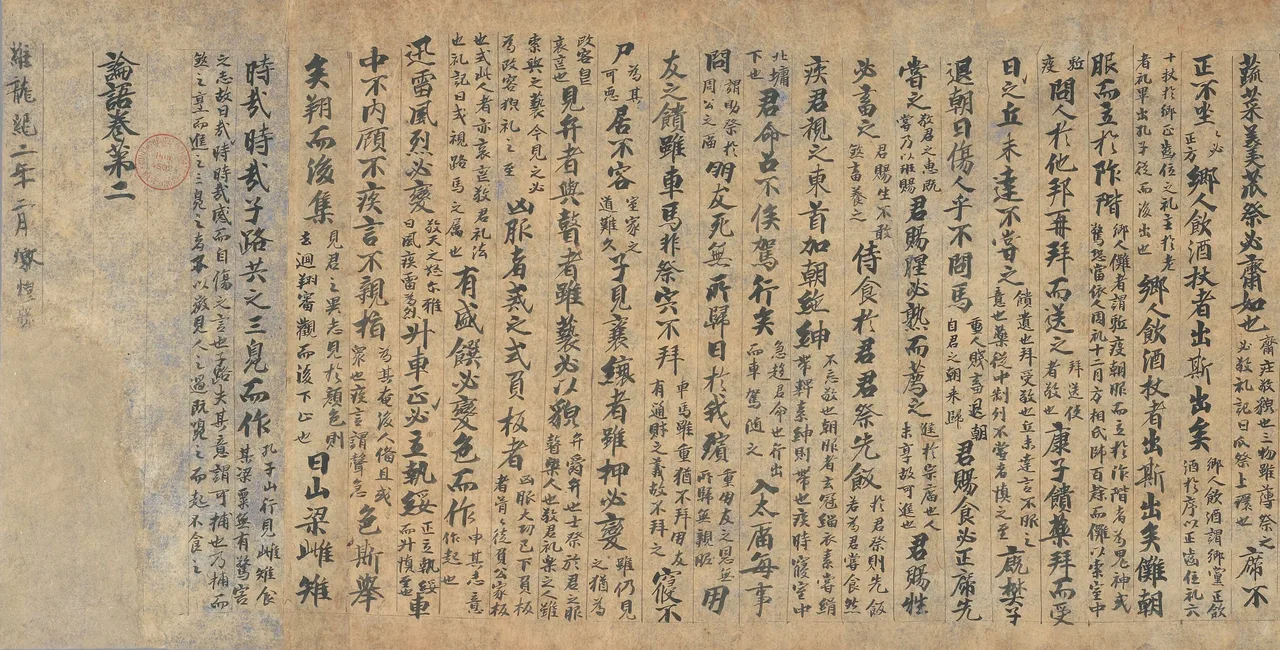
03. Permitted Itinerants: Regulated Mobility in an Agrarian State
Imperial courts still allowed necessary travel. Three groups held regular legal rights to move across provinces:
Long-Distance Merchants and Salt-Tea Monopolies
Growing regional trade tested the local permit system. The Ministry of Revenue issued merchant licenses and salt vouchers. Traders earned these passes by paying taxes or hauling grain to frontier troops. At canal checkpoints, licensed wholesale brokers and merchant guilds stood surety for cargo boats, helping legal shipments cross provincial borders. Foreign court figures such as Yazdbozid (Yisi) and border traders moved under similar official guarantees.
Examination Candidates and Dispatched Officials
Civil service exams gave scholars another legal reason to travel. Students going to provincial exams, or a Provincial Graduate journeying to the capital, carried travel passes from their home academies. Officials heading to a post under the imperial appointment system carried tallies issued by the Ministry of War and Ministry of Personnel. These tallies gave access to relay horses, post boats, and food along the way.
Buddhist and Daoist Clergy with State Certificates
Monks and nuns traveled widely if they held proper papers. From the Tang to the Ming, the Bureau of Sacrifices issued formal Ordination Certificates. These papers freed clergy from labor taxes and let them stay at temples across the country. Because these papers were so valuable, the government sometimes sold them to raise funds. Under the Ming, joining the clergy without official papers became a crime. Guards arrested unlicensed monks, took their robes, and punished them with the rod.
Compared with European systems, Chinese travel control relied on deep paper records. Roman passes served state messengers and nobles, while medieval European safe-conducts protected foreign envoys and armed pilgrims. In imperial China, guosuo and luyin permits reached ordinary farmers, artisans, and small traders, deciding who stayed home and who faced the magistrate's rod.
Primary Sources & Historical Bibliography
- Excavated Documents and Field Reports:
- Astana Tomb 509 Document: Tang Dynasty Transit Permit Issued to Commoner Shi Randian of Shazhou in the Twelfth Year of Tianbao (753 CE), in Tang Changru, ed., Documents Excavated from Turpan, Vol. 6 (Beijing: Cultural Relics Publishing House).
- Gansu Provincial Institute of Antiquity and Archaeology, ed., New Han Slips from Juyan: The Official Quarters of the Jiaqu Company (Beijing: Zhonghua Book Company, 1994).
- Standard Histories and Legal Codes:
- Zhangsun Wuji et al., Tang Code with Commentary, Vol. 8, "Statutes on Unauthorized Mobilization" (Unauthorized Border Crossing), and Vol. 26, "Miscellaneous Statutes" (Statutes on Markets and Passes) (Beijing: Zhonghua Book Company).
- Liu Weiqian et al., comps., Great Ming Code, Vol. 3, "Statutes on Personnel" (Civilians Traveling Beyond One Hundred Li Without Permits) (Beijing: Law Press).
- Ennin, Record of a Pilgrimage to China in Search of the Dharma, critical edition and commentary by Gu Chengfu et al. (Nanjing: Jiangsu Ancient Books Publishing House, 2007).
- Secondary Scholarship:
- Dai Weihong, A Study of Tang Dynasty Guosuo Permits (Beijing: China Social Sciences Press, 2011).
- Leung, Angela Ki Che, "Migrant Populations and Social Control in the Ming and Qing Dynasties," Hanxue Yanjiu [Chinese Studies] 12, no. 1.