TL;DR · Core Takeaways
- Ten taels of silver was worth a lot: In the mid-to-late Ming Dynasty, one silver tael (about 37 grams) bought one to two dan of rice. That equaled roughly 1,000 bronze coins. A ten-tael ingot equaled half a year of wages for an urban worker. Offering it for a seven-cash bowl of noodles was like paying for candy with a huge stack of cash.
- Chinese silver was uncoined bullion: Unlike European coins made by state mints, Chinese silver was raw metal. Daily sales needed a hand scale (dengzi) and iron shears. People had to snip, weigh, and test the purity of every bit.
- Counterfeits and crime brought real danger: Bad shops poured silver over cheap lead cores. Large ingots belonged in tax vaults or big trade firms. A simple shopkeeper lacked test tools and feared jail for taking stolen treasury silver.
> Historical Context
> - Chinese Historical Setting: Late autumn in the twentieth year of the Wanli era under Emperor Shenzong of the Ming Dynasty (1592 CE); Shantang Street outside Changmen Gate in Suzhou Prefecture, reflecting the everyday urban silver economy following the rollout of the Single Whip Law.
> - Western & Mediterranean World Setting: The reign of Philip II of Spain (r. 1556–1598); silver mined at Potosi is struck into pieces of eight (reales de a ocho) and ferried across the Pacific in Spanish Manila galleons to East Asia.
01. 1. Urban Ledgers of 1592: What Was Ten Taels of Silver Actually Worth?
On a damp autumn morning in 1592, the smell of hot noodles drifts over the docks along Shantang Street outside Changmen Gate in Suzhou. Boats knock against stone quays while workers carry boxes through the mist. Suppose a traveler steps into an open noodle shop. He eats a hot bowl of noodles. Then, he pulls out a ten-tael silver ingot weighing about 370 grams and sets it on the grease-stained wooden table. The owner does not smile. His face turns pale.
The shopkeeper does not welcome the man. Instead, he grabs a heavy wooden door bar and yells for the man to leave. His reaction makes complete sense. This heavy lump of metal breaks the basic rules of street trade in the Ming Dynasty.
flowchart TD
    A["Diner presents a 10-tael silver ingot (~370 grams)"] --> B{"Noodle shopkeeper evaluates practical risks"}
    B --> C["Change shortage: A 7-cash bowl requires ~9,993 bronze coins (~40 kg) in change"]
    B --> D["Unknown fineness: Lacking assay touchstones, the ingot likely conceals a lead core"]
    B --> E["Legal liability: Large ingots belong to state vaults or merchant guilds; suspected stolen loot"]
    C --> F["Refusal and ejection: Outright rejection of payment and threat to summon bailiffs"]
    D --> F
    E --> F
Cast bronze coins were the heart of street shopping in the late Ming Dynasty. A hot bowl of noodles cost between five and ten bronze coins (wen). A pound of fresh pork cost twenty wen. A dock porter working from dawn to dusk earned twenty to thirty wen.
Records in the Veritable Record of Shenzong and late Ming urban Miscellanies show good harvest prices during the Wanli era. One dan of rice (about 75 kilograms) cost 0.7 to 0.8 taels of silver. In lean years, it cost around one tael. A single silver tael bought enough grain to feed five people for up to three months.
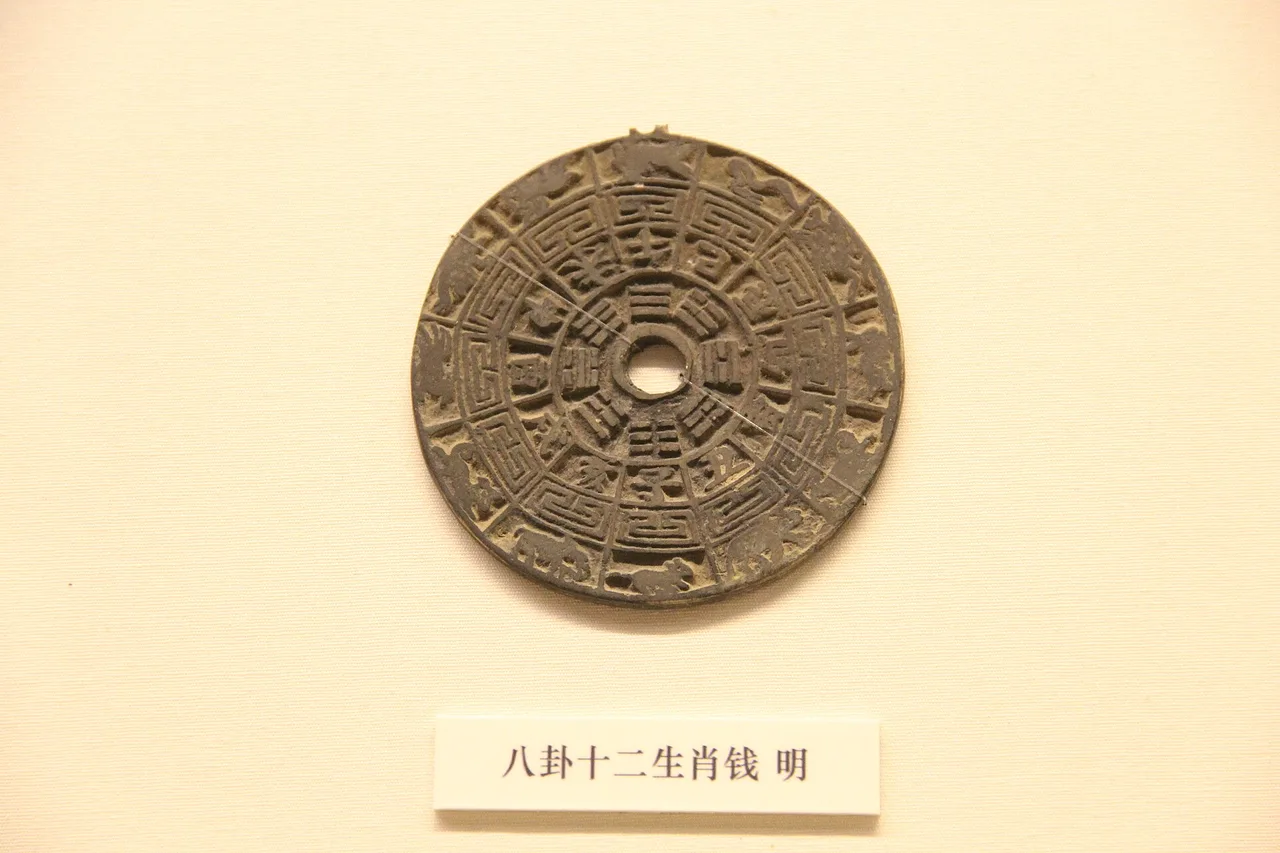
A standard ten-tael ingot was worth about 10,000 bronze coins. That matched six to eight months of pay for a common laborer.
To make change, the shopkeeper would have to empty his drawer, borrow strings of coins from neighboring shops, and drag out forty kilograms of metal coins for a single customer.
Daily Living Expenses for Ordinary Citizens in Wanli-Era Jiangnan
| Expense Item | Market Price in Bronze Coins (wen) | Equivalent Silver Weight (liang / qian / fen) | historical sources & Contextual Notes |
|---|---|---|---|
| Bowl of urban noodle soup | 5–8 wen | ~0.005–0.008 qian (0.5–0.8 fen) | Breakfast rates in Jin Ping Mei Cihua |
| One sheng of polished rice (~0.75 kg) | 8–10 wen | ~0.008–0.01 qian | Grain prices from Wanli Kuaiji Lu |
| One jin of fresh pork (~590 g) | 18–22 wen | ~0.02 qian (2 fen) | Butcher shop transactions in late Ming vernacular fiction |
| Coarse cotton robe | 120–150 wen | ~0.12–0.15 liang (1.2–1.5 qian) | Year-round working attire for urban commoners |
| Day wage for an urban porter / laborer | 20–30 wen | ~0.02–0.03 liang (2–3 fen) | Settled at dusk in copper cash; silver rarely exchanged |
| Monthly stipend for a private village tutor | 300–500 wen | ~0.3–0.5 liang (3–5 qian) | Includes two daily communal vegetarian meals |
02. 2. From the Roman Denarius to Jiangnan Steelyards: Counted Coin versus Weighed Bullion
To see why this payment failed, look at how different cultures used money.
Across the Mediterranean, starting with the Roman denarius, precious metals were stamped into coins by the state. These coins had standard weights, marks, and edges. People counted them one by one. The Spanish piece of eight kept a steady purity for hundreds of years. Traders across the globe could count these coins instead of melting them down.
Ming China worked in a very different way. Emperor Yingzong and the reign of Ming eased silver limits over time. Later, Grand Secretary Zhang Juzheng made silver the tax standard under the Single Whip Law. Yet, the crown never struck uniform silver coins for everyday folks.
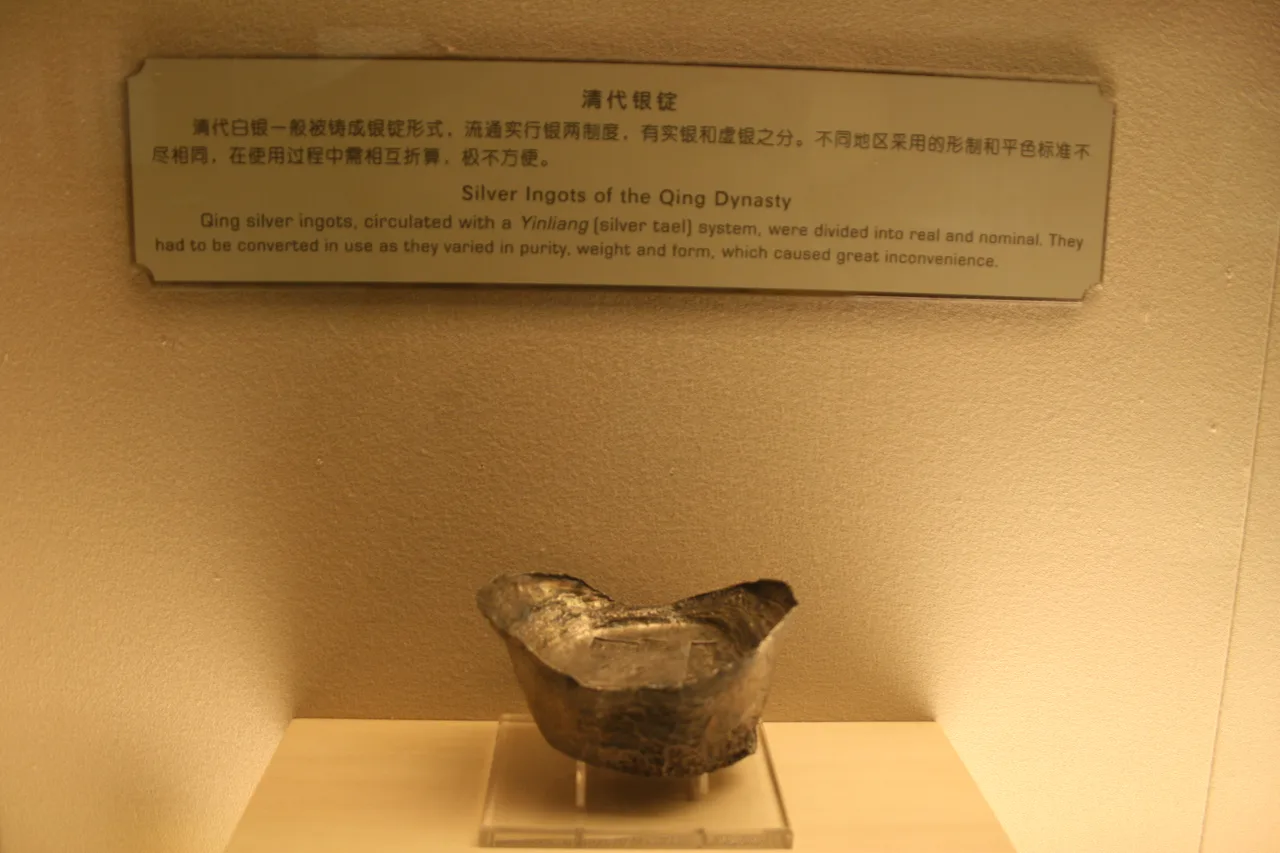
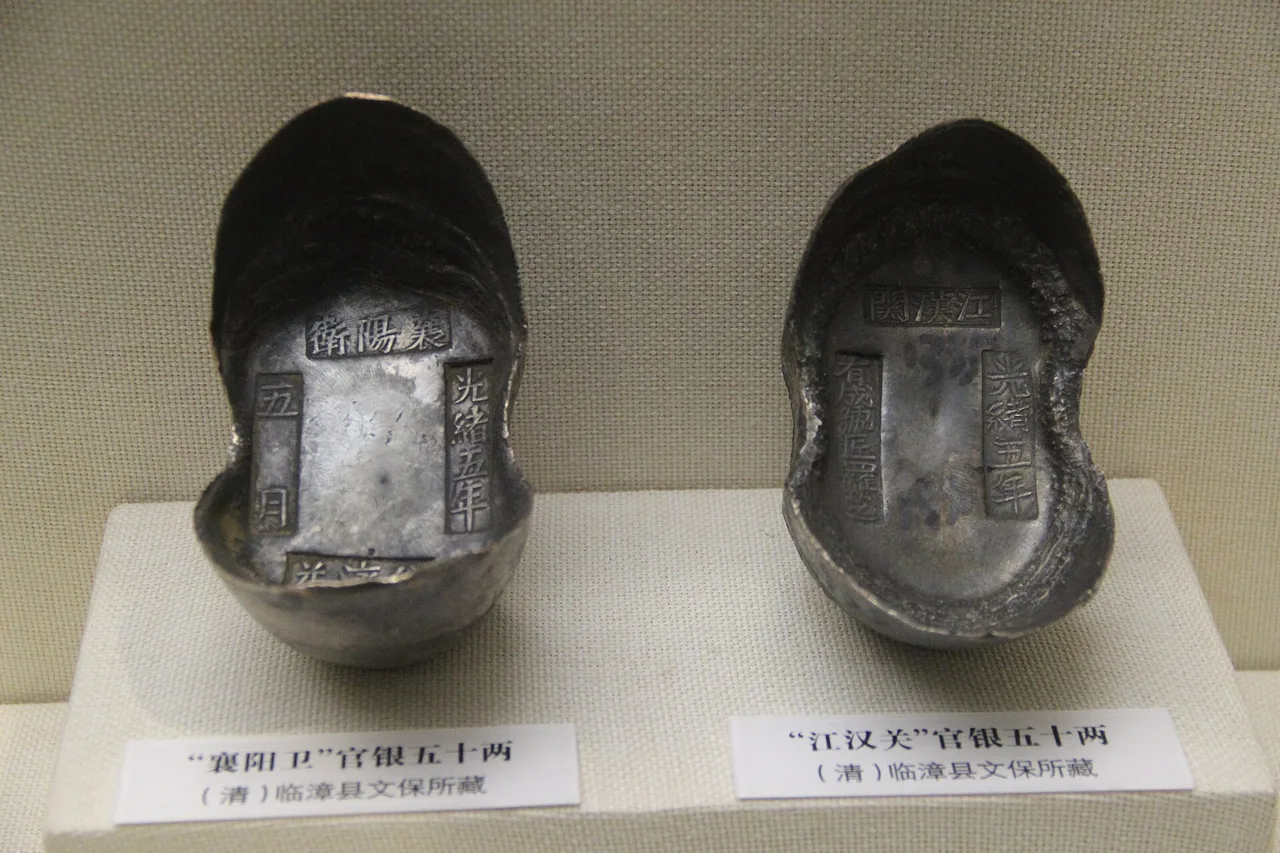
Silver in cities came in all shapes and sizes. Treasuries made fifty-tael ingots. Merchants traded ten-tael shoe-shaped ingots. Local smiths poured rough silver buttons, and people clipped bits off foreign coins. Economists call this an uncoined bullion system (chēngliàng huòbì).
Every silver payment required tests and math. Anyone carrying silver carried two tools in his sash:
- *The Bone Scale (dengzi): A small pocket balance in a bone or wood case that weighed tiny bits of metal (li and fen*);
- *Silver Shears (yinjian)*: Thick iron snips used to cut corners off ingots to match exact prices.
When a customer offered a bit of silver, the owner inspected its color. Fine silver (wenyin, about 93 percent pure) passed at normal rates. Low-grade silver brought steep markdowns to cover fire loss (huohao) and junk alloys. A single purchase could take fifteen minutes of snipping, weighing, and arguing over math. A busy noodle stall could not stop work to handle a large ingot.
03. 3. Lead Cores, Copper Shells, and the Penal Code: The Perils of Large Bullion
Beyond the shortage of copper change and the pain of weighing metal, shop owners feared fake bullion and harsh laws.
1. Counterfeit Traps in Urban Markets
Late Ming books and county files, such as the Wan Shu Za Ji, note widespread fakes made in secret furnaces. Because ten-tael ingots were thick, crooked smiths poured silver over cheap lead or blister copper cores. People called these pieces "leaded ingots."
The fakes had shiny skin, the right weight, and fake shop stamps. A simple soup seller had no tools or skills to test the core by sound or acid. Handing over all his copper cash and borrowing money from neighbors for a fake ingot meant total ruin.
2. Official Scrutiny and Stolen Treasury Bullion
In Ming times, large ten-tael and fifty-tael ingots stayed inside three safe spaces: government vaults, big salt or grain syndicates, and rich private homes.
When farmers paid their taxes, they brought copper cash to licensed shops near the town hall. Metal smiths melted the copper value into silver blocks for a fee, then gave them to the county treasury Registrar. Common folk handled only tiny bits of clipped silver.
A lone diner who pulled a ten-tael ingot from his sleeve for a quick meal looked like a criminal to street patrols (baojia). He looked like a bandit spending stolen goods from a raided pack train or a burglar spending government funds.
Under the rules of the Great Ming Code, anyone who took or hid stolen goods faced harsh criminal charges. Running the stranger out kept the noodle seller safe from ruin and the town jail.
04. 4. The Commoner's Purse Across Dynastic History
Looking across Chinese history shows that silver rarely touched daily shopping. From Han coins to Qing cash, daily life ran on cheap metals and cloth.
| Historical Era | Main Daily Urban Currency | Vehicle for Taxes & Wholesale Trade | Monetary Form & Commoner Constraints |
|---|---|---|---|
| Han Dynasty (202 BCE – 220 CE) | Wuzhu bronze coins | Gold (by jin and liang), raw silk fabric | Gold served as an imperial reward gift; retail markets ran on copper coins, while silver was saved for decorative cups |
| Tang Dynasty (618–907 CE) | Kaiyuan Tongbao, mixed bronze coins | *Silk bolts (juanbo)*, bronze coins (during Cash Shortage crises) | The Tang Code with Commentary set fines in bolts of silk; silk was legal tender, making long trips hard |
| Northern Song (960–1127 CE) | Bronze cash, Sichuan iron coins | Bronze cash, early Jiaozi Paper Money, silver bullion | Busy markets led to coin shortages; paper cash arose, while silver paid for peace treaties and border goods |
| Ming & Qing (1368–1912 CE) | Standard bronze coins (e.g., Wanli Tongbao) | Silver bullion (clipped pieces, 10- & 50-tael ingots) | Silver spread without standard coins; retail goods took bronze cash, while taxes needed silver plus melt-loss fees |
The Single Whip Law pushed silver into macro taxes, trade routes, and grain shipments. It did not replace copper coins on the street.
A smart traveler in 1592 did not carry heavy ingots in his coat. He visited a town silver shop, cut his silver into tiny crumbs, hid the crumbs in his coat lining, and hung two hundred bronze coins over his shoulder. At the food stall, he set seven copper coins on the table. That simple trade kept him safe in the Ming street economy.
Primary Sources & Historical Bibliography
- *Zhang Han, Da Ming Hui Dian [Collected Statutes of the Great Ming], Vol. 31, "Currency Regulations" (1587)*: Gives the official rules for casting copper coins, setting silver rates, and testing purity in state granaries.
- *Shen Bang, Wan Shu Za Ji [Miscellaneous Records of the Wanping County Office], Vol. 14, "Expenditures" (Beijing Guji Chubanshe, 1980)*: Gives real local price lists, worker pay rates, silver-to-copper shifts, and melt-loss costs in the Wanping district of Beijing.
- *Peng Xinwei, Zhongguo Huobi Shi [A Monetary History of China] (Shanghai People's Publishing House, 1958/2007)*: Chapter 4 gives an in-depth study of the two-metal cash system in the Ming and Qing eras and explains the troubles of uncoined bullion.
- *Chuan Han-sheng, Zhongguo Jingji Shi Yanjiu [Studies in Chinese Economic History] (Zhonghua Book Company, 2011)*: Follows the flow of Spanish-American silver through Manila and studies how it changed food prices and city life in Jiangnan.