TL;DR · Core Takeaways
- High Rents and Little Space: Chang'an was the capital of the Tang Dynasty Dynasty. It covered 84 square kilometers and held one million people. Great palaces, parks, and noble homes filled the north. This left few homes for scholars and young clerks.
- Good Pay but Zero Savings: Bai Juyi earned 16,000 copper coins each month as a Collator in the Palace Library. This was good money for a farmer, but city life was costly. High rent near courts, horse feed for morning curfews, and winter fuel ate all his pay.
- Fleeing to Cheaper Cities: Even after rising to Hanlin Academician, buying a central home cost far too much. Junior clerks rented rooms for years or moved their families east to Luoyang, where food and homes cost less.
> Historical Context
> - Chinese Timeline: 803 CE (19th year of the Zhenyuan era under Emperor Dezong of Tang) to the early Yuanhe era under Emperor Xianzong of Tang. The mid-Tang political scene grew calm after civil wars. Money from the Two-Tax System flowed from the south to the capital. Young scholars packed the wards south of Daming Palace to take tests and seek jobs.
> - Western & Mediterranean Timeline: The peak rule of Harun al-Rashid over the Abbasid Caliphate, as Baghdad grew along the Tigris; Charlemagne had just been crowned emperor in Western Europe.
In early 803 CE, Bai Juyi passed his palace exams. He won a post as Corrector in the Palace Library, then Collator in the Palace Library (rank nine, upper class). The young scholar carried his poems across the capital to meet patrons. Gu Kuang, a famous older poet, read his name card. The name meant "Easy Dwelling." Gu Kuang laughed and joked: "Prices in the capital are high; dwelling here is no easy task."
Gu Kuang loved his verse, but real life was hard. Stepping into the street, Bai Juyi had to pay rent, feed his horse, buy grain, and find fuel in cold winters.
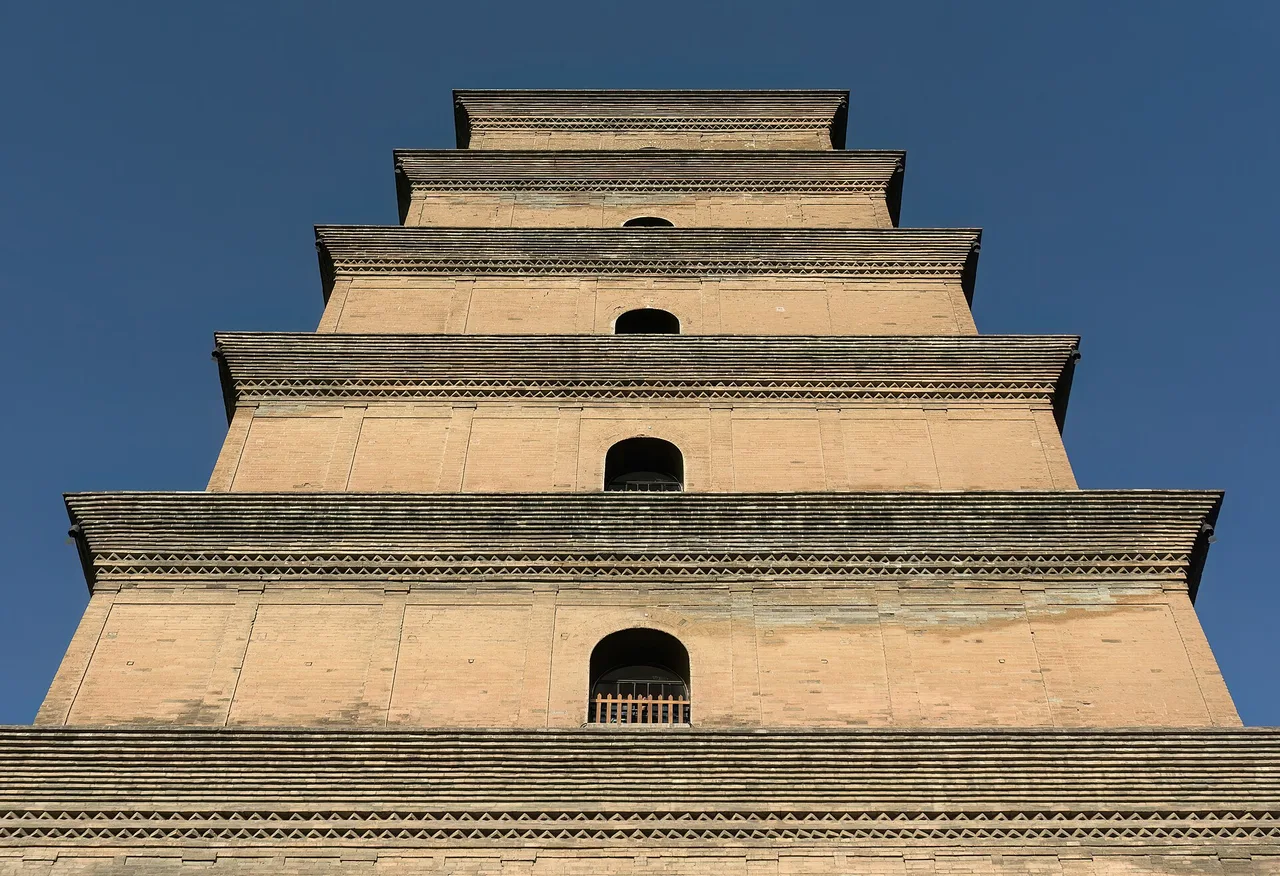
01. Spatial Compression and Rental Realities Behind Walled Wards
Old city digs and the Old Book of Tang show how big the city was. Chang'an ran nearly ten kilometers east to west and nine kilometers north to south. It spread across 84 square kilometers. In the ninth century, only Baghdad was as large.
Yet huge walls did not mean cheap shelter. Chang'an was sharply split between north and south.
Taiji Palace, Daming Palace, and Xingqing Palace sat on high ground in the north. The top wards below Daming Palace—like Guangzhai, Yishan, and Xuanren—were taken by imperial kin, top ministers, and regional Military Commissioners. The Institutional History of Tang says rich lords bought vast estates that took up half a ward. These grand homes had private lakes, gardens, and hundreds of servants. Huge temples like Da Ci'en Temple also took up half a ward.
Lower clerks, Provincial Graduates waiting for posts, and traders had to crowd into wards near the markets, like Chongren, Pingkang, Xuanping, and Xuanyang. Chongren Ward stayed awake day and night with busy inns and taverns. Because it sat close to state halls and the Eastern Market, its rents stayed very high, and empty rooms vanished fast.

02. The Real Balance Sheet of a Ninth-Rank Collator
In early Tang Dynasty times, clerks were paid in grain, land, and cash. After the An Lushan Rebellion and the start of the Two-Tax System in 780 CE, the state paid city clerks mostly in copper cash and silk.
Bai Juyi wrote of his pay: "My monthly pay is sixteen thousand cash, which leaves a surplus every cycle." This monthly sum of 16,000 copper coins could feed a farm family for years. But inside the capital, that spare cash vanished into thin air.
Residential Leases: Monastic Rooms and Rented Ward Compounds
Tang rules offered no dorms for ninth-rank clerks. Young workers had three ways to find shelter:
- Renting temple rooms: Temples in Xuanping Ward or Da Ci'en Temple gave quiet space for less coin. Yet they had little privacy, and monks forced renters out during big state prayer days.
- Crash lodgings at regional liaison estates: Regional military offices in Chang'an let local test takers sleep in their halls. These places were packed, noisy, and had poor security.
- Leasing a private ward compound: Renting a walled courtyard with a small gate, stable, and main hall was the common choice for clerks who needed to keep up appearances.
In mid-Tang Chang'an, small houses near state offices cost 3,000 to 5,000 coins a month. Grand houses cost over 10,000 coins. Rent alone ate 19 to 31 percent of a junior clerk's monthly pay.
Commuting Realities: Curfew Drumbeats and Equine Upkeep
Chang'an used a strict night curfew. The Tang Code with Commentary ordered twenty lashes with a rod for anyone caught walking in the streets after the night drums sounded until dawn.
Clerks in the Department of State Affairs and Chancellery had to reach Hanyuan Hall inside Daming Palace before dawn. At the third drum of the fifth watch (Wugeng, around 04:00 AM), palace bells rang and ward gates unlocked. If a clerk lived two or three kilometers away, walking was too slow to beat the morning roll call. Clerks had to ride a horse or a donkey.
Keeping a mount cost real money. City grass was scarce. Riders had to buy all dry straw, beans, and bran at the Western Market. Paying for feed and a groom cost 2,000 to 3,500 coins each month. The poet Han Yu wrote of winter chills while his horse stood sick without food. Meng Jiao wrote of kicking his horse onward at dark dawn and limping home at dusk. Low-ranking clerks often took out loans just to keep their horses fed.
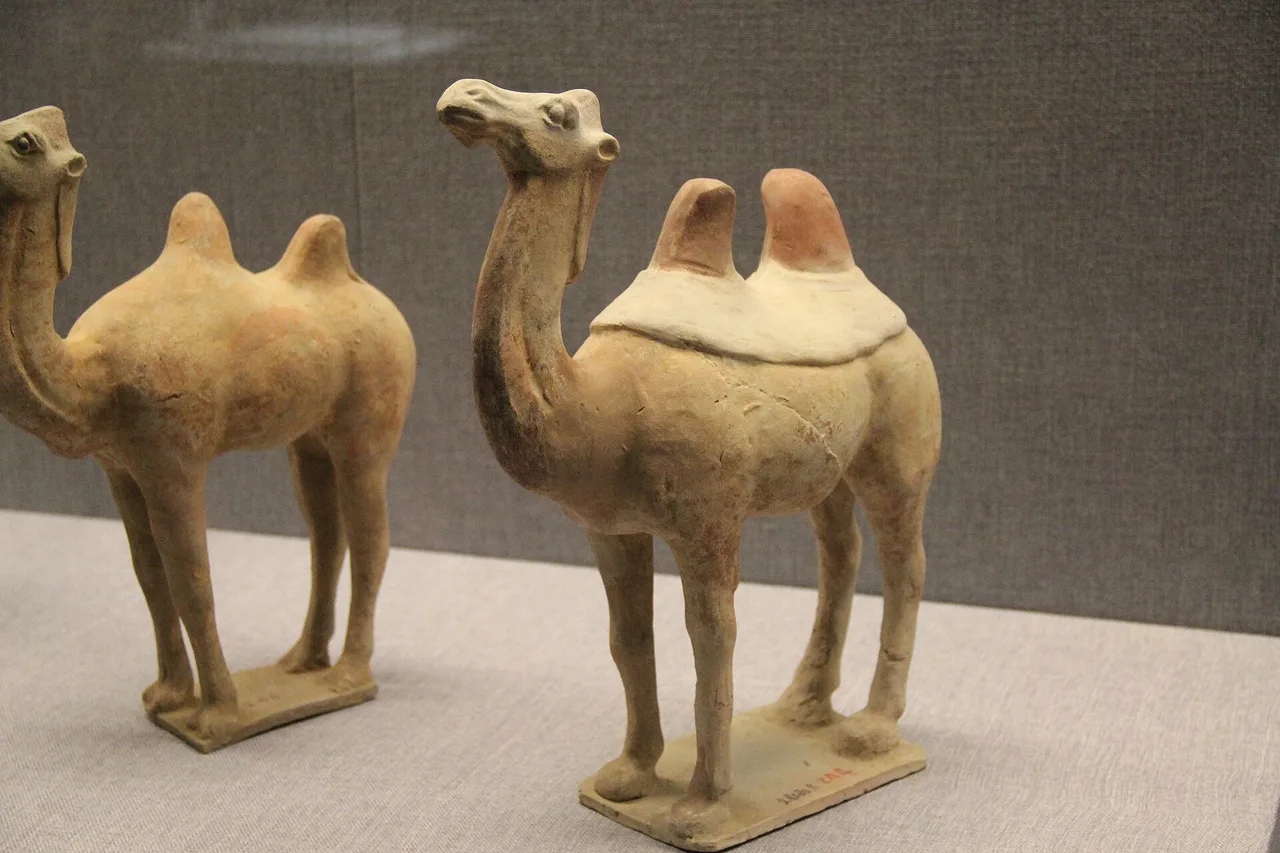
03. Cross-Dynasty Comparative Living Costs, Salaries, and Rent Pressures
The table below contrasts the purchasing power and commuting burdens of mid-Tang junior officials with counterparts in the Northern Song and Mid-Ming capitals:
| Dynasty & Sample Year | Official Post & Rank | Gross Monthly Compensation (Cash & In-Kind) | Monthly Rent for Modest Core Home | Monthly Commuting & Stabling Outlay | Welfare & State Housing Mechanism |
|---|---|---|---|---|---|
| Mid-Tang (803 CE, Chang'an) | Collator in the Palace Library (Rank 9a) | 16 strings of copper cash (~16,000 coins) | 3,000–5,000 coins (19%–31% of income) | 2,500–3,500 coins (stable feed and groom food) | No public dorms; relied on temple guestrooms or private rentals |
| Northern Song (1080 CE, Kaifeng) | Case Reviewer of the Court of Judicial Revie (Rank 8b) | 12 strings cash + 5 dan grain + charcoal/tea stipends | 4,000–7,000 coins (25%–40% of income) | 1,500–2,000 coins (donkey rentals or hired sedan chairs) | State Housing Agency offered public leases, though shortages remained chronic |
| Mid-Ming (1488 CE, Beijing) | Examining Editor of the Hanlin Academy (Rank 7b) | 7 dan official grain (discounted via paper notes/silver to ~4–5 taels) | 1.2–2.0 silver taels (25%–45% of real pay) | 0.8–1.2 silver taels (mule cart lease or servant escorts) | Guild halls and hostels existed; junior clerks rented south outside Xuanwumen |
> Data sources: Tang figures draw from the Comprehensive Mirror to Aid in Government, Institutional History of Tang, Cefu Yuangui, and Bai Juyi's collected works; Song figures draw from the History of Song, Long Draft of the Continuation of the Comprehensive Mirror to Aid in Government, and The Eastern Capital: A Dream of Splendor; Ming numbers draw from the Collected Statutes of the Ming Dynasty and Shen Bang's Miscellaneous Records of the Wanping County Office.
04. Monthly Expense Ledger of a Ninth-Rank Official (Bai Juyi, 803 CE)
Here is how a 16,000-cash monthly pay sheet looked against market prices in Zhenyuan-era Chang'an:
[Estimated Monthly Budget: Bai Juyi, 803 CE (19th Year of Zhenyuan)]
------------------------------------------------------------
Monthly Inflows:
  Base Official Cash Stipend:                  16,000 coins
------------------------------------------------------------
Monthly Outflows:
  1. Residential Rent (Compound in Changle/Xinchang Ward): 4,000 coins
  2. Commuter Horse Feed (Beans, bran, and dry alfalfa):  2,800 coins
  3. Retainer Food & Allowances (One groom, one page):    3,200 coins
  4. Personal Staple Foods (Flour, Guanzhong milled rice):1,500 coins
  5. Fuel & Lighting (Firewood, charcoal, sesame lamp oil):1,800 coins
  6. Wardrobe Upkeep & Scribe Supplies (Robes, ink, paper):  900 coins
  7. Social Obligations (Poetic exchanges, calling cards): 1,200 coins
------------------------------------------------------------
Total Monthly Outlays:                         15,400 coins
Net Monthly Balance:                              600 coins (~0.6 string)
Without health fees or dinner parties, Bai Juyi saved just six hundred bronze coins each month. When dry weather hit the city or regional Military Commissioners blocked canal boats, local food prices shot up. This quickly wiped out all savings. The Old Book of Tang shows times under Emperor Dezong when rice rose to five hundred coins per peck. Without family lands or gifts from rich bosses, junior clerks sank into debt.
05. Excluded from Ownership: The Relocation to Luoyang
With rents so high, could a junior clerk buy a home of his own?
In truth, buying a home was almost out of reach. Tang laws strictly ruled land sales. The Tang Code with Commentary required all land deals to carry state permits and tax marks. At the same time, rich families held onto land in central wards. A modest house in Changle Ward or Xinchang Ward cost hundreds to a thousand strings of cash. Saving just a few hundred coins each month meant a clerk had to save for decades to buy one house.
Later, Bai Juyi rose to Left Remonstrant and Hanlin Academician. His pay jumped to tens of thousands of coins. Yet he still rented homes in Xinchang Ward under Emperor Xianzong. He joked sadly that he had spent twenty years in city service without four walls of his own, noting that even snails had shells while he had no base.
High costs forced mid-Tang clerks to look elsewhere. Families moved to outer suburbs like Zhouzhi and Huxian, or went east to buy cheaper homes in the Eastern Capital of Luoyang.
Chang'an sat far inland and needed canal boats to bring in food. Luoyang, by contrast, sat right where the Tongji and Yongji canals met. Grain boats docked right at the city docks. Food prices in Luoyang ran at one-third to one-half of Chang'an rates. Homes in Luoyang had big yards and cost far less. In his forties, Bai Juyi bought an estate in Luoyang's Lvdao Ward. There, he dug ponds, grew bamboo, and gave his family a real home.
Gu Kuang's joke was dead on. Behind the grand walls of Chang'an, high rents, steep food prices, and costly horses built a wall that kept young clerks from owning a home.
Primary Sources & Historical Bibliography
- *Li Linfu et al., The Six Statutes of the Tang Dynasty (Tang Liudian)*, Vol. 8 (The Palace Library) and Vol. 26 (Court of the Imperial Granaries): Establishes the statutory rank tiers, duties, and official grain and land allotments for junior clerks like the Collator in the Palace Library.
- *Liu Xu et al., Old Book of Tang (Jiu Tangshu)*, Treatises on Food and Money (Vols. 48–49): Documents the expansion of the Two-Tax System, grain transport bottlenecks via the Grand Canal, and price volatility in Chang'an.
- *Bai Juyi, Collected Works of Bai Juyi (Bai Shi Changqing Ji)*: Primary poems including "On First Receiving the Post of Remonstrant," "Five Poems Presented to Friends," and "Taking Lodgings in Xinchang Ward," tracking career salaries and residential pressures.
- *Xu Jijun, Housing and Residential Culture in Ancient China (Zhongguo Gudai Fangchan yu Juju Wenhua)*, Zhejiang People's Publishing House: Examines urban rental mechanisms, real estate brokers, and state rental agencies in the Tang and Song eras.
- *Su Bai, Sui-Tang Chang'an and Luoyang (Sui Tang Chang'an cheng yu Luoyang cheng)*, Cultural Relics Publishing House: Integrates field excavations to reconstruct ward grids, functional zoning, and demographic density in the Tang capitals.