Chinese Coordinates
—
Western / Mediterranean Coordinates
Western / Mediterranean Coordinates: The Byzantine Empire and the dawn of English common law to the European Enlightenment and the eve of the Industrial Revolution
TL;DR · Core Takeaways
- Dismantling Late Qing Stereotypes: Popular ideas show premodern women trapped inside the home. Yet this cloistered image arose late. It took root during the Ming and Qing eras through clan rules and Cheng-Zhu learning. During the Tang and Song dynasties, ordinary women moved easily through bustling markets and worked across farming communities.
- Dual Protections in Tang and Song Law: Husbands did not hold unchecked power. The Tang Code with Commentary and the Song Penal Code recognized mutual separation. Women could also petition local courts to remarry when deserted. Judges strictly punished identity fraud in marriage swaps by cancelling unions.
- Song Protections for Personal Dowries: Song magistrates treated a bride's dowry as personal property. Creditors could not take it to pay a husband's debts, and clans could not absorb it. Unlike old English rules that gave a husband total control, Song law kept a wife's assets safe and distinct.
> Chinese Historical Coordinates: Second Year of the Linde Era of Emperor Gaozong of Tang (665 CE) to the Twenty-Fifth Year of the Qianlong Era of Emperor Gaozong of Qing (1760 CE)
01. 1. Teahouses and Market Vendors of Kaifeng: Daily Mobility and Social Space
On an autumn morning in 1080 CE—the third year of the Yuanfeng era under Emperor Shenzong—the avenue east of Xiangguo Monastery in Kaifeng bustled with vendors. Woodsmoke rose into the cold air. The matron of the Li family shop set out hot pastries, porcelain cups, and tea along the street. Down the road, city women pulled back bamboo blinds to check rolls of silk from Sichuan. They walked past a farmer and his wife carrying heavy baskets of river carp and greens on shoulder poles.
Meng Yuanlao described these lively scenes in his famous urban book, The Eastern Capital: A Dream of Splendors. Women in the Eastern Capital regularly dined in large restaurants like the Fan Tower and the Pan Tower. During spring outings and city festivals, whole families of women walked along major boulevards until late at night. Working women found steady jobs across town. They earned living wages as seamstresses, teahouse cooks, matchmakers, pawnbrokers, and city midwives.

Old moral texts often told women to stay deep inside the household. These rules began back in the Western Han with works like Jia Yi's New Writings. Yet those books set down an elite ideal for Grand Master families, not daily life for ordinary people. Across country farms and town markets, women planted rice crops, spun fresh silk threads from cocoons, and sold handmade goods to keep their families fed.
Family records from the Northern and Southern Dynasties show that wives ran their households with real power. In A New Account of the Tales of the World, Lady Liu managed family life with great skill. Elite mothers in the houses of top generals like Chu Pou, Yin Zhongkan Yin Zhongkan, and Huan Wen Huan Wen guided core family plans. In the Southern Dynasties, leaders like Fan Yun wrote of clever, outspoken women. In the Tianbao era of the Tang dynasty, women put on leather boots, wore tunics, rode fine horses through town, and played polo. Tomb statues and early stories show that women moved through wide public spaces.
02. 2. Marriage Contracts, Identity Fraud, and No-Fault Divorce: The Tang-Song Legal Exit
Marriage under Tang and Song law worked like a binding civil contract. It was not just a private clan deal. Both families signed clear legal papers supervised by local magistrates.
2.1 Punishing Deception: Fraudulent Impersonation and Annulment
Modern television dramas often use bridal swap tricks for drama. Yet real Tang and Song laws punished this deception severely. Clear rules in the Tang Code with Commentary and the Song Penal Code dealt with dishonest betrothals:
> "In contracting a marriage, if the woman's family commits fraudulent deception, the responsible party shall receive one year of penal servitude. If the man's family deceives, the penalty shall be increased by one degree. If the wedding has not taken place, the original contract stands; if already completed, the marriage shall be dissolved."
Families arranged matches through the Six Rites. Official families traded ancestral books, birth horoscopes, and child registries. Common folk drew up written wedding deals signed by neighbors. The law banned swapping people at the altar. A family could not present a healthy eldest child during talks and then send a sick child on the wedding day. When a victim filed a claim, the county judge sentenced the guilty family head, cancelled the marriage, and sent the bride home.
2.2 Mutual Separation and Judicial Petitions for Remarriage
Beyond unilateral divorce and required splits after violent crimes, Tang and Song laws recognized mutual consent divorces. The Institutional History of Tang and local records show how this worked. In separation deeds found at the Mogao Grottoes in Dunhuang, standard divorce forms stated:
> "Husband and wife unite through karmic ties woven over three previous lifetimes... Yet when two hearts harbor differing desires, agreement cannot stand. Let us gather our kinsmen and part on our respective paths, releasing all resentment and harboring no malice. May this single parting bring ease to both, and joy to each future life."
Splitting up by mutual choice did not bring deep social shame. It let both people start over without family feuds.
[Tang-Song Urban Marriage Costs and Monthly Household Budget (Baseline: Mid-Tier Kaifeng Resident, Yuanfeng Era)]
----------------------------------------------------------------------------------------------------------------
1. Betrothal and Wedding Settlement Phase:
   - Cash down-payment and gifts: 10–30 taels of silver, 10–20 bolts of silk, jewelry set (approx. 25–60 strings of cash)
   - Official contract registration and matchmaker gratuities: 1–3 strings of cash
2. Monthly Household Expenses (Five-Person Family):
   - Staple grain (2.5 shi of rice and wheat flour): approx. 2,000–2,500 copper coins (2–2.5 strings)
   - Firewood, charcoal, salt, bean pastes, and vinegar: approx. 800–1,200 copper coins
   - Daily teahouse purchases, seasonal greens, and butcher's pork: approx. 1,000–1,500 copper coins
   - Residential tenancy rent: 1,000–1,800 copper coins per month
   - Total minimum monthly living cost: approx. 5–7 strings of cash (160–230 copper coins per day)
----------------------------------------------------------------------------------------------------------------
When husbands walked away, the Criminal Statutes gave wives a legal way out. If a husband ran away for three years or wed someone else, a wife could ask the court for a remarriage permit. Even an Imperial Princess and women of the Imperial Clan could remarry without social blame. During power struggles like the Restoration of Emperor Zhongzong and Turmoil of Empress Wei, royal women wed new partners often. The Northern Song thinker Fan Zhongyan lost his father as a baby. His mother took him along when she remarried into another family. When Zhongyan passed his exams and welcomed his mother back, other scholars accepted her with full respect.
03. 3. Dowries and Inheritance Law: Song Jurisprudence Versus English Common Law
In early times, Song laws gave married women strong rights over their own wealth.
3.1 Personal Ownership of Dowries
Song laws and legal casebooks like the Collection of Enlightened Judgments by Celebrated Officials gave wives clear control over their dowries. When a young woman married, her parents gave her farmland, town houses, silver items, and fine clothes. The Song Penal Code stated that these dowry lands and goods stayed the wife's personal property, never turning into family estate land.
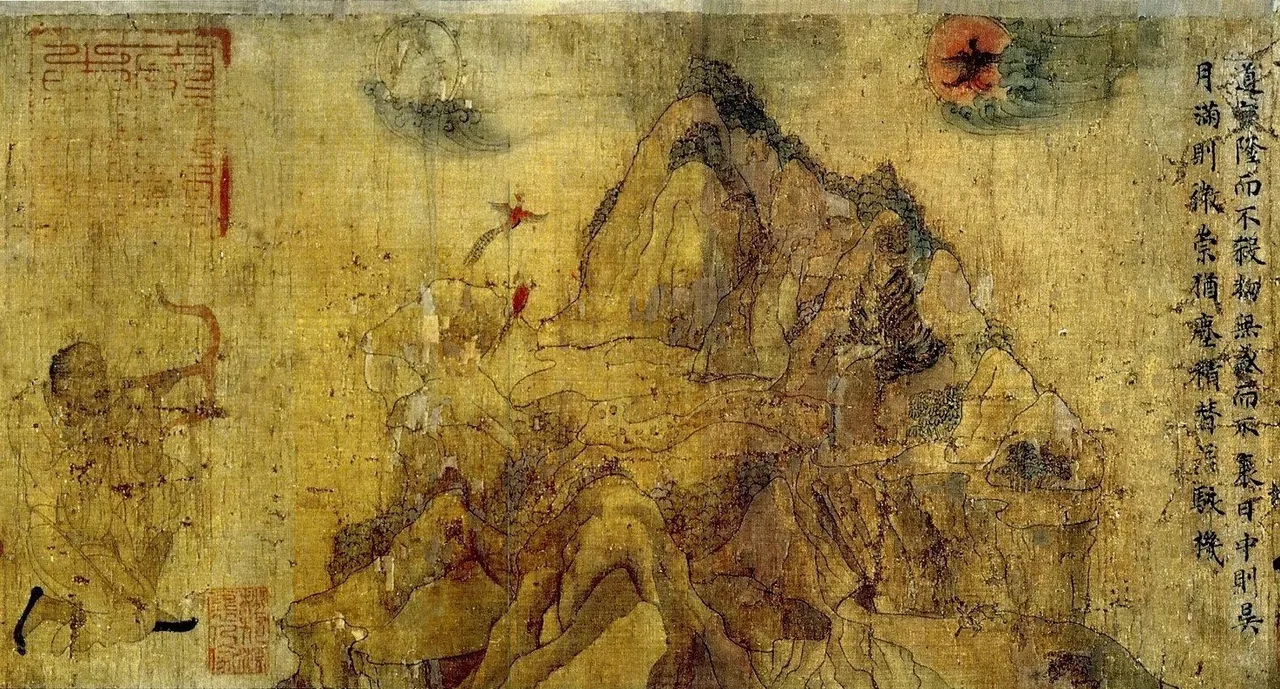
If a husband ran into bad debt or failed to pay his grain taxes, neither private lenders nor local judges could touch his wife's dowry. When brothers split up family lands, they could not touch a sister-in-law's personal wealth. If the couple divorced or the husband died without children, the wife kept her original deeds and goods.
Song inheritance law also protected daughters when a family had no sons. In those homes, unmarried daughters took two-thirds or all of the estate. Married daughters received one-third. This legal right gave women real security against greedy uncles and cousins.
3.2 Evolution of Women's Legal Status, Property Rights, and Social Space
Women experienced notable shifts in legal status, moving from open mobility under the Tang and Song to strict clan limits under the Ming and Qing:
| Historical Era | Urban Mobility and Space | Dowry Ownership and Inheritance Law | Divorce and Remarriage Norms |
|---|---|---|---|
| Han through Tang (202 BCE–907 CE) | Broad freedom; common women worked in busy town markets; elite women rode horses, shot arrows, and joined open festivals. | Families registered dowry land under the bride's name; early rules guarded a mother's assets; widows ran home estates. | Codes allowed mutual consent divorce and court separation; Dunhuang deeds show peaceful partings; remarriage was common. |
| Song Dynasty (960–1279 CE, including Southern Song Southern Song) | Thriving trade; teahouses, food stalls, and workshops in Kaifeng and Lin'an hired women; clans did not lock women inside. | The Song Penal Code protected private dowry title; debts did not affect a wife's land; daughters inherited when no sons lived. | Deserted wives could petition courts to remarry after three years; even as Cheng-Zhu learning grew, judges followed property law. |
| Yuan and Ming (1271–1644 CE) | Neo-Confucian dogma shaped state law; early Ming registers bound homes; elite seclusion grew, and clan leaders watched women. | Ming codes cut away Song protections: remarrying widows lost both their late husband's land and their dowries to his clan. | Mutual consent splits vanished from law; the state rewarded lifelong widowhood; clans took dowries from remarrying widows. |
| Qing Dynasty (1644–1912 CE) | Foot-binding spread widely among Han Chinese farm homes; it hurt mobility; lineage halls used harsh rules to enforce indoor life. | Kept Ming laws: remarrying widows lost all dowry land to the first husband's kin; bringing in an adopted son-in-law was risky. | Chastity arches grew common; laws punished people who forced widows to wed, but poor remarrying widows faced harsh social bias. |
3.3 Comparative Horizons: Song Dowry Safeguards Versus English Coverture
From the eleventh century to the thirteenth century, European and Asian courts treated married women's property in very different ways. English common law used a rule called coverture:
- When a woman married, her legal standing merged into her husband's name.
- The husband collected the rent from her land, took her personal goods, and made all business deals. A wife could not sign deals or sue in court by herself.
- English judges kept these coverture rules until Parliament passed modern property acts in the late nineteenth century.
In contrast, Song law gave husbands household leadership while keeping clear shields around bridal estates. In the Collection of Enlightened Judgments by Celebrated Officials, judges heard cases where in-laws pressured young widows to yield dowry plots for family debts. Judges rejected these demands. They ruled that items given by a wife's parents belonged solely to her. This legal shield gave Song wives private financial strength long before similar laws reached England.
04. 4. Institutional Hardening: From Early Ming Law to Late Imperial Confinement
The shift from Song mobility to late imperial isolation did not happen because of abstract ideas alone. It grew out of new statutes, expanding lineage halls, and physical controls.
The first big change came with asset confiscation upon remarriage. When Emperor Taizu of Ming, Zhu Yuanzhang, issued the Great Ming Code, he erased Song dowry protections and set down a harsh new rule:
> "If a widowed wife remains chaste to raise orphans, having no sons, she may manage her deceased husband's portion. Should she remarry, her husband's family property along with her own dowry shall entirely pass to the head of her former husband's clan."
This law created harmful economic incentives. If a widow chose to remarry, her dead husband's clan took her land, jewelry, and family gifts. To keep this valuable land, in-laws blocked her from remarrying or used lineage councils to force compliance.
A second barrier grew as foot-binding spread from the Imperial Court to the wider population. During the Song, foot-binding remained a rare custom among palace performers and elite dancers. It did not affect ordinary working families. From the middle of the Ming era, however, family pride and marriage competition pushed foot-binding down into town shops and farming villages.
Foot damage made long walks painful, shutting common women out of heavy field chores, street trade, and travel. Clan books praised domestic seclusion as a high moral virtue. At the same time, Qing court rules freed families that kept chaste widows from state labor duties. Trapped by property loss, foot pain, and strict clan halls, Qing women faced indoor confinement. Later eras mistook this late change for an eternal Chinese tradition.
Tang and Song records prove that the legal status of Chinese women was never frozen across history. Their rights to own land, travel outside, and seek court relief shifted as codes changed and trade grew through the Yuanming and late dynastic eras.
Primary Sources & Historical Bibliography
- Official Legal Codes and Dynastic Records:
- Tang Code with Commentary, Vol. 13, "Statutes on Households and Marriage"; Song Penal Code, Vol. 13, "Statutes on Households and Marriage," punctuated edition, Zhonghua Book Company.
- Institutional History of Tang, Vol. 100, "Miscellaneous Records on Marriage," Qing Qianlong Wu Ying Palace woodblock edition, reviewed by the Imperial Secretary.
- Great Ming Code, Vol. 6, "Civil Statutes: Marriage," Ming Jiajing edition.
- For early precedents, see notes by Kong Anguo in the Correct Meaning of the Book of Documents and the "Worthy Beauties" chapter in A New Account of the Tales of the World.
- Judicial Casebooks and Excavated Documents:
- Collection of Enlightened Judgments by Celebrated Officials, Vol. 8, "Household and Marriage Division: Dowry and Dissolution Cases," Institute of History, CASS, Zhonghua Book Company, 1987.
- Dunhuang and Turpan manuscripts: "Documents of Wife Release," shelfmarks S.4144 and P.3730.
- Meng Yuanlao, The Eastern Capital: A Dream of Splendors, Vols. 2 and 3, Zhonghua Book Company, 1982.
- Modern Social and Legal History Scholarship:
- Robert van Gulik, Sexual Life in Ancient China: A Preliminary Survey of Chinese Sex and Society from ca. 1500 B.C. till 1644 A.D., Brill, 1961.
- Shiga Shūzō, Principles of Chinese Family Law, Sobunsha, 1967 (specialized chapters on Song dowry title and estate succession in sonless households).
- Charlotte Furth, A Flourishing Yin: Gender in China's Medical History, 960–1665, University of California Press, 1999.