The Eastern Jin (317–420) was the second phase of the Jin dynasty. In the final years of the Western Jin, the War of the Eight Princes was followed by the Disaster of Yongjia. Luoyang and Chang'an fell in succession, and Emperor Huai of Jin and Emperor Min of Jin were captured and later killed, plunging the Central Plains into disorder. In 317, the fifth year of Jianxing, Sima Rui, Prince of Langya, rebuilt the Jin court at Jiankang (present-day Nanjing, Jiangsu) with the support of major…
317 CE–420 CECapital · See entry
ERA OVERVIEW
The Eastern Jin (317–420) was the second phase of the Jin dynasty. In the final years of the Western Jin, the War of the Eight Princes was followed by the Disaster of Yongjia. Luoyang and Chang'an fell in succession, and Emperor Huai of Jin and Emperor Min of Jin were captured and later killed, plunging the Central Plains into disorder. In 317, the fifth year of Jianxing, Sima Rui, Prince of Langya, rebuilt the Jin court at Jiankang (present-day Nanjing, Jiangsu) with the support of major aristocratic families from both north and south. He became Emperor Yuan of Jin, and the regime became known historically as the Eastern Jin. Because most of its territory lay in Jiangdong, also known in antiquity as Jiangzuo, “Jiangzuo” was also used as a designation for the Eastern Jin. Historical texts sometimes also called it the “Middle Jin” in reference to the idea of restoring the Jin house. From its foundation, Eastern Jin remained centered in Jiangzuo, with territory generally south of the Huai and Yangtze rivers, and confronted the divided states of the north over a long period.
Time span317 CE–420 CE
CapitalSee entry
ERA TIMELINE
Sima Rui established the Eastern Jin aOpen
Sima Rui established the Eastern Jin at Jiankang.
The Su Jun Rebellion was suppressed.Open
The Su Jun Rebellion was suppressed.
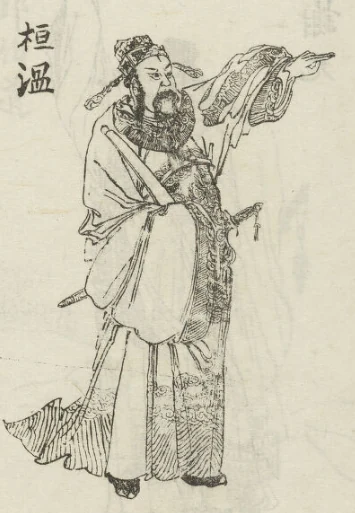
Huan Wen destroyed Cheng Han.Open
Huan Wen destroyed Cheng Han.
Huan Wen launched his first northern eOpen
Huan Wen launched his first northern expedition.
Eastern Jin defeated Former Qin at theOpen
Eastern Jin defeated Former Qin at the Battle of the Fei River.
The Sun En Rebellion began.Open
The Sun En Rebellion began.
Huan Xuan usurped the throne; Liu Yu sOpen
Huan Xuan usurped the throne; Liu Yu subsequently raised troops against him.
Liu Yu's northern expedition entered COpen
Liu Yu's northern expedition entered Chang'an.
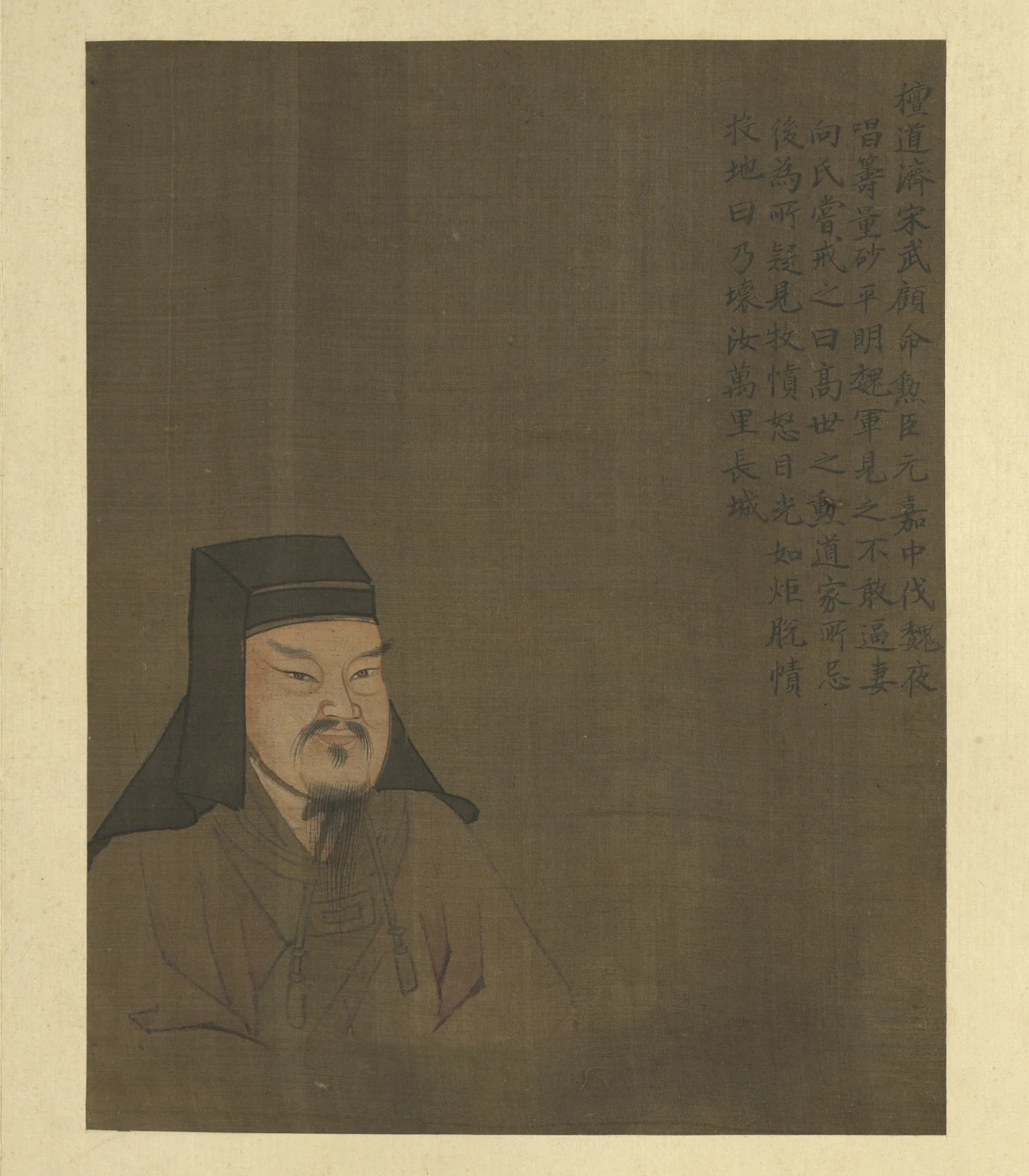
Liu Yu replaced Jin with Song, ending Open
Liu Yu replaced Jin with Song, ending the Eastern Jin.
FULL ENTRY
Overview
The Eastern Jin (317–420) was the second phase of the Jin dynasty. In the final years of the Western Jin, the War of the Eight Princes was followed by the Disaster of Yongjia. Luoyang and Chang'an fell in succession, and Emperor Huai of Jin and Emperor Min of Jin were captured and later killed, plunging the Central Plains into disorder. In 317, the fifth year of Jianxing, Sima Rui, Prince of Langya, rebuilt the Jin court at Jiankang (present-day Nanjing, Jiangsu) with the support of major aristocratic families from both north and south. He became Emperor Yuan of Jin, and the regime became known historically as the Eastern Jin. Because most of its territory lay in Jiangdong, also known in antiquity as Jiangzuo, “Jiangzuo” was also used as a designation for the Eastern Jin. Historical texts sometimes also called it the “Middle Jin” in reference to the idea of restoring the Jin house. From its foundation, Eastern Jin remained centered in Jiangzuo, with territory generally south of the Huai and Yangtze rivers, and confronted the divided states of the north over a long period.
A defining feature of Eastern Jin politics was the high point of aristocratic clan government and the weakening of imperial authority. At first Wang Dao of the Langya Wang clan played the leading role in government, giving rise to the contemporary saying “Wang and Sima share the realm.” Later, members of the Chen Commandery Xie clan, including Xie An and Xie Xuan, became prominent. Migrant northern aristocratic families such as the Wang, Xie, Yuan, and Xiao clans and established Jiangnan families such as the Zhu, Zhang, Gu, and Lu clans both cooperated and competed. The Eastern Jin experienced major events including northern expeditions, the Battle of the Fei River, and Huan Xuan's rebellion. In 420, the second year of Yuanxi, it was replaced by the Liu Song founded by Liu Yu, ending Sima clan rule. Eastern Jin, together with the earlier Sun Wu and the later Song, Qi, Liang, and Chen dynasties, is collectively associated with the Six Dynasties. Because sixteen major regional states successively appeared in the north, historians often call the broader period the Eastern Jin and Sixteen Kingdoms period.
Historical Development
Establishment: In the final years of Western Jin, Liu Yuan established Han-Zhao in 304, the first year of Yongxing, and states such as Later Zhao and Former Yan later arose, plunging the Central Plains into prolonged conflict. Between 303, the second year of Taian, and 310, the fourth year of Yongjia, three rebellions in Jiangnan were suppressed by Zhou Qi of the Zhou clan of Yixing, an episode known as the “Three Pacifications of Jiangnan,” helping preserve regional stability. After 307, the first year of Yongjia, Sima Rui followed Wang Dao's advice and moved his base to Jiangdong. Wang Dao's policy of “keeping the region calm so that public feeling would settle” helped stabilize the situation, and through local notables Gu Rong and He Xun the regime gained the support of established Jiangnan elites. Large numbers of northern aristocratic families and imperial clansmen migrated south in the movement known as the southward migration of elite families, allowing their social and political influence to continue. After the Western Jin fell in 317, Sima Rui reestablished the Jin court and formally founded the Eastern Jin.
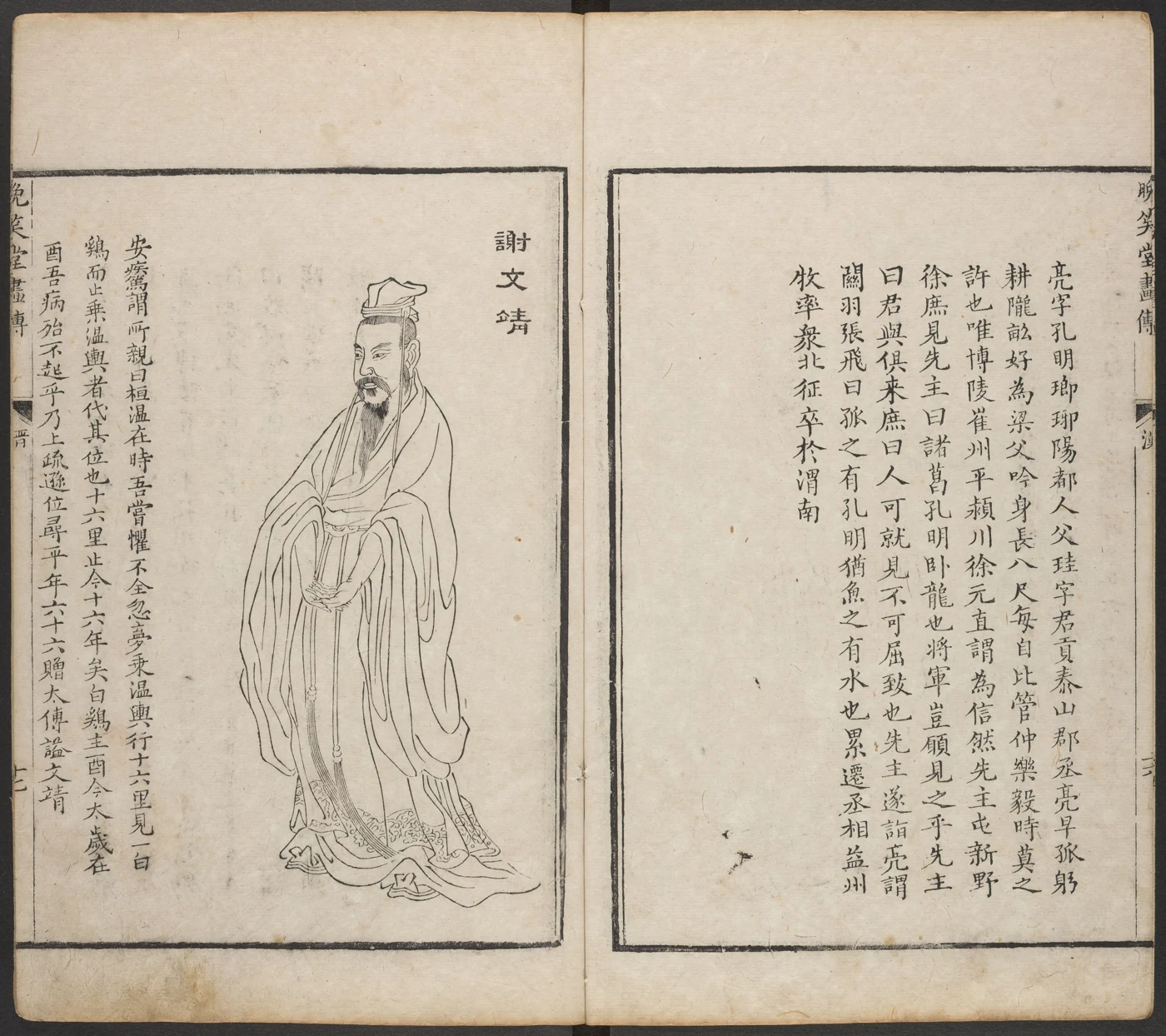
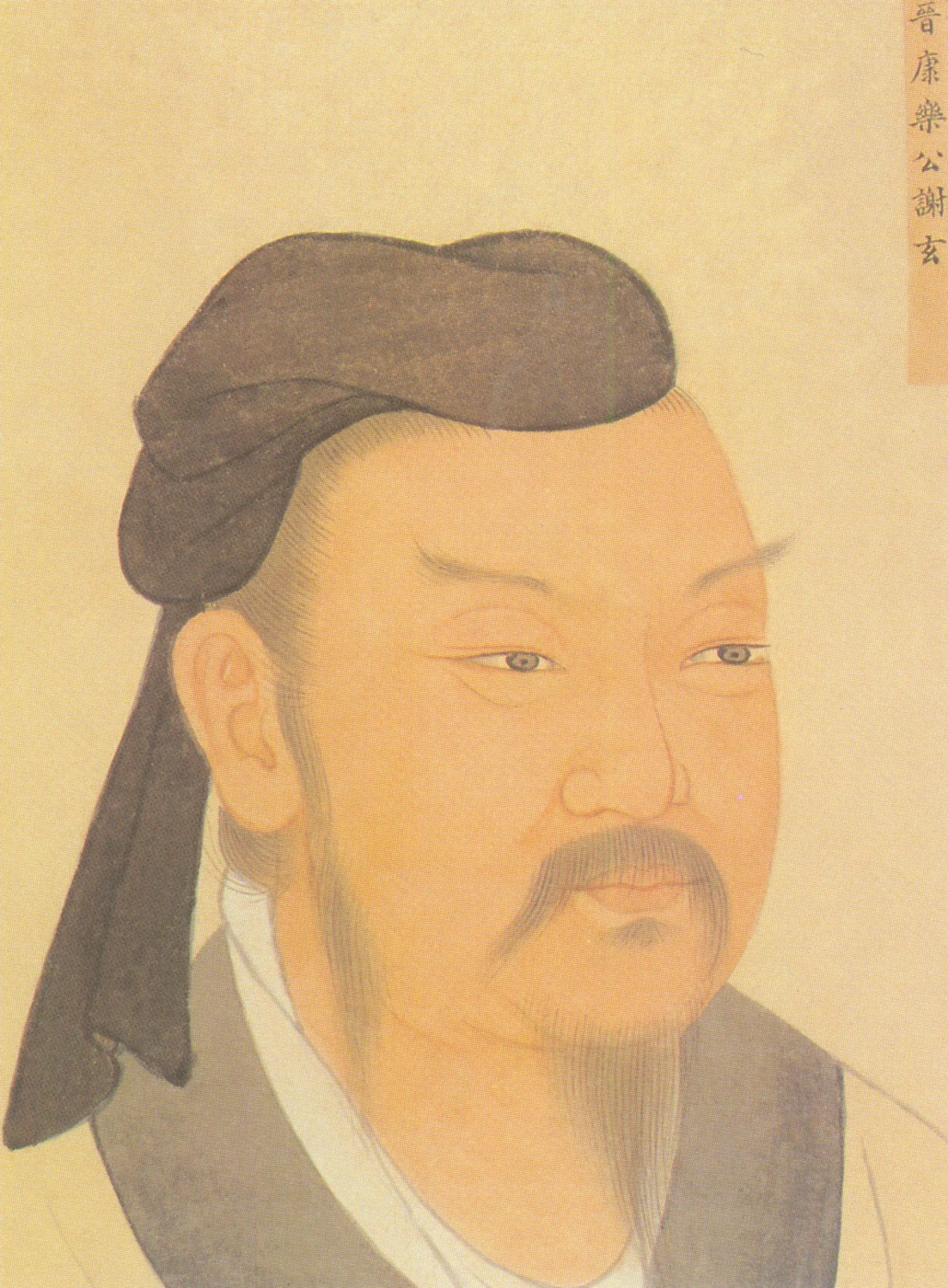
Height: For most of its history, Eastern Jin relied on the natural defense of the Yangtze and maintained rule in the south, allowing the economy and aristocratic culture of Jiangnan to develop. In 346, the second year of Yonghe, General Who Pacifies the West Huan Wen attacked Cheng Han, and in the following year captured Chengdu and destroyed the state. Eastern Jin thereby unified the south and confronted Later Zhao across the Qinling-Huai frontier. In 383, the eighth year of Taiyuan, Fu Jian of Former Qin launched a major southern invasion. Chancellor Xie An strongly advocated resistance and sent Xie Shi and Xie Xuan with the Beifu Army. At the Battle of the Fei River, Eastern Jin won a major victory despite being numerically weaker, and Fu Jian retreated north after being wounded by an arrow. The defeat caused Former Qin to disintegrate and the north to return to prolonged division. Eastern Jin reached a high point of military prestige and took advantage of the situation to launch northern campaigns that recovered territory south of the Yellow River and Qinling Mountains.
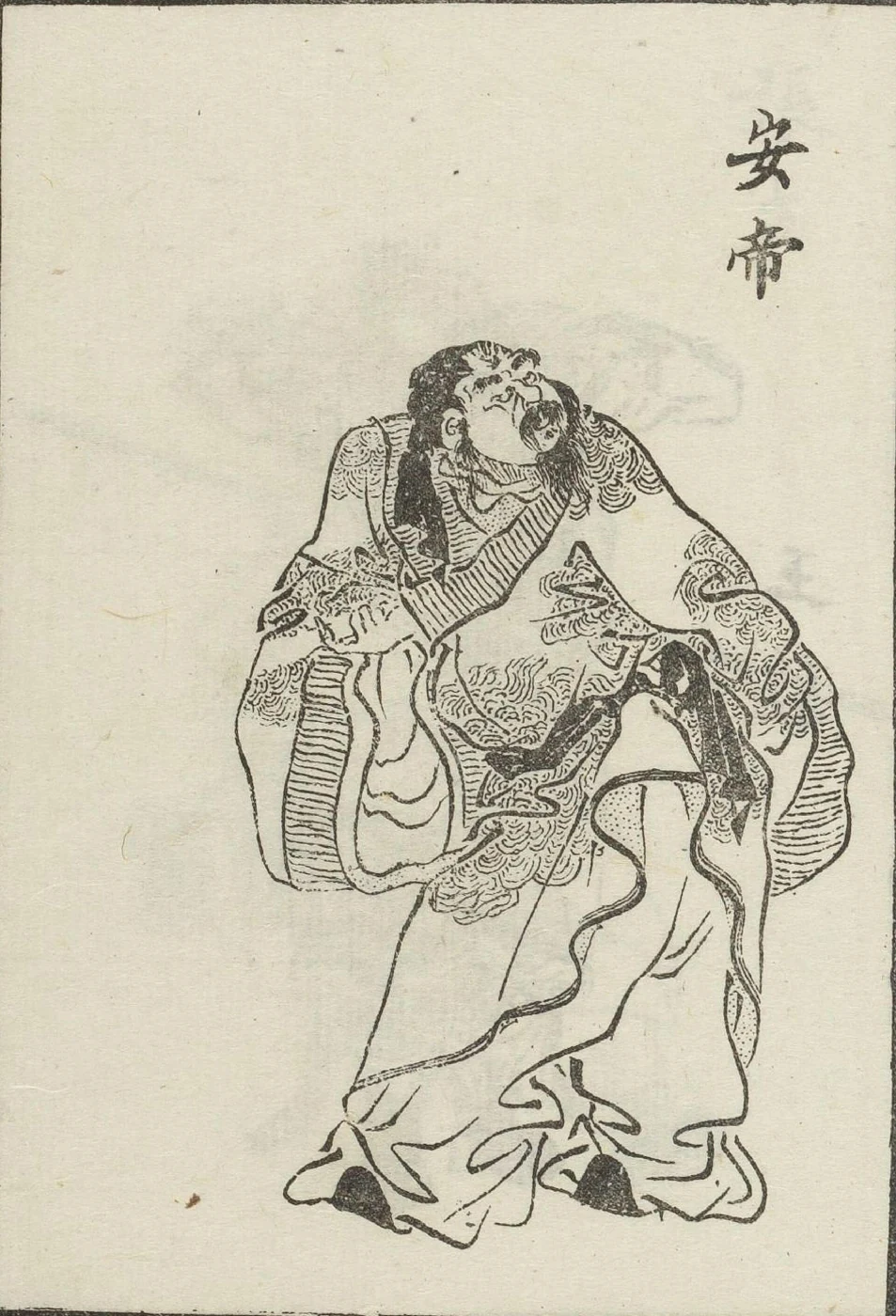
Turning Point: After the Battle of the Fei River, internal tensions within Eastern Jin grew. Xie An died, and political power increasingly passed into the hands of Sima Daozi and Sima Yuanxian, while corruption and heavy taxation worsened. Huan Xuan, son of Huan Wen, used his position as the leading regional commander to absorb upstream military commands and came to control roughly two-thirds of Eastern Jin territory. In 402, the first year of Yuanxing, he entered Jiankang; in 404, the first year of Tianxing, he deposed Emperor An of Jin, proclaimed himself emperor, and established Chu, historically known as Huan Chu. In the same year, Liu Yu raised troops at Jingkou against him, defeated Huan Xuan, and nominally restored the Eastern Jin. Real power, however, now rested in Liu Yu's hands.
Decline: After defeating the Huan clan, Liu Yu sought to strengthen his authority and eliminate competing regional powers through a series of northern expeditions and unification campaigns. He successively destroyed Southern Yan, Qiao Shu, and Later Qin and recovered Shandong, Henan, and the Guanzhong region, although Guanzhong was soon taken by Helian Bobo. Liu Yu also implemented the tuduan registration policy, appointed imperial princes rather than great aristocrats to strategic commands, and weakened the power of major elite families in the provinces. As a result, the Jiankang court increasingly escaped aristocratic control, while the Jin imperial house itself became largely nominal.
Fall: In 420, the second year of Yuanxi, Liu Yu deposed Emperor Gong of Jin, Sima Dewen, proclaimed himself emperor, and established the state of Song, historically known as Liu Song. He became Emperor Wu of Song, and the Eastern Jin came to an end. Northern Wei later unified northern China in 439, after which China entered the Northern and Southern Dynasties period.
Politics and Institutions
The Eastern Jin continued the aristocratic clan politics that had developed under the Wei and Jin, and this system reached its height while imperial authority weakened. Sima Rui's accession depended on the support of Jiangnan elites, and members of the imperial house, imperial in-laws, and great clans such as the Wang, Xie, Yu, and Huan families successively shared political power. Migrant northern aristocrats and established Jiangnan families differed in regional background and cultural traditions and sometimes excluded one another, with the northern émigré clans generally remaining dominant. Members of elite families could advance “smoothly through office and sit their way to the highest ranks,” while descriptions such as “although the Jin ruler possessed the honor of facing south, he lacked real control; government issued from many gates and public authority passed away from the state” summarized the weakness of imperial power.
Administratively, Eastern Jin inherited the Western Jin system of prefectures, commanderies, and counties. To settle migrant aristocrats and refugees from the north, it established nominal prefectures, commanderies, and counties in areas where migrants concentrated, often preserving the names of their northern places of origin. Migrants were recorded in separate household registers and initially enjoyed exemptions from taxation and labor service. As political conditions stabilized, successive governments implemented tuduan, assigning people to registration based on actual residence and bringing migrant jurisdictions and households increasingly under the same taxation and service obligations as ordinary local administration. In 413, Liu Yu carried out a large-scale tuduan that abolished or merged many nominal commanderies and counties. In official selection, aristocratic families compiled genealogies, genealogical studies flourished, and family registers became important evidence for officeholding. The division between elite and commoner status was therefore especially strict.
Military and Foreign Relations
The Eastern Jin military system broadly continued earlier institutions but developed in response to weak imperial authority. Central armies often existed more in name than in effective power, while regional armies were frequently controlled by aristocratic military families; the Jingzhou army at times surpassed the central army in strength. Because warfare greatly reduced hereditary military households, recruitment and conscription increasingly supplied manpower. The Beifu Army, raised from northern refugees around Jingkou, an important Yangzhou base known as the “Northern Headquarters,” became especially important and in the later Eastern Jin effectively served as a central army.
Northern expeditions were a constant theme of Eastern Jin foreign and military policy. Zu Ti, the brothers Yu Liang and Yu Yi, Huan Wen, Xie Xuan, Liu Yu, and others successively led northern campaigns. Many failed because of suspicion at court and internal disagreement, though Liu Yu's campaigns temporarily recovered Luoyang and Chang'an. Numerous northern states founded by Xiongnu, Xianbei, Di, Qiang, Jie, and other groups—including Former Zhao, Later Zhao, Former Yan, Former Qin, and Later Qin—confronted the Eastern Jin. Former Qin destroyed Dai in 370 and unified much of the north by around 376 before its southern invasion ended in defeat at the Battle of the Fei River. Eastern Jin also maintained diplomatic and commercial relations with Goguryeo, Baekje, Silla, Wa (Japan), India, Linyi in southern Vietnam, Funan in Cambodia, and other regions.
Economy and Commerce
Early in the Eastern Jin, Emperor Yuan encouraged agriculture and established military colonies to stabilize the regime. Large areas of farmland were developed along the Huai River and south of the Yangtze. The migration of large northern populations brought labor, agricultural techniques, and northern crops such as wheat and beans. Ox-drawn plowing became widespread, irrigation works were repeatedly constructed, and the Three Wu region developed into a major grain-producing area. Over the long term, these developments contributed to the southward shift of China's economic center. Estate agriculture was more prominent than in the north, and northern and southern aristocratic families acquired extensive fields, waterways, and dependent labor. The source cites the Diao Kui clan as holding ten thousand qing of land and one thousand slaves, illustrating growing inequality. The court attempted measures such as land survey and rent collection in 330 and the “Renchen Edict” of 336 banning private enclosure of mountains and waterways, but with limited effect.
Handicrafts also developed, including ironworking at sites such as Meigen and Yetang, sericulture and silk production, textile manufacture under official workshops, ceramics, papermaking, and shipbuilding. Northern and southern techniques interacted, raising production levels beyond those of the Western Jin. Commerce was relatively active; the source describes people as “competing in trade rather than farming.” Jiankang had four major markets and was highly prosperous, while cities such as Danyang and Yuhang also developed. Eastern Jin maintained border markets with northern regimes and engaged in maritime trade with Linyi, Funan, Persia, Daqin (Rome), and other regions.
Culture and Society
Although the Eastern Jin was not among China's strongest dynasties politically, it was a major period of literary and artistic achievement. Wang Xizhi synthesized earlier calligraphic traditions and became known as the “Sage of Calligraphy”; his *Preface to the Orchid Pavilion Collection* was regarded as a masterpiece. His son Wang Xianzhi was also celebrated, and father and son were known together as the “Two Wangs.” Gu Kaizhi excelled in figure and landscape painting and emphasized expressive vitality; he became known as the “Sage of Painting,” with works traditionally associated with him including *Admonitions of the Instructress to the Court Ladies* and *Nymph of the Luo River*. In literature, Tao Yuanming established the pastoral-poetry tradition, Xie Lingyun helped pioneer landscape poetry, and parallel prose became widespread. Gan Bao's *In Search of the Supernatural* and works such as Ge Hong's *Miscellaneous Records of the Western Capital* were also influential in the development of supernatural and anecdotal writing. Xuanxue philosophical conversation remained fashionable under elite patronage, while Confucianism, Buddhism, and xuanxue interacted. Figures such as Zhi Dun and Huiyuan contributed to the spread of Buddhism in the south. Faxian traveled to India in 399 in search of scriptures and later wrote the *A Record of Buddhist Kingdoms*. In astronomy and calendrical studies, Yu Xi identified precession, contributing to calendrical reform, while Ge Hong's *Baopuzi* preserved knowledge of alchemical practice. The well-known legend of Liang Shanbo and Zhu Yingtai is also traditionally set against an Eastern Jin background.
> This section explains the rulers' positions in the evolution of the regime; full biographies are provided in the corresponding person entries.
Historical Assessments and Legacy
Contemporary commentary praised Wang Dao's policy of “maintaining calm,” while later statements attributed to him reflected the compromises required by the Eastern Jin's southern position. Contemporary critics also accused the regime of corruption and confused administration, and powerful ministers such as Yu Liang and Wang Dao constrained one another while northern expeditions were often hindered by political suspicion. Phrases such as “Wang and Sima share the realm” and “although the Jin ruler possessed the honor of facing south, he lacked real control” expressed the reality of weakened imperial authority and aristocratic co-government.
Later historical writing often characterized Eastern Jin as a southern regime that failed to recover the Central Plains, and treated aristocratic dominance, weak imperial authority, and repeated internal conflict as characteristic weaknesses. The *Book of Wei* included a “Biography of the Usurping Jin Sima Rui,” and Northern Wei and Northern Qi did not recognize Eastern Jin legitimacy. At the same time, later historians have strongly emphasized its role in cultural continuity and southern development. Eastern Jin preserved and developed Wei-Jin aristocratic culture and artistic traditions, laid foundations for the flourishing culture of the Southern Dynasties, and contributed substantially to the economic development of the south and the long-term southward shift of China's economic center. The southward migration of elite families and the rise of Jiangnan therefore became important parts of its broader historical legacy.