Sima Yan established Jin; Western Jin formally began.
266 CE–316 CE
Western Jin
Unified dynasty西晋
Western Jin was the first phase of the Jin dynasty and succeeded the era of Three Kingdoms division. In 265, Sima Yan compelled the Wei emperor to abdicate and founded Jin; in 266 he formally inaugurated the Taishi era. Western Jin lasted until 316, when Emperor Min surrendered to Liu Yao of the Xiongnu-led Han-Zhao state, for a total of roughly fifty years. Early Western Jin briefly reunified the empire and enjoyed relative stability, but the regime inherited the aristocratic politics of the…
266 CE–316 CECapital · See entry
ERA OVERVIEW
Western Jin was the first phase of the Jin dynasty and succeeded the era of Three Kingdoms division. In 265, Sima Yan compelled the Wei emperor to abdicate and founded Jin; in 266 he formally inaugurated the Taishi era. Western Jin lasted until 316, when Emperor Min surrendered to Liu Yao of the Xiongnu-led Han-Zhao state, for a total of roughly fifty years. Early Western Jin briefly reunified the empire and enjoyed relative stability, but the regime inherited the aristocratic politics of the Wei-Jin era. Internal tensions and struggles among imperial princes culminated in the War of the Eight Princes. The resulting destruction, combined with uprisings and the rise of non-Han military forces, brought down the dynasty. A branch of the imperial family later established Eastern Jin south of the Yangtze, while northern China entered the era of the Sixteen Kingdoms.
Time span266 CE–316 CE
CapitalSee entry
ERA TIMELINE
Jin launched a multi-front invasion of Wu.
Sun Wu fell and Western Jin achieved unification.
Emperor Wu died; succession problems intensified.
War of the Eight Princes began.
Struggles involving Sima Lun and other princes enlarged the civil war.
Liu Yuan and Li Xiong established regimes, deepening northern fragmentation.
Disaster of Yongjia; Luoyang fell.
Chang'an fell and Western Jin ended.
FULL ENTRY
Historical Development
Establishment: In the late Cao Wei period, power passed into the hands of the Sima family. Sima Zhao and then his son Sima Yan controlled the government. In 265, Sima Yan forced Emperor Yuan of Wei to abdicate, founded Jin, and made Luoyang the capital. Historians call this regime Western Jin. In the following year he inaugurated the Taishi era.
High Point: During the early reign of Emperor Wu, Sima Yan, the former Shu territory of Bashu gradually stabilized after its conquest by Wei. In 279 Jin launched its campaign against Wu, and in 280 Sun Wu fell. China was reunified, ending decades of Three Kingdoms division, and Western Jin reached its high point.
Turning Point: After unification, great aristocratic families monopolized office, elite extravagance intensified, and land concentration worsened. In his later years, Emperor Wu became increasingly indulgent and designated the intellectually weak Sima Zhong as heir, laying foundations for later political crisis.
Decline: After Emperor Hui Sima Zhong succeeded, Empress Jia Nanfeng dominated the court and competition among imperial princes escalated into the War of the Eight Princes, approximately 291–306. Prolonged civil war devastated state power. Groups including Xiongnu, Xianbei, Jie, Di, and Qiang that had migrated into or near the empire accumulated military strength. Around 304, the Xiongnu leader Liu Yuan rose and proclaimed a Han state, while displaced populations and other rebels also took up arms.
Fall: Amid continuing warfare, Luoyang and Chang'an both became battlefields. Around 311, commonly identified as the fifth year of Yongjia, Luoyang fell and Emperor Huai was captured in the Disaster of Yongjia. Members of the imperial family, including Sima Rui, moved south to Jiankang. In 316, Emperor Min surrendered at Chang'an to Liu Yao, ending Western Jin. In the following year, Sima Rui took the throne at Jiankang, establishing Eastern Jin.
Politics and Institutions
Western Jin inherited and developed Cao Wei institutions. At the center, an early form of the Three Departments emerged: the Department of State Affairs handled administration while the Secretariat and Chancellery increasingly dealt with confidential affairs; offices such as the Three Dukes and Nine Ministers continued. Local administration followed the three-tier system of provinces, commanderies, and counties. At the same time, the court broadly enfeoffed Sima princes and gave many local territories and military powers, becoming a major cause of later conflict.
Recruitment continued to rely on the Nine-Rank system. Great aristocratic clans monopolized senior office, producing the pattern summarized as “no poor families among the upper ranks, no powerful clans among the lower ranks.” In law, the dynasty revised Cao Wei law into the Taishi Code, some principles of which influenced later legal systems. The Censorate remained the central supervisory institution, though its effectiveness was constrained by aristocratic politics.
Military and Diplomacy
Early Western Jin relied on the military organization inherited from the unification wars. After the conquest of Wu, the government reduced some provincial and commandery forces. In the middle and later period, however, large-scale enfeoffment of imperial princes and assignment of regional military commands to them encouraged autonomous armed bases. Frontier policy also faced long-term difficulties. The inward migration of Xiongnu, Xianbei, and other groups that had begun in earlier periods brought large populations into the northern frontier zone and the interior. Western Jin alternated between conciliation and military suppression but failed to create stable relations, contributing to later upheaval commonly associated with the “Five Barbarians.” Foreign contacts continued after unification, including some intercourse with the Western Regions and surrounding polities, but the period of stability was brief.
Economy and Commerce
Western Jin introduced land-occupation and taxable-field regulations in the early dynasty to encourage cultivation and stabilize taxation. Agricultural recovery followed for a time. Great aristocratic households, however, accumulated extensive lands and dependent households, reducing registered taxpayers and weakening state revenues. Commerce in Luoyang and other cities briefly flourished after unification but quickly declined amid political disorder. Currency practices largely continued those of earlier dynasties; detailed arrangements are treated in separate entries.
Culture and Society
Metaphysical philosophy flourished during the Western Jin, while elite culture favored “pure conversation.” Traditions associated with the Seven Sages of the Bamboo Grove and the metaphysical thought of the Yuankang era became influential. Literature was especially active in the Taikang period, often called “Taikang literature.” Social hierarchy was strongly shaped by aristocratic family status, and distinctions between elite and commoner influenced marriage and official careers. Confucian, Daoist, and Buddhist traditions interacted, and Buddhism continued to spread. Cultural achievement and aristocratic social habits coexisted throughout the period.
Rulers and Political Core
Sima Yan, Sima Zhong, Sima Chi, Sima Ye.
> This section explains political roles in the regime's evolution; full biographies are carried by person entities.
Historical Assessment and Legacy
Contemporary assessment: Western Jin was short-lived and drew substantial contemporary criticism. Officials and writers blamed “pure conversation for ruining the state” and condemned elite extravagance. After the War of the Eight Princes, disillusionment among scholars became widespread. At the same time, the conquest of Wu and restoration of unity had been celebrated as a major achievement.
Later historical assessment: Historians commonly treat Western Jin's rapid collapse after unification as a political warning and attribute it to aristocratic institutions, decentralization through princely power, and destructive struggles within the ruling elite. Its collapse opened a new era of northern Sixteen Kingdoms regimes and southern Eastern Jin rule. The dynasty therefore became an important historical example in later debates over centralization and enfeoffment. These assessments summarize later scholarship and are not primary-source statements.
Rulers
Sima Yan, Sima Zhong, Sima Chi, Sima Ye.
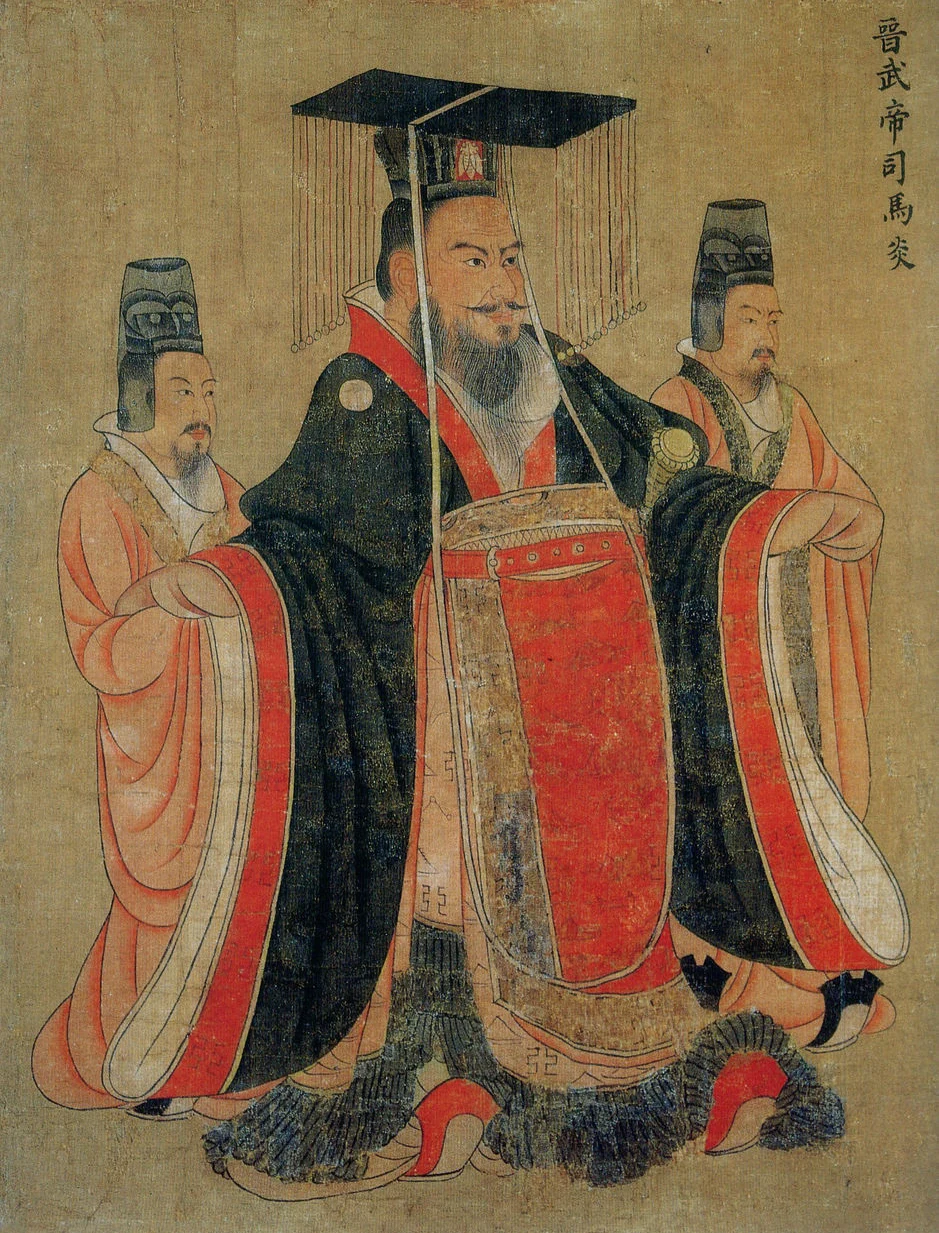 Western Jin
Historical figure
Sima Yan
Sima Yan (236–290), courtesy name Anshi, came from Wen County in Henei Commandery. A son of Sima Zhao and Wang Yuanji, he founded the Western Jin dynasty. He inherited the political power accumulated by his family in Cao Wei and accepted the abdication of Cao Huan in 266 (Taishi 1 of Jin). He ordered the conquest of Wu in 279 (Xianning 5 of Jin); Wu surrendered the following year, ending the division of the Three Kin
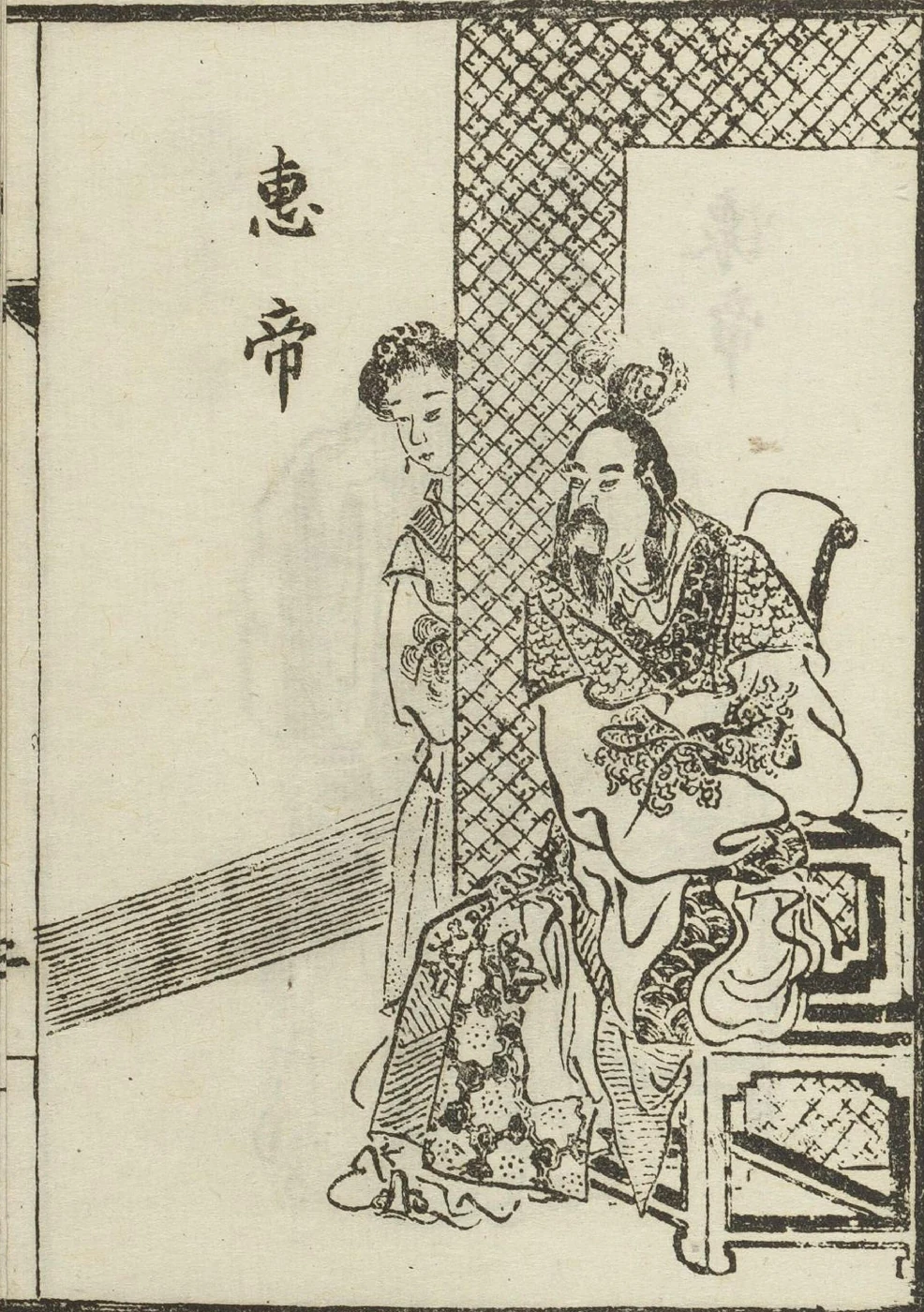 Western Jin
Emperor
Sima Zhong
Sima Zhong, Emperor Hui of Jin (259–January 8, 307), courtesy name Zhengdu, was a native of Wen County, Henei Commandery (present-day Wen County, Henan Province). He was the second emperor of the Western Jin and the second legitimate son of Sima Yan, Emperor Wu of Jin; his mother was Empress Wuyuan, Yang Yan. He was appointed crown prince in 267, the third year of the Taishi era, and formally ascended the throne in 2
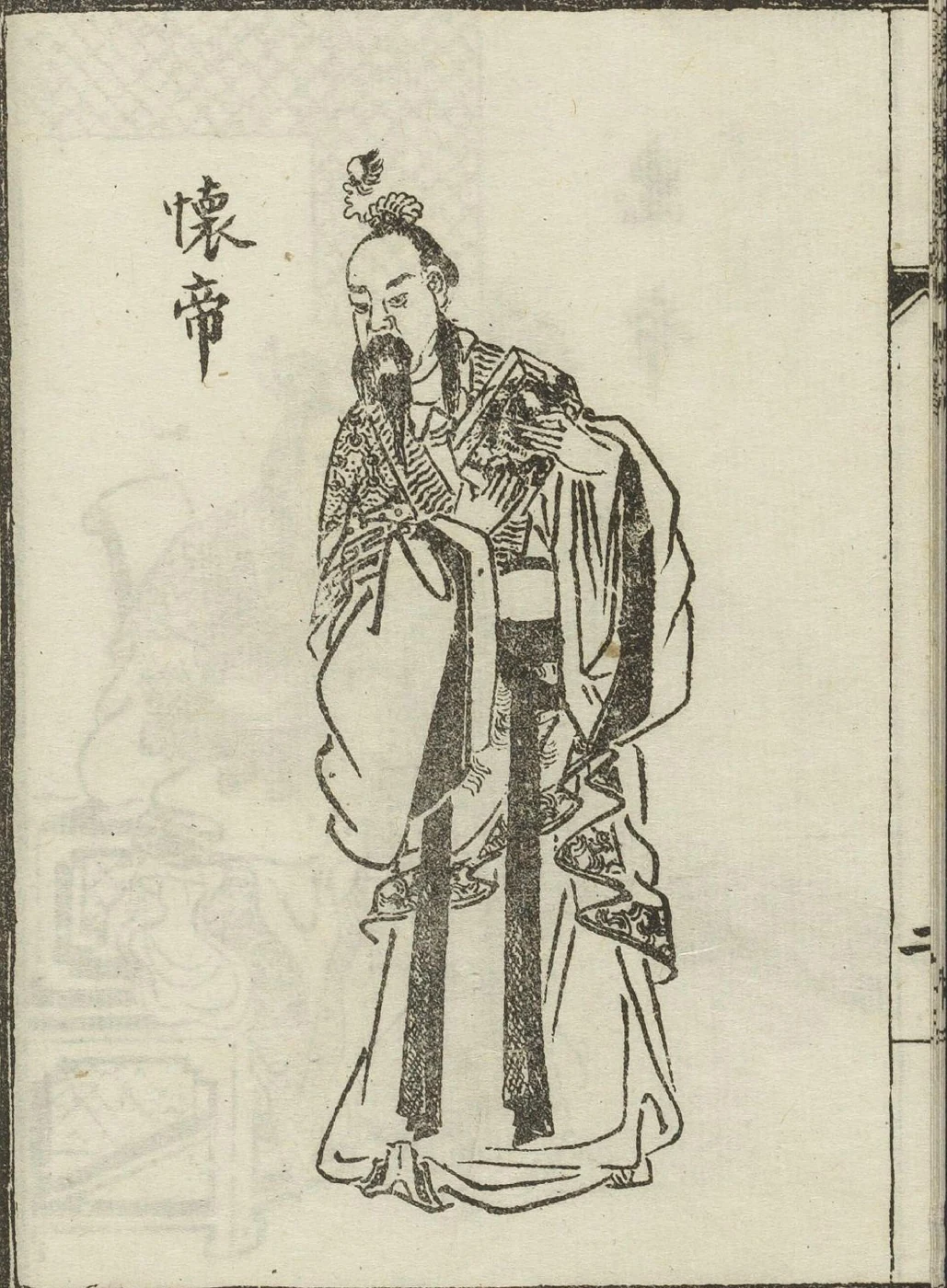 Western Jin
Emperor
Sima Chi
Sima Chi (284–March 14, 313), courtesy name Fengdu, was a native of Wen County, Henei Commandery (present-day Wen County, Henan). He was the third emperor of the Western Jin, the twenty-fifth son of Emperor Wu of Jin, Sima Yan, and a younger half-brother of Emperor Hui of Jin, Sima Zhong. In 290, the first year of the Taixi era, he was enfeoffed as Prince of Yuzhang, and in 304, the first year of the Yongxing era, he
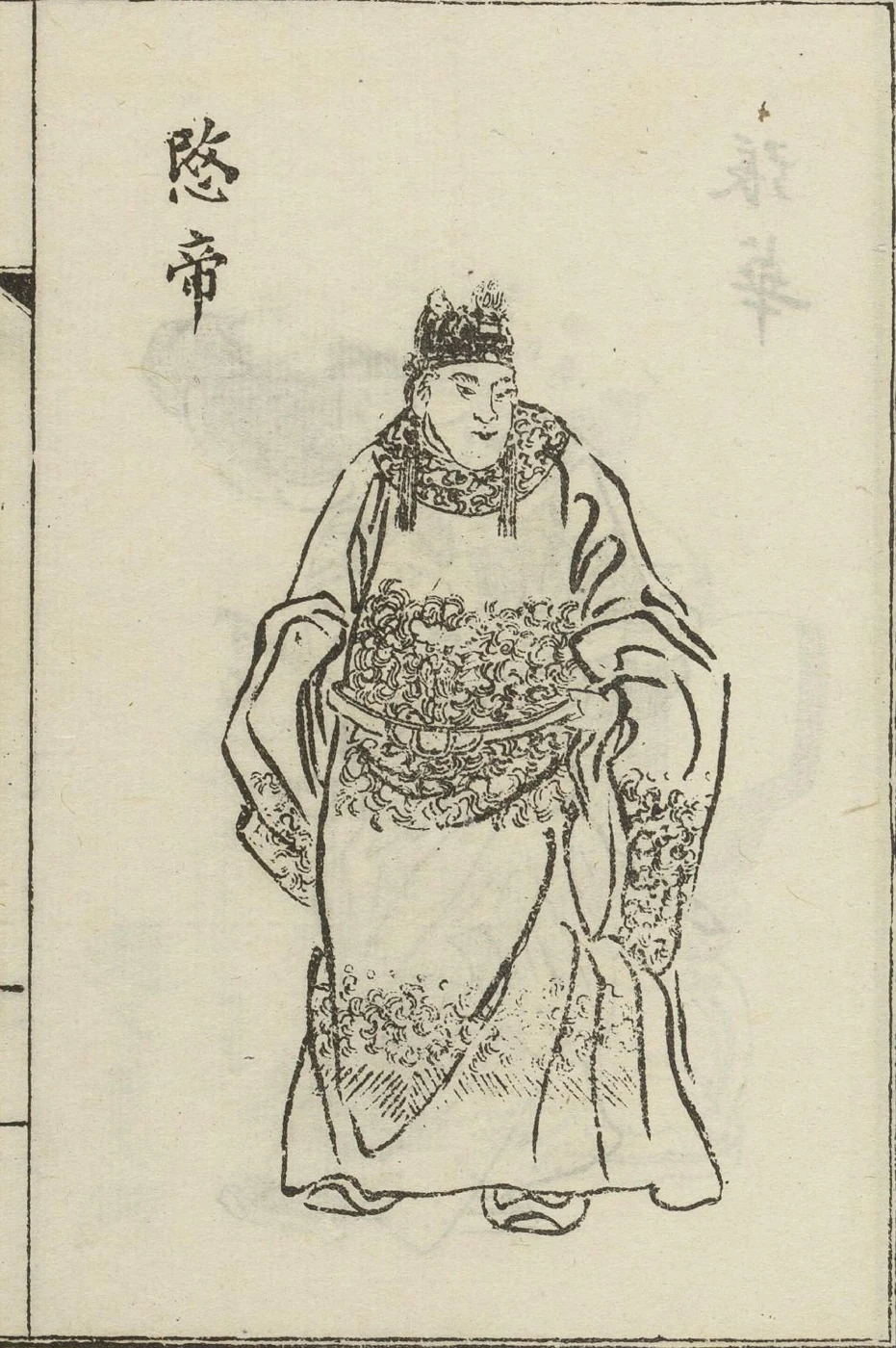 Western Jin
Emperor
Sima Ye
Sima Ye (300–February 7, 318), also written Sima Ye, courtesy name Yanqi, was a native of Wen County in Henei Commandery (present-day Wen County, Henan) and the last emperor of the Western Jin. He was a grandson of Emperor Wu of Jin, Sima Yan, and the son of Sima Yan, Prince Xiao of Wu. In 311, the fifth year of the Yongjia era, Former Zhao captured Luoyang. After moving from refuge to refuge, Sima Ye was escorted to
KEY PEOPLE
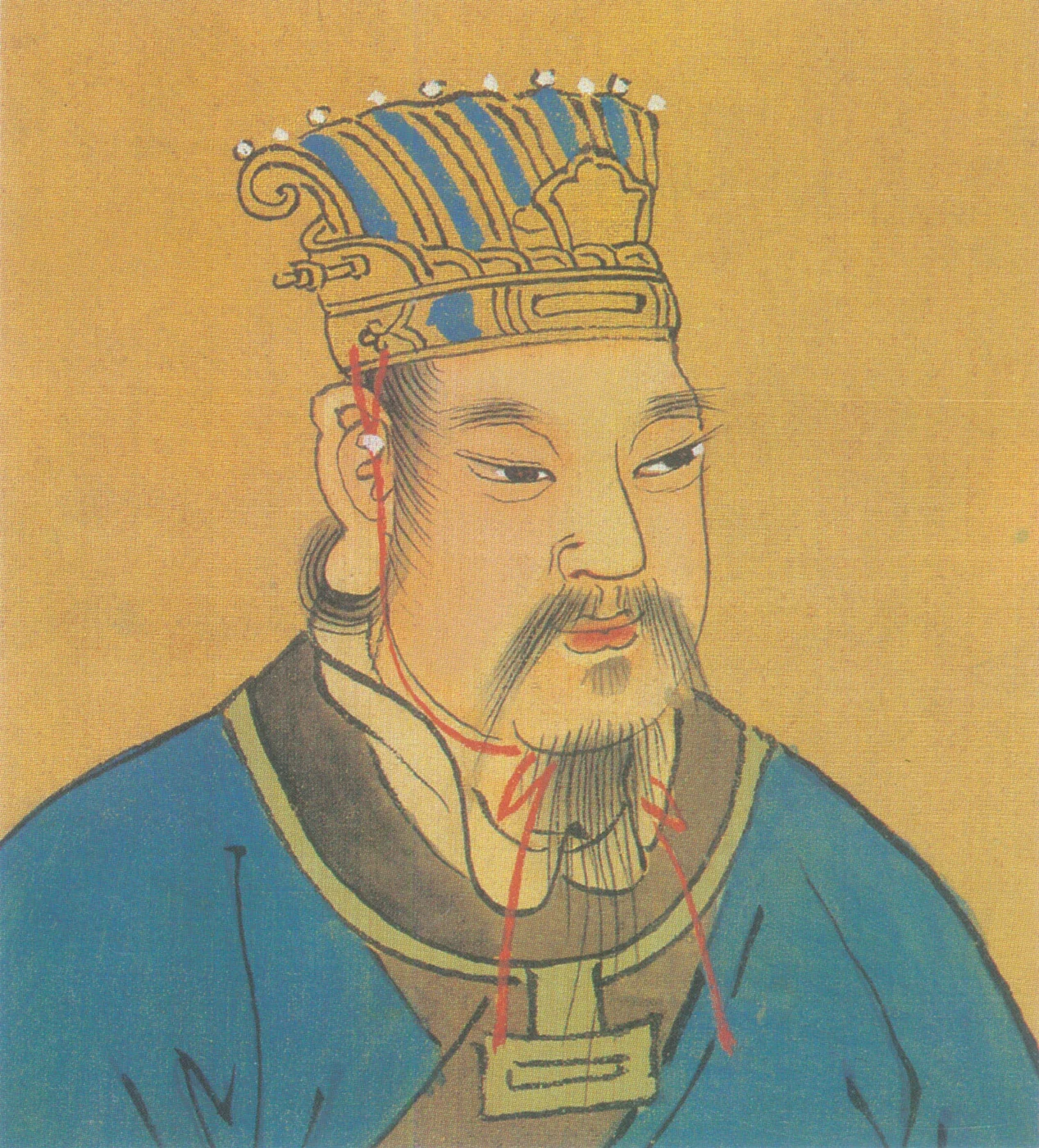 Eastern Jin
Emperor
Sima Rui
Sima Rui (276–January 3, 323), courtesy name Jingwen, was a native of Wen County, Henei Commandery and the founding emperor of the Eastern Jin. He was a great-grandson of Sima Yi, posthumously honored as Emperor Xuan of Jin, and the son of Sima Jin, Prince Gong of Langya. His mother was Xiahou Guangji, consort of the Prince of Langya. He received the posthumous title Emperor Yuan and the temple name Zhongzong and was
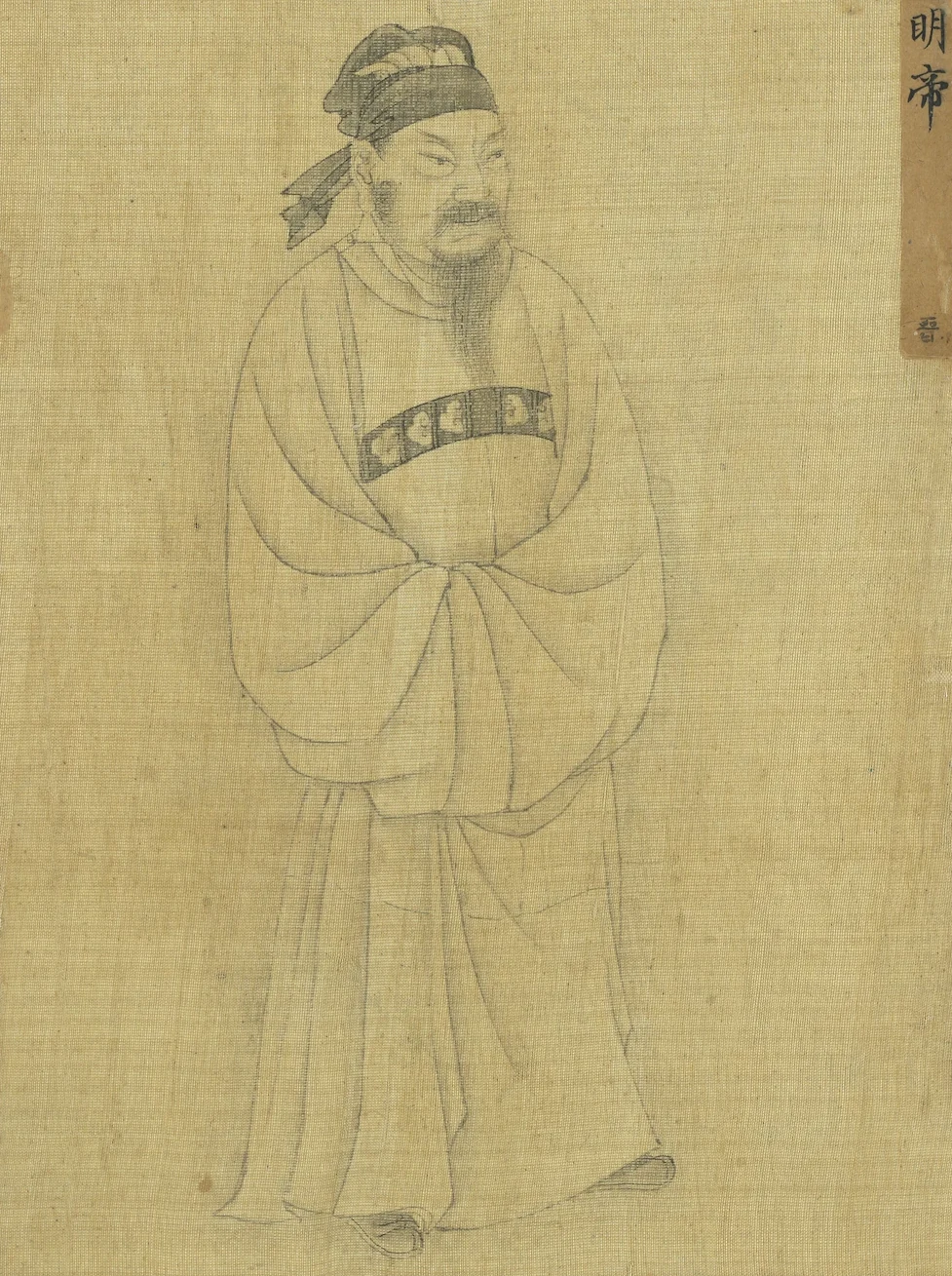 Eastern Jin
Emperor
Sima Shao
Sima Shao (299–325), courtesy name Daoji, was a native of Wen County, Henei Commandery and was born in Kaiyang County of Langya Kingdom. He was the second emperor of the Eastern Jin and the eldest son of the dynasty's founder, Emperor Yuan Sima Rui. During a reign of less than three years, his greatest achievement was the suppression of Wang Dun's rebellion in 324, the second year of the Taining era, which stabilized
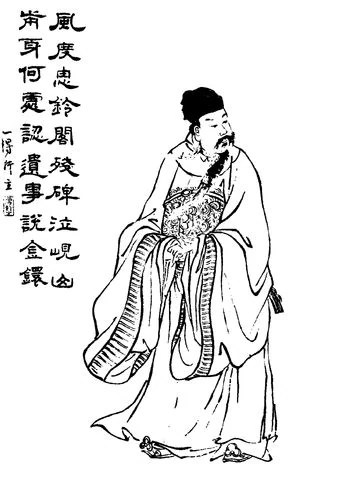 Western Jin
Politician
Yang Hu
Yang Hu (221–December 27, 278), courtesy name Shuzi, was a native of Pingyang in Taishan, present-day Yangliu Town in Xintai, Shandong. He was a renowned Western Jin general, strategist, and politician, later respectfully called “Grand Tutor Yang.” He came from the prominent Taishan Yang clan of the Han and Wei periods and was a maternal grandson of the late-Han scholar Cai Yong. His elder sister Yang Huiyu married S
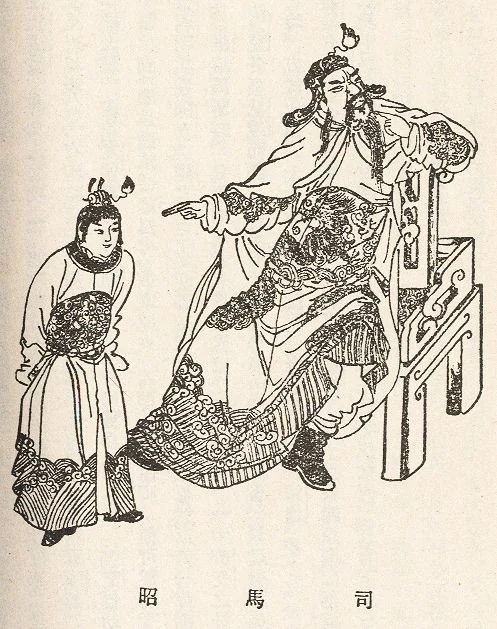 Western Jin
Powerful official and military commander of Cao Wei
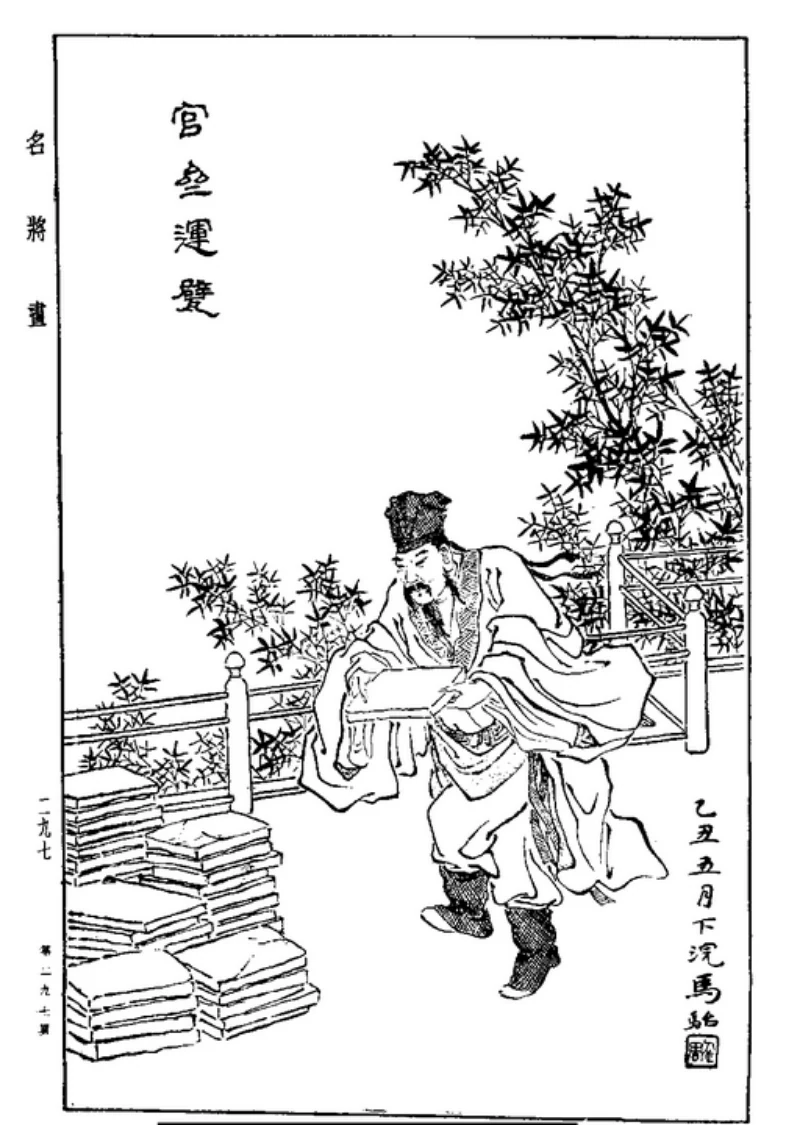
Sima Zhao
Sima Zhao (211–September 6, 265), courtesy name Zishang, was a native of Wen County, Henei Commandery (present-day Wen County, Henan). He was a powerful official of Cao Wei during the Three Kingdoms period and one of the founders of the political order that led to the Western Jin. He was the second son of Sima Yi, later honored as Emperor Xuan of Jin, and Zhang Chunhua, later Empress Xuanmu; the full younger brother
 Western Jin
General
Tao Kan
Tao Kan (259–July 30, 334), courtesy name Shixing (also recorded as Shiheng), was originally from Poyang County in Poyang Commandery, present-day Poyang County, Jiangxi, and later moved to Xunyang County in Lujiang Commandery, present-day Jiujiang, Jiangxi. He was an important military commander from the Western Jin into the Eastern Jin. Rising from modest origins during a period of disorder, he advanced through mili
Cao Wei
Senior official
Jia Chong
Jia Chong (217–May 19, 282), courtesy name Gonglu, was a native of Xiangling in Pingyang, in present-day Xiangfen, Shanxi. He was an official from the Cao Wei period of the Three Kingdoms through the Western Jin and a son of Jia Kui, Governor of Yu Province under Cao Wei. Jia Chong became one of the founding meritorious officials of the Western Jin. Born into the Jia clan of Pingyang, he inherited the title Marquis o
Western Jin
Official and military commander
Zhou Qi
Zhou Qi (258–313), courtesy name Xuanpei, was a native of Yangxian in Yixing (present-day Yixing, Jiangsu). He was a leading member of the Jiangdong aristocracy in the late Western Jin and the head of the Zhou clan of Yixing. His grandfather was Zhou Fang, Administrator of Poyang under Eastern Wu, and his father was Zhou Chu, who served under the Western Jin as Palace Aide to the Censor-in-Chief and General Who Pacif
Western Jin
General
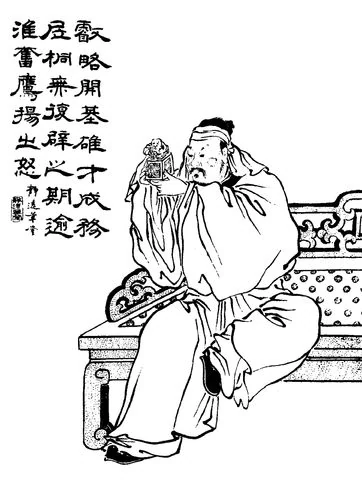
Yu Yi
Yu Yi (305 – August 16, 345), courtesy name Zhigong, a native of Yanling, Yingchuan (present-day Yanling County, Henan), was a general, imperial in-law, and calligrapher of the mid-Eastern Jin, brother of the General Who Conquers the West Yu Liang and of Empress Yu Wenjun, consort of Emperor Ming of Jin; men called him Little Yu, or Yu of the Western Campaign. Strikingly handsome in bearing and possessed of statecraf
 Western Jin
Powerful Cao Wei official and military strategist
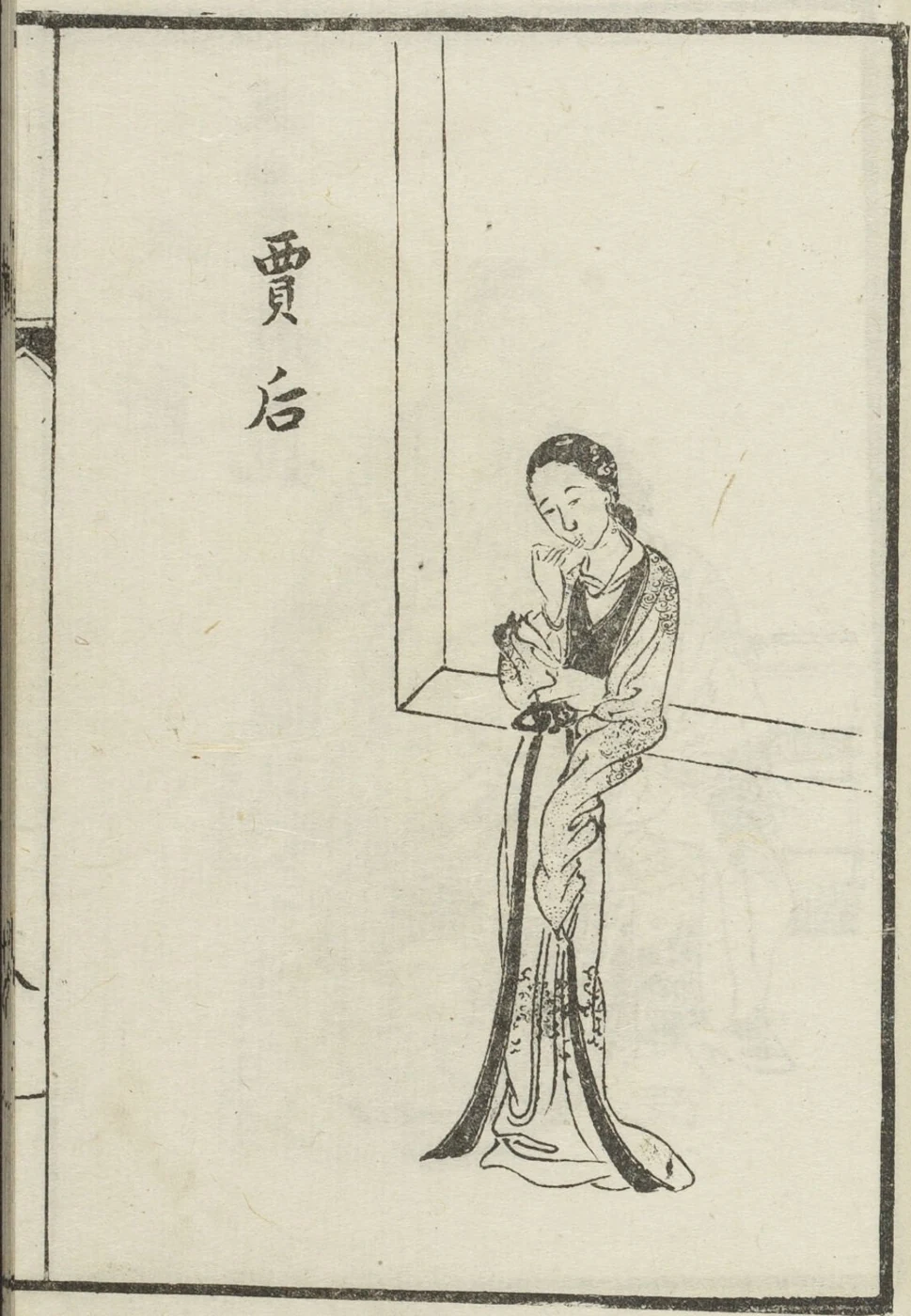
Sima Shi
Sima Shi (208–March 23, 255), courtesy name Ziyuan, was a native of Wen County in Henei (present-day Wen County, Jiaozuo, Henan). He was a powerful official of Cao Wei during the Three Kingdoms period and one of the founders of the political order that later became the Western Jin dynasty. He was the eldest son of Sima Yi, later honored as Emperor Xuan of Jin, and Empress Xuanmu Zhang Chunhua. After the establishment
 Western Jin
Empress
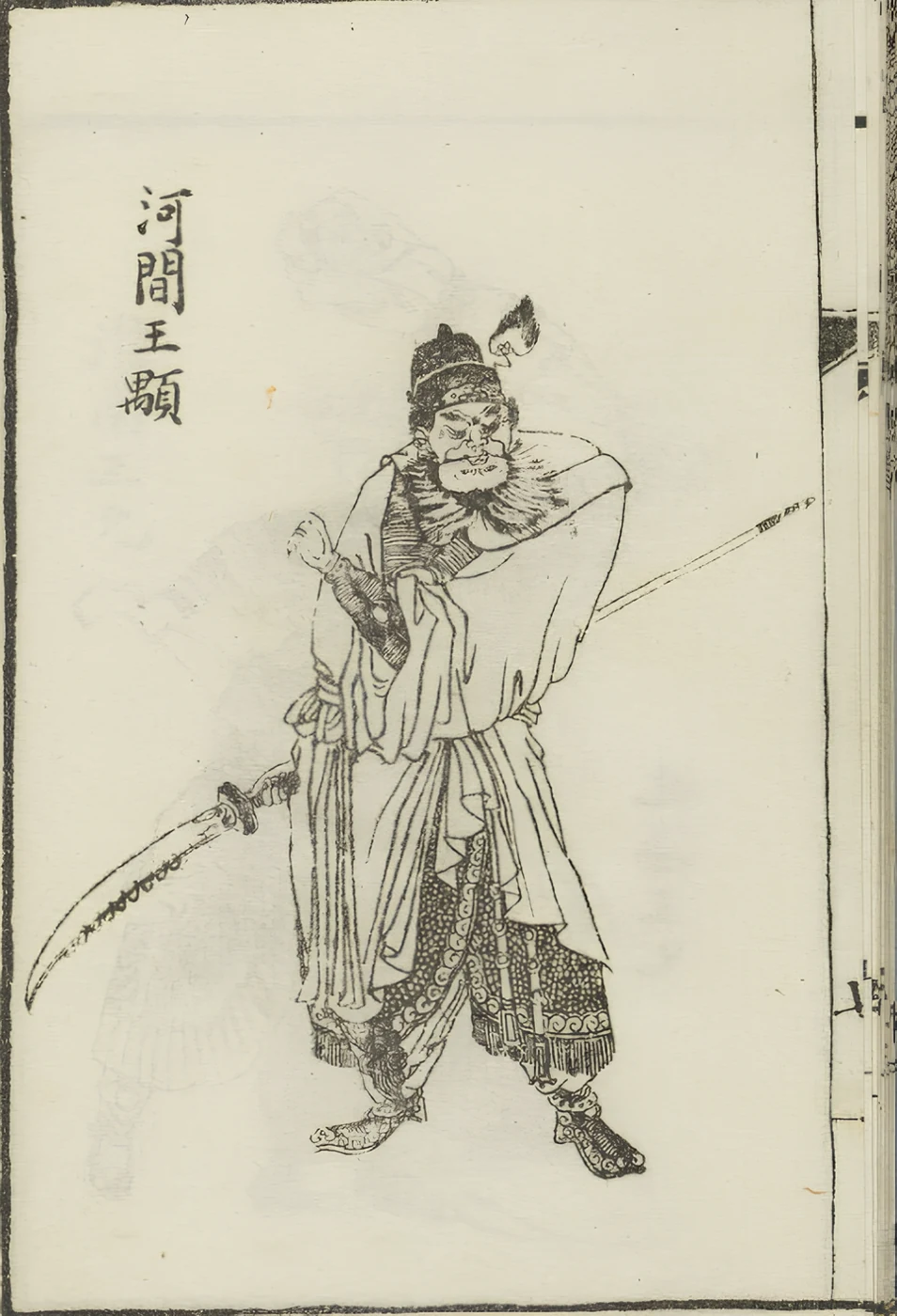
Jia Nanfeng
Jia Nanfeng was the empress of Emperor Hui of Jin. She exercised political power, became a central figure in the conflict between the Jia and Yang factions and the War of the Eight Princes, controlled the Western Jin court, and was later killed by Sima Lun, Prince of Zhao.
 Western Jin
Senior official
Sima Yong
Sima Yong (birth year unknown–306), courtesy name Wenzai, was a native of Wen County, Henei, present-day Wen County, Henan. He was a Western Jin imperial prince and senior official and one of the participants in the War of the Eight Princes. He was a grandson of Sima Fu, Prince Xian of Anping and younger brother of Sima Yi, and a son of Sima Gui, Prince Lie of Taiyuan. In 277, the third year of the Xianning era, he w
Western Jin
Renowned Scholar-Official
Yue Guang
Yue Guang was a prominent Western Jin scholar-official known for pure conversation. He is the protagonist of the anecdote later summarized by the idiom “mistaking the reflection of a bow in a cup for a snake,” and he rose to Prefect of the Masters of Writing.
Related entries
Bibliography
- 《三国志》
- 《晋书》
- 《资治通鉴》