Liu Bei proclaimed himself emperor at Chengdu and established Shu Han.
221 CE–263 CE
Shu Han
Concurrent polity蜀汉
Shu Han, from the first year of Zhangwu (221) to the first year of Yanxing (263), was a state established in southwestern China by Liu Bei during the Three Kingdoms period. Its official state name was “Han”; later historians generally called it “Shu Han,” “Shu,” or “Western Shu” to distinguish it from Western Han and Eastern Han, while contemporaries also referred to it as “Ji Han.” Liu Bei was said to be a descendant of Liu Sheng, Prince Jing of Zhongshan and son of Emperor Jing of Han. After…
221 CE–263 CECapital · See entry
ERA OVERVIEW
Shu Han, from the first year of Zhangwu (221) to the first year of Yanxing (263), was a state established in southwestern China by Liu Bei during the Three Kingdoms period. Its official state name was “Han”; later historians generally called it “Shu Han,” “Shu,” or “Western Shu” to distinguish it from Western Han and Eastern Han, while contemporaries also referred to it as “Ji Han.” Liu Bei was said to be a descendant of Liu Sheng, Prince Jing of Zhongshan and son of Emperor Jing of Han. After the Yellow Turban Rebellion in 184, he raised forces and moved among different regional powers. Following the Battle of Red Cliffs in 208, the occupation of parts of Jing Province, the campaign into Yi Province in 214, and the Hanzhong campaign in 219, Liu Bei proclaimed himself emperor at Chengdu in 221, claiming succession to the Han imperial line. Shu Han controlled Hanzhong and the Bashu region and held strategic southwestern terrain, forming a tripartite balance with Cao Wei and Sun Wu. The state had two emperors, Liu Bei and Liu Chan, and lasted about forty-three years. Liu Bei died in 223, and the crown prince Liu Chan succeeded him. Grand Councilor Zhuge Liang effectively directed government, restored the alliance with Sun Wu, pacified the southern commanderies, and launched five northern campaigns against Cao Wei between 227 and 234. Zhuge Liang died at Wuzhangyuan in 234. Jiang Wan and Fei Yi then successively assisted the government, while Jiang Wei repeatedly campaigned in the later period, contributing to the exhaustion of state resources. In 263, Cao Wei sent Zhong Hui and Deng Ai to invade Shu. Deng Ai crossed by way of Yinping and approached Chengdu, and Liu Chan surrendered. Shu Han was destroyed and its territory was absorbed by Cao Wei.
Time span221 CE–263 CE
CapitalSee entry
ERA TIMELINE
Liu Bei died and Liu Chan succeeded.
defeat at Jieting; Zhuge Liang executed Ma Su.
the third northern campaign captured Wudu and Yinping commanderies.
Zhuge Liang conducted the fifth northern campaign against Cao Wei.
Deng Ai entered Shu, Liu Chan surrendered, and Shu Han fell.
FULL ENTRY
Overview
Shu Han, from the first year of Zhangwu (221) to the first year of Yanxing (263), was a state established in southwestern China by Liu Bei during the Three Kingdoms period. Its official state name was “Han”; later historians generally called it “Shu Han,” “Shu,” or “Western Shu” to distinguish it from Western Han and Eastern Han, while contemporaries also referred to it as “Ji Han.” Liu Bei was said to be a descendant of Liu Sheng, Prince Jing of Zhongshan and son of Emperor Jing of Han. After the Yellow Turban Rebellion in 184, he raised forces and moved among different regional powers. Following the Battle of Red Cliffs in 208, the occupation of parts of Jing Province, the campaign into Yi Province in 214, and the Hanzhong campaign in 219, Liu Bei proclaimed himself emperor at Chengdu in 221, claiming succession to the Han imperial line. Shu Han controlled Hanzhong and the Bashu region and held strategic southwestern terrain, forming a tripartite balance with Cao Wei and Sun Wu. The state had two emperors, Liu Bei and Liu Chan, and lasted about forty-three years. Liu Bei died in 223, and the crown prince Liu Chan succeeded him. Grand Councilor Zhuge Liang effectively directed government, restored the alliance with Sun Wu, pacified the southern commanderies, and launched five northern campaigns against Cao Wei between 227 and 234. Zhuge Liang died at Wuzhangyuan in 234. Jiang Wan and Fei Yi then successively assisted the government, while Jiang Wei repeatedly campaigned in the later period, contributing to the exhaustion of state resources. In 263, Cao Wei sent Zhong Hui and Deng Ai to invade Shu. Deng Ai crossed by way of Yinping and approached Chengdu, and Liu Chan surrendered. Shu Han was destroyed and its territory was absorbed by Cao Wei.
Historical Development
After the Yellow Turban Rebellion in 184, Liu Bei began his career through military service against rebels. He successively depended on Gongsun Zan, Tao Qian, Cao Cao, Yuan Shao, Liu Biao, and others, enduring repeated reversals while gradually gathering followers including Guan Yu and Zhang Fei. In 207, the twelfth year of Jian'an, he made the Three Visits to the Thatched Cottage and recruited Zhuge Liang. The strategy presented in the Longzhong Plan called for holding Jing and Yi, maintaining good relations with western peoples, pacifying groups to the south, allying with Sun Quan, governing internally, and seeking an opportunity to contest the Central Plains. In 208, the thirteenth year of Jian'an, the allied forces of Sun and Liu defeated Cao Cao at the Battle of Red Cliffs, after which Liu Bei gained part of Jing Province. In 211, the sixteenth year of Jian'an, he entered Yi Province at Liu Zhang's invitation and captured Chengdu in 214. In 219, the twenty-fourth year of Jian'an, he defeated Cao Cao in the Hanzhong campaign, seized Hanzhong, and styled himself King of Hanzhong. In 221, after Cao Pi had replaced Han with Cao Wei and reports circulated that Emperor Xian had died, Liu Bei proclaimed himself emperor at Chengdu under the state name Han, formally establishing Shu Han.
At the beginning of Liu Bei's imperial reign, Shu Han controlled Hanzhong and Bashu and retained access to the strategic regions of Jing and Yi, with a strong body of officers and soldiers. In 222, the second year of Zhangwu, Liu Bei campaigned against Wu in an effort to recover Jing Province but was defeated by Lu Xun at the Battle of Yiling (Xiaoting) and withdrew to Baidicheng. He died the following year and entrusted the young Liu Chan to Zhuge Liang and Li Yan. Zhuge Liang restored the alliance with Sun Wu and revived the policy of joining Wu against Cao Wei. In 225, the third year of Jianxing, he personally campaigned in the south and pacified the rebellious commanderies, stabilizing the rear. He then governed from his administrative headquarters, enforced law and official discipline, promoted agriculture, and restored the state after the defeat at Yiling. This became a period of relative political stability and recovery.
Between the sixth and twelfth years of Jianxing, 228–234, Zhuge Liang launched five northern campaigns against Cao Wei. In 228 his first campaign through Qishan was abandoned after Ma Su's defeat at Jieting; in the winter of the same year he conducted a second campaign and besieged Chencang. In 229, the seventh year of Jianxing, the third campaign captured Wudu and Yinping commanderies. In 231, the ninth year of Jianxing, a fourth campaign again advanced through Qishan. In 234, the twelfth year of Jianxing, the fifth campaign advanced through the Xie Valley and encamped at Wuzhangyuan opposite Sima Yi, where Zhuge Liang died. The campaigns produced prolonged fighting in the Guanzhong–Longxi region and repeatedly faced supply problems. They failed to inflict a decisive defeat on Cao Wei while consuming significant manpower and resources, marking a major turning point in Shu Han's fortunes.
After Zhuge Liang's death, Liu Chan gradually resumed greater personal control. Jiang Wan, Fei Yi, Dong Yun, and other officials successively assisted the court, and politics remained broadly stable. Jiang Wan and Fei Yi favored reducing warfare and restoring the population. After Fei Yi was assassinated in 253, the sixteenth year of Yanxi, Jiang Wei increasingly controlled military affairs. From 254 onward he repeatedly campaigned against Wei, fighting more than ten major actions by 262 and gradually exhausting troops, labor, and the treasury. At the same time, the eunuch Huang Hao gained Liu Chan's favor and court government deteriorated. Officials including Zhuge Zhan and Dong Jue opposed Jiang Wei's repeated campaigns but were unable to reverse the policy, and Shu Han entered a deeper decline.
In 263, the sixth year of Jingyao and the fourth year of Jingyuan under Wei, Sima Zhao ordered a major invasion of Shu led by Zhong Hui, Deng Ai, Zhuge Xu, and others. Zhong Hui led the main force from Guanzhong and faced Jiang Wei at Jiange, while Deng Ai crossed through Yinping by a difficult mountain route, broke through defenses near Mianzhu, and approached Chengdu. Liu Chan accepted the advice of Qiao Zhou and others and surrendered to Deng Ai. Shu Han ended and its territory was incorporated into Cao Wei. One year later, in 265, the second year of Xianxi, Sima Yan received the abdication of the Wei emperor and founded Jin, after which the Shu region came under Western Jin rule.
Politics and Institutions
Shu Han inherited Han institutions, with the Grand Councilor serving as the principal head of government. After Liu Bei proclaimed himself emperor, Zhuge Liang was appointed Grand Councilor and exercised especially broad authority. After Zhuge Liang's death, Liu Chan did not immediately appoint another Grand Councilor and instead distributed authority among officials; Jiang Wan and Fei Yi successively assisted government as General-in-Chief, Director of the Secretariat, and in other offices. Local administration followed a province–commandery–county framework centered on Yi Province and including Hanzhong. Zhuge Liang enforced legal institutions and revised the Shu legal code, applying rewards and punishments strictly and seeking to maintain disciplined administration. Recruitment emphasized ability and loyalty. Zhuge Liang selected officials including Jiang Wan, Fei Yi, Dong Yun, Jiang Wei, Wang Ping, and Liao Hua; later writers grouped Jiang Wan, Fei Yi, Dong Yun, and Zhuge Liang as the “Four Worthies of Shu Han.” During Liu Chan's later personal rule, the eunuch Huang Hao and the courtier Chen Zhi gained influence, discipline weakened, and eunuch intervention became one factor in political decline.
Military and Diplomacy
Militarily, Shu Han used Hanzhong as its forward base against Wei. Zhuge Liang repeatedly campaigned into Longyou and in 225, the third year of Jianxing, crossed the Lu River in the southern campaign to pacify the southern commanderies. He maintained strict military discipline and wrote the Chushi Biao (Memorial on the Expedition) before a northern campaign. After his death, Jiang Wei continued northern operations with greater frequency, but repeated setbacks increased the burden on the state. Diplomatically, Shu Han's relations with Sun Wu changed repeatedly. The two had been allies at Red Cliffs, later became rivals over Jing Province, and entered open war at Yiling in 222. After Zhuge Liang took charge of government, he quickly restored the alliance. When Sun Quan proclaimed himself emperor in 229, Shu Han sent envoys to congratulate him and the two states agreed to oppose Cao Wei and divide the realm if victorious. The Shu–Wu alliance against Wei thereafter became a central feature of the Three Kingdoms balance. Cao Wei remained Shu Han's principal enemy.
Economy and Commerce
Shu Han relied on the Chengdu Plain, traditionally known as the “Land of Abundance,” as its economic core. Under Zhuge Liang, the government promoted agriculture and grain production and developed the salt, iron, and other industries needed to sustain the state and military. Shu brocade was one of the best-known products of the state, circulated in Wei and Wu territories, and served as an important source of revenue and trade. Because the state was located in the southwest, communications with the north depended on Qinling plank roads and strategic passes such as Jiange; moving grain through this terrain was difficult and costly and repeatedly constrained northern campaigns. The population was limited, with later figures giving roughly more than 900,000 registered persons, placing a ceiling on manpower and tax resources.
Culture and Society
Shu Han inherited the classical learning of the late Han, established a National University, and maintained scholarly offices. Zhuge Liang was both a political leader and a major literary figure; works associated with him such as the Chushi Biao and Admonition to His Son became widely transmitted, and his image of loyalty and tireless service had a lasting cultural influence. Later texts, including the Chronicles of Han and Jin by Xi Zaochi, record the story that Zhuge Liang captured Meng Huo seven times during the southern campaign; this is a later tradition and is not recorded in Zhuge Liang's main biography in the Records of the Three Kingdoms. Zhuge Liang combined legal administration with moral instruction, and society was relatively stable compared with many contemporary war zones. Scholars including Zhou Qun and Qin Mi produced writings, although later accounts often characterize Shu Han culture more in terms of legal order and loyalty than broad literary abundance.
Key Figures
Liu Bei (courtesy name Xuande, the First Ruler, posthumously Emperor Zhaolie) — founding ruler of Shu Han who claimed continuation of the Han imperial line; Liu Chan (the Later Ruler) — reigned for more than forty years and surrendered at the end of the state; Zhuge Liang (courtesy name Kongming, Grand Councilor, posthumously Zhongwu) — principal regent and leader of the five northern campaigns; Guan Yu and Zhang Fei — Liu Bei's early leading commanders; Zhao Yun — a noted loyal and capable general; Ma Chao, who died in 222, and Huang Zhong, who died in 220, were famous commanders associated with the early Shu Han regime; Wei Yan — Administrator of Hanzhong and important later commander; Li Yan — co-regent appointed by Liu Bei and later dismissed; Pang Tong and Fa Zheng — key strategists during the conquest of Yi Province; Jiang Wan, Fei Yi, and Dong Yun — senior officials who governed after Zhuge Liang and, together with him, were later called the “Four Worthies of Shu Han”; Jiang Wei — principal commander of the later northern campaigns; Wang Ping and Liao Hua — veteran later commanders; Qiao Zhou — official who advocated surrender.
Rulers and Governing Core
Liu Bei, Liu Chan.
> This section explains the place of rulers in the evolution of the polity; complete biographies are carried by the corresponding person entities.
Historical Assessment and Legacy
Contemporaries and later writers often regarded Zhuge Liang as an exemplar of loyal and diligent government. Chen Shou's Records of the Three Kingdoms, in its biography of Zhuge Liang, praised his tireless devotion while also assessing his strengths and limitations in military command. Later historians frequently reflected on the rise and fall of Shu Han and described it as the smallest of the Three Kingdoms in territorial terms while emphasizing its associations with loyalty and legal discipline. The designation “Ji Han” was later used to stress its claim to continuation of the Han imperial line. Later literature, especially Romance of the Three Kingdoms, transformed Liu Bei, Zhuge Liang, Guan Yu, and others into enduring figures of loyalty and righteousness across China and East Asia. Although Shu Han fell, its traditions of legal administration and loyal service, together with texts such as the Chushi Biao, became lasting elements of Chinese historical culture.
Rulers
Liu Bei, Liu Chan.
 Shu Han
Emperor
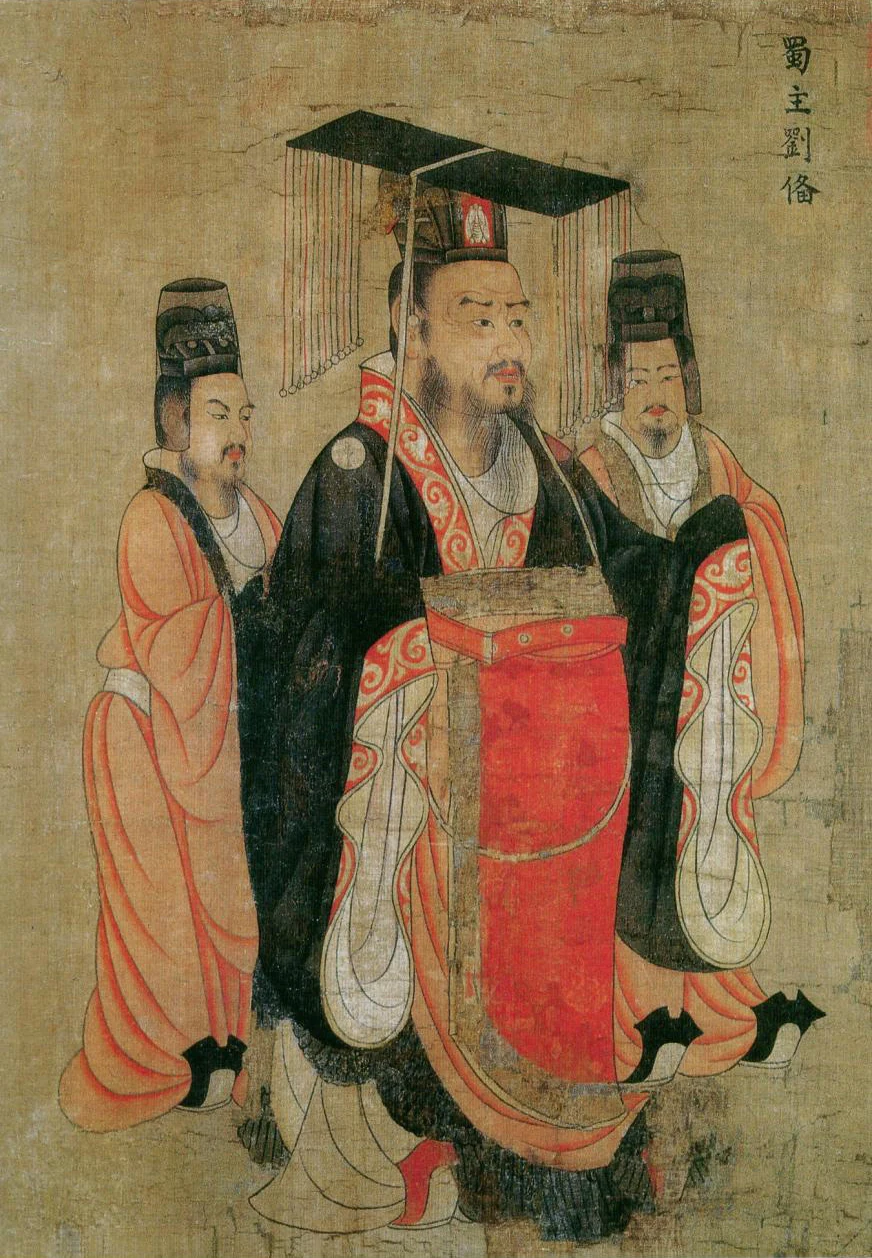
Liu Bei
Liu Bei (161–June 10, 223), courtesy name Xuande, was a native of Zhuo County in Zhuo Commandery (present-day Zhuozhou, Hebei) and was a descendant of Liu Sheng, Prince Jing of Zhongshan of the Western Han. He was one of the major warlords of the late Eastern Han and the founding emperor of Shu Han during the Three Kingdoms period. Historically he is known as Emperor Zhaolie of Shu Han and was also called the Former
 Shu Han
Emperor
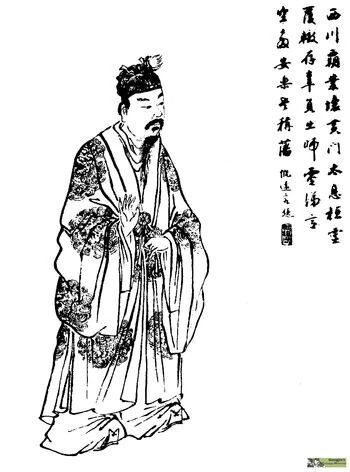
Liu Shan
Liu Shan (207–271), courtesy name Gongsi and childhood name Adou, was the son of Liu Bei, Emperor Zhaolie of Shu Han, and the last emperor of Shu Han, reigning from 223 to 263. He is conventionally called the Later Ruler of Shu Han, and Chen Shou’s Records of the Three Kingdoms refers to him as the Later Ruler. The later Han-Zhao regime posthumously honored him as Emperor Xiaohuai. Liu Shan reigned for forty-one ye
KEY PEOPLE
 Shu Han
Official and politician
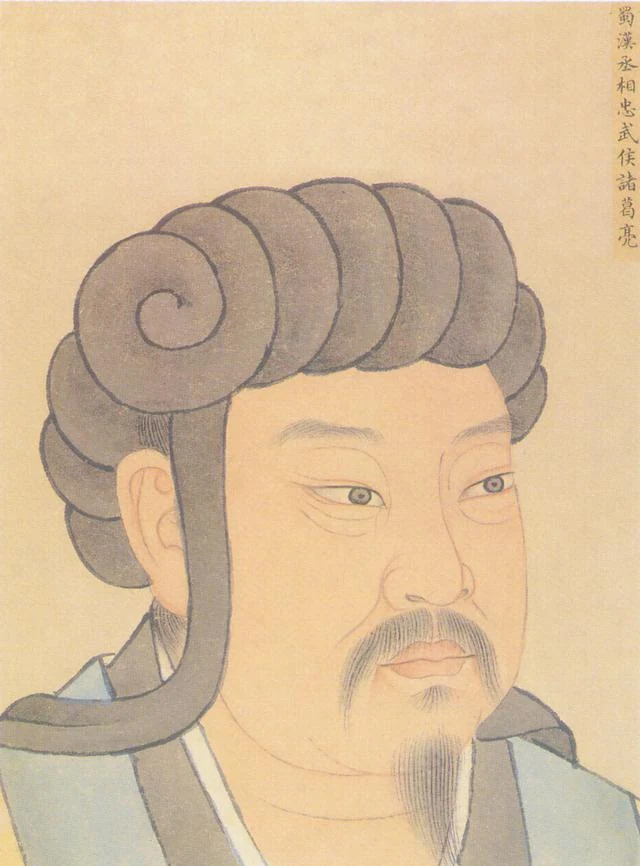
Zhuge Liang
Zhuge Liang (181–October 8, 234), courtesy name Kongming and art name Wolong, was a native of Yangdu in Langya (present-day Yinan County, Linyi, Shandong). He was Grand Councilor of Shu Han and an outstanding politician, military leader, and strategist of the Three Kingdoms period. In his early years he lived in retirement at Longzhong. After Liu Bei's Three Visits to the Thatched Cottage, he entered Liu Bei's servic
 Eastern Han
General under Liu Bei
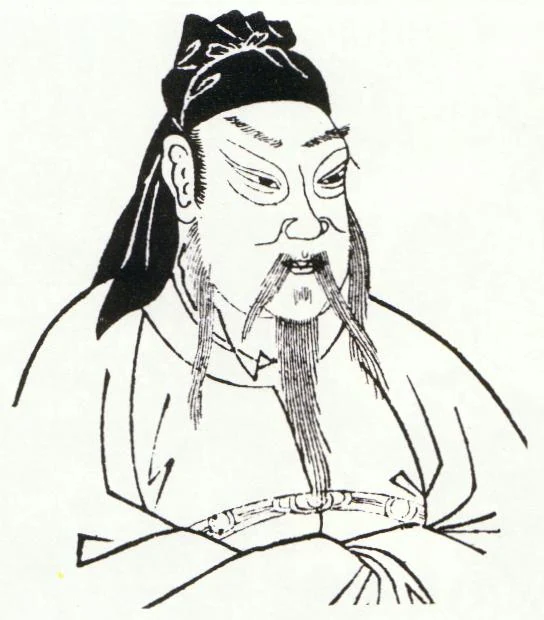
Guan Yu
Guan Yu, courtesy name Yunzhang and originally Changsheng, was a native of Xie County in Hedong Commandery in the late Eastern Han and an important general in Liu Bei's group. His exact year of birth is not recorded in early histories such as the Records of the Three Kingdoms. Later inscriptions give differing accounts of a birth in 160, including different lunar birth dates. In his early years, Guan Yu fled to Zhu
 Shu Han
General
Zhao Yun
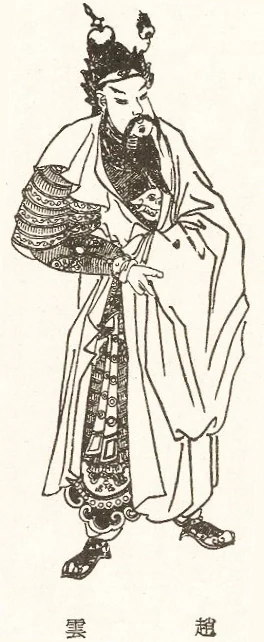
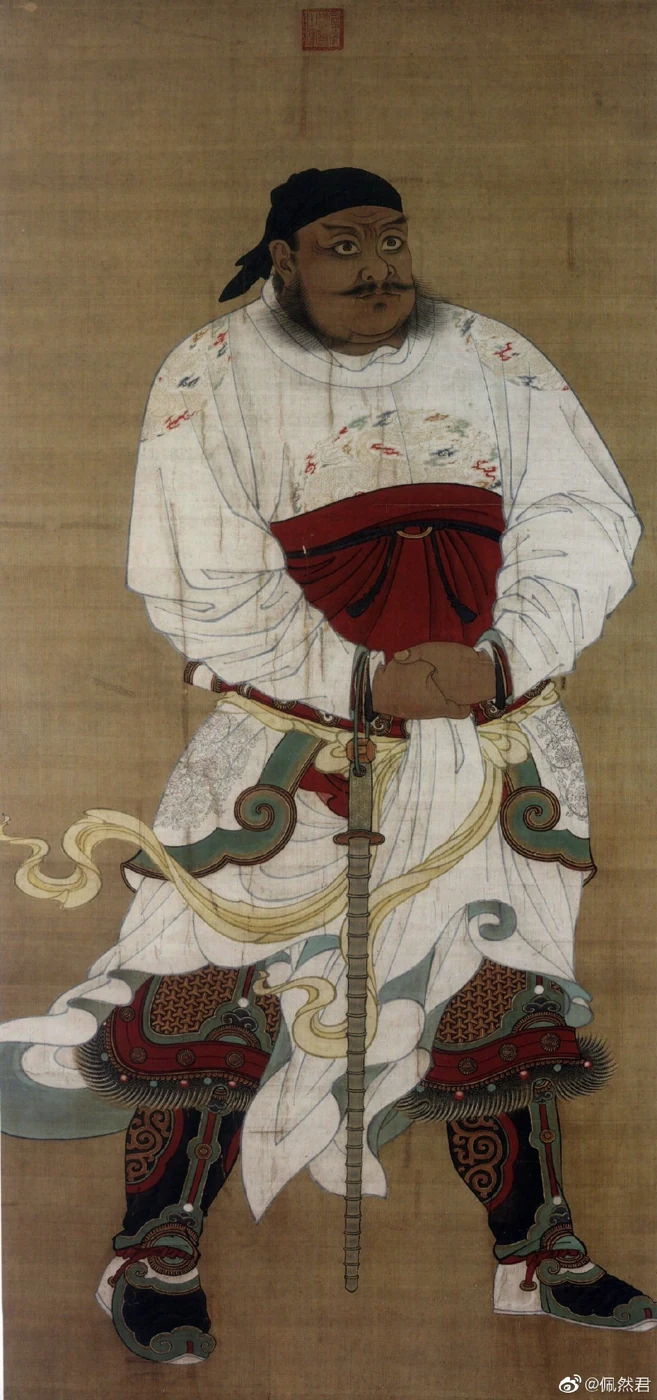
Zhao Yun (d. 229), courtesy name Zilong, was a native of Zhending in Changshan, present-day Zhengding in Shijiazhuang, Hebei, and a renowned general of Shu Han. He was described as eight chi tall and imposing in appearance and, together with Guan Yu and Zhang Fei, was known as one of the “Three Heroes of Yan South.” In 191, the second year of the Chuping era, Zhao Yun led volunteer troops from Changshan Commandery an
 Shu Han
General
Zhang Fei
Zhang Fei (d. 221), courtesy name Yide, was a native of Zhuo Commandery in Youzhou, in present-day Zhuozhou, Hebei. He was a prominent Shu Han general of the late Eastern Han and Three Kingdoms periods. Together with Guan Yu he was described as an enemy of ten thousand men, and his martial prowess made him one of the leading military figures in the rise of Liu Bei's regime. In the source text, Zhang Fei is described
 Cao Wei
General
Jiang Wei
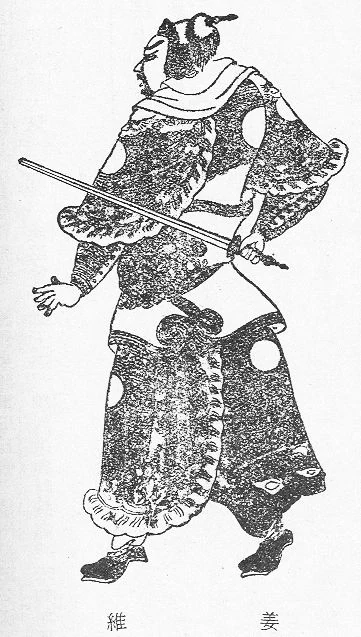
Jiang Wei (202–March 3, 264), courtesy name Boyue, was a native of Ji County in Tianshui Commandery, Liang Province, present-day Gangu County, Tianshui, Gansu. He was a famous Shu Han general of the Three Kingdoms period who rose to General-in-Chief. Originally an officer of Cao Wei in Tianshui Commandery, he surrendered to Shu Han in 228, Jianxing 6, during Zhuge Liang's first expedition through Mount Qi and was hig
 Shu Han
Shu Han statesman
Jiang Wan
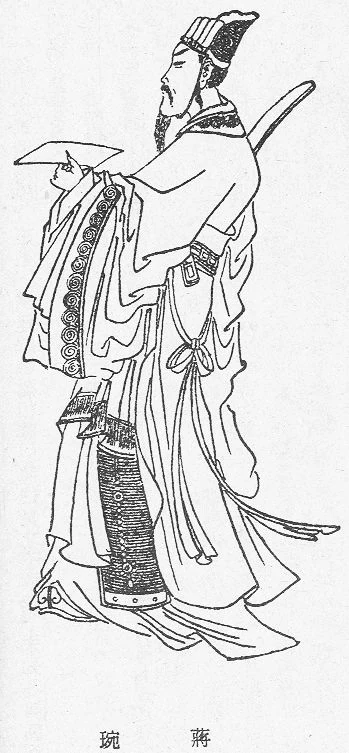
Jiang Wan (d. 246), courtesy name Gongyan, was a native of Xiangxiang in Lingling Commandery, present-day Jingzi Town, Shuangfeng County, Loudi, Hunan. He was a leading official of Shu Han during the Three Kingdoms period and one of the “Four Chief Ministers” of Shu Han, together with Zhuge Liang, Fei Yi, and Dong Yun. Jiang Wan initially followed Liu Bei into Yi Province and became magistrate of Guangdu. His neglect
 Shu Han
General
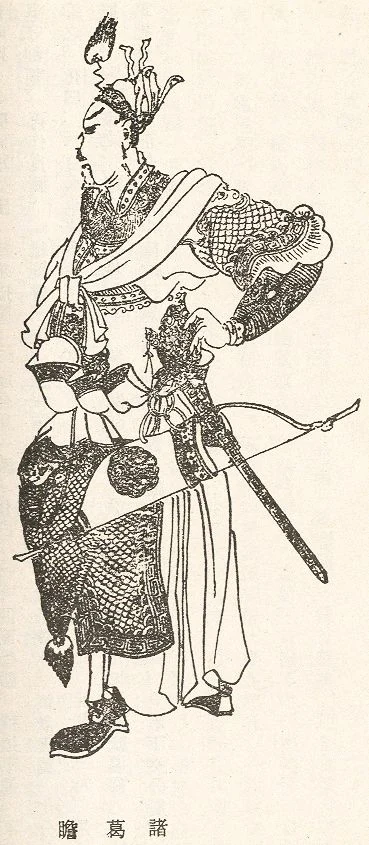
Zhuge Zhan
Zhuge Zhan was the son of Zhuge Liang. He married a Shu Han princess, rose to the office of General of the Guards, and died resisting Deng Ai's army at the Battle of Mianzhu when the city fell.
Shu Han
Empress
Empress Wu (Shu Han)
Empress Wu (d. 245), whose personal name is unknown, was a native of Chenliu, in the area of present-day Kaifeng, Henan. She was empress of Liu Bei, Emperor Zhaolie of Shu Han, and younger sister of the Shu Han General of Chariots and Cavalry Wu Yi. Her family had long-standing ties with Liu Yan and followed him into Yi Province. She first married Liu Yan's son Liu Mao and was widowed after his death. In 214, after L
 Shu Han
General
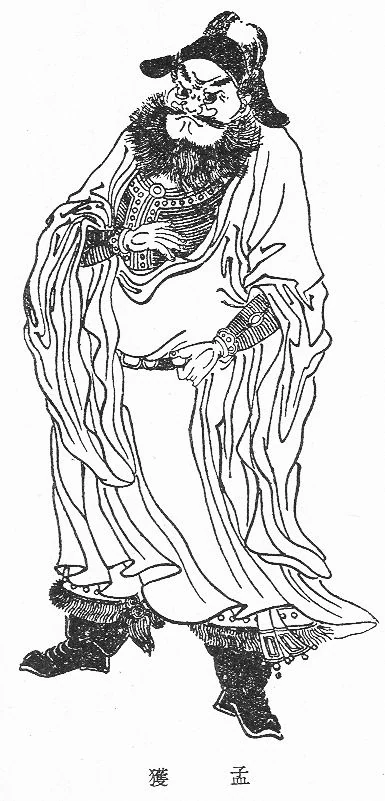
Meng Huo
Meng Huo (dates of birth and death unknown), courtesy name Junhou, was a native of Jianning Commandery in Yizhou (around present-day Qujing, Yunnan) in the late Eastern Han and Three Kingdoms period. He belonged to a powerful local clan in Nanzhong and was respected by both the indigenous and Han populations. In 223, the first year of the Jianxing era of Shu Han, he joined the rebellion led by the prominent Yizhou cl
 Shu Han
Noted general of Shu Han during the Three Kingdoms
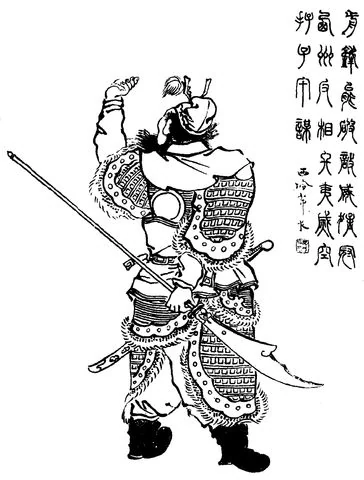
Wei Yan
Wei Yan (died 234 AD), courtesy name Wenchang, was a native of Yiyang Commandery (around modern Tongbai or Nanyang, Henan Province). He was an illustrious commanding general and founding pillar of the Shu Han state during the Three Kingdoms period, renowned for his aggressive battlefield valor and superb command of troops. In 211, he accompanied Liu Bei into Yi Province with his personal retinue, rendering distinguis
Eastern Han
Noble Lady
Empress Zhang (Liu Shan)
Empress Zhang (c. 215–c. 265+), personal name unrecorded, native of Zhuo County in Zhuo Commandery, was the second and final empress of Emperor Houzhu (Liu Shan) of Shu Han during the Three Kingdoms period. The younger daughter of founding general Zhang Fei and Lady Xiahou (niece of Xiahou Yuan), she was also the younger sister of Empress Jing'ai. Following her elder sister's death, Lady Zhang was summoned to the imp
 Eastern Han
Military commander
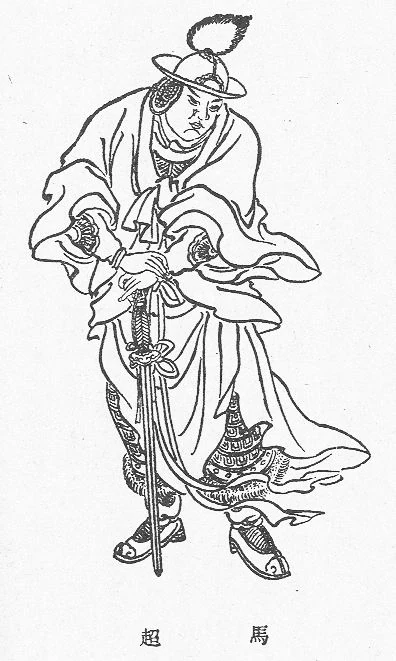
Ma Chao
Ma Chao (176–222), courtesy name Mengqi, was a native of Maoling in Fufeng (northeast of present-day Xingping, Shaanxi) and a descendant of the Han general Ma Yuan, General Fubo. He was a prominent military commander of Shu Han during the late Han and Three Kingdoms period. Known from youth for his physical prowess and courage, Ma Chao joined Han Sui and other Guanzhong commanders in rising against Cao Cao and for a
Related entries
Bibliography
- 《三国志》
- 《蜀书》
- 《诸葛亮传》
- 《资治通鉴》
- 《秦汉魏晋史探微》