Birth in Shuntian | Born into a civilian household in Shuntian Prefecture.
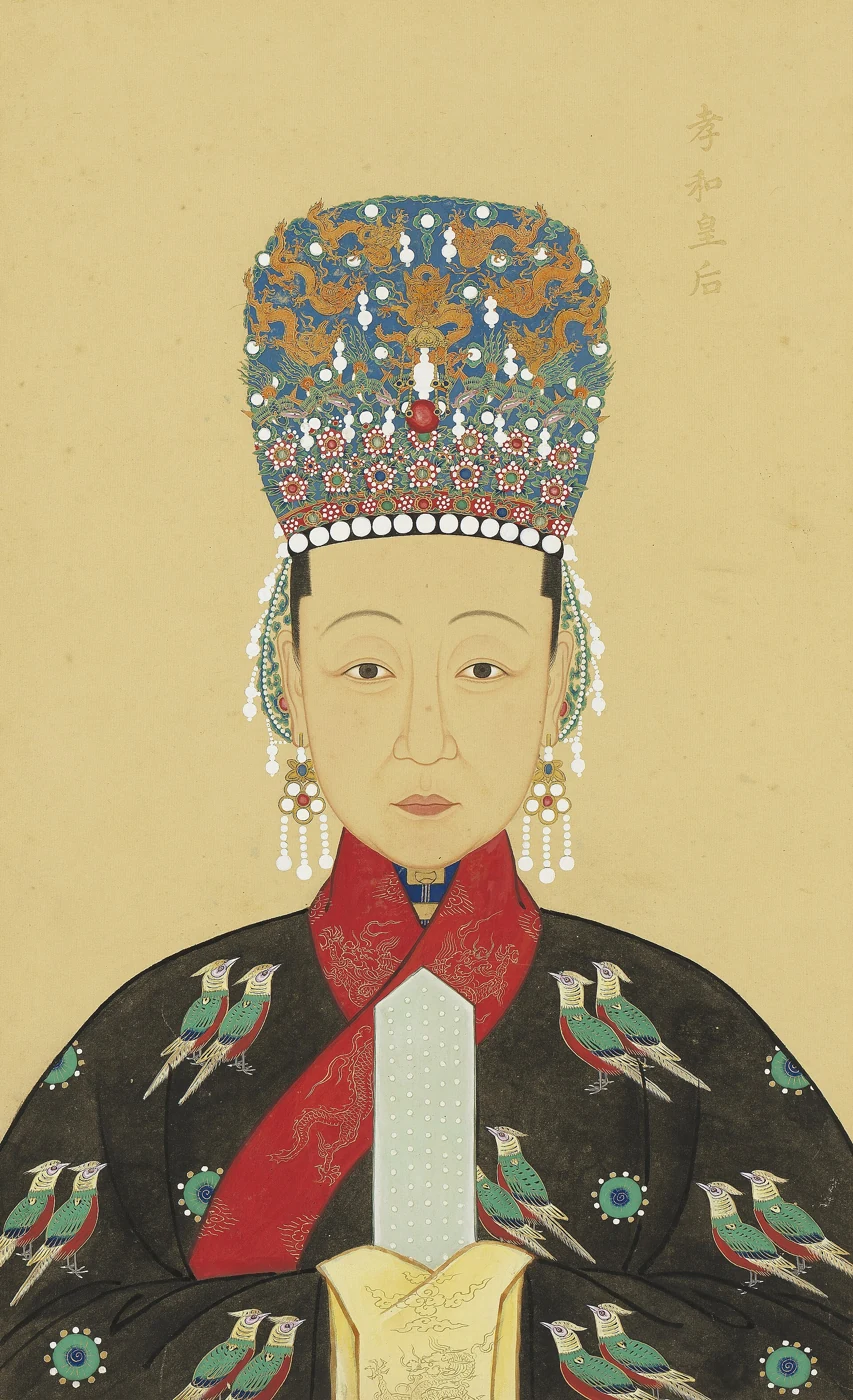
?–1619 CE
Consort of Ming GuangzongPosthumously Honoured Empress Dowager
Lady Wang (Biological Mother of Ming Xizong)
王氏(明熹宗生母)
Lady Wang (1582–1619 CE), a native of Shuntian Prefecture, was a consort of Zhu Changluo during his tenure as Crown Prince, the biological mother of Emperor Xizong (Zhu Youxiao), and the younger sister of Wang Shengzhao. Selected into the Eastern Palace during the Wanli reign, she initially held the rank of Chosen Attendant (Xuanshi). In 1604, upon giving birth to the eldest imperial grandson Zhu Youxiao, she was promoted to…
?–1619 CEMing Dynasty
PROFILE
Lady Wang (1582–1619 CE), a native of Shuntian Prefecture, was a consort of Zhu Changluo during his tenure as Crown Prince, the biological mother of Emperor Xizong (Zhu Youxiao), and the younger sister of Wang Shengzhao. Selected into the Eastern Palace during the Wanli reign, she initially held the rank of Chosen Attendant (Xuanshi). In 1604, upon giving birth to the eldest imperial grandson Zhu Youxiao, she was promoted to Lady of Talented Service (Cairen); she subsequently bore a second son, Zhu Youxue, who died in infancy. Passing away in April 1619, she was accorded special funeral honors equivalent to Crown Princess Consort Guo by order of Emperor Shenzong, who suspended court audiences for five days. Following Zhu Youxiao's accession in 1621, she was formally elevated to Empress Dowager Xiaohe, reinterred in Qingling Mausoleum, and enshrined in the Ancestral Temple.
- Alternative Forms
- Empress Dowager Xiaohe, Lady Wang, Lady of Talented Service
- Identity
- Consort of Ming Guangzong, Posthumously Honoured Empress Dowager
- Era
- Late Ming Dynasty (Emperor Shenzong to Xizong)
- Dynasty
- Ming Dynasty
- Ancestral Home
- Shuntian Prefecture (modern Beijing)
- Spouse
- Zhu Changluo (Emperor Guangzong)
- Date of Birth
- 1582 CE(the 10th year of Wanli)
- Date of Death
- 1619 CE(the 3rd month of the 47th year of Wanli)
- Mausoleum
- Qingling Mausoleum
- Major Relatives
- Zhu Youxiao (eldest son, Emperor Xizong), Zhu Youxue (second son), Wang Shengzhao (elder brother)
LIFE TIMELINE
Birth of Imperial Grandson | Bore the eldest imperial grandson Zhu Youxiao and was promoted to Lady of Talented Service.
Demise in the Palace | Passed away in Ciqing Palace; Emperor Shenzong suspended audiences and granted funeral honors matching the Crown Princess.
Posthumous Noble Consort | Emperor Guangzong ascended the throne and conferred the posthumous title of Imperial Noble Consort.
Empress Dowager Elevation | Emperor Xizong ascended the throne and honoured her as Empress Dowager Xiaohe, reinterring her in Qingling Mausoleum.
Ancestral Temple Dedication | Imperial officials recovered her jade seals and patents, presenting them solemnly in the Ancestral Temple.
BIOGRAPHY
Biography
Selection into the Eastern Palace and Elevation to Cairen
Lady Wang's personal name remains unrecorded in official dynastic histories. Originating from a commoner family in Shuntian Prefecture, she was chosen to serve in the Eastern Palace (Ciqing Palace) of Crown Prince Zhu Changluo during the Wanli reign. Within the Ming court structure, Chosen Attendant denoted palace women awaiting official patents. On December 23, 1604, she gave birth to Zhu Changluo's eldest son, Zhu Youxiao. In the context of the intense factional disputes over imperial succession, the arrival of an eldest grandson critically reinforced the Crown Prince's legitimacy. Consequently, Emperor Shenzong issued an imperial edict promoting her to Lady of Talented Service. She subsequently gave birth to a second son, Zhu Youxue, who passed away in childhood. Throughout her years in the Eastern Palace, Lady Wang maintained an unpretentious and prudent demeanor, and her brother Wang Shengzhao refrained from court intrigue.
Exceptional Obsequies and Court Mourning
In April 1619, having resided in the inner quarters for nearly two decades, Lady Wang succumbed to illness at the age of thirty-eight. As the official Crown Princess Consort Guo had previously passed away, and Zhu Youxiao was beloved by Emperor Shenzong as the prospective successor to the throne, the Emperor decreed extraordinary funeral honors matching those of a Crown Princess. Emperor Shenzong suspended court sessions for five days, silenced palace bells and drums, donned unadorned mourning attire, ordered civil and military officials to attend court in plain robes, and commanded grandson Zhu Youxiao to preside over the ancestral libations, bestowing the posthumous title Lady Zhaosu Gonghe Zhangyi Cairen.
Imperial Enshrinement across Successive Reigns
In August 1620, following the passing of Emperor Shenzong, Zhu Changluo assumed the throne as Emperor Guangzong. The sovereign posthumously honoured Lady Wang as Imperial Noble Consort Wensu Duanjing Chunyi. Following Guangzong's sudden death and the succession crisis, Emperor Xizong assumed power and proclaimed his biological mother Empress Dowager Xiaohe in 1621. Ming officials constructed ancestral shrines, reinterred her remains alongside Emperor Guangzong in Qingling Mausoleum at Mount Tianshou, and dedicated her tablet in the Imperial Ancestral Temple. In April 1638, during the Chongzhen reign, ritual officers located her jade seal and patents in the palace vaults and enshrined them in the Ancestral Temple.
Major Activities
Securing Dynastic Lineage and Succession Legitimacy
Lady Wang's paramount historical significance lay in giving birth to the future Emperor Xizong in 1604. Amidst bitter struggles between Noble Consort Zheng and court loyalists over the heir apparent, the birth of the eldest grandson solidified the Crown Prince's dynastic standing, offering moral and institutional reinforcement to the scholar-bureaucrats defending hereditary succession.
Establishing Precedents for Eastern Palace Funerary Rites
The funeral arrangements executed in 1619 established an enduring precedent for late Ming court ritual. Emperor Shenzong's decision to accord full Crown Princess funeral honors to an attendant of Cairen rank demonstrated how maternal relation to an imperial heir could transcend institutional status in court obsequies.
Modeling Filial Enshrinement in the Late Ming
Emperor Xizong's elevation of Lady Wang to Empress Dowager, along with her reburial at Qingling Mausoleum, exemplified classical agnatic piety. This elevation not only brought hereditary honors to the Wang clan but also provided an established model when Emperor Chongzhen later honoured his own mother, Empress Dowager Xiaochun.
Personal Relations
- Spouse: Zhu Changluo, Emperor Guangzong of Ming.
- Eldest Son: Zhu Youxiao, Emperor Xizong of Ming.
- Second Son: Zhu Youxue, died young, posthumously created Prince Huai of Jian.
- Elder Brother: Wang Shengzhao, received hereditary military appointments.
- Principal Consort: Crown Princess Consort Guo, Empress Xiaoyuanzhen.
- Peer Consort: Lady Liu, mother of Emperor Chongzhen, posthumously honoured as Empress Dowager Xiaochun.
Historical Assessment
- Official Dynastic Record: The History of Ming accurately details her progression from Chosen Attendant to Empress Dowager without embellishment, affirming her legitimate status in the preservation of the imperial lineage.
- Ritual Historians' Perspective: Modern and traditional scholars examine Lady Wang's obsequies as key case studies for late Ming court hierarchy, demonstrating how personal imperial favor and succession politics reshaped conventional palace rank.
FIGURES ASSOCIATED WITH THIS DYNASTY
Bibliography
- History of Ming, Volume 114: Biographies of Consorts.
- Veritable Records of the Ming: Shenzong Annals, Volume 580.
- Veritable Records of the Ming: Xizong Annals, Volume 5.
- Records of the Eunuch Bureau (Zhuozhong Zhi), Volume 22.