Birth in Sichuan | Born on October 15 in Xindu, Chengdu Prefecture, to a distinguished scholarly family.
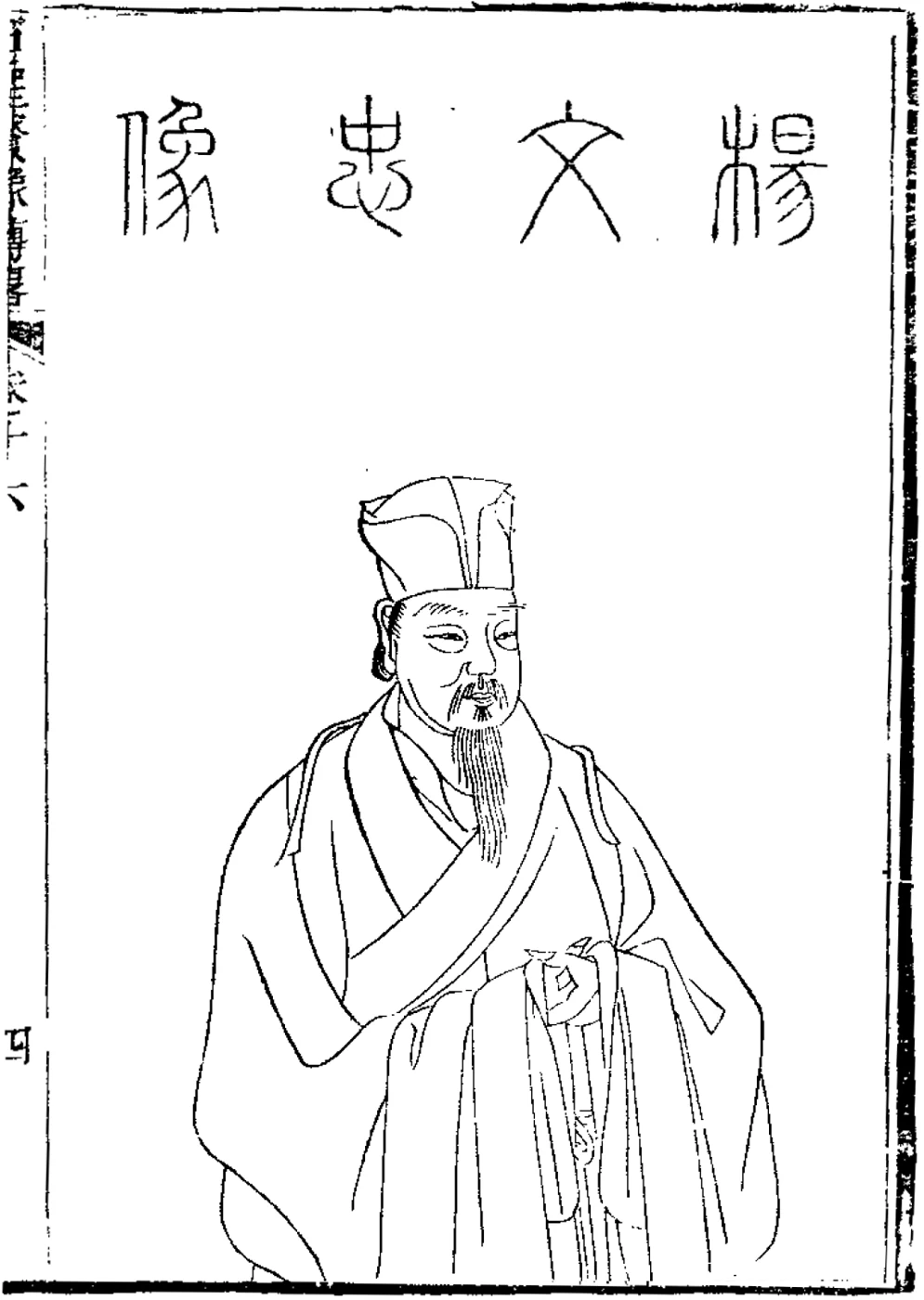
1459 CE–1529 CE
StatesmanGrand ReformerSenior Grand Secretary (Neige Shoufu)Grand Mentor
Yang Tinghe
杨廷和
Birthplace qualification: locations retained below as native place, ancestral origin, or family background do not establish a confirmed birthplace. Yang Tinghe (October 15, 1459 – July 25, 1529), courtesy name Jieful, art name Shizhai, native of Xindu, Chengdu Prefecture, Sichuan (modern Xindu District, Chengdu), ancestral home Luling, Jiangxi, was an preeminent statesman, administrative reformer, and Senior Grand Secretary…
1459 CE–1529 CEMing Dynasty
PROFILE
Birthplace qualification: locations retained below as native place, ancestral origin, or family background do not establish a confirmed birthplace. Yang Tinghe (October 15, 1459 – July 25, 1529), courtesy name Jieful, art name Shizhai, native of Xindu, Chengdu Prefecture, Sichuan (modern Xindu District, Chengdu), ancestral home Luling, Jiangxi, was an preeminent statesman, administrative reformer, and Senior Grand Secretary of the Ming dynasty. A prodigy who passed the provincial examinations at age twelve and achieved the Jinshi degree at nineteen, Yang served as tutor to the Crown Prince (later the Zhengde Emperor) during the Hongzhi era. Entering the Grand Secretariat in 1507, he succeeded Li Dongyang as Senior Grand Secretary in 1512, standing as a bulwark against the excesses of Emperor Zhengde. Upon Zhengde's heirless death in 1521, Yang orchestrated the accession of the Jiajing Emperor, using the Empress Dowager's edicts to ambush and execute rogue military general Jiang Bin, preventing a catastrophic coup. Over a critical 37-day interregnum, Yang ruled the empire as premier, abolishing the Leopard House, dismantling corrupt royal estates, emancipating thousands of palace concubines and entertainers, and discharging over 140,000 redundant corrupt officials—a historic achievement compared by historians to Duke Zhou Bo and Han Qi. During the Great Rites Controversy, he defended ancestral ritual propriety, resigning in 1524 before being stripped of titles. Posthumously rehabilitated under Emperor Longqing as Grand Guardian and canonized as 'Wenzhong', he was celebrated alongside his eldest son, Number One Scholar Yang Shen, as a peerless model of filial rectitude and statesmanship.
- Courtesy / Art Name
- Courtesy name Jieful; Art name Shizhai
- Historical Era
- Middle Ming dynasty (Reigns of Chenghua, Hongzhi, Zhengde, and Jiajing)
- Dynasty / Regime
- Ming dynasty
- Identity
- Statesman, Grand Reformer, Senior Grand Secretary (Neige Shoufu), Grand Mentor, Grand Preceptor to Crown Prince, Hall of Supreme Glory
- Date of Birth
- October 15, 1459 CE(3rd year of Ying Zong Tian Shun, 9th month, 19th day)
- Date of Death
- July 25, 1529 CE(8th year of Emperor Shizong, 6th month, 21st day)
- Ethnicity
- Han
- Native Place
- Xindu, Chengdu Prefecture, Sichuan (modern Xindu District, Chengdu, Sichuan Province), ancestral home Luling, Jiangxi
- Place of Birth
- Unconfirmed; native place or family origin is not treated as an explicitly recorded birthplace
- Place of Death
- Shizhai Residence, Xindu, Chengdu, Sichuan
- Age at Death
- 71
- Highest Office
- Senior Grand Secretary of the Grand Secretariat, Grand Secretary of the Hall of Supreme Glory (Huagai Dian), Junior Preceptor (Shaoshi), Pillar of State
- Major Offices
- Hanlin Editor, Hanlin Lecturer, Grand Secretary of the Eastern Pavilion, Minister of Personnel, Senior Grand Secretary
- Noble Title
- None (By Ming custom, Grand Secretaries were not enfeoffed with nobility; held supreme ranks of Junior Preceptor and Left Pillar of State)
- Posthumous Name
- Wenzhong (bestowed in 1567 under the Longqing Emperor)
- Major Achievements
- Child prodigy passing provincial examinations at twelve and imperial examinations at nineteen; served four successive emperors; served as Senior Grand Secretary for twelve years; upon Zhengde's death without heir, resolved the dynastic succession by enthroning the Jiajing Emperor; orchestrated the covert arrest and execution of rebel general Jiang Bin; ruled the empire for thirty-seven days during the interregnum, purging corrupt imperial estates, freeing thousands of palace women, abolishing 140,000 corrupt sinecures, celebrated in history alongside Zhou Bo and Han Qi; stood firm in the Great Rites Controversy; father of Number One Scholar Yang Shen
LIFE TIMELINE
Child Prodigy | Passed the provincial civil service examination at age twelve, astounding scholars across southwestern China.
Imperial Degree | Earned the Jinshi degree at age nineteen and was appointed Hanlin Editor to compile the national history.
Eastern Palace Tutor | Promoted to Hanlin Lecturer; appointed in 1495 to educate Crown Prince Zhu Houzhao (the future Zhengde Emperor).
Grand Secretariat | Elevated to Grand Secretary of the Eastern Pavilion, managing imperial decrees; promoted to Hall of Literary Depth in 1508.
Purge of Liu Jin | Allied with Yang Yiqing and Zhang Yong to topple tyrannical eunuch Liu Jin; drafted national amnesty and reform edicts.
Senior Grand Secretary | Succeeded retiring Li Dongyang as Senior Grand Secretary; staunchly opposed the abuses of the Leopard House and Jiang Bin.
Quelling Prince Ning | Secretly directed Wang Shouren to suppress Prince Ning's revolt within 35 days, thwarting Zhengde's dangerous military adventurism.
The 37-Day Interregnum | Handled Zhengde's heirless death by enthroning Zhu Houcong; captured Jiang Bin in a palace trap; purged 140,000 corrupt offices in 37 days.
Left Pillar of State | Honored as Left Pillar of State and Junior Preceptor; clashed with the young Jiajing Emperor over the Great Rites Controversy.
Retirement | Resigned after six retirement petitions were rejected; son Yang Shen was flogged and exiled to Yunnan in the Left Shun Gate incident.
Stripped of Rank | Denounced in the Annals of Illustrious Relations by political rivals Zhang Cong and Gui E, and reduced to commoner status.
Passing at Xindu | Died peacefully at his Xindu residence on July 25, aged 71; mourned by commoners and scholars across Sichuan.
Complete Vindication | Posthumously rehabilitated by the Longqing Emperor, promoted to Grand Guardian, and canonized as Wenzhong.
Age 51 | In 1510, when Prince Anhua revolted against Liu Jin's tax policies, Yang worked in concert with border commander Yang Yiqing and eunuch rival Zhang Yong to expose Liu Jin's treasonous conspiracy, resulting in Liu Jin's execution.
In 1512 | In 1512, upon Li Dongyang's retirement, Yang assumed the role of Senior Grand Secretary, directing the civil administration.
Age 53 | In 1512, upon Li Dongyang's retirement, Yang assumed the role of Senior Grand Secretary, directing the civil administration.
In 1519 | In 1519, Prince Ning launched a rebellion in Jiangxi.
Age 60 | In 1519, Prince Ning launched a rebellion in Jiangxi.
The 37-Day Interregnum and Jiang Bin's Arrest In March 1521 | ### The 37-Day Interregnum and Jiang Bin's Arrest In March 1521, Emperor Zhengde died at the Leopard House without an heir.
The 37-Day Interregnum and Jiang Bin's Arrest In March 1521 | ### The 37-Day Interregnum and Jiang Bin's Arrest In March 1521, Emperor Zhengde died at the Leopard House without an heir.
Age 62 | ### The 37-Day Interregnum and Jiang Bin's Arrest In March 1521, Emperor Zhengde died at the Leopard House without an heir.
Unwilling to flatter royal ego at the expense of fundamental constitutional law | Unwilling to flatter royal ego at the expense of fundamental constitutional law, Yang submitted six resignation memorials, retiring to Sichuan in 1524.
Age 65 | Unwilling to flatter royal ego at the expense of fundamental constitutional law, Yang submitted six resignation memorials, retiring to Sichuan in 1524.
In 1528 | In 1528, political sycophants Zhang Cong and Gui E compiled the Annals of Illustrious Relations, stripping Yang of all ranks.
Age 69 | In 1528, political sycophants Zhang Cong and Gui E compiled the Annals of Illustrious Relations, stripping Yang of all ranks.
Yang bore this humiliation with philosophical serenity | Yang bore this humiliation with philosophical serenity, passing away on July 25, 1529, aged 71.
Age 70 | Yang bore this humiliation with philosophical serenity, passing away on July 25, 1529, aged 71.
In 1567 | In 1567, Emperor Longqing issued a decree fully restoring Yang's ranks and granting him the posthumous title 'Wenzhong'.
BIOGRAPHY
Biography
Youthful Prodigy and Metropolitan Success Yang Tinghe was born on October 15, 1459, in Xindu County, Chengdu Prefecture, Sichuan, to an illustrious lineage of scholars whose ancestors had migrated from Luling, Jiangxi, during the early Ming dynasty. His father, Yang Chun, was a renowned classicist and Jinshi of 1481 who served as Education Intendant in Huguang. Gifted with an eidetic memory, Yang began studying the Confucian classics at age four. By age seven, he was composing sophisticated prose essays; by eight, he was analyzing dynastic histories with strategic maturity. In 1471, at the astounding age of twelve, Yang entered the Sichuan provincial examinations and passed with top honors, celebrated across China as a divine child. In 1478, at nineteen, he sat for the metropolitan examinations in Beijing and passed the Jinshi degree, appointed Hanlin Editor to compile the imperial annals. His integrity, profound classical learning, and elegant literary style won him the respect of the highest court dignitaries. ### Imperial Tutor and Accession to the Grand Secretariat Under the virtuous reign of Emperor Hongzhi, Yang was promoted to Hanlin Lecturer in 1489, contributing to the compilation of the Veritable Records of Xianzong. In 1495, he was appointed lecturer to Crown Prince Zhu Houzhao (later the Zhengde Emperor). In daily lectures at the Eastern Palace, Yang emphasized Confucian ethics, fiscal restraint, and the prevention of eunuch corruption. When Zhu Houzhao ascended the throne in 1505 as Emperor Zhengde, the young monarch abandoned governance in favor of decadent amusements, falling under the sway of eunuch dictator Liu Jin and the 'Eight Tigers'. In 1507, Yang was promoted to Grand Secretary of the Eastern Pavilion. Collaborating discreetly with Senior Grand Secretary Li Dongyang, Yang pursued a strategy of tactical patience, rejecting Liu Jin's most tyrannical decrees and quietly shielding dozen of honest officials from imprisonment. In 1510, when Prince Anhua revolted against Liu Jin's tax policies, Yang worked in concert with border commander Yang Yiqing and eunuch rival Zhang Yong to expose Liu Jin's treasonous conspiracy, resulting in Liu Jin's execution. Yang personally drafted the great imperial amnesty that dismantled Liu Jin's apparatus of terror. In 1512, upon Li Dongyang's retirement, Yang assumed the role of Senior Grand Secretary, directing the civil administration. ### Resistance to Zhengde's Eccentricities For the next twelve years, Yang Tinghe stood as the supreme constitutional check on Zhengde's reckless behaviors. When Zhengde established the infamous Leopard House, surrounded himself with frontier mercenary general Jiang Bin, and self-appointed himself 'Generalissimo Zhu Shou', Yang repeatedly sealed up and returned imperial commands, refusing to countersign illegitimate appointments. In 1519, Prince Ning launched a rebellion in Jiangxi. Zhengde insisted on leading an expedition south for personal glory. Yang coordinated with Southern Governor Wang Shouren, who crushed the rebellion in 35 days. Yang then prevented Jiang Bin from fabricating charges against Wang Shouren, stabilizing southern governance. ### The 37-Day Interregnum and Jiang Bin's Arrest In March 1521, Emperor Zhengde died at the Leopard House without an heir. With general Jiang Bin garrisoning tens of thousands of frontier troops in Beijing, a military coup was imminent. Displaying peerless decisiveness, Yang cited the Ancestral Injunctions regarding brother-to-brother succession, declaring that Zhu Houcong, the eldest son of the Prince of Xing, was the legitimate heir. He drafted the succession decrees and dispatched an imperial delegation to Huguang to welcome the future Jiajing Emperor. Simultaneously, Yang executed a masterstroke of statecraft. Using the Empress Dowager's authority, he ordered Jiang Bin's frontier troops to disperse back to their northern posts with lavish bonuses. On March 22, Yang lured Jiang Bin into the Forbidden City under the pretext of royal consultations, where hidden guards arrested him. During the ensuing 37-day interregnum before the new emperor reached Beijing, Yang wielded supreme executive authority. In an astonishing flurry of reforms, he shut down the Leopard House, liberated over 3,000 palace concubines and entertainers, abolished all royal estates and returned land to impoverished farmers, discharged 140,000 corrupt sinecures, and remitted millions of taels of back taxes. Historians universally hailed his governing genius, comparing his deeds to Han dynasty chancellor Zhou Bo and Song statesman Han Qi. ### The Great Rites Controversy and Final Years Upon arriving outside Beijing, the young Jiajing Emperor clashed with the court over his ascension rituals and demanded that his biological father be posthumously titled 'Imperial Father'. Yang Tinghe and Minister of Rites Mao Cheng stood immovable on orthodox neo-Confucian doctrine, arguing that Jiajing had succeeded to the primary dynastic line of Emperor Hongzhi and must recognize Hongzhi as his imperial father while styling his biological father as imperial uncle. Unwilling to flatter royal ego at the expense of fundamental constitutional law, Yang submitted six resignation memorials, retiring to Sichuan in 1524. Shortly thereafter, the Left Shun Gate incident saw hundreds of officials beaten, with Yang's son, Number One Scholar Yang Shen, exiled to Yunnan for life. In 1528, political sycophants Zhang Cong and Gui E compiled the Annals of Illustrious Relations, stripping Yang of all ranks. Yang bore this humiliation with philosophical serenity, passing away on July 25, 1529, aged 71. In 1567, Emperor Longqing issued a decree fully restoring Yang's ranks and granting him the posthumous title 'Wenzhong'.
Major Activities
Tutoring the Eastern Palace
For a decade during the Hongzhi reign, Yang served as imperial tutor to Crown Prince Zhu Houzhao, teaching Confucian statecraft. ### Dismantling Liu Jin's Tyranny In 1510, Yang coordinated with Yang Yiqing to expose Liu Jin's treason, authoring the national restoration proclamation that repealed the dictator's decrees. ### Constitutional Checks on Emperor Zhengde As Senior Grand Secretary from 1512 to 1521, Yang blocked hundreds of arbitrary imperial decrees and protected loyal officials during the Ning rebellion. ### Decisive Dynastic Succession of 1521 Invoking ancestral law, Yang drafted the accession decrees that enthroned the Jiajing Emperor, maintaining dynastic continuity. ### The Capture of Jiang Bin Using political subterfuge, Yang dispersed Jiang Bin's garrison and lured the rogue general into a Forbidden City trap, executing him for treason. ### The 37-Day Reform Miracle Acting as regent, Yang abolished the Leopard House, dismantled royal monopolies, and dismissed 140,000 corrupt officials within five weeks. ### Principled Stand in the Great Rites Controversy Yang defended Confucian ritual propriety against Jiajing's personal desires, choosing honorable dismissal over sycophancy. ### Father of the Supreme Scholar Cultivated his eldest son Yang Shen, who achieved first place in the imperial examinations and became the greatest polymath of the Ming dynasty.
Personal Relations
- Yang Chun: Father; Jinshi of 1481; strict moral guide and scholar.
- Yang Shen: Eldest son; Number One Scholar of 1511; celebrated polymath and author of the Romance of the Three Kingdoms theme poem; exiled to Yunnan for 35 years.
- Yang Dun: Second son; Jinshi of 1523; served as Ministry of War Secretary. ### Four Emperors Served
- Emperor Xianzong: Granted Yang his metropolitan degree in 1478.
- Emperor Hongzhi: Appointed Yang as Eastern Palace tutor, holding him in highest esteem.
- Emperor Zhengde: Imperial student; indulged in chaotic pursuits while Yang served as chief stabilizing minister.
- Emperor Jiajing: Enthroned by Yang's decrees; clashed over family rituals, ultimately stripping Yang of his ranks. ### Grand Secretariat and Cabinet Peers
- Li Dongyang: Predecessor as Senior Grand Secretary; mentor who bequeathed imperial leadership to Yang.
- Yang Yiqing: Senior minister and military commander who collaborated in the elimination of Liu Jin.
- Jiang Mian and Mao Ji: Trusted cabinet colleagues who co-directed the 37-day reforms.
- Mao Cheng: Minister of Rites; steadfast ally in the ritual debates against royal overreach. ### Adversaries
- Liu Jin: Primary eunuch tyrant defeated and executed through Yang's planning.
- Jiang Bin: Frontier general and imperial favorite whose coup was thwarted by Yang's counter-measures.
- Zhang Cong and Gui E: Opportunistic officials who manipulated Jiajing's ritual desires to purge Yang Tinghe.
Historical Assessment
- Jiajing Emperor (early edict): 'Grand Secretary Yang Tinghe aided the late monarch, secured the succession, eliminated traitors, and stabilized the realm; his merit resides within the dynasty!'
- Longqing Emperor (1567 rehabilitation): 'Senior Grand Secretary Yang Tinghe secured the dynastic transition and cleared away decades of decay during his 37-day governance. His peerless integrity matches that of Duke Zhou and Chancellor Han Qi.'
- Zhang Juzheng: 'At the end of the Zhengde reign, had it not been for Yang Wenzhong holding firm, the state would have collapsed. His deeds surpass even Zhou Bo of Han and Han Qi of Song.'
- Wang Shizhen: 'Yang Tinghe possessed oceanic depth and peerless judgment. During the chaos of Zhengde, he secured the inner palaces and eliminated dangerous warlords, maintaining peace across the four seas.'
- History of Ming (Zhang Tingyu et al.): 'Yang Tinghe resolved the succession, executed traitors, and rescued the dynasty from ruin. In his heavy sense of duty and unyielding resolve, he embodied the noble spirit of Zhou Bo and Han Qi.'
- Modern Scholars: Recognized as one of the two greatest Senior Grand Secretaries of the Ming dynasty alongside Zhang Juzheng, whose administrative courage during the 1521 interregnum remains a high-water mark of Chinese prime ministerial governance.
FIGURES ASSOCIATED WITH THIS DYNASTY
Bibliography
- Zhang Tingyu et al., History of Ming, Vol. 190, "Biography of Yang Tinghe", Beijing: Zhonghua Book Company, 1974.
- Wang Shizhen, Biographies of Senior Grand Secretaries Since Jiajing, Vol. 1, Beijing: Zhonghua Book Company, 1992.
- Gu Yingtai, Major Historical Events of the Ming Dynasty, "The Great Rites Controversy", Beijing: Zhonghua Book Company, 1977.
- Huang Zongxi, Records of Ming Confucian Scholars, Beijing: Zhonghua Book Company, 1985.
- Meng Sen, Lectures on Ming History, Beijing: Zhonghua Book Company, 2006.
- Bai Shouyi, General History of China: The Ming Period, Shanghai: Shanghai People's Publishing House, 2004.