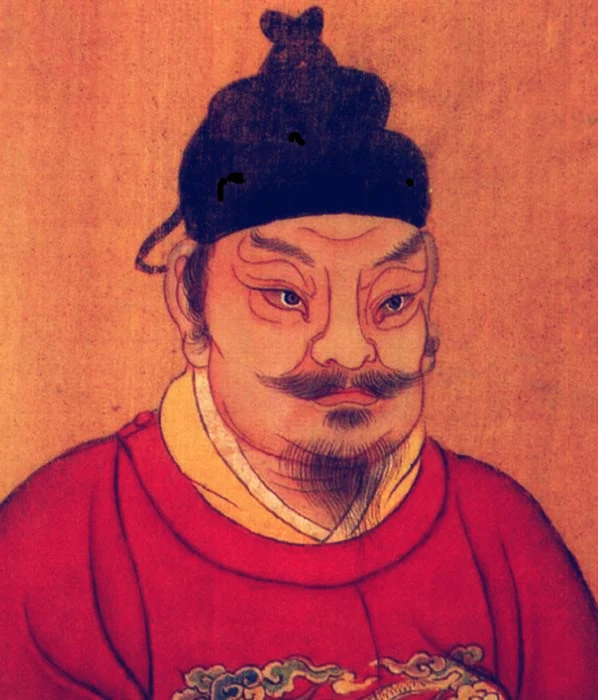
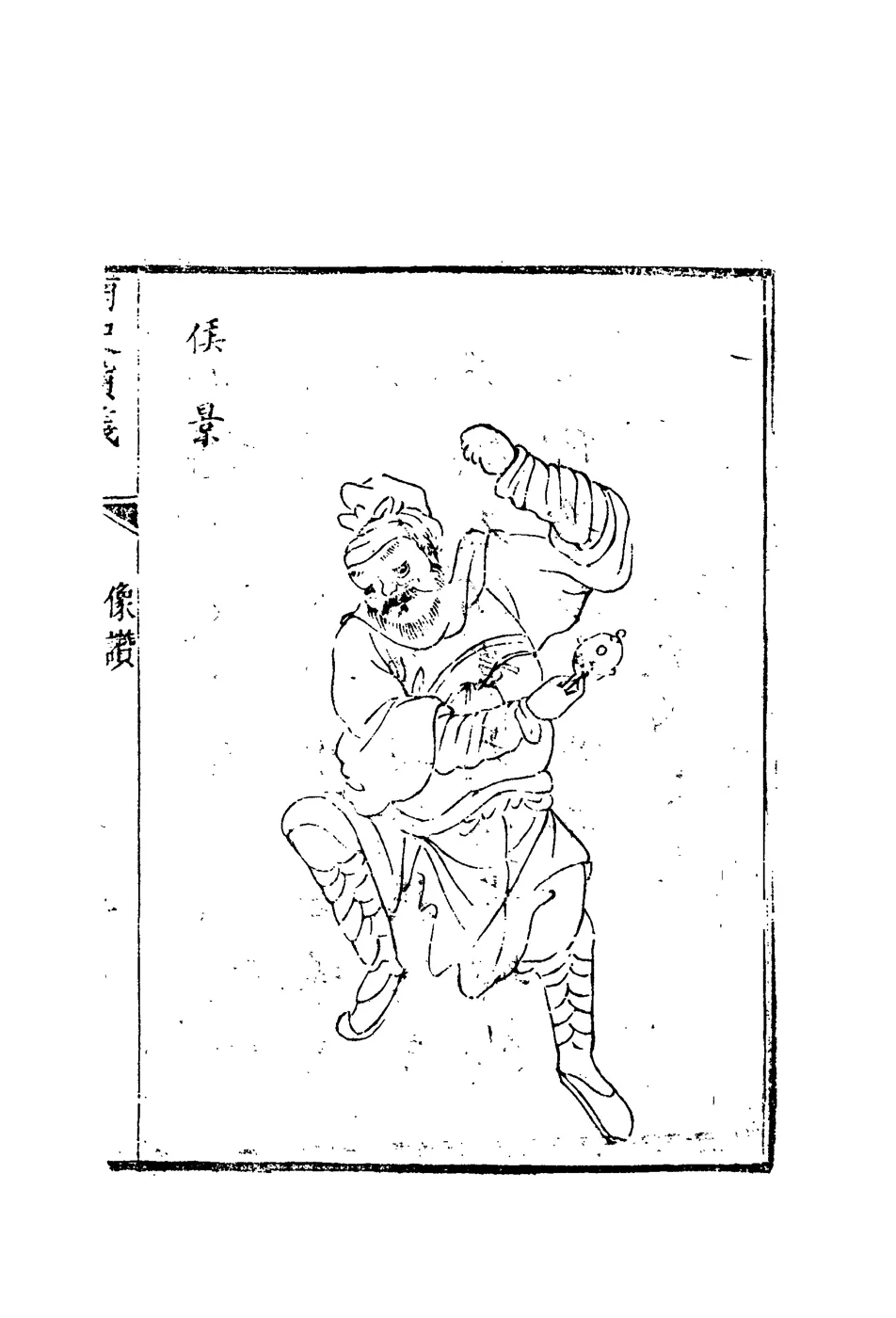
The Later Han (947–950; by one reckoning extending to 951) was the fourth of the Five Dynasties during the Five Dynasties and Ten Kingdoms period. It was founded by the Shatuo ruler Liu Zhiyuan and was also called “Liu Han.” Liu Zhiyuan had served as the Later Jin Military Commissioner of Hedong. After the Khitans (Liao) destroyed the Later Jin and left the Central Plains without a ruler, he raised troops, proclaimed himself emperor at Taiyuan, and then entered Bianzhou. The Later Han had only…
947 CE–951 CECapital · See entry
ERA OVERVIEW
The Later Han (947–950; by one reckoning extending to 951) was the fourth of the Five Dynasties during the Five Dynasties and Ten Kingdoms period. It was founded by the Shatuo ruler Liu Zhiyuan and was also called “Liu Han.” Liu Zhiyuan had served as the Later Jin Military Commissioner of Hedong. After the Khitans (Liao) destroyed the Later Jin and left the Central Plains without a ruler, he raised troops, proclaimed himself emperor at Taiyuan, and then entered Bianzhou. The Later Han had only two emperors, Emperor Gaozu Liu Zhiyuan and Emperor Yin Liu Chengyou, and lasted little more than three years, making it one of the latest-founded and shortest-lived regimes of the Five Dynasties and Ten Kingdoms. It was ultimately replaced by the Zhou, or Later Zhou, founded by Guo Wei. The Later Han became known for establishing authority through executions, severe punishments, arbitrary killing, and deep internal suspicion. Its rapid rise and fall vividly reflected the violent military politics and repeated deposition of rulers during the Five Dynasties and made it a transitional regime on the path toward later Song reunification.
Time span947 CE–951 CE
CapitalSee entry
ERA TIMELINE
Liu Zhiyuan proclaimed himself emperorOpen
Liu Zhiyuan proclaimed himself emperor at Taiyuan and, after the Khitans withdrew north, entered Kaifeng and formally established the Later Han.
Liu Zhiyuan restored administrative anOpen
Liu Zhiyuan restored administrative and military-command order in the Central Plains and used Han as the state name to construct the Later Han's claim to legitimate succession within the Five Dynasties.
Liu Zhiyuan died. Liu Chengyou succeedOpen
Liu Zhiyuan died. Liu Chengyou succeeded, while Yang Bin, Shi Hongzhao, Guo Wei, and other regent ministers held military and political power.
Guo Wei and other generals suppressed Open
Guo Wei and other generals suppressed regional rebellions, further increasing the court's dependence on the army and regional commands.
Liu Chengyou killed Yang Bin, Shi HongOpen
Liu Chengyou killed Yang Bin, Shi Hongzhao, and other senior officials and attempted to eliminate Guo Wei. Guo Wei raised troops at Yedu, and Liu Chengyou was defeated and killed.
(fourth year of Qianyou; first yeaOpen
951 (fourth year of Qianyou; first year of Later Zhou Guangshun): Guo Wei proclaimed himself emperor and established the Later Zhou, ending the Later Han; Liu Chong established Northern Han in Hedong and continued Liu clan regional power.
FULL ENTRY
Overview
The Later Han (947–950; by one reckoning extending to 951) was the fourth of the Five Dynasties during the Five Dynasties and Ten Kingdoms period. It was founded by the Shatuo ruler Liu Zhiyuan and was also called “Liu Han.” Liu Zhiyuan had served as the Later Jin Military Commissioner of Hedong. After the Khitans (Liao) destroyed the Later Jin and left the Central Plains without a ruler, he raised troops, proclaimed himself emperor at Taiyuan, and then entered Bianzhou. The Later Han had only two emperors, Emperor Gaozu Liu Zhiyuan and Emperor Yin Liu Chengyou, and lasted little more than three years, making it one of the latest-founded and shortest-lived regimes of the Five Dynasties and Ten Kingdoms. It was ultimately replaced by the Zhou, or Later Zhou, founded by Guo Wei. The Later Han became known for establishing authority through executions, severe punishments, arbitrary killing, and deep internal suspicion. Its rapid rise and fall vividly reflected the violent military politics and repeated deposition of rulers during the Five Dynasties and made it a transitional regime on the path toward later Song reunification.
Historical Development
(Coexisting-regime context: The Later Han existed alongside the Khitan Liao in the north and Later Shu, Southern Tang, Wuyue, Southern Han, and Jingnan (Nanping) in the south, forming part of the wider Five Dynasties and Ten Kingdoms landscape. Later Shu took advantage of the disorder to occupy the four prefectures of Jie, Cheng, Qin, and Feng that had belonged to Later Jin, while Later Han recovered Shengzhou from the Khitans. Because the Later Han survived only a few years, it remained throughout its existence within a fragmented and highly militarized political environment.)