Historical Context: The mid-nineteenth-century civil wars in late Qing China and the devastating collapse of internal theocratic leadership during the Second Opium War era.
01. Executive Summary & Historical Overview
TL;DR
In autumn 1856, the Tianjing Incident (Tianjing Incident) split the leaders of the Taiping Heavenly Kingdom. Religious jealousy and rival claims drove Hong Xiuquan to turn against Yang Xiuqing. Hong used Wei Changhui to kill Yang, his top military commander and Commander of the Army. The purge took over twenty thousand lives, drove Shi Dakai away, and broke the rebel state at its peak.
Chronological and Spatial Coordinates
- Timeline: September to November 1856, during the Jiaqing aftermath and Xianfeng era of the Taiping wars.
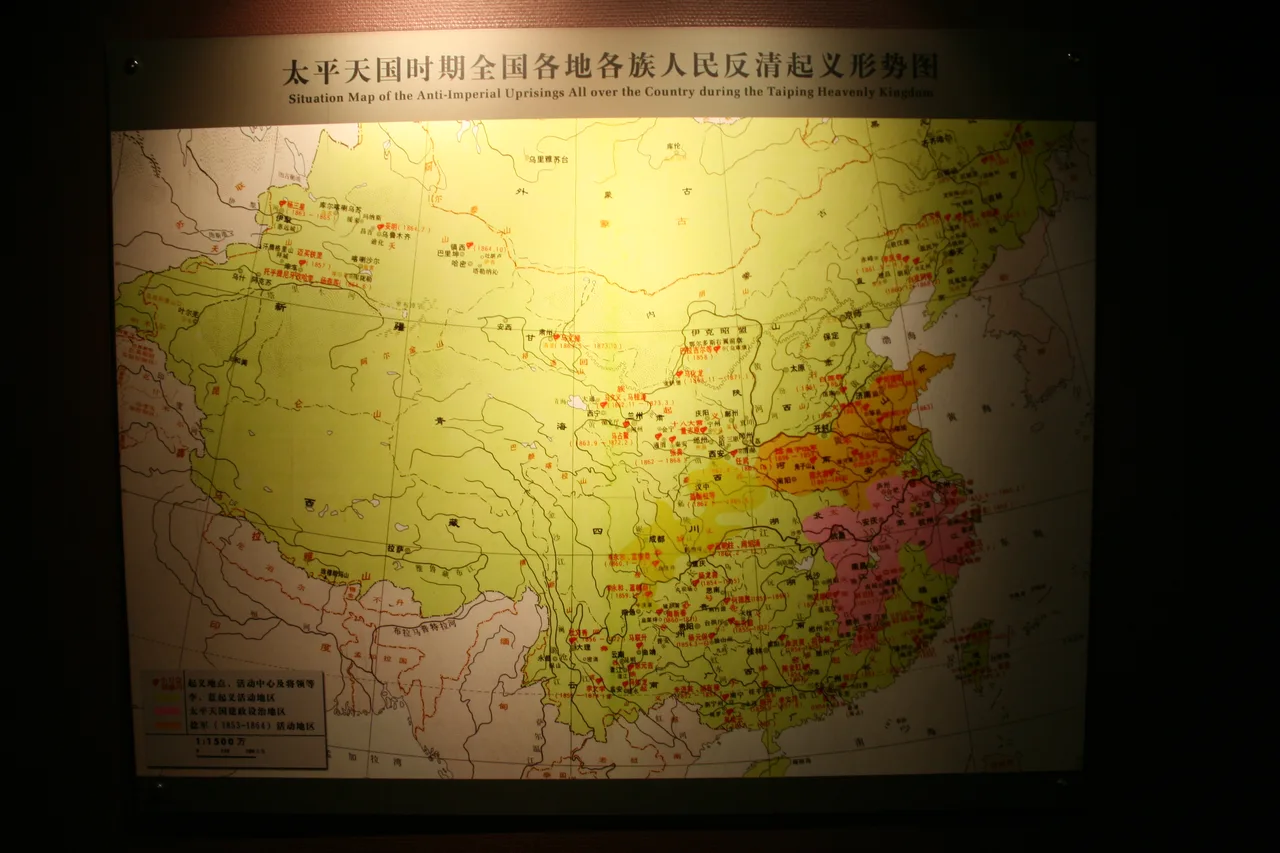
- Core Theater: Tianjing (modern Southern Capital of Nanjing), Jiangsu Province, along the lower Yangtze River corridor.
- Global Context: Happened alongside the Second Opium War and resembled the Münster Rebellion of Reformation Europe.
- Key Protagonists: Hong Xiuquan (Heavenly King), Yang Xiuqing (East King), Wei Changhui (North King), and Shi Dakai (Wing King).
- Strategic Impact: Broke field coordination, shattered religious faith, and let Zeng Guofan and Hu Linyi build the counter-offensive of the Hunan Army.
02. The Roots of Theocratic Dualism
The God Worshipping Society and Divine Trances
The uprising began in southern China through the God Worshipping Society after the First Opium War. In the days of the Jintian Uprising, Hong Xiuquan called himself the younger brother of Jesus Christ. Yet when hard times tested the army, Yang Xiuqing claimed that God spoke through his mouth.
This claim gave Yang great control over daily life. As chief minister, Commander of the Army, and top military commander, Yang ran court politics, public works, and military administration. Hong held supreme spiritual rank as Heavenly King, but Yang could drop into a trance and order Hong to kneel. This divided rule between sacred head and active general could not last once they set up their Imperial Court in the Southern Capital of Nanjing.
The Breakdown of Royal Solidarity
After taking Nanjing in 1853, rebel kings built grand palaces and shut out commoners. Yang ran daily governance with strict Military Discipline and ongoing troop reorganization. He replaced any local official who opposed his rules and told the Manager of Sewing to make rich robes for the inner court.
Yang soon humiliated the other kings. He threatened Wei Changhui with public beatings and ignored the legal advice of Shi Dakai. When Yang demanded the title of Ten Thousand Years—an honor kept only for Hong—Hong suspected treason. Hong sent secret orders to Wei Changhui and Shi Dakai, telling them to return to the capital and strike down the East King.
03. The Autumn Slaughter: Anatomy of a Coup
The Murder of the East King
On September 1, 1856, Wei Changhui led three thousand shock troops into Tianjing under cover of dark. Aided by an allied Battalion Commander and trusted guards, Wei surrounded the mansion of Yang Xiuqing. At dawn, his men broke through the gates and killed Yang, along with his family and servants.
The killing spread far beyond Hong's original plan. Wei offered a false truce to draw out the followers of the East King. When thousands of soldiers, clerks, and an Adjutant staff laid down their weapons, Wei sealed the gates and cut them down. For weeks, blood ran in the canals of the Southern Capital as more than twenty thousand skilled men lost their lives.
Shi Dakai's Flight and Wei's Downfall
When Shi Dakai returned from the western front, he condemned the massacre. Wei turned on Shi in rage, forcing Shi to climb the city walls at night to save his life. In revenge, Wei slaughtered Shi's wives, children, and staff inside the capital.
Shi gathered his field forces outside the walls and prepared to attack Tianjing unless Hong killed Wei. Seeing the mood of his men change, Hong called up the palace guard, arrested Wei Changhui, and had him torn apart in public. Hong then asked Shi to oversee court politics. Yet Hong grew fearful of any warlord with broad support, so he gave key offices to his own brothers as Imperial Affinal Relatives. Troubled by this distrust, Shi took one hundred thousand elite troops west, splitting the rebel movement forever.
04. Quantitative Assessment: Before and After the Tianjing Incident
The following table shows how the 1856 crisis damaged the Taiping Heavenly Kingdom:
| Strategic Dimension | Before Tianjing Incident (1853–Mid-1856) | After Tianjing Incident (Late 1856–1864) | Long-Term Strategic Outcome |
|---|---|---|---|
| Supreme Command Structure | Unified operational command under Yang Xiuqing; central coordination of all fronts. | Fractured regional command among autonomous generals (Chen Yucheng, Li Xiucheng). | Inability to coordinate multi-province campaigns or relieve besieged garrisons. |
| Guangxi Veteran Core | ~35,000 veteran fighters and administrative officers intact since Jintian Uprising. | Under 10,000 veterans survived the purges and Shi Dakai's westward departure. | Irreplaceable loss of disciplined shock troops, Adjutants, and Army Major cadres. |
| Theocratic Credibility | High moral cohesion; belief in Hong as heavenly brother and Yang as God's mouthpiece. | Moral collapse; divine brothers murdered each other for worldly court power. | Mass cynicism, desertions, and reliance on mercenary recruitment. |
| Strategic Initiative | Aggressive advances toward Beijing; crushed first Jiangnan and Jiangbei camps. | Defensive, localized fighting; lost upstream fortresses along the Yangtze River. | Imperial forces surrounded Tianjing and tightened naval blockades. |
| Opposing Imperial Cohesion | Qing provincial forces scattered; green standard armies suffered rapid defeats. | Rise of Zeng Guofan and Hunan Army; effective regional scorched-earth defence. | Sustained counter-offensive culminating in the fall of Tianjing in July 1864. |
05. Cross-Civilizational Anatomy: Apocalyptic Theocracies in Comparison
The Münster Rebellion Parallel
The bloody course of the Tianjing Incident inside the Taiping Heavenly Kingdom was not unique. When a radical holy sect claims divine rule without checks, internal bloodbaths follow.
The Münster Rebellion of 1534–1535 in Germany followed the same path. Besieged by regional armies, the Anabaptist leader Jan Matthys took power with fierce sermons. Matthys claimed direct messages from God and banned private wealth. When Matthys fell in a sally outside the gates, a tailor named John of Leiden stepped up and declared himself king.
Leiden ran a harsh police state. He sent inspectors into private homes and executed anyone who voiced doubts. Divine claims served as a tool to kill rivals. In the end, the Münster state collapsed from hunger, purges, and betrayal when enemy troops broke through the walls.
Trance, Revelation, and State Governance
Yang Xiuqing ruled much like John of Leiden. Early on, divine trances gave the movement confidence and drew poor farm workers together. But once the rebels held a vast capital, sudden holy visions broke regular state rule.
Normal laws vanished whenever Yang claimed that God spoke through his lips. Yang pushed his holy rank to the limit, driving the Imperial Court into civil war. When religious visions take the place of written law, political debates turn into fights to the death.
06. Strategic Aftershocks: The Unraveling of the Rebellion
Dissolution of Command and River Defense
The slaughter in late 1856 broke the strength that the Taiping Heavenly Kingdom needed to beat the Qing dynasty, halting essential troop reorganization across the central front.
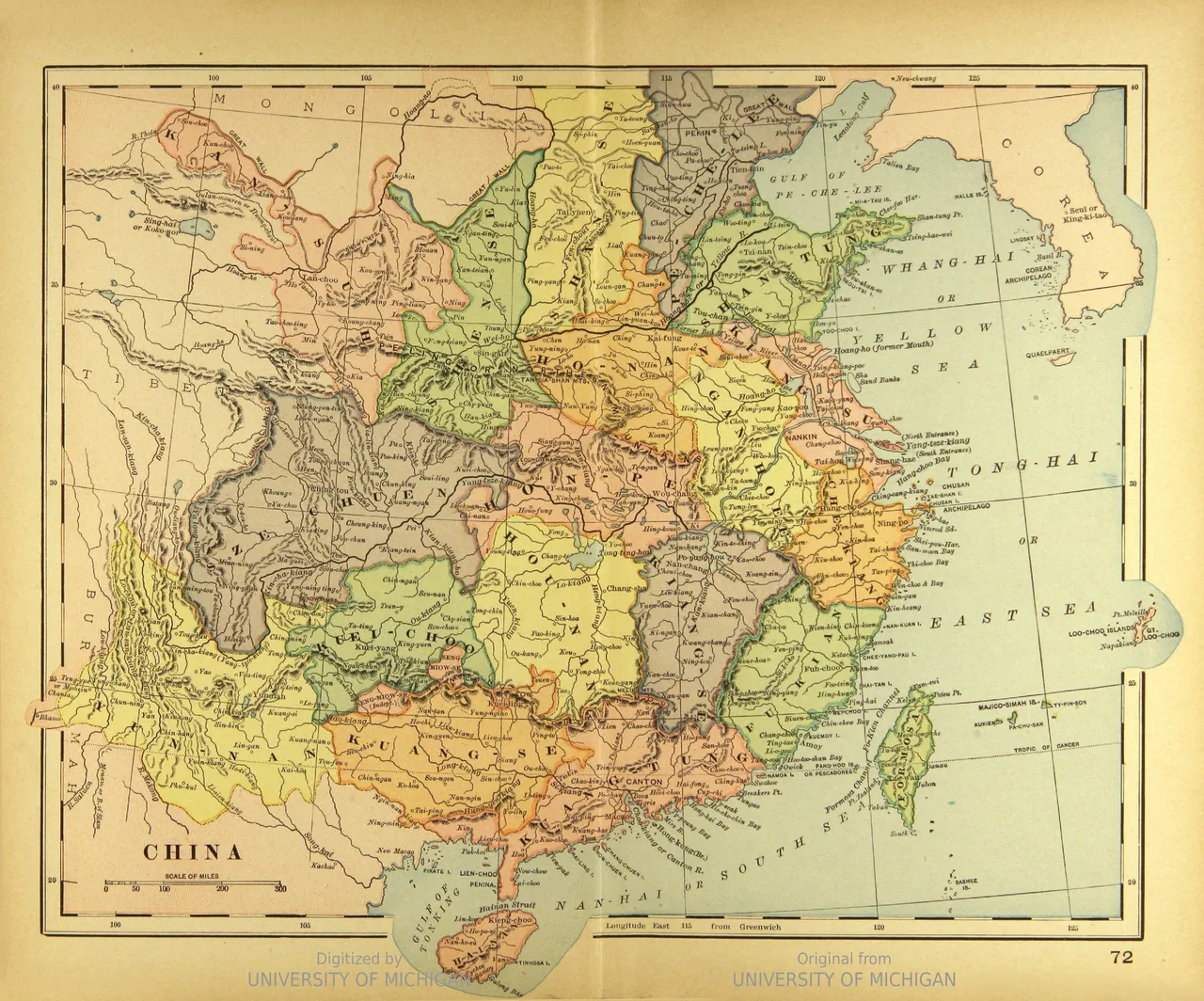
In historical sources from the era, imperial writers studied the fighting along the central rivers. Back in the White Lotus wars under the Jiaqing Emperor, Imperial Commissioner Mingliang had stopped rebel bands with scorched-earth defence, using each local official to hold key stockades. When Hong Xiuquan took Anqing and reached Nanjing, imperial garrisons ran away, and the old Yangtze defence fell apart. Only the bloodbath inside Tianjing gave the Imperial Court, Zeng Guofan, and Hu Linyi the chance to rebuild their lines.
The Tianjing Incident caused three fatal blows:
First, it wiped out the best fighting men. The veteran troops from Guangxi who joined the Jintian Uprising served as the spine of the army. They filled ranks from foot soldier to Battalion Commander and Adjutant. The mass killings ordered by Wei destroyed this battle-tested core.
Second, it broke unified field command. When Shi Dakai left Tianjing with over one hundred thousand soldiers, the rebel front fell apart. Brave young commanders like Chen Yucheng and Li Xiucheng won local victories, but each acted like an independent warlord. No one could rebuild the broad river campaign that Yang Xiuqing, the former Commander of the Army, once managed.
Third, it ruined the religious appeal of the movement. Hong ordered the death of God's voice on earth, Wei died by public execution, and holy kings fought over land and power. Common soldiers saw that their leaders were not gods, but flawed men chasing earthly rule.
The Final Collapse
In July 1864, the Hunan Army under Zeng Guoquan breached the walls, and Tianjing fell. When imperial soldiers walked through the Heavenly Palace, tall grass grew in the stone courts. The rebel state did not die when the city fell; it met its real end eight years earlier, when swords cut down the East King.
Primary Sources & Historical Bibliography
- **Draft History of Qing, Vol. 475, Biography 262 (Hong Xiuquan)**: Details the early campaigns of the Jintian Uprising, the royal titles given to Hong Xiuquan and Yang Xiuqing, the events of the Tianjing Incident, and the fall of the rebel kings.
- **Taiwan Historical Records Selected Qing Biographies, Series 2**: Compiles state letters on river transport during the Xianfeng reign, imperial debates over scorched-earth defence, and Yangtze defence policy near Anqing and Jiangning.
- *Jian Youwen, A Comprehensive Study of the Institutions and Regulations of the Taiping Heavenly Kingdom***: Documents the dual religious state, trance rituals, and central administrative posts under the Heavenly King.
- *Mao Jiaqi, General History of the Taiping Heavenly Kingdom***: Traces the military maneuvers during the 1856 Tianjing Incident and the political balancing between surviving factions before Shi Dakai left for the west.