TL;DR · Core Takeaways
- Unequal Numbers and Broken Command: Kaifeng had fifty li of outer walls, over one million residents, and rich food stores. The attacking Jurchen Jin force had under 100,000 men. Even so, the fortress fell in only a month, ending the Northern Song.
- Fear of Victorious Generals: Tong Guan fled Taiyuan. Emperor Huizong gave up the throne and ran south. Civil ministers and Emperor Qinzong of Song feared popular generals more than the enemy army. This fear broke the imperial command line at the worst moment.
- Disarming Troops During the Truce: During the six-month lull after the first siege, the court ignored the Yellow River line. Ministers worried about costs and hoped for peace, so they sent home hundreds of thousands of relief troops.
- Bureaucracy Turned Against its People: In the final crisis, court leaders trusted defense to the trickster Guo Jing and his fake magic troops. When the gate fell, officials served the invaders by taking wealth and captives from their own citizens.
Historical Context
- Chinese Timeline: Late 1125 to the second year of Jingkang (April 1127). The Alliance Conducted at Sea broke down completely. Jurchen armies invaded the south in force. The Northern Song capital Bianjing fell, bringing the Northern Song to an end.
- Western / Mediterranean Timeline: The era of John II Komnenos in Byzantium and Baldwin II in Jerusalem. It came fifty years after the Battle of Manzikert, which broke the Anatolian defense zone and remade regional politics.
01. Paper Might and Actual Rupture: The Illusion of Metropolitan Defence
In the cold winter of 1126, frost covered the Central Plains. Two Jin armies closed in on Kaifeng. By basic siege rules, the capital seemed impossible to conquer. Its outer walls measured over fifty li around. It had deep moats, many bed crossbow weapons, and large guard units. By contrast, the Jin army had fewer than 100,000 men. Its heavy Jurchen cavalry had only tens of thousands of riders. They were deep in enemy land and lived on plunder.
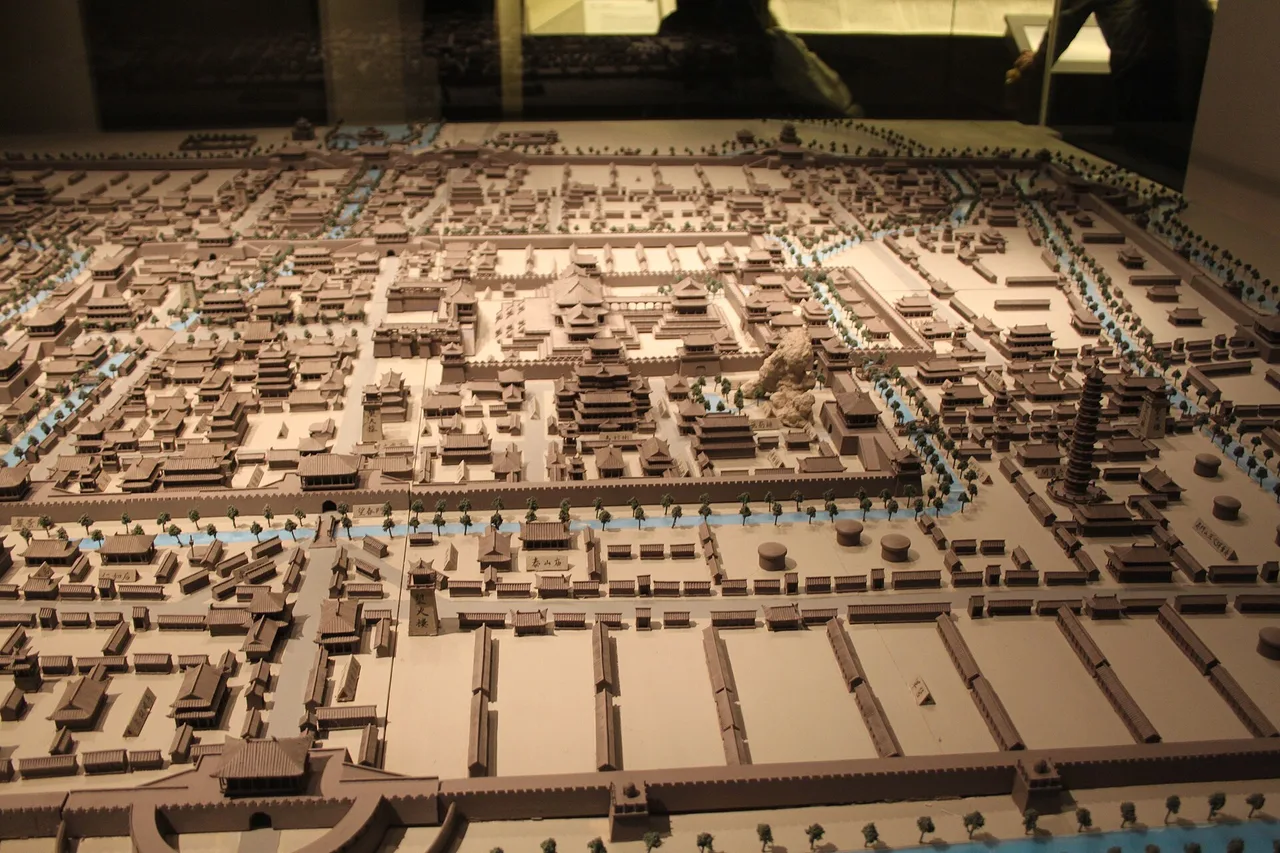
Yet the siege lasted barely a month. In early 1127, the central government fell apart. Jin troops captured Emperor Huizong, Emperor Qinzong of Song, and thousands from the Northern Song imperial household. They took top ministers north as prisoners. This disaster was the Jingkang Incident. The richest capital in the medieval world fell not to outside power, but to broken leadership inside its walls.
02. Chronology of Institutional Breakdown: From Frontline Flight to Esoteric Farce (1125–1127)
To understand the fall of Kaifeng, one must trace a series of command failures. From the first Jin attack, poor court choices pulled down each layer of defense.
November 1125 to January 1126: Desertion, Hasty Succession, and Strategic Rupture
In late 1125, the Jin army attacked on two paths. Wanyan Zonghan struck Taiyuan in the west. Wanyan Zongwang hit Yanshan Prefecture in the east. Tong Guan directed the Bureau of Military Affairs and held the rank of pacification commissioner. When he learned of the enemy advance, he fled Taiyuan without a fight. His flight south broke the regional command net. Taiyuan stood alone in a long, hard siege.
By late winter, Wanyan Zongwang crossed the Yellow River with ease. Panic struck the palace. Emperor Huizong chose Abdication in Favor of a Successor instead of leading a defense. He gave the throne to Crown Prince Zhao Huan, known as Emperor Qinzong of Song. The young prince had no real governing skill. Huizong emptied the palace treasury and took flight south to Zhenjiang. This sudden exit broke army morale and ruined public trust across the capital.
January to February 1126: Fear of Victorious Generals and the Humiliating Truce
After taking power, Emperor Qinzong of Song put Li Gang in charge of fortified defence work. Song soldiers used city walls and crossbows to stop initial attacks by Wanyan Zongwang. Over 100,000 frontier troops came to help under veteran generals Chong Shidao and Yao Pingzhong.
Chong Shidao saw the weak spot of the enemy. Wanyan Zongwang was far from home, stuck outside tall walls. Chong urged the court to stay safe inside, wait for the spring thaw to ruin enemy supply lines, and strike the Jin army as it crossed back over the Yellow River.
Civil leaders rejected this plan. Haunted by the Chenqiao Mutiny, the court feared strong generals more than foreign foes. Emperor Qinzong of Song wanted a quick victory without relying on frontier officers. The court rushed Yao Pingzhong into a night raid. The plan leaked, and the raid failed. Civil officials blamed the generals, removed Li Gang, set aside Chong Shidao, and sent peace envoys to Wanyan Zongwang. The court ceded northern lands and promised gold and silver to make the Jin leave.
March to August 1126: Unilateral Demobilization During the Diplomatic Truce
In early 1126, Wanyan Zongwang took his loot and marched north. For six months, the Northern Song had time to fix Yellow River forts and train troops in Hebei.
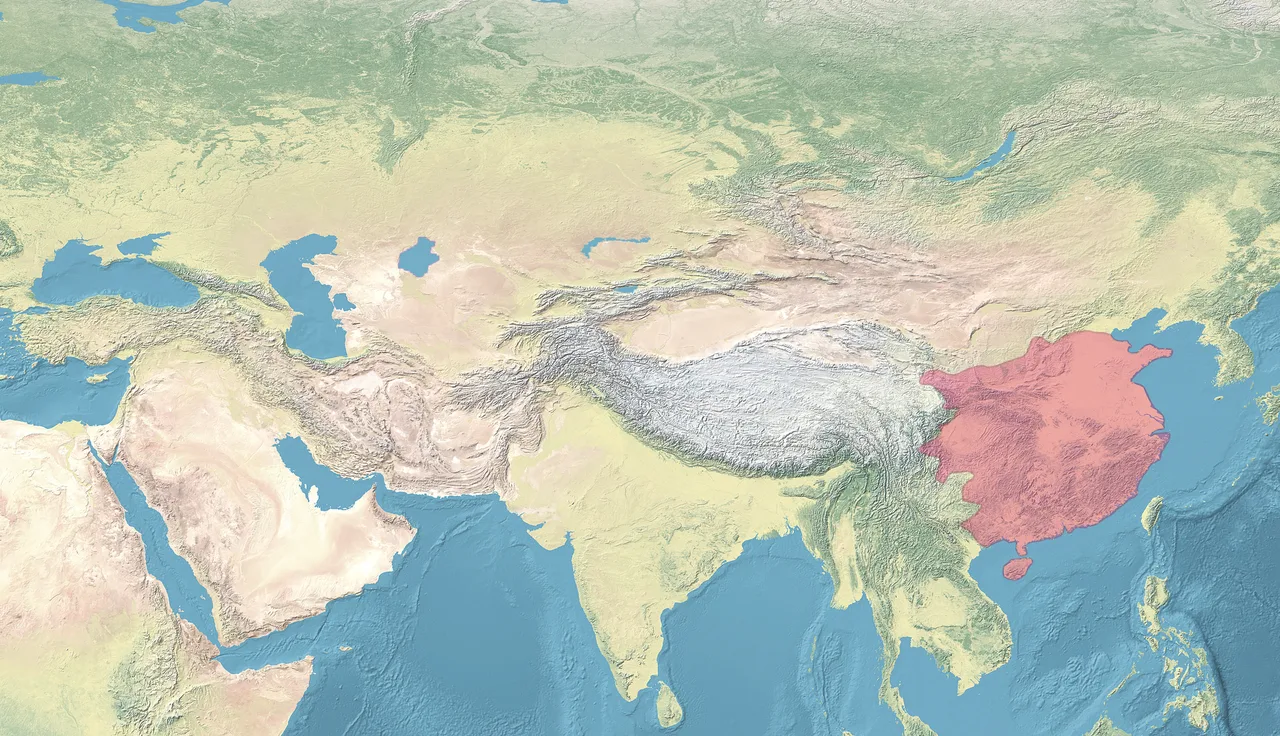
Instead, the court relied on false hopes. Leaders believed the Jin would keep the peace once tribute arrived. With low funds and a fear of troop riots near the capital, ministers sent home provincial armies. The court banned border towns from fixing walls, fearing it would upset the Jin. Guard posts on the Yellow River lost men. Chong Shidao died of illness, real defenders were pushed out, and the northern border was left bare.
December 1126: Delusion Replaces Strategy and the Divine Soldier Debacle
In late 1126, Wanyan Zonghan and Wanyan Zongwang marched south again. They faced almost no resistance through the empty border lands and reached Kaifeng with great speed.
Kaifeng still had food and men, but the government could not act. Appeasers had no money left for tributes, while hawks lacked authority to command. In this trap, ministers turned to superstition. Minister of War Sun Fu introduced a man named Guo Jing to Emperor Qinzong of Song. Guo claimed he could use 7,777 recruits born under special stars to summon magic soldiers and destroy the Jin army.
During a snowstorm in late winter, Emperor Qinzong of Song pulled real guards off the Xuanhua Gate. Guo opened the gate and sent untrained men into the snow. Jin horsemen cut them down at once. Guo fled the scene, leaving the gate open. Jin soldiers rushed the walls. Even with many troops inside, bad command stopped any counterattack. Kaifeng fell in a few hours.
03. Factional Grid and the Failure of Imperial Security Locks
The fast fall of Kaifeng came from deep flaws in how the court ran its defense.
| Political Faction | Legitimacy Imperative | Military Assets & Command | Fiscal Prerogatives | Institutional Failure |
|---|---|---|---|---|
| Imperial Court (Huizong / Qinzong) | Keep dynastic rule; prevent internal military rebellion and another Chenqiao Mutiny | Commanded the Three Commands; sent court monitors to supervise generals | Kept palace wealth away from military expenditure | Abdication in Favor of a Successor; sudden flight south; rapid policy shifts; relied on Guo Jing |
| Civil Bureaucracy (Appeasement & War Factions) | Keep civil control over military men through state rules | Ran generals through the Bureau of Military Affairs and Imperial Censorate | Managed the Ministry of Finance; cut troop numbers to pay indemnities | Put party fights over defense; sent home armies in peacetime; misread Jin goals |
| Western Armies & Frontier Generals (Chong Shidao / Yao Pingzhong) | Gain dynastic favor through border defense | Led heavy foot soldiers, horse troops, and fortress units | Relied on capital grain; faced cuts from civil overseers | Denied command freedom; forced into bad raids; dismissed after losses |
| Jurchen Command (Wanyan Zonghan / Wanyan Zongwang) | Defeat Song armies, seize farmland wealth, force submission | Led heavy cavalry and allied units | Fed troops through extortion and plunder | Exploited court fear; used peace talks to set up a two-pronged attack |
This setup caused three fatal problems:
- Wrong Priorities: The state feared its own army officers more than foreign invaders. This distrust ruined the field command.
- Blocked Truth: Censors and Remonstrance Officials spent wartime trading blame. Peacemakers were called traitors, while hawks had no battlefield skills. Talk replaced action.
- Fragile Defense System: The capital took away all local power. Once Kaifeng was cut off, the rest of the empire could not help.
04. Cross-Civilizational Mirror: Manzikert and Bureaucratic Self-Destruction
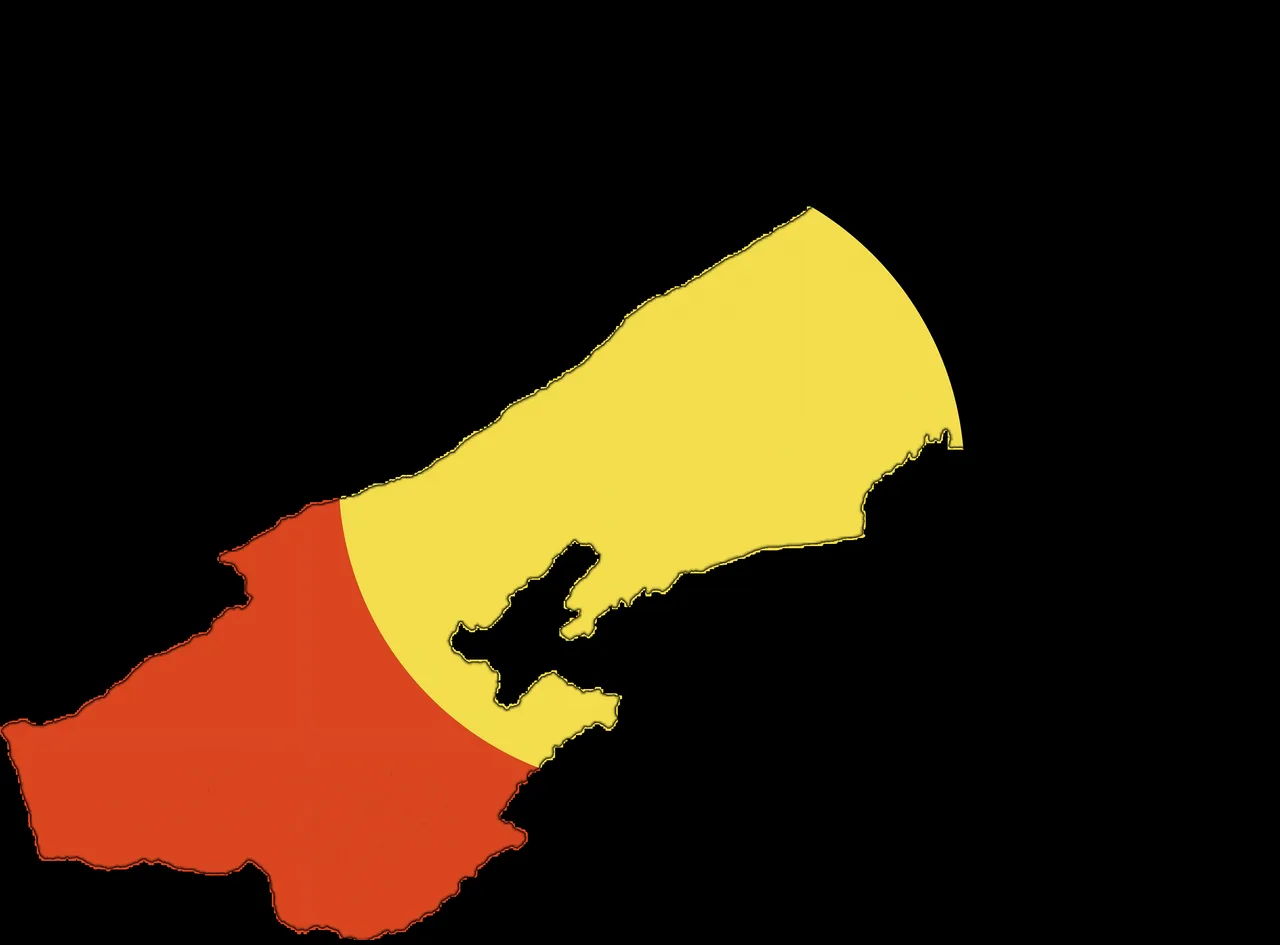
The fall of Kaifeng shows how a large, rich state can break under outside shock. This breakdown looked much like the Byzantine crisis fifty years earlier. At Manzikert in 1071, Byzantium fell to the Seljuk Turks under Alp Arslan due to similar internal flaws.
Before that battle, leaders in Constantinople mistrusted their own frontier generals. To stop military coups, they weakened native provincial units and hired foreign mercenaries. They feared domestic generals more than foreign raiders. When the enemy attacked, disloyal officers and running mercenaries caused total collapse. Manzikert opened Anatolia to invasion and left the empire broken by civil strife.
The Northern Song collapse went even deeper. After breaking the outer wall, the Jin demanded huge payments: ten million gold bars, twenty million silver bars, and ten million rolls of silk. Terrified of further war, Emperor Qinzong of Song turned his officials into tax collectors for the enemy. Officers shut the city gates and searched homes for hidden silver. When private riches ran out, the court gave up imperial consorts and daughters of the Song imperial house to settle the debt.
When a state disarms its own generals, trusts in false magic, and robs its own people to pay an invader, its defeat is not just bad luck in battle. It is the failure of an entire system of rule.
Primary Sources & Historical Bibliography
- *Tuotuo et al., History of Song** (Song Shi*): Vol. 23 ("Basic Annals 23: Huizong 3"), Vol. 24 ("Basic Annals 24: Qinzong"), Vol. 358 ("Biographies: Li Gang"), and Vol. 368 ("Biographies: Chong Shidao"). Provides the main official record of court councils, the night raid, and Guo Jing.
- *Xu Mengxin, Sanchao Beimeng Huibian** (Compilation of Collected Accounts of the Three Courts' Treaties with the North*): Vol. 26 to Vol. 80. Collects private diaries, letters, and reports from the sieges, detailing defense work and the seizure of wealth.
- *Que'an and Nai'an (eds.), annotated by Ding Bohan, Jingkang Baishi Jianzheng** (Annotated Testimonies on the Jingkang Incident*): Seven eyewitness accounts recording tribute lists, prisoner counts, and the handover of imperial women.
- Modern Historiography on the Song Military System: Focuses on civil control over generals and flaws in Song troop mobilization during external crises.
- *Thomas Asbridge, The Crusades: The Authoritative History of the War for the Holy Land*** (Ecco, 2010): Analyzes how factional infighting in Constantinople weakened native defenses before Manzikert.