Chinese Coordinates
—
Western / Mediterranean Coordinates
Western / Mediterranean Coordinates: The fall of Rome's Severan dynasty through the Crisis of the Third Century (235–284 CE), an era of mutinies and purges.
TL;DR · Core Takeaways
- Mirror tragedies of split authority: In 212 CE, Han court statesman Xun Yu took poison after opposing Cao Cao’s Nine Bestowments. Forty-eight years later, in 260 CE, the young Duke of Gaoguixiang, Cao Mao, drew his sword against General-in-Chief Sima Zhao. He died on the streets of Luoyang. Both men stood at key turning points. Both fell into the void between legal rights and raw violence.
- The collapse of a parasitic pact: Strongmen ran the capital guards and the field armies. The emperors kept only ancestral rites. When either side broke the fiction of the puppet ruler shielding the warlord, the system fell apart.
- Cross-civilizational echoes: This hollow authority matches the fall of Rome's Principate into the Third Century Crisis. It shows how purges follow when military command breaks free from all constitutional limits.
> Chinese Historical Coordinates: 196 CE to 260 CE, spanning the Eastern Han and Cao Wei dynasties through the Sima clan's post-Gaoping Tombs coup;
01. One: Paper Bastions and Central Paralysis
On paper, the imperial courts at Xuchang in 196 CE and Luoyang in the 250s CE held great power.
Old records from the Records of the Three Kingdoms (Sanguozhi) and the Book of Song (Song Shu) tell a clear story. Cao Wei ran vast Military Agricultural Colonies (Juntun) across northern China. The state ruled more than 4.5 million registered taxpayers near the Yellow River basin. Millions of bushels of grain filled the Grand Granary at Luoyang. The General-in-Chief commanded 150,000 to 200,000 soldiers. Yet this huge force could not spare one squad to guard the emperor when palace tensions exploded.
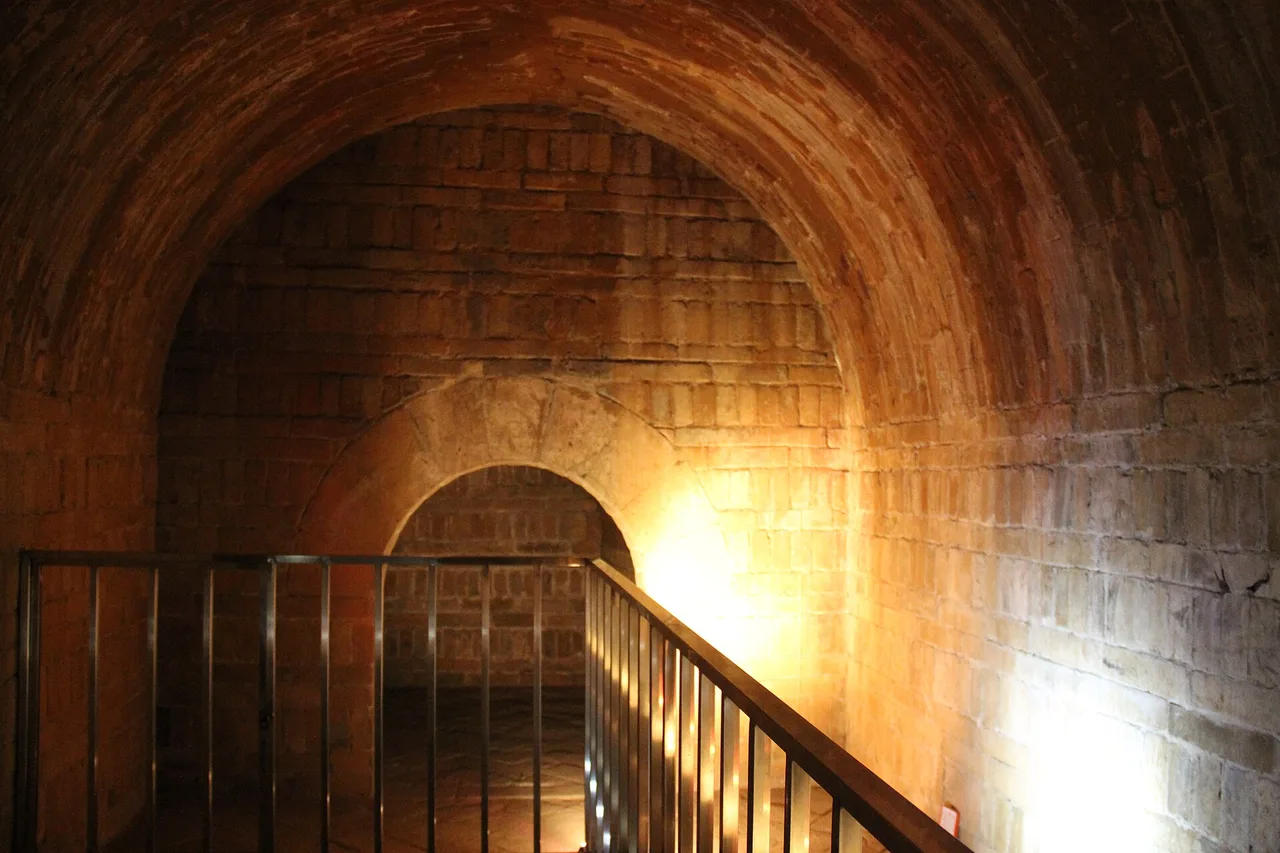
On the night of June 2, 260 CE, Army Supervisor Jia Chong moved his troops to lock key gates. He served as a trusted officer under Sima Zhao. When Cao Mao charged out of Yunlong Gate, only three hundred men followed him. These followers were Inner Court attendants, grooms, and domestic servants. Decades earlier in Xuchang, Xun Yu served as Prefect of the Masters of Writing. He ran the Imperial Secretariat and managed provincial orders. Yet when Cao Cao sought princely rank, Xun could not issue a single veto against the army.
Imperial titles carried no weight once the Inner Court lost direct command of the army.
02. Two: Chronology of Runaway Power
The breakdown did not occur overnight. It moved through clear steps. Armed forces took shelter under traditional rule, drained its strength from within, and replaced it with force.
[196 CE] Cao Cao escorts Emperor Xian to Xuchang ──> [212 CE] Cao Cao seeks Nine Bestowments; Xun Yu dies ──> [220 CE] Cao Pi forces Han abdication
                                                                                                                   │
[265 CE] Sima Yan founds the Western Jin <── [260 CE] Cao Mao slain at Luoyang's South Gate <── [249 CE] Sima Yi stages Gaoping Tombs coup
1. Phase One: The Xuchang Accord and the Duality of Rule (196–212 CE)
In autumn 196 CE, Cao Cao followed Xun Yu’s advice: "Escorting the sovereign aligns with popular hopes; acting with fairness subdues ambitious rivals." Cao brought Emperor Xian of Eastern Han to Xuchang. This move set up a twenty-year political partnership.
The old dynasty provided four centuries of authority. It kept the right to issue decrees and confirm ranks. Cao Cao served as Colonel Director of Retainers, General-in-Chief, and Grand Councilor. He used his Cao and Xiahou kin to fight rival warlords. Xun Yu served as Palace Attendant and Prefect of the Masters of Writing. He coordinated work between the palace and army staff. This structure preserved the loyalty of noble families. Scholar clans scarred by the late Eastern Han Disasters of the Partisan Prohibitions (Disasters of the Partisan Prohibitions) found safety under this joint rule.
2. Phase Two: The Principality of Wei and the Death of the Mediator (212–220 CE)
After the Battle of Red Cliffs, northern China was mostly at peace. Officers and clerks around Cao Cao grew restless under the guise of Han ministers. In the winter of 212 CE, Dong Zhao pushed to name Cao Cao "Duke of Wei." He wanted to grant him the Nine Bestowments and a personal fief of ten commanderies.
Xun Yu saw this step as the rise of a rival state within the empire. It turned a prime minister into a future emperor. He spoke out: "Lord Cao raised righteous troops to rescue the court. He must maintain integrity and practice deference. A true gentleman loves others through virtue; this course is wrong." His words angered Cao Cao. Ordered south on campaign late that year, Xun Yu stayed at Shouchun due to illness. Cao Cao sent him an empty food box. Xun knew the pact was dead. He refused medical help or Purgative Therapy, drank poison, and died. The next year, Cao Cao took the title of Duke. In 220 CE, Emperor Wen of Cao Wei, Cao Pi, forced Emperor Xian from the throne and founded Cao Wei.
3. Phase Three: The Gaoping Tombs Incident and the Sima Monopolization (249–255 CE)
Cao Pi feared rivals from inside his own family. He and close aides like Xiahou Shang barred royal princes from government and military posts. Kept under close watch within their homes, the princes lost all real influence. This policy stripped the throne of family support. It left the court open to outside ministers.
On February 5, 249 CE, Grand Tutor Sima Yi struck. Regent Cao Shuang rode with young emperor Cao Fang to the Gaoping Tombs. Sima Yi locked the capital gates behind them. Backed by an order forced from Empress Dowager Guo, he seized the armories and the Luo River bridge. Sima Yi broke his promise of mercy. He executed Cao Shuang, his aides, and their families. The post of General of the Central Guards and all central military command passed to the Sima clan. In 254 CE, Sima Shi deposed Cao Fang. He enthroned the fourteen-year-old Duke of Gaoguixiang, Cao Mao. One year later, Sima Shi crushed the revolt of Guanqiu Jian and Wen Qin in Huainan.
4. Phase Four: The Regicide at Yunlong Gate (260 CE)
Cao Mao was a sharp young ruler who tried to win back royal power. But after Zhuge Dan fell in Huainan, Sima Zhao moved to take the title of Duke of Jin along with the Nine Bestowments.
On June 2, 260 CE, Cao Mao gathered Palace Attendant Wang Shen, Regular Mounted Attendant Wang Ye, and Minister of Writing Wang Jing. He said: "Sima Zhao’s ambitions are known to every man on the street. I will not sit idle and endure deposition. Today, I shall lead you out to strike him down." Wang Shen and Wang Ye ran off at once to warn Sima Zhao. Cao Mao drew his sword and marched out with palace attendants and servants. Beneath the South Gate, Jia Chong ordered his men to attack. Drafter of the Heir Apparent Cheng Ji drove his spear into Cao Mao’s chest, killing the emperor. Forty years of staged abdication rituals ended in open murder.
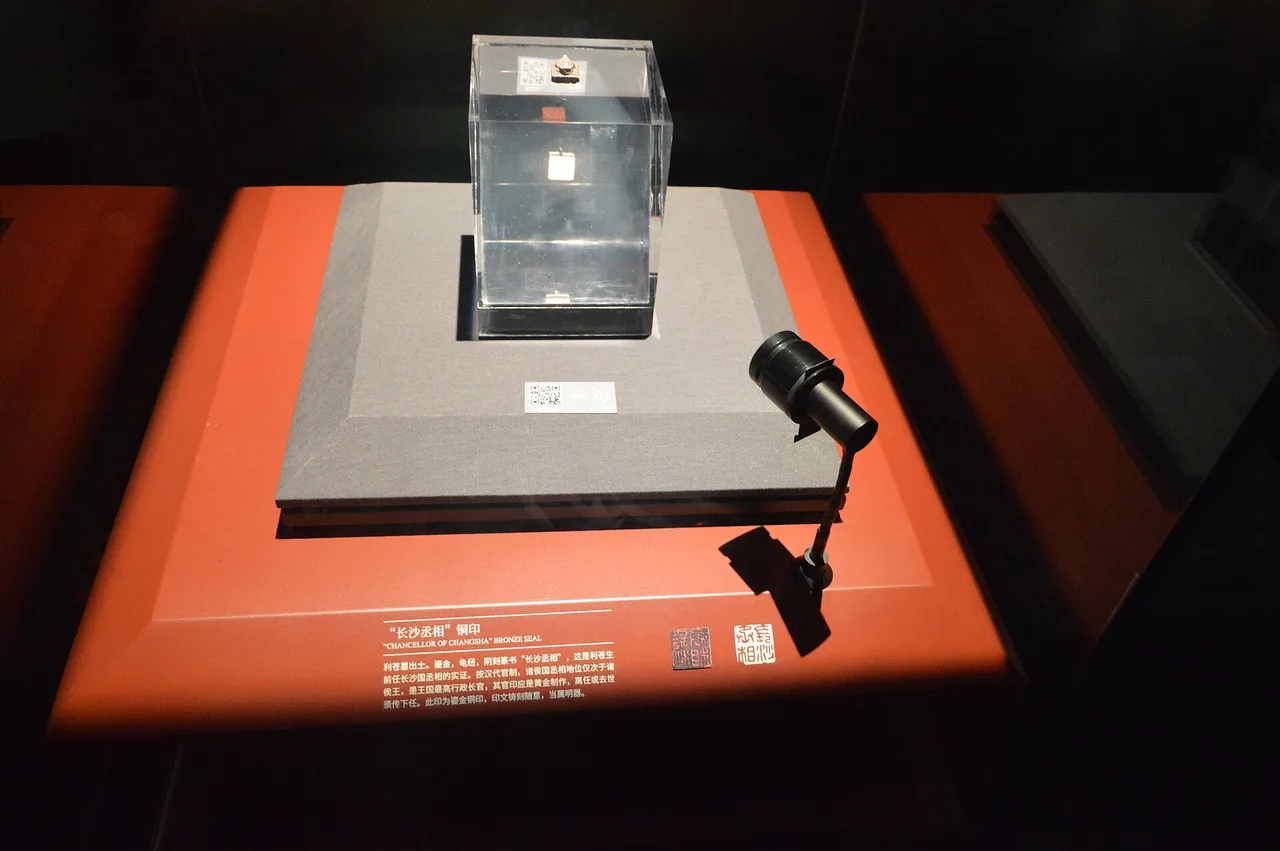
03. Three: Institutional Breakdown Matrix
During its forty-five years, Cao Wei failed to balance civil rule and military administration. The realm fell into a bitter feud between the palace, army commanders, and noble houses.
| Faction | Core Strategic Objective | Legitimacy Resources | Military Command | Fiscal Mobilization | Intelligence & Guards | Ultimate Breaking Point |
|---|---|---|---|---|---|---|
| Imperial Court<br>(Emperor Xian / Cao Mao) | Preserve dynastic continuity, assert royal will, prevent usurpation | Ancestral shrines, Mandate of Heaven, imperial rescripts | Limited to a few hundred palace guards; no field army access | Minor Court Treasury funds; no control over military grain supply | Infiltrated by external ministers; gate access monitored | Desperate palace coup; using the imperial person as a moral check |
| Sima Warlord Headquarters<br>(Sima Yi / Sima Shi / Sima Zhao) | Supplant the dynasty; harness state offices for family dominance | Empress dowager edicts; Nine Bestowments as step toward abdication | Direct command of central guards and western frontier forces | Control over Chamberlain for the National Treasury and colony grain | Extensive spy networks; Jia Chong controlling palace gates | Field army force deployed to eliminate loyalists and purge the court |
| Gentry Bureaucrats<br>(Xun Yu / Chen Qun / Wang Jing) | Protect lineage status, maintain stability, avoid family execution | Classical scholarship, Nine-Rank System ratings, imperial memorials | No independent military command; dependent on armed patrons | Private estates, agricultural land, regional clients | Informed but factionalized; aligning with prevailing power | Strategic fence-sitting; leading abdication petitions for the victor |
| Cao Wei Regional Loyalists<br>(Wang Ling / Guanqiu Jian / Zhuge Dan) | Defend the throne under the banner of loyalism; protect regional commands | Moral authority of fighting disloyalty; appeals to provincial governors | Frontier field armies (50,000–100,000 troops) in Huainan | Regional military depots; cut off from central grain lines | Distant from Luoyang; isolated by delayed intelligence | Armed rebellion, crushed in detail by central strike armies |
The pattern is stark: when weapons, grain stocks, and spies served the General-in-Chief, moral rights could not stand against armed force.
Southern Song poet Liu Kezhuang (Liu Kezhuang) noted this rot in his poems. He wrote that real power left the Han court the day Xun Yu closed his eyes.
04. Four: The Crisis of the Third Century and Desanctified Sovereignty
The fall of Cao Wei fit a wider world pattern.
While Cao Mao fell at the gates of Luoyang, the Roman Empire shook during the Crisis of the Third Century (235–284 CE). In 235 CE, the young emperor Severus Alexander tried to buy peace on the Rhine to cut military expenditure. His soldiers rebelled and killed him in his camp. Over the next fifty years, mutinous legions stripped the Roman Senate (Senatus) of its power. Soldiers raised more than two dozen barracks emperors with their swords. They soon killed each one when a new rival rose.
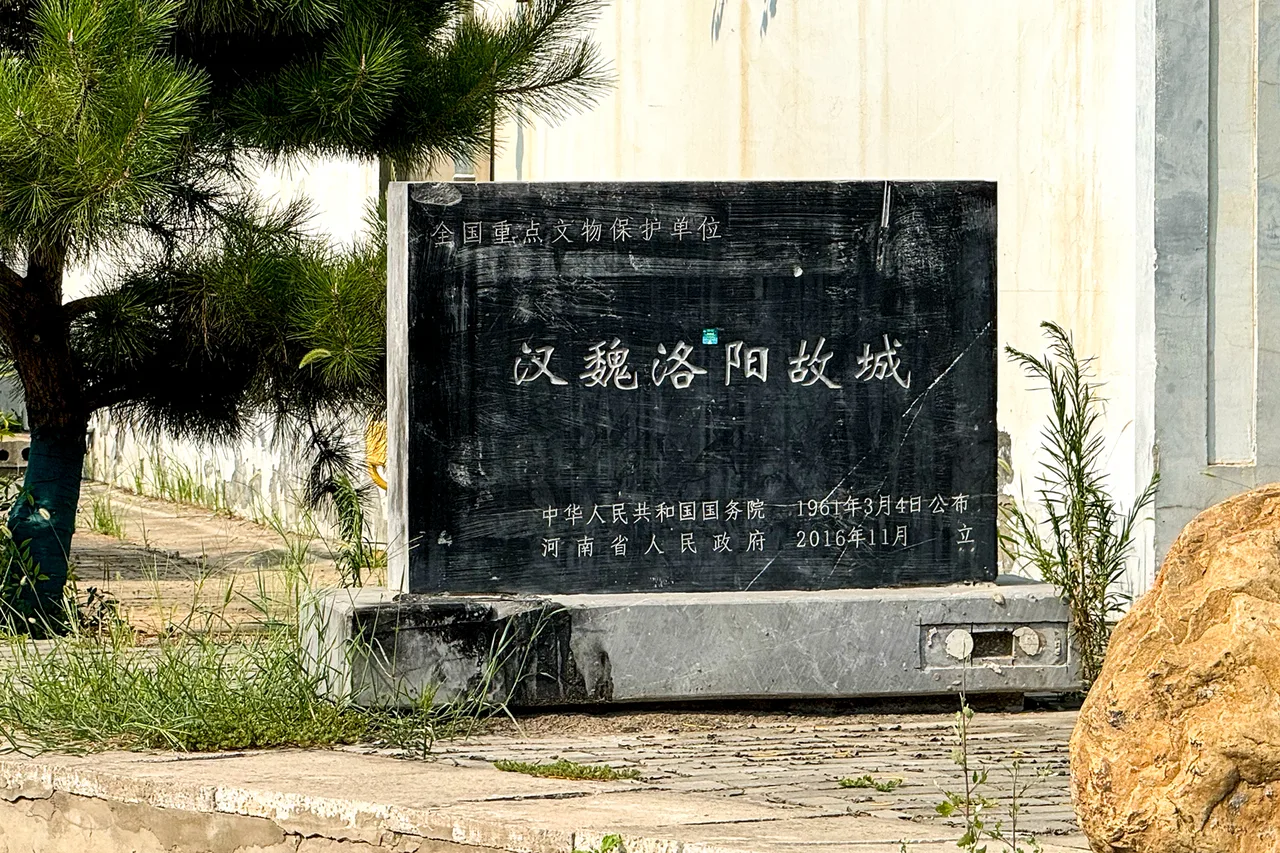
Both the Roman Principate and the Chinese Nine Bestowments relied on a shared fiction:
- The strongman showed nominal respect to the ancient order (the Senate or the Son of Heaven) to gain legitimacy and civil staff;
- The sovereign let the warlord hold real military command and collect local taxes.
This balance worked only if both sides agreed: the warlord needed the crown for cover, and the sovereign stayed a figurehead.
Once a military house built its own broad patron network, this deal lost its value. When Cao Mao or Xun Yu pushed for old rights, the pact broke. Without fair courts or a neutral army, raw violence ruled.
The spear that killed the Duke of Gaoguixiang did more than end the Cao Wei line. It tore apart the myth of peaceful abdication. Five years later, Sima Yan sat in the Taiji Hall as the first Jin emperor. He accepted the surrender of Emperor Yuan of Cao Wei, Cao Huan. The Sima clan had cast aside moral bounds to take the throne. Within forty years, those same bloody methods destroyed them in the War of the Eight Princes and the collapse of the north.
Primary Sources & Historical Bibliography
- Chen Shou, annotated by Pei Songzhi, Records of the Three Kingdoms (Sanguozhi), Vol. 10, "Book of Wei: Biography of Xun Yu" (citing the Weishi Chunqiu on Xun Yu's protests and death at Shouchun); Vol. 4, "Book of Wei: Annals of the Three Young Emperors" (providing daily records of Cao Mao's assault on Sima Zhao's residence in 260 CE).
- Sima Guang, Comprehensive Mirror to Aid in Government (Zizhi Tongjian), Vol. 77, "Wei Chronicle 9" (detailing Sima Zhao’s Nine Bestowments, Cao Mao's conference with Wang Shen and others, and the regicide committed by Cheng Ji under Jia Chong’s orders).
- Tian Yuqing, Inquiries into the History of Qin, Han, Wei, and Jin (Qin Han Wei Jin Shi Tanwei, Revised Edition), Zhonghua Book Company (analyzing the institutional struggles between central gentry lineages and the Qiao-Pei military elite).
- Peter Salway, The Oxford Illustrated History of Roman Britain, and David S. Potter, The Roman Empire at Bay, AD 180–395, London: Routledge (offering comparative frameworks for barracks regicide and administrative collapse during Rome's Third Century Crisis).