Born in Beijing | Daughter of Wang Wei, descended from a Yuyao lineage
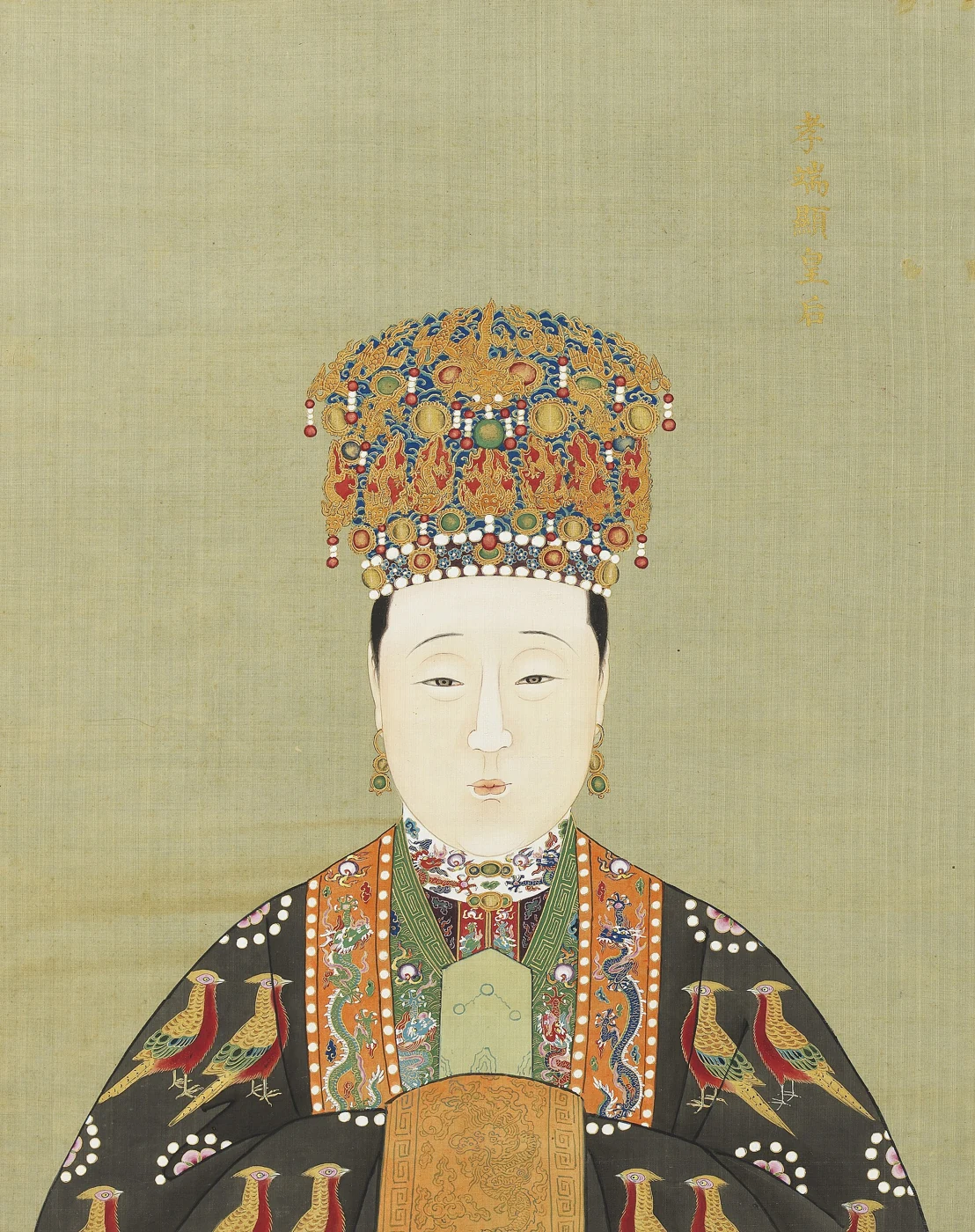
?–1620 CE
Empress
Wang Xijie
王喜姐
Empress Wang (1564–1620), personal name Wang Xijie, posthumously honored as Empress Xiaoduanxian, was the primary empress consort of Emperor Shenzong (Wanli Emperor) of the Ming dynasty. Selected from an imperial search in the capital and Northern Zhili and other nearby areas in 1577, she was formally proclaimed Empress in 1578 at the age of fourteen. Renowned for her gentle magnanimity, self-restraint, and devotion to filial…
?–1620 CEMing Dynasty
PROFILE
Empress Wang (1564–1620), personal name Wang Xijie, posthumously honored as Empress Xiaoduanxian, was the primary empress consort of Emperor Shenzong (Wanli Emperor) of the Ming dynasty. Selected from an imperial search in the capital and Northern Zhili and other nearby areas in 1577, she was formally proclaimed Empress in 1578 at the age of fourteen. Renowned for her gentle magnanimity, self-restraint, and devotion to filial piety, she served Grand Empress Dowager Li with unwavering filial obedience. Holding the position of empress for forty-two years (1578–1620), she remains the longest-reigning primary empress consort in Chinese history. During the protracted Guoben Controversy and the intense palace favoritism toward Noble Consort Zheng, Empress Wang maintained impartial composure and actively shielded the eldest imperial son Zhu Changluo (later Emperor Guangzong), securing dynastic succession. She passed away in May 1620 and was buried alongside the Wanli Emperor in the Dingling Mausoleum.
- Alternative names
- Empress Wang (Wanli); Empress Wang (Wanli Emperor)
- Period
- Ming
- Date of Birth
- Not recorded in historical sources
- Date of Death
- Not recorded in historical sources
- Dynasty / polity
- Ming
- Identity
- Empress
- Ethnicity / ethnic affiliation
- Not reliably established in available sources
- Native place
- Not reliably established in historical sources
- Place of birth
- Shuntian Prefecture, the capital
- Tenure as empress
- Not reliably established in historical sources
- Posthumous title
- Xiaoduan
- Main achievements
- Principal empress of the Wanli Emperor; respectful, frugal, and tolerant of worthy people; despite having no son, remained securely in the position of empress for more than sixty years
- Courtesy / Art Name
- Courtesy name Xijie
- Era
- Ming dynasty
- Dynasty
- Ming Dynasty
- Ethnicity
- Han
- Ancestral Home
- Yuyao, Zhejiang Province; Shuntian Prefecture (Beijing)
- Place of Birth
- Of Yuyao, Zhejiang by origin, a native of Shuntian prefecture (Beijing)
- Place of Death
- Place of death unknown
- Lifespan
- 1564–1620
- Highest Office
- See Biography below
- Major Offices
- See Biography below
- Peerage
- Her father Wang Wei was Count of Yongnian
- Posthumous Name
- Empress Xiaoduan Xian
- Major Achievements
- Longest-reigning primary empress consort in Chinese history, protected Crown Prince Zhu Changluo during Guoben crisis, exemplified supreme filial piety toward imperial dowagers
LIFE TIMELINE
Selected as Empress Candidate | Emerged as the foremost choice in imperial court selections
Grand imperial wedding and enthronement | Proclaimed Empress of the Ming Empire; her father made Count of Yongnian
Gave birth to Princess Rongchang | Governed inner palace with tranquility and harmony
Rise of Noble Consort Zheng | Exercised patience and dignified moderation despite palace rivalries
The Guoben (Succession) Controversy | Protected Prince Zhu Changluo from court intrigue and factional hazards
Zhu Changluo designated Crown Prince | Dynastic foundation solidified through Empress Wang's steady guardianship
Empress Dowager Cisheng passed away | Empress Wang observed strict filial mourning, leading the inner court
Passed away in Kunning Palace | Died at fifty-seven after forty-two years on the throne; entombed in Dingling
Aged thirty-four | She raised the princes Zhu Changrun and Zhu Changying, sons of Consort Li Jing.
Aged thirty-seven | Wang Dewan memorialised that the empress was being neglected, and Emperor Shenzong issued an edict in explanation.
Enthronement of the heir apparent | With the question of the succession settled, Empress Wang devoted herself to protecting the heir apparent.
Aged forty-one | Emperor Shenzong ordered the Ministry of Revenue to procure pearls and gems to replace the empress’s seals, insignia and ceremonial robes.
Aged forty-nine | She moved with Emperor Shenzong to the western warm chamber of the Palace of Heavenly Purity.
Death of Empress Dowager Cisheng | Empress Wang mourned in grief, and the inner palace depended on her alone for its order.
Passing and Entombment in Dingling In the fourth month of 1620 | ### Passing and Entombment in Dingling In the fourth month of 1620, worn down by illness and age, Empress Wang died in the Kunning Palace at the age of fifty-seven.
BIOGRAPHY
Biography
Early Life and Imperial Selection
Empress Wang was born in Beijing into an ancestral military family originating from Yuyao, Zhejiang Province. Her father, Wang Wei, held the minor military rank of Company Commander in the Embroidered Uniform Guard. From childhood, she was celebrated for her serene disposition, refined elegance, and instinctive grasp of domestic decorum. In January 1577, when the Wanli Emperor reached adolescence, the court initiated a selection in the capital and Northern Zhili and other nearby areas to identify a primary empress consort. Over several months of strict screening by court matrons and imperial physicians, the thirteen-year-old Lady Wang stood out among more than 450 candidates for her peerless dignity, modesty, and classical bearing. ### Grand Marriage and Four Decades of Consort Rule In the second month of 1578, the fourteen-year-old Lady Wang married the Wanli Emperor in a majestic imperial ceremony in the Forbidden City, officially entering the Kunning Palace as Empress. Her father Wang Wei was immediately ennobled as the Count of Yongnian. Empress Wang presided over the inner imperial court for forty-two continuous years, establishing the historical record as the longest-serving primary empress in Imperial China. Her tenure coincided with the political turbulence of the mid-to-late Wanli era, marked by imperial withdrawal from official morning audiences and deepening factional strife. Through all these challenges, Empress Wang remained a stabilizing moral anchor within the Forbidden City, managing palace personnel with impartiality and gentle restraint. ### Filial Devotion and Harmonious Demeanor Empress Wang won the profound admiration and affection of the Emperor's biological mother, Empress Dowager Cisheng (Lady Li). She paid morning and evening homages daily without fail, attending to the Dowager's needs with meticulous care. Whenever disagreements flared between the Emperor and the Dowager, Empress Wang acted as an indispensable mediator, smoothing tensions with gentle reason and filial devotion. Her harmonious relationship with the dowagers preserved peace within the inner quarters for decades. ### Navigating Palace Intrigue and Protecting the Crown Prince The central crisis of the Wanli reign was the Guoben Controversy—a protracted, twenty-year constitutional struggle over imperial succession. The Wanli Emperor passionately favored Noble Consort Zheng and repeatedly attempted to bypass his eldest son Zhu Changluo (born of the humble palace maid Lady Wang) in favor of Zheng's son Zhu Changxun. While court ministers waged ferocious bureaucratic battles against the emperor's indecision, Empress Wang—who had borne only a daughter, Princess Rongchang, and had no male heir of her own—resolutely sided with Confucian legitimacy. Recognizing the vulnerable position of Zhu Changluo, Empress Wang treated him as her own son, constantly shielding him from treacherous conspiracies, providing for his domestic safety, and urging the emperor to honor ancestral law. Her vigilant protection was instrumental in allowing Zhu Changluo to survive the turbulent factional storms and eventually ascend the throne as Emperor Guangzong. ### Passing and Entombment in Dingling In the fourth month of 1620, worn down by illness and age, Empress Wang died in the Kunning Palace at the age of fifty-seven. The Wanli Emperor, who was himself gravely ill and had long ceased attending government affairs, was overcome with profound sorrow, mourning her passing deeply. A few months later, the Wanli Emperor also passed away. In the tenth month of 1620, Empress Wang was solemnly interred alongside Emperor Wanli in the Dingling Mausoleum at the Ming Tombs outside Beijing, posthumously bestowed the canonical name Empress Xiaoduanxian.
Major Activities
Historic Forty-Two Year Reign
Presiding over the Kunning Palace from 1578 to 1620, Empress Wang served as primary empress for forty-two years, the longest tenure of any legitimate empress consort in Chinese history, exemplifying unyielding stability. ### Shielding Crown Prince Zhu Changluo During the bitter twenty-year Guoben succession struggle, Empress Wang stood as the primary protector of the imperial heir Zhu Changluo, safeguarding his survival against internal palace conspiracies. ### Exigent Filial Piety toward Dowager Li Empress Wang served Empress Dowager Cisheng with legendary devotion for over thirty-five years, winning the unreserved trust of the imperial matriarch and mediating delicate family crises. ### Restraining Consort Family Ambition Throughout her long reign, Empress Wang strictly forbade her maternal relatives from abusing imperial favor or meddling in government affairs, preserving her family from the catastrophic downfalls that often befell consort clans.
Personal Relations
- Husband: Emperor Shenzong of Ming (Wanli Emperor)
- Father: Wang Wei (Count of Yongnian, posthumously created Marquis of Yongnian)
- Mother: Lady Zhao (Countess of Yongnian)
- Mother-in-Law: Empress Dowager Cisheng (Lady Li)
- Adoptive Son / Successor: Emperor Guangzong of Ming (Zhu Changluo, Taichang Emperor)
- Biological Daughter: Princess Rongchang (Zhu Xuanying)
- Palace Rival: Imperial Noble Consort Zheng (mother of Zhu Changxun, Prince of Fu)
Historical Assessment
- Emperor Shenzong (Wanli): 'The Empress served the Sacred Mother Empress Dowager Cisheng with purest filial piety, governing the inner palace with gentleness and grace. For over forty years on the throne, she committed not a single moral fault.'
- History of Ming (Ming Shi): 'Empress Xiaoduanxian Wang was dignified and reverent, treating Empress Dowager Cisheng with utmost filial piety. Even when Noble Consort Zheng monopolized royal favor, the Empress remained composed and never displayed jealousy... She was renowned throughout the empire for benevolence.'
- Ming Guangzong (Emperor Taichang): 'The sacred maternal empress protected my life with boundless grace; her virtue was as vast as heaven, beyond any mortal compensation.'
FIGURES ASSOCIATED WITH THIS DYNASTY
Bibliography
- History of Ming, Volume 114, Biographies of Empresses and Consorts, Biography of Empress Xiaoduanxian Wang
- Ming Shenzong Shilu (Veritable Records of Emperor Shenzong)
- Ming Guangzong Shilu (Veritable Records of Emperor Guangzong)