Division of Northern Wei
Yuwen Tai poisoned Emperor Xiaowu in Chang'an and enthroned Yuan Baoju as Emperor Wen of Western Wei, formalizing the confrontation with Eastern Wei.
557 CE–581 CE
北周
The Northern Zhou dynasty (北周; 557–581 CE), officially designated as Zhou (周), was a northern partition dynasty during the Northern and Southern Dynasties period in Chinese history, historically termed "Northern Zhou" or "Yuwen Zhou" to distinguish it from the ancient Western and Eastern Zhou dynasties and the Later Zhou of the Five Dynasties era. The foundation of the dynasty was laid by the paramount Western Wei warlord Yuwen Tai, and the state was formally established in 557 CE when…
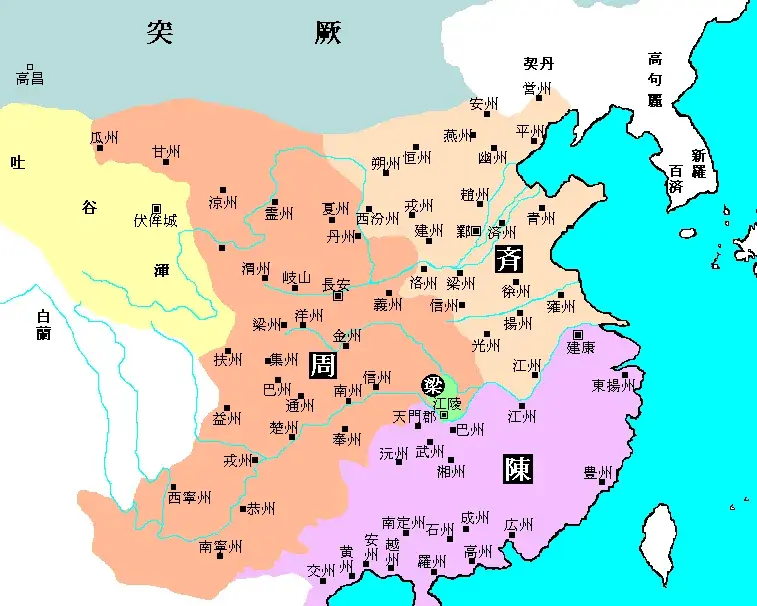
The Northern Zhou dynasty (北周; 557–581 CE), officially designated as Zhou (周), was a northern partition dynasty during the Northern and Southern Dynasties period in Chinese history, historically termed "Northern Zhou" or "Yuwen Zhou" to distinguish it from the ancient Western and Eastern Zhou dynasties and the Later Zhou of the Five Dynasties era. The foundation of the dynasty was laid by the paramount Western Wei warlord Yuwen Tai, and the state was formally established in 557 CE when his son Yuwen Jue accepted the abdication of Emperor Gong of Western Wei under the orchestration of his cousin Yuwen Hu, establishing the imperial capital at Chang'an and reigning over five emperors across twenty-four years. Inheriting the impoverished and geographically constrained territories of Western Wei in Guanlong, Northern Zhou undertook profound institutional transformations to withstand intense military pressure from Eastern Wei and Northern Qi. Yuwen Tai elevated the prominent Confucian scholar Su Chuo, emulated the pre-Qin classic Rites of Zhou to institute the Six Offices bureaucratic apparatus, and promulgated the Six Edicts alongside equal-field household accounting methods. To overcome critical military shortages, he created the Fubing garrison system commanded by the Eight Pillars of State, incorporating Han local gentry, regional magnates, and freeholders into the army, thereby dissolving ethnic barriers and forging the formidable Guanlong aristocratic coalition. After eliminating the overbearing regent Yuwen Hu in 572 CE, Emperor Wu (Yuwen Yong) assumed direct rule, vigorously enacted state-strengthening measures, and proscribed Buddhism and Daoism to replenish the empire's treasury and manpower. In 577 CE, Emperor Wu launched a massive eastward offensive that obliterated Northern Qi, concluding nearly half a century of partition and unifying all of northern China. Following the premature death of Emperor Xuan in 580 CE, Senior Grand Chancellor (Grand Minister of State) Yang Jian consolidated imperial authority, crushed regional revolts by the Three Area Commanders, and purged the imperial Yuwen princes. In February 581 CE, Yang Jian accepted the abdication of Emperor Jing to found the Sui dynasty, bringing Northern Zhou to an end. The administrative framework, military garrison system, and multi-ethnic synthesis forged under Northern Zhou provided the foundational blueprint and material strength that enabled the grand reunification of the Sui and Tang empires.
Yuwen Tai poisoned Emperor Xiaowu in Chang'an and enthroned Yuan Baoju as Emperor Wen of Western Wei, formalizing the confrontation with Eastern Wei.
Gao Huan led two hundred thousand Eastern Wei troops toward Tongguan; Yuwen Tai routed them at Shayuan with less than ten thousand soldiers, capturing eighty thousand prisoners.
Yuwen Tai enacted Yuwen Tai's Six-Article Edict drafted by scholar Su Chuo, establishing ethical, economic, and judicial guidelines for local administrative governance.
Yuwen Tai expanded conscription to include self-cultivating equal-field households under the Eight Pillars of State, establishing a permanent system integrating soldiering and farming.
Yu Jin and Yang Zhong captured Jiangling and executed Emperor Yuan of Liang, annexing Sichuan and the middle Yangtze while establishing the puppet Western Liang state.
Coerced by Yuwen Hu, Emperor Gong of Western Wei abdicated; Yuwen Jue ascended the throne as Heavenly King in Chang'an, founding the Northern Zhou dynasty.
Emperor Xiaomin's plot to purge regent Yuwen Hu was exposed; Yuwen Hu executed Zhao Gui, forced Dugu Xin to commit suicide, and poisoned the young emperor.
Fearing Emperor Ming's growing authority and administrative competence, Yuwen Hu arranged for palace cook Li An to poison him, enthroning Yuwen Yong.
Emperor Wu struck down Yuwen Hu with a jade scepter in the Hanren Hall while Prince Yuwen Zhi executed him, ending sixteen years of autocratic regency.
Emperor Wu banned Buddhism and Daoism throughout Northern Zhou, dismantling temples and returning clergy to secular registers to strengthen state revenue and military manpower.
Emperor Wu mobilized one hundred and forty-five thousand troops against Pingyang; Liang Shiyan held the citadel, and Emperor Wu's relief army shattered the Northern Qi host.
Northern Zhou forces captured the Northern Qi capital of Yecheng and took Gao Wei captive, annexing the eastern realm and unifying northern China.
Leading five armies on a northern campaign against the Göktürks, Emperor Wu fell ill and died outside Chang'an at age thirty-six, succeeded by Crown Prince Yuwen Yun.
Emperor Xuan died abruptly; regent Yang Jian assumed control of the court and crushed the armed rebellions of the Three Area Commanders.
Coerced by Yang Jian, Emperor Jing abdicated the throne; Yang Jian established the Sui dynasty, ending Northern Zhou after twenty-four years.
In the twilight years of the Northern Wei dynasty, the Six Garrisons Rebellion erupted along the northern border, shattering imperial governance in Luoyang. Amidst the chaos, Northern Wei commander Heba Yue led a weary vanguard of two thousand soldiers westward into the Guanzhong region, quelling regional warlords and pacifying the three Qin commanderies. Stationed in Guanlong, Heba Yue commanded substantial military power, entering into a tense standoff with Gao Huan in Hebei. In 534 CE, Heba Yue was lured into an ambush and assassinated by Houmochen Yue, an ally covertly aligned with Gao Huan. Heba Yue's loyal subordinates buried their fallen general and unanimously elected his chief strategist, Regional Inspector of Xiazhou Yuwen Tai, to assume supreme command. Yuwen Tai swiftly struck down Houmochen Yue, rallied the Guanlong regiments and veteran commanders from the Six Garrisons, and became the undisputed master of the Guanlong domain. In July of that same year, Emperor Xiaowu of Northern Wei fled Luoyang to escape Gao Huan's dominance, seeking refuge with Yuwen Tai in Chang'an. Irreconcilable clashes over supreme authority soon emerged between the sovereign and the warlord. In January 535 CE, Yuwen Tai poisoned Emperor Xiaowu and enthroned Yuan Baoju as Emperor Wen of Western Wei, establishing the imperial capital at Chang'an. Concurrently, Gao Huan established Eastern Wei in Yecheng with Yuan Shanjian as Emperor Xiaojing, formalizing the permanent division of Northern Wei into rival eastern and western states. During its infancy, Western Wei commanded meager territory and an impoverished populace of fewer than ten million people, fielding merely thirty thousand active troops against Eastern Wei's twenty million subjects and two hundred thousand veteran soldiers. Confronting perilous existential odds, Yuwen Tai demonstrated remarkable operational poise. In 537 CE, he ambushed and killed Eastern Wei vanguard general Dou Tai at the Battle of Xiaoguan. In September of that year, he led less than ten thousand elite troops at the Battle of Shayuan, drawing Gao Huan's invading host of two hundred thousand into marshlands and routing them, capturing more than eighty thousand enemy soldiers and securing Western Wei's survival. Subsequent clashes at Heqiao, Mount Mang, and Yubi further solidified Western Wei's hold over the vital passes of Tongguan. With his eastern frontier stabilized, Yuwen Tai capitalized on the Hou Jing Rebellion in the Southern Liang dynasty to expand southward. In 552 CE, Emperor Yuan of Liang in Jiangling requested Western Wei assistance to eliminate his rival brother Xiao Ji in Chengdu; Yuwen Tai dispatched Daxi Wu to seize Chengdu, annexing all of the fertile Sichuan Basin. In 554 CE, provoked by Emperor Yuan's arrogant demands for territorial restitution, Yuwen Tai dispatched Yu Jin, Yuwen Hu, and Yang Zhong with fifty thousand troops to invest Jiangling. Western Wei forces breached the capital, executed Emperor Yuan, installed Xiao Cha over the puppet Western Liang regime, and relocated tens of thousands of captive Liang aristocrats and scholars to Chang'an. By securing Liang, Yi, Jing, and Yong provinces along the middle and upper Yangtze, Yuwen Tai provided his house with immense geopolitical depth and material resources.
In October 556 CE, Grand Chancellor Yuwen Tai fell critically ill during a northern inspection tour and passed away at Qiaoshan at the age of fifty. On his deathbed, recognizing that his sons were still young, Yuwen Tai entrusted the regency to his elder nephew, Duke of Zhongshan Yuwen Hu. Backed steadfastly by veteran pillar general Yu Jin, Yuwen Hu assumed command of the state apparatus, receiving appointment as Grand Commandant and Duke of Jin. Yuwen Hu recognized that while Yuwen Tai's prestige was deeply revered throughout the realm, delaying dynastic succession until the young princes matured risked internal factionalism. In January 557 CE, Yuwen Hu coerced Emperor Gong of Western Wei into abdicating the throne. Yuwen Tai's eldest legitimate son, Yuwen Jue, ascended the throne as the Heavenly King, adopting the dynastic title of Great Zhou, establishing his court at Chang'an, and initiating the first year of his reign, known to history as Northern Zhou. Shortly after the founding, Yuwen Hu ordered the covert poisoning of the deposed Emperor Gong to eliminate any rallying symbol for a Yuan restoration. Yuwen Jue's accession formally transformed the Guanlong military regime from a regional satrapy into an independent imperial dynasty. Yuwen Hu was appointed Grand Preceptor to preside over all civil and military affairs, concentrating supreme authority entirely within his hands.
From its inception, Northern Zhou was convulsed by acute struggle between sovereign authority and regency despotism. Though only sixteen years old, the founding monarch Emperor Xiaomin possessed a resolute and unyielding temperament, deeply resenting his cousin's overbearing autocracy. Western Wei founding veterans such as Grand Protector Zhao Gui and Grand Minister of Horses Dugu Xin similarly bridled at Yuwen Hu's arrogance, encouraging the young monarch to purge the regent. Emperor Xiaomin gathered athletic palace attendants in the imperial gardens under the pretext of wrestling, secretly planning to slay Yuwen Hu during a palace banquet. However, Minister of Accounts Yuwen Sheng leaked the plot to the regent. Moving preemptively, Yuwen Hu deployed his private guard to arrest and execute Zhao Gui, exterminating his lineage, forced Dugu Xin to commit suicide in his residence, and deposed Emperor Xiaomin as Duke of Lveyang, executing him by poison a few months later. Following the purge, Yuwen Hu installed Yuwen Tai's eldest son, Duke of Ningdu Yuwen Yu, as Emperor Ming. Believing the scholarly and gentle prince would prove compliant, Yuwen Hu soon found himself mistaken; Emperor Ming demonstrated sharp governance acumen, laboring diligently and earning widespread respect among the court and populace. In 559 CE, Yuwen Hu offered to return civil administrative power to the throne as a political test. Emperor Ming promptly assumed civil administration and officially changed the archaic title Heavenly King to the orthodox title Emperor, elevating imperial stature. Alarmed by the emperor's growing authority, Yuwen Hu ordered imperial cook Li An to lace the emperor's confections with poison in April 560 CE. On his deathbed, Emperor Ming issued an imperial decree designating his fourth brother, Duke of Lu Yuwen Yong, as his successor. Yuwen Yong ascended the throne as Emperor Wu. Having murdered two emperors in succession, Yuwen Hu retained absolute control over the military and government. The regent's sons and subordinates abused their power through corrupt exactions, while multiple military campaigns against Northern Qi ended in disastrous defeats, provoking universal dissatisfaction across the empire.
Emperor Wu understood that Yuwen Hu's network of informants and loyal commanders permeated the court and palace guards, realizing that premature resistance would bring fatal consequences. For twelve years, Emperor Wu practiced consummate dissimulation, demonstrating outward deference and unquestioning obedience to Yuwen Hu. He submitted all imperial petitions to the regent's mansion for prior approval and treated Yuwen Hu with the private etiquette of a junior relative, completely disarming the dictator's suspicions. Concurrently, Emperor Wu plotted in secrecy with his younger brother Yuwen Zhi, Prince of Wei, and trusted inner ministers Wang Gui and Yuwen Shenju. On March 14, 572 CE, Yuwen Hu returned to Chang'an from an inspection of Tongzhou. Emperor Wu hosted an intimate reception in the Hanren Hall, inviting the regent to greet Empress Dowager Chinu. The emperor fabricated a filial concern, remarking that the empress dowager was excessively fond of wine and would heed only the elder regent's counsel, asking him to read the ancient Announcement on Wine from the Book of Documents to admonish her. Suspecting nothing, Yuwen Hu knelt and unrolled the scroll to read. As he bowed his head, Emperor Wu stepped silently behind him and struck his neck with an imperial jade scepter, knocking him to the floor. Waiting behind a screen, Prince Yuwen Zhi rushed forward with a drawn blade, decapitating the regent on the hall floor. The emperor immediately sealed the palace gates and dispatched imperial troops to arrest and execute Yuwen Hu's sons and confidants, eradicating the faction that had dominated the court for sixteen years. Assuming absolute sovereign control, Emperor Wu enforced frugality, banned luxury, disciplined the Fubing garrisons, emancipated debt slaves, and enacted comprehensive reforms across political, military, economic, and religious sectors, initiating an era of national revitalization.
As Northern Zhou flourished, rival Northern Qi collapsed under the misrule of its ruler Gao Wei. Neglecting imperial duties, Gao Wei spent his days composing lamentations on his pipa with favorite courtiers and his consort Feng Shufei, earning the moniker the Carefree Emperor, while awarding aristocratic titles to his falcons, dogs, and roosters. Sensing structural weakness across the east, Emperor Wu resolved to conquer Northern Qi. In July 575 CE, Emperor Wu led sixty thousand troops in a naval and land offensive against Heyin, enforcing strict discipline against harming crops or trees. Although the campaign achieved early success, the fortified citadel of Jinyong resisted assault, and an abrupt illness compelled the emperor to withdraw. In October 576 CE, Emperor Wu mobilized one hundred and forty-five thousand troops for a revised offensive aimed directly at Pingyang, the strategic gateway to the Northern Qi heartland in Shanxi. Northern Zhou forces swiftly captured Pingyang. Emperor Wu assigned Senior General Liang Shiyan with ten thousand elite troops to defend the city. When news reached Gao Wei, he was hunting at Tianchi with Feng Shufei; Grand Chancellor Gao Anagong withheld the military dispatches to avoid spoiling the imperial outing. In November, Gao Wei arrived with one hundred thousand Qi soldiers, investing Pingyang in day-and-night sieges. Liang Shiyan inspired his garrison, declaring that death was at hand and he would lead the charge, fighting on the ramparts and repairing breaches under fire. When Qi sappers collapsed an entire section of the city wall, Gao Wei ordered the assault paused so that Feng Shufei could finish dressing to witness the breach, allowing Zhou defenders to seal the opening with timber barricades. In December 576 CE, Emperor Wu arrived from Chang'an with eighty thousand relief troops, deploying along a twenty-li battlefront outside Pingyang. During the pitched battle, as the Qi vanguard executed a minor tactical withdrawal, Feng Shufei cried out in terror that the army was routed. Official Mu Tipo urged Gao Wei to flee, and the emperor abandoned his forces, galloping away toward Gaoliang Bridge. The sudden flight of their sovereign shattered Qi morale, triggering a complete rout in which Northern Zhou slaughtered and captured tens of thousands, seizing mountains of weapons and armor and wiping out Northern Qi's main army. Emperor Wu pursued relentlessly, capturing Jinyang and Taiyuan. In January 577 CE, Zhou armies surrounded the Qi capital of Yecheng. Gao Wei hastily abdicated to his eight-year-old son Gao Heng and fled toward the coast to seek haven with the Southern Chen, but was captured en route by Zhou cavalry and escorted to Chang'an, where he was executed the following year. Northern Zhou annexed fifty provinces, one hundred and sixty-two commanderies, three hundred and eighty-five counties, and over twenty million people. By destroying Northern Qi, Emperor Wu brought an end to forty-three years of northern division, achieving full territorial unification of northern China and constructing the indispensable military and demographic launchpad for the ultimate reunification of China under Sui.
Following the conquest of Northern Qi, Emperor Wu turned his strategic attention toward the Göktürk Khaganate, whose nomadic cavalry constantly threatened northern frontiers. In May 578 CE, the emperor ordered five separate armies to launch a coordinated northern offensive, personally leading the central host north from Yunyang. However, exhausted by continuous campaigning, Emperor Wu fell critically ill on the march and ordered a general withdrawal, passing away outside the Jinshui Gate of Chang'an in June at the age of thirty-six. He was given the posthumous title Emperor Wu and the temple name Gaozu. Crown Prince Yuwen Yun succeeded him as Emperor Xuan. Emperor Xuan immediately revealed a cruel, unstable, and tyrannical character. Having endured severe discipline under his father, he abandoned all restraint upon ascending the throne, executing his decorated uncle Yuwen Xian out of jealousy and violating ritual precedent by declaring himself Heavenly Origin Emperor. In an unprecedented move, he created five concurrent empresses, including Empress Yang Lihua, daughter of Yang Jian. In February 579 CE, after reigning for less than a year, Emperor Xuan abdicated to his six-year-old son Yuwen Chan (Emperor Jing), styling himself Grand Emperor and retiring to a life of debauchery. He mobilized tens of thousands of corvée laborers from Shandong to construct an opulent palace at Luoyang, subjecting courtiers and attendants to arbitrary beatings and alienating the entire political establishment.
In May 580 CE, twenty-two-year-old Emperor Xuan died suddenly from illness. With Emperor Jing still a minor, maternal grandfather Yang Jian, aided by confidential palace secretaries Zheng Yi and Liu Fang, entered the palace with a forged imperial decree, assuming supreme regency as Senior Grand Chancellor. Yang Jian's monopolization of power provoked immediate resistance from imperial princes and regional commanders. Veteran commander Yuchi Jiong, nephew of Yuwen Tai and Area Commander of Xiangzhou, launched an armed revolt from Yecheng, swiftly joined by Yuchi Qin in Qingzhou, Sima Xiaonan in Yunzhou, and Wang Qian in Yizhou, igniting the massive Rebellion of the Three Area Commanders. Yang Jian responded with masterly strategic diplomacy: he arranged a marriage alliance sending Princess Qianjin to the Göktürks, secured the neutrality of Li Mu in Bingzhou, and garrisoned Tongguan while detaining the five senior imperial princes in Chang'an. In July, Yang Jian commissioned veteran general Wei Xiaokuan as Supreme Marching Commander, leading seasoned generals Liang Shiyan, Yuwen Xin, and Yang Su east through Tongguan. Wei Xiaokuan crushed the rebel vanguard at Qinshui and stormed Yecheng, forcing Yuchi Jiong to commit suicide. Concurrently, Liang Rui pacified Sichuan while Wang Yi dispersed rebel forces in the south. Following these victories, Yang Jian systematically executed more than twenty princes of the Yuwen imperial house, wiping out the imperial lineage. In February 581 CE, Yang Jian coerced young Emperor Jing to abdicate the throne, ascending the imperial seat at the Linguang Hall in Chang'an to inaugurate the Sui dynasty with the reign era Kaihuang, ruling as Emperor Wen of Sui. Emperor Jing was quietly put to death shortly thereafter, concluding Northern Zhou's twenty-four-year reign across five emperors.
In constructing its central political apparatus, Northern Zhou carried out a unique institutional revival of antiquity. During the founding of Western Wei, the regime faced acute legitimacy challenges: domestically, it had to integrate northern Six Garrisons Xianbei warriors with native Guanlong Han aristocratic lineages; externally, it had to compete against Eastern Wei, which claimed the mantle of Han-Wei orthodoxy. Consequently, Yuwen Tai collaborated with scholars Su Chuo and Lu Bian to abandon the Three Secretariats and Nine Courts system that had predominated since the Han and Wei dynasties, fashioning a new bureaucracy modeled directly on the Rites of Zhou. The central administration was partitioned into six primary ministries known as the Six Offices: the Ministry of Heaven (Grand Preceptor), overseeing general administration and civil affairs; the Ministry of Earth (Minister over the Masses), managing land, household registers, taxation, and public education; the Ministry of Spring (Grand Master of Ceremonies), directing court rituals, ancestral rites, schools, and aristocratic protocol; the Ministry of Summer (Minister of War), commanding military forces, armaments, war horses, and garrison administration; the Ministry of Autumn (Minister of Justice), overseeing criminal statutes, trials, prisons, and official surveillance; and the Ministry of Winter (Minister of Works), directing canals, fortifications, palaces, and imperial manufacture. Subordinate officials within each office were categorized into five aristocratic ranks: Grand Master of the Palace, Junior Master of the Palace, Senior Servitor, Middle Servitor, and Junior Servitor. This apparatus endowed the Guanlong multi-ethnic coalition with the prestigious mantle of classic Western Zhou antiquity, outflanking Eastern Wei's conventional Han prestige while establishing a highly centralized autocratic administration under the Grand Preceptor.
The administrative efficiency and probity of the Northern Zhou government were largely forged by the governance reforms of Su Chuo. In 535 CE, Yuwen Tai appointed Su Chuo as Assistant Director of the Grand Secretariat, consulting him on all military and civil policies. To rectify the administrative decay and fiscal disarray of Western Wei, Su Chuo drafted the celebrated Six Edicts in 541 CE, establishing foundational standards for all local magistrates: First, "Purify the Heart," requiring officials to cultivate Confucian moral integrity, self-discipline, and unblemished honesty; second, "Inculcate Moral Education," demanding that local authorities promote filial piety and communal harmony; third, "Maximize Agricultural Land," instructing magistrates to foster agricultural land clearance and silkworm husbandry according to local geography; fourth, "Promote the Worthy," breaking aristocratic barriers to appoint capable individuals regardless of lineage; fifth, "Exercise Clemency in Lawsuits," forbidding arbitrary torture and ensuring scrupulous justice to prevent wrongful convictions; and sixth, "Equate Taxes and Corvée," guaranteeing equitable assessments of tax burdens and public labor. Yuwen Tai distributed the Six Edicts to every prefecture and county, requiring magistrates to master and recite them; any official ignorant of the Six Edicts or the accounting system was dismissed from office. Furthermore, Su Chuo established a standardized, archaic prose style based on the Announcement on Greatness from the Book of Documents, eliminating florid parallel prose from state documents and fostering a concise, pragmatic administrative style.
In official selection, Northern Zhou broke through the aristocratic stranglehold of the Nine-Rank System, adhering to the principle of appointing individuals based on talent rather than ancestral pedigree. Given the geographical constraints of Guanlong, Yuwen Tai actively recruited talent from all backgrounds: surrendered Eastern Wei commander Li Bi was entrusted with high military command as one of the Eight Pillars of State; surrendered Han scholar Liu Min was immediately appointed military consultant; and Su Chuo was granted presigned blank authorizations to issue administrative decrees. This open policy drew large numbers of native Han scholars and local gentry into central governance. To deter corruption, Northern Zhou enacted pragmatic statutory measures. Yuwen Tai implemented the "Recovery of Embezzled Assets System," which spared corrupt officials from capital punishment while cataloging their crimes and enforcing restitution to the imperial treasury. The law was applied without favoritism toward the nobility: Yuwen Tai's brother-in-law Wang Shichao was sentenced to death for local extortion, and decorated general Zheng Wei was stripped of his titles for violating legal procedures. In 552 CE, Yuwen Tai formally abolished castration, a brutal mutilation that had endured for over two millennia, reflecting an enlightened orientation toward humane governance.
The Fubing garrison system was Northern Zhou's most consequential innovation in Chinese military history. Following the catastrophic defeat at the Battle of Mount Mang in 543 CE, where Western Wei lost over sixty thousand soldiers, the professional Xianbei military pool was exhausted. Facing existential pressure from Eastern Wei, Yuwen Tai and Su Chuo synthesized traditional Xianbei tribal customs with Han militia practices, establishing the Fubing system. Structurally, the system adapted the Xianbei eight-tribe model into the Eight Pillars of State: Yuwen Tai served as Supreme Commander of all forces; Prince of Guangling Yuan Xin served as nominal imperial representative; and six generals—Li Hu, Li Bi, Yu Jin, Houmochen Chong, Dugu Xin, and Zhao Gui—each commanded an army corps. Beneath the six active pillar commanders were twelve grand generals; beneath each grand general were two generals with opens-offices status, totaling twenty-four; beneath each were two generals with equal-ceremony status, totaling forty-eight. Each division numbered roughly one thousand men, producing a standing elite force of forty-eight thousand troops. To foster cross-ethnic cohesion, Yuwen Tai utilized fictive kinship and clan integration, bestowing prestigious Xianbei clan surnames upon Han commanders—such as Daye upon Li Hu and Puliuru upon Yang Zhong. Subordinate soldiers adopted their commander's surname, forging quasi-tribal military communities. This practice honored the martial pride of Xianbei soldiers while dissolving ethnic estrangement between Han troops and nomadic commanders, cementing the Guanlong military core.
Initially, Fubing recruits were drawn from the private retainers and militias of prominent Guanlong gentry families, incorporated under central control through the appointment of respected local magnates as commanders. In 550 CE, Yuwen Tai expanded conscription to include self-cultivating equal-field households across the realm. Authorities selected vigorous males from affluent rural families with multiple adult sons, transferring them and their households from local tax rolls to military garrison registers. In exchange for military duty, their families were exempt from land taxes and labor corvée. Troops trained in archery, cavalry formations, and tactics during agricultural lulls, providing their own horses, weapons, and armor when summoned for active campaign, establishing a classic model integrating soldiering and farming. Under Emperor Wu, the system was expanded to meet the demands of eastward campaigns. Following the proscription of Buddhism between 574 and 577 CE, over three million monks and nuns were returned to lay status, from whom authorities recruited hundreds of thousands of able-bodied youths for the army. Concurrently, ordinary civilian households were systematically mobilized into military service, dismantling the exclusive caste distinction between soldier and civilian and creating a nationwide conscription model that formed the foundation for the Sui and Tang garrison systems.
In foreign defense, Northern Zhou effectively balanced the twin challenges of the nomadic Göktürk Khaganate on the northern steppe and the Han dynasties along the southern Yangtze River basin. Along the northern frontier, the Göktürks fielded hundreds of thousands of horse archers, posing an immense threat to the northern states. In its early decades, Northern Zhou pursued diplomatic appeasement and marriage alliances, dispatching annual tributes of silk and gold to Khagans Muhan and Tuobo. In 568 CE, Emperor Wu welcomed Muhan Khagan's daughter Ashina to Chang'an as his empress, securing an alliance against Northern Qi. Defensively, Northern Zhou restored earthen wall ramparts along the Yellow River and stationed garrisons at Yuanzhou and Lingzhou. Following the conquest of Northern Qi, Emperor Wu shifted policy, mobilizing five armies to launch an offensive into the steppe. Along the southern frontier, Northern Zhou capitalized on the Hou Jing Rebellion and internal strife within the Liang dynasty. Yuwen Tai dispatched armies to conquer the Sichuan Basin and seized Jiangling along the middle Yangtze, establishing the puppet Western Liang regime. By controlling the upper and middle reaches of the Yangtze, Northern Zhou eliminated the natural defense that southern dynasties had relied upon for centuries, securing absolute strategic dominance over the Southern Chen dynasty.
In the early years of Western Wei and Northern Zhou, Guanlong was devastated by warfare, peasant uprisings, and prolonged droughts, leaving farmland abandoned and the populace destitute. To restore production, Yuwen Tai and Su Chuo reestablished and refined the Equal-Field System originally created under Northern Wei. The court surveyed abandoned lands, placing them under state ownership and redistributing them to displaced families and smallholders based on household size, while prohibiting private land sales. This bound labor to the soil and established conditions for economic recovery and demographic growth. Corvée and fiscal levies were substantially alleviated: first, the age of adult labor service was raised from fifteen to eighteen, enabling youths to contribute to family agriculture; second, labor obligations were calibrated according to agricultural harvests—not exceeding one month in bumper years, twenty days in average years, and ten days during droughts; third, labor drafts were restricted to a single adult male per household. These moderate exactions created a stable environment that fostered rapid economic recovery throughout the western territories.
To stabilize revenue and prevent magnates from concealing labor, Su Chuo established the household accounting and registration systems, marking an important advance in fiscal administration. Under this method, central and local revenue bureaus conducted comprehensive year-end assessments of population, arable land, and state fiscal requirements for the subsequent year, formulating fixed budgets that prevented local magistrates from levying arbitrary assessments. Standardized weights and measures were enforced for silk textiles, fixing the legal bolt at forty feet. In agricultural oversight, Yuwen Tai made agricultural promotion the primary metric for evaluating local magistrates. At the beginning of each agricultural year, magistrates inspected village fields, directing all able-bodied subjects to plow in accordance with seasonal calendars, while punishing vagrants and idle individuals. Consequently, Guanzhong witnessed widespread irrigation construction and land reclamation, transforming from a famine-stricken frontier into a prosperous economy with well-stocked granaries before Yuwen Tai's death.
At its inception, Northern Zhou controlled merely the constrained territories of Guanlong, encompassing fewer than ten million subjects and trailing far behind Eastern Wei's twenty million. Through fiscal moderation, registration drives, and the absorption of Liang subjects from Sichuan and Jiangling, the population grew steadily. Following the conquest of Northern Qi in 577 CE, Northern Zhou's territory and population expanded dramatically. The state incorporated fifty provinces, one hundred and sixty-two commanderies, and three hundred and eighty-five counties, absorbing more than three million households and twenty million people. Combined with registration sweeps of laicized monastics, the registered population reached 3.59 million households and over thirty million people by 580 CE. Territorially, Northern Zhou extended east to the Yellow Sea, west to the Pamir Mountains, south across Sichuan to the middle Yangtze, and north to the Great Wall along the desert rim, controlling three-quarters of China's territory and population. This shift dissolved the balance between north and south, providing the material wealth and strategic springboard that allowed Emperor Wen of Sui to conquer the Southern Chen and achieve continental reunification.
During the Northern and Southern Dynasties, Buddhist monastic institutions expanded enormously throughout northern China. Monasteries accumulated tax-exempt estates and acquired thousands of unfree laborers seeking to escape military duty and taxation, eroding state revenues and conscription rolls until the monastic order functioned as a rival power center. Determined to conquer Northern Qi and unify the realm, Emperor Wu recognized the fiscal and military threat posed by monastic wealth. Between 572 and 574 CE, he convened repeated imperial debates among Confucian scholars, Daoist masters, and Buddhist monks, formally decreeing in December 573 CE that Confucianism ranked first, Daoism second, and Buddhism last. Despite resistance from prominent Buddhist clerics who warned of karmic retribution, Emperor Wu proscribed both Buddhism and Daoism on May 15, 574 CE, ordering the demolition of temples, the melting of bronze statues, and the forced laicization of the clergy. After taking Yecheng in 577 CE, he extended the ban across the former Northern Qi realm. Over forty thousand monasteries were dismantled, their lands redistributed or granted to military aristocrats, and more than three million monks and nuns were returned to secular registers as tax-paying subjects and potential soldiers. This campaign released massive labor and military resources, providing the fiscal and manpower foundation for the conquest of Northern Qi.
Alongside religious proscriptions, the Northern Zhou court championed Confucian orthodoxy as its governing ideology. Recognizing that stabilizing a multi-ethnic realm required Confucian moral governance, Yuwen Tai established the National University in Chang'an, appointing scholar Lu Dan as rector to train a loyal Confucian bureaucracy. In literature, Northern Zhou spearheaded a significant prose reform. Dismayed by the ornate and superficial parallel prose popular in southern dynasties and court documents, Yuwen Tai instructed Su Chuo to draft a model state paper titled Announcement on Greatness based on the Book of Documents in 545 CE, mandating that all imperial edicts and memorials adopt this concise and dignified style. Following campaigns against Jiangling and Northern Qi, Northern Zhou welcomed southern and eastern scholars to Chang'an, honoring southern literary master Yu Xin, personally visiting northern classicist Xiong Ansheng, and recruiting eighteen distinguished Shandong scholars including Xue Daoheng and Li Delin. The fusion of southern literary elegance, eastern classical scholarship, and western vigor enriched northern literature, establishing the intellectual foundation for the imperial examinations and poetry of the Tang dynasty.
Occupying the multi-ethnic borderlands of the northwest, Northern Zhou pursued its influential Guanlong-oriented policy, forging a path of cultural integration that avoided narrow tribalism while declining passive assimilation into standard Han-Wei institutions. In court ritual and music, the regime integrated Confucian protocol with the martial traditions of Xianbei and steppe peoples. Benefiting from vibrant Silk Road commerce, musical traditions from Kucha, Kashgar, Gaochang, Bukhara, and Persia merged with traditional Han court melodies in Chang'an, leading to the creation of dynamic court entertainment that formed the basis for the Seven and Nine Musical Ensembles of the Sui and Tang courts. Socially, the assignment of Xianbei surnames to Han garrison troops, the study of Confucian classics by Xianbei nobility, and extensive intermarriage among the Eight Pillars and Twelve Grand Generals—exemplified by Dugu Xin's daughters becoming empresses of Northern Zhou, Sui, and Tang—dissolved ethnic boundaries between Xianbei warriors and Han lineages. This fusion created the cohesive Guanlong Aristocratic Group, whose dynamic energy and institutional legacy shaped the imperial greatness of the Sui and Tang empires.
 Northern Zhou Dynasty (北周)
Historical figure
Yuwen Jue (宇文觉, 542 – October 557), courtesy name Tuoluoni, was the founding sovereign of the Northern Zhou dynasty during the Northern and Southern Dynasties period. He was the third son of Yuwen Tai (Emperor Wen of Zhou), the supreme paramount commander of Western Wei and architect of the Guanlong military-aristocratic regime. Born to Princess Fengyi (sister of Emperor Xiaowu of Northern Wei), Yuwen Jue held undisputed status as Yuwen Tai's legitimate principal heir. In 556, following his father's sudden death, the fifteen-year-old Yuwen Jue inherited the titles of Grand Preceptor, Grand Pillar of State, and Duke of Zhou. However, supreme military and executive authority was seized by his older cousin Yuwen Hu, who acted as senior regent. In February 557, under Yuwen Hu's direction, Emperor Gong of Western Wei was forced to abdicate. Yuwen Jue ascended the throne in Chang'an as the Heavenly King (Tianwang) of Great Zhou, establishing the Northern Zhou dynasty. Unwilling to remain a passive puppet, the young monarch resented Yuwen Hu's overbearing autocracy and formed a clandestine alliance with close loyalist courtiers, including Li Zhi and Yifu Feng, plotting an armed palace strike to eliminate the regent and reclaim imperial authority. In September 557, the conspiracy was betrayed by an informant. Yuwen Hu struck preemptively, executing the loyalists, deposing Yuwen Jue, and having him secretly poisoned a month later at the age of sixteen. In 572, after Emperor Wu (Yuwen Yong) finally assassinated Yuwen Hu, Yuwen Jue was posthumously rehabilitated as Emperor Xiaomin and reinterred with imperial honors at the Jingling Mausoleum.
 Northern Zhou Dynasty (北周)
Second Emperor of Northern Zhou
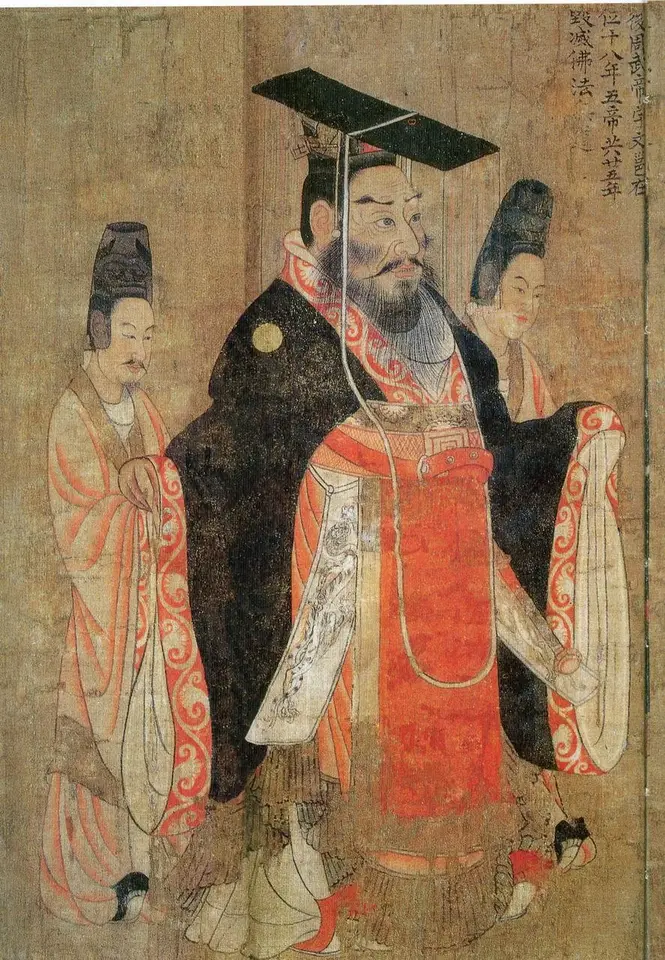
Yuwen Yu (宇文毓, 534–560), childhood name Tongwantu, was a native of Wuchuan, Dai Commandery, and the eldest son of Yuwen Tai, the paramount commander of Western Wei's Eight Pillars of State. He was the second monarch of the Northern Zhou dynasty, reigning from 557 to 560. Enfeoffed as Duke of Ningdu in his youth, he served successively as Regional Inspector of Huazhou, Yizhou, and Qizhou, as well as Grand General and Pillar of State, earning the affection of Guanlong officials and commoners through his lenient and benevolent governance. In September 557, his cousin Yuwen Hu deposed and murdered Emperor Xiaomin (Yuwen Jue), escorting the widely respected Yuwen Yu to Chang'an to succeed to the throne as Heavenly King. Upon his accession, Yuwen Yu demonstrated remarkable political vision and ambition. In August 559, declaring that the title Heavenly King lacked authority to awe the four seas, he formally assumed the title of Emperor and inaugurated the Wucheng era. When Yuwen Hu made a nominal gesture of returning administrative authority, Yuwen Yu adroitly took over daily government affairs, rectifying official discipline and strengthening centralized rule. Concurrently, he vigorously patronized literature, convening over eighty eminent scholars at Linzhi Hall to collate classical texts and compile the massive encyclopedia Shilan in several hundred volumes. Because of Yuwen Yu's intellect, decisiveness, and immense popularity, the regent Yuwen Hu grew deeply fearful of losing power. In April 560, Yuwen Hu instructed Li An, Senior Officer of the Culinary Department, to poison the emperor's food. In his final moments, Yuwen Yu calmly dictated his testamentary decree, resolutely passing the throne to his fourth brother Yuwen Yong, Duke of Lu, avoiding succession instability. He passed away on May 30, 560, at age twenty-seven, receiving the posthumous title Emperor Ming and temple name Shizong, and was buried at Zhaoling.
 Northern Zhou Dynasty (北周)
Historical figure
Emperor Wu of Northern Zhou (北周武帝, 543 – June 21, 578), personal name Yuwen Yong (宇文邕) and childhood sobriquet Milotu, was the third sovereign of the Northern Zhou dynasty during the Northern and Southern Dynasties period, reigning from 560 to 578. He was the fourth son of Yuwen Tai, the paramount architect of Western Wei, and a younger brother to Emperor Xiaomin and Emperor Ming. Endowed with exceptional strategic patience, intellectual depth, and martial discipline, Yuwen Yong was enthroned at age seventeen following the assassination of Emperor Ming by their overmighty cousin, the Grand Regent Yuwen Hu. For twelve years, Yuwen Yong practiced profound dissimulation, outwardly deferring to Yuwen Hu while quietly assembling loyalist cadres within the inner court. In 572, he struck decisively in Hanren Hall, personally executing Yuwen Hu with a jade scepter and reclaiming undisputed sovereign authority. Upon assuming personal rule, Emperor Wu instituted radical institutional and military overhauls. He revolutionized the Fubing militia system, dismantling ethnic barriers to incorporate Han peasant landholders into regular military units and creating a multi-ethnic agrarian army. He enforced extreme personal frugality, demolished ostentatious palaces, and enacted the proscription of Buddhism and Daoism between 574 and 577, returning over three million monks, nuns, and temple serfs to productive farming and taxable registries. In 577, Emperor Wu personally commanded the northern armies to capture Jinyang and Yecheng, obliterating the rival Northern Qi dynasty and ending forty years of division between the eastern and western northern realms. Passing away from sudden illness in 578 at age thirty-six while on campaign against the Gokturks, he was buried at Xiaoling. His military reunification and institutional reforms laid the direct structural foundation for the Sui and Tang reunification of China.
 Northern Zhou Dynasty (北周)
Fourth Emperor of Northern Zhou
Yuwen Yun (宇文赟, 559–580), courtesy name Qianbo, was a native of Wuchuan in Dai Commandery (modern Wuchuan County, Inner Mongolia) belonging to the Xianbei ethnic group, and the fourth emperor of Northern Zhou (reigned 578–579, continuing as Tianyuan Emperor until 580), posthumously honored as Emperor Xuan. He was the eldest son of Emperor Wu (Yuwen Yong) and Lady Li Ezi. He was enfeoffed as Duke of Lu in his childhood and formally invested as crown prince in 572. During his years as heir apparent, Emperor Wu subjected him to extraordinarily harsh discipline, frequent severe floggings, and relentless surveillance. This repressive upbringing forced Yuwen Yun to cultivate extreme duplicity and suppressed emotional instability, breeding intense resentment and destructive tendencies. Upon ascending the throne in 578 following Emperor Wu's demise, Yuwen Yun immediately unleashed his suppressed desires, discarding mourning rituals, indulging in lavish feasts, and establishing a brutal police surveillance network to terrorize the court and bureaucracy. He executed his capable uncle Prince Yuwen Xian, eliminating a vital pillar of the imperial clan. In 579, after reigning only eight months, he abdicated to his seven-year-old son Yuwen Chan and proclaimed himself Tianyuan Emperor, establishing an unprecedented court of five concurrent empresses and constructing extravagant palaces. His brief and tyrannical rule alienated military aristocrats and exhausted imperial authority. Following his sudden death at age twenty-two in 580, his father-in-law Yang Jian seized regency power and subsequently founded the Sui dynasty, bringing Northern Zhou to a swift conclusion.
 Western Wei, Northern Zhou (posthumously Emperor of Sui)
One of the Twelve Senior Generals of Western Wei
Yang Zhong (507 – August 17, 568), courtesy name Yanyu and childhood name Nunu, was a native of Huayin, Hongnong Commandery. A preeminent military strategist and commanding general of the Guanlong aristocratic elite during the Northern and Southern Dynasties, he served as one of the Twelve Senior Generals of Western Wei and one of the Eight Pillar Generals of Northern Zhou, and was the biological father of Emperor Wen of Sui (Yang Jian). Having endured the chaos of the Six Frontier Garrisons rebellion in his youth, he was captured and spent five years in the southern Liang dynasty before returning north. He subsequently followed Dugu Xin in escorting Emperor Xiaowu of Northern Wei west into Chang'an, winning the lifelong trust of Chancellor Yuwen Tai through legendary feats of personal combat, notably wrestling a wild beast and tearing out its tongue, which earned him the honorific style Yanyu. Throughout the Western Wei period, Yang Zhong played decisive roles in major strategic confrontations against Eastern Wei, including the Battle of Shayuan, the defense of the Yellow River bridge at Heqiao, and the Battle of Mount Mang. Later, as supreme commander across fifteen southern prefectures, he executed a nocturnal assault at Congtou to capture Southern Liang generalissimo Liu Zhongli, subjugating the entire Han River basin, and subsequently participated in the conquest of Jiangling that toppled Emperor Yuan of Liang. Under Northern Zhou, he served as Minister of Works and Pillar of State General, created Duke of Sui. He executed daring cavalry raids into Northern Qi territory to secure the strategic defection of Sima Xiaonan at Hulao, commanded a northern expeditionary army that seized twenty enemy fortresses up to the gates of Jinyang, and pacified rebellious Ji Hu tribal leaders through diplomatic ingenuity. Passing away in 568 at the age of sixty-two, he was granted the posthumous title of Duke Huan. In 581, upon the founding of the Sui dynasty, Yang Jian posthumously elevated his father as Emperor Wuyuan with the temple name Taizu.
 Northern Zhou Dynasty (北周)
Imperial clansman
Yuwen Hu (宇文护, 513 – April 12, 572), courtesy name Sabao (萨保), was an imperial clansman, general, and dominant political regent of the Western Wei and Northern Zhou dynasties during the Northern and Southern Dynasties period. A nephew of the Western Wei military hegemon Yuwen Tai and the third son of Yuwen Hao, he campaigned alongside his uncle across the Guanzhong region from his youth, earning distinction for his battlefield composure and organizational skill. Following Yuwen Tai's sudden death in 556, Yuwen Hu was entrusted with the supreme political and military authority to guide his adolescent cousins. In 557, he forced Emperor Gong of Western Wei to abdicate, establishing the Northern Zhou Dynasty with Yuwen Tai's third son, Yuwen Jue (Emperor Xiaomin), as Heavenly Prince. Over the ensuing sixteen years, Yuwen Hu wielded absolute autocratic power as Grand Minister of State (Da Zhongzai) and Duke of Jin (Jin Guo Gong). When young monarchs resisted his tutelage, Yuwen Hu struck ruthlessly, successively deposing and poisoning Emperor Xiaomin, Emperor Gong of Western Wei, and Emperor Ming (Yuwen Yu), earning historical notoriety as the minister who eliminated more imperial sovereigns than any other in Chinese history. He reorganized the Twenty-Four Armies of the Fubing garrison system and waged protracted wars against the rival Northern Qi dynasty. In April 572, the third sovereign he had installed, Emperor Wu (Yuwen Yong), orchestrated a palace ambush inside the Hanren Palace, slaying Yuwen Hu and restoring direct monarchical rule.
 Northern Zhou Dynasty (北周)
Historical figure
Wei Xiaokuan (韦孝宽, 509–580), personal name Wei Shuyu (韦叔裕) and universally known by his courtesy name Xiaokuan (孝宽), was a native of Duling County, Jingzhao Commandery (southeast of modern Xi'an, Shaanxi), and one of the most accomplished military commanders and strategists of the Western Wei and Northern Zhou dynasties. Born into the prestigious Jingzhao Wei clan of Guanzhong, he entered military service during the late Northern Wei to suppress Xiao Baoyin's rebellion and subsequently fought under the Western Wei paramount leader Yuwen Tai at Xiaoguan, Hongnong, and Shayuan. Appointed Regional Inspector of Jinzhou in 542, he assumed command of the strategic frontier fortress of Yubi on the lower Fen River. In the autumn of the 12th year of the Datong era (546), when Eastern Wei Grand Councilor Gao Huan besieged Yubi with the full might of his state, Wei Xiaokuan countered every siege technique—raising wooden towers above earthen mounds, intercepting tunnels with fire and smoke, and neutralizing battering rams with hanging cloth curtains—holding the fortress for fifty days and nights until the Eastern Wei army withdrew after losing 70,000 men. Under the Northern Zhou, he was invested as Duke of Yun, pioneered the planting of pagoda trees along imperial highways as permanent mile-markers, used counter-espionage ballads in 572 to induce the Northern Qi ruler Gao Wei to execute his pillar general Hulü Guang, and presented a strategic blueprint that aided Emperor Wu of Northern Zhou in conquering Northern Qi in 577. After conquering the Huainan region from the Chen Dynasty in 579, the seventy-two-year-old Wei Xiaokuan was appointed Field Marshal by Regent Grand Councilor Yang Jian in 580 to crush the massive eastern rebellion of Yuchi Jiong at Ye, passing away in Chang'an in the eleventh month of 580 with the posthumous title "Xiang."
 Northern Zhou Dynasty (北周)
Historical figure
Yuwen Xian (宇文宪, 544–578 AD), courtesy name Bihetu (毗贺突), was a native of Wuchuan in Dai Commandery (modern Wuchuan, Inner Mongolia). He was a celebrated imperial prince, military strategist, and supreme commander of the Northern Zhou dynasty, the seventh son of Western Wei Grand Preceptor Yuwen Tai (Emperor Wen of Northern Zhou) and a younger half-brother of Emperor Wu of Northern Zhou (Yuwen Yong). Enfeoffed as Duke of Ancheng in his youth, Yuwen Xian was distinguished by his quick intellect, broad magnanimity, and military acumen, earning the special affection of Yuwen Tai. In 559 AD (1st year of Wucheng under Emperor Ming), at the age of sixteen, Yuwen Xian was appointed Commander-in-Chief and Inspector of Yizhou to administer Sichuan, where he quelled tribal insurrections, advanced Confucian education, and governed with benevolence and authority. Throughout the Baoding and Tianhe eras, Yuwen Xian repeatedly commanded frontline armies against Northern Qi. During the Battle of Mount Mang, when other Zhou divisions disintegrated in panic, Yuwen Xian alone stood fast with his elite troops, repelling enemy charges and conducting an orderly rear-guard withdrawal. In the Yiyang and northern Fen River campaigns, he repeatedly checked the offensives of Northern Qi paramount general Hulü Guang, fortifying defensive bastions and rising to Grand Minister of Works and Supreme Pillar of State. Following Emperor Wu's palace execution of regent Yuwen Hu in 572 AD, Yuwen Xian demonstrated unswerving loyalty to the throne, winning the emperor's deep trust and being elevated to Prince of Qi, Grand Marshal, and later Grand Minister of State. During the great conquest of Northern Qi, Yuwen Xian commanded independently, advancing on Wu'an, besieging and capturing Jinyang, breaking into the northern capital of Ye, and leading cavalry to capture Northern Qi Retired Emperor Gao Wei in Qingzhou, securing the unification of northern China. In 578 AD, Emperor Xuan (Yuwen Yun) ascended the throne; consumed by paranoid jealousy of Yuwen Xian's towering prestige among the military and aristocracy, he fabricated treason charges and had Yuwen Xian strangled in the palace at the age of thirty-five. Highly praised for his strategic genius, personal modesty, and benevolent governance, Yuwen Xian is remembered as the most gifted imperial military commander of the late Northern and Southern dynasties.
 Northern Zhou Dynasty (北周)
Niece of Northern Zhou Imperial House
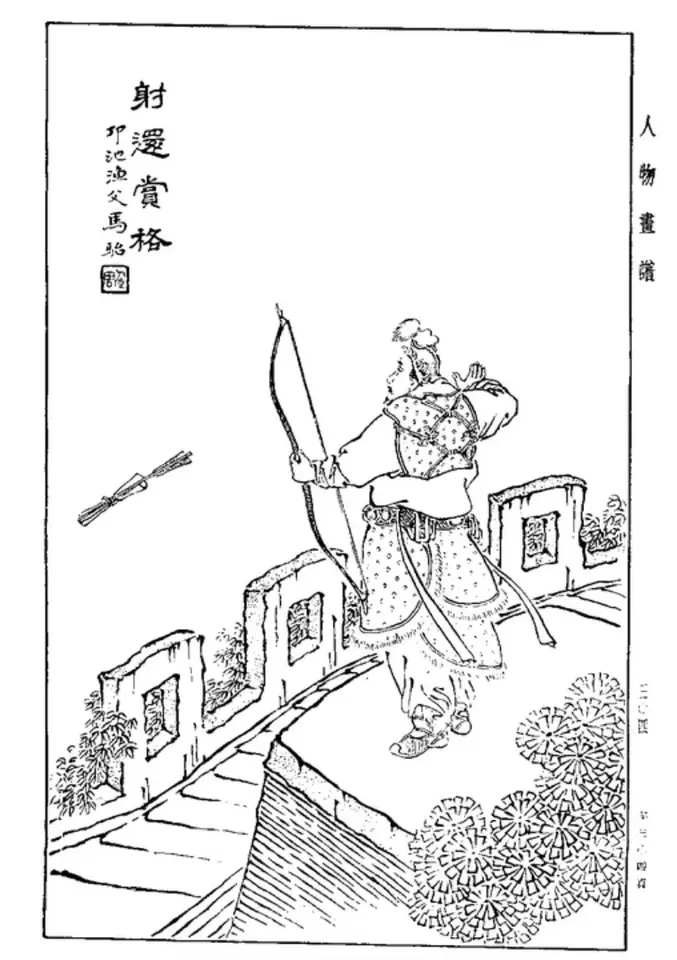
Empress Dou (Tang dynasty) (窦氏(唐太穆皇后)), native of Shiping in Jingzhao (present-day Xingping, Shaanxi), was the primary consort of Emperor Gaozu of Tang (Li Yuan) and the posthumously honored founding empress of the Tang dynasty. The daughter of Northern Zhou Supreme Pillar of State Dou Yi and Princess Xiangyang (daughter of Yuwen Tai), Empress Dou was raised inside the imperial palace by her maternal uncle, Emperor Wu of Northern Zhou. Exhibiting precocious strategic acumen at the age of seven, she advised Emperor Wu to suppress personal feelings and honor his Turkic consort Empress Ashina to secure an alliance against Northern Qi and the Chen dynasty. Following the Sui usurpation of Northern Zhou, she famously grieved that she was not born a man to rescue her uncle's dynasty. Her father held an archery competition to select an extraordinary son-in-law, in which Li Yuan, then Duke of Tang, shot two arrows directly into the eyes of two painted peacocks on a screen, giving rise to the classic idiom Winning the Bride by Shooting the Peacock Screen. Married to Li Yuan, Lady Dou managed the household with consummate virtue, personally nursing her strict mother-in-law Lady Dugu through prolonged illness. She was renowned for literary erudition and calligraphy that was indistinguishable from Li Yuan's own hand. She bore and educated five children who shaped imperial history, including Crown Prince Li Jiancheng, Emperor Taizong Li Shimin, Li Xuanba, Li Yuanji, and Princess Pingyang. During the reign of Emperor Yang of Sui, she presciently urged Li Yuan to present his prized horses to the suspicious monarch; Li Yuan's initial hesitation resulted in demotion, vindicating her foresight. She passed away in Zhuojun around 613. Upon founding the Tang dynasty in 618, Li Yuan posthumously honored her as Empress Taimu, later upgraded to Empress Taimu Shunsheng.
Historical figure
Houmochen Chong (侯莫陈崇, d. 563), courtesy name Shangle (尚乐), was a native of Wuchuan Garrison in Dai Commandery (present-day southwest of Wuchuan County, Inner Mongolia). He was an illustrious military commander, founding merit statesman, and one of the celebrated Eight Pillar Generals of the State (Eight Pillars of the State) who laid the foundations of the Western Wei and Northern Zhou dynasties. Hailing from a prominent military clan of the northern frontier garrisons—his family having led tribal confederations for generations since his ancestor Taiguduhou—Houmochen Chong was known from youth for his resolute character, taciturn demeanor, exceptional horsemanship, and peerless archery. Enlisting in military campaigns at the age of fifteen, he fought under Heba Yue and Erzhu Rong across northern China. In 530, during the pacification of the Guanzhong and Longyou insurrections, Houmochen Chong achieved legendary fame at the Battle of Changkeng, where he charged alone into the enemy host and captured the rebel emperor Wanqi Chounu from horseback, pacifying the western rebellion. Following the assassination of Heba Yue, he joined fellow commanders in elevating Yuwen Tai to supreme leadership and personally led a daring night raid with seven cavalrymen to seize the fortress gates of Yuanzhou, eliminating rebel commander Shi Gui. Throughout the Datong era of Western Wei, Houmochen Chong served as a core field commander under Yuwen Tai, playing a decisive role in capturing Dou Tai at Xiaoguan, recovering Hongnong, and routing Gao Huan's main host at the Battle of Shayuan. He was acclaimed as having performed the premier combat service at the Battle of Heqiao, later quelling northern Jihu rebellions and attaining the pinnacle rank of Pillar of the State General, Grand Minister of Works, and one of the Eight Pillars of the State. With the founding of the Northern Zhou dynasty in 557, Houmochen Chong was created Duke of Liang with a grand fief of ten thousand households, serving in the exalted offices of Grand Guardian, Grand Master of Rites, and Grand Minister of Education. However, during the autocratic regency of Grand Preceptor Yuwen Hu, Houmochen Chong accompanied Emperor Wu on a night journey back to Chang'an and privately speculated that Yuwen Hu was marked for doom and might have been executed. When his whispered remarks were reported to the regent, an enraged Yuwen Hu dispatched troops to encircle his mansion that same night and forced him to commit suicide. Following Yuwen Hu's fall in 572, Emperor Wu posthumously rehabilitated Houmochen Chong, overturning the derogatory title "Zao" and granting him the honorable posthumous name "Zhuangmin."
Historical figure
Yuchi Gang (尉迟纲, 517–569), courtesy name Poluo (婆罗), was a native of Dina in Da'an, Dai Commandery (present-day Shouyang County, Shanxi Province). He was an illustrious military commander, key imperial kinsman, and founding statesman of the Western Wei and Northern Zhou dynasties. He was the son of Grand Tutor Yuchi Sidou, a maternal nephew of Emperor Wen of Northern Zhou (Yuwen Tai), and the younger brother of Yuchi Jiong, Duke of Shu. Having lost his father at the age of six, Yuchi Gang was raised under the personal guardianship of his maternal uncle Yuwen Tai. Endowed with a towering physique, formidable physical strength, and peerless mounted archery skills, he enjoyed Yuwen Tai's profound affection and trust, serving as his intimate bodyguard and gaining free access to the inner imperial chambers. Throughout the Datong era of Western Wei, Yuchi Gang campaigned under Li Hu to crush the rebel Cao Ni, captured Eastern Wei general Dou Tai, and took part in the recovery of Hongnong as well as the pivotal engagements at Shayuan and Mangshan. During the desperate Battle of Heqiao in 538, when Yuwen Tai's mount was struck by arrows and threw him to the ground amidst charging Eastern Wei cavalry, Yuchi Gang and Li Mu fought heroically around their fallen commander, cutting down dozens of enemy horsemen to secure Yuwen Tai's survival. In subsequent years, Yuchi Gang was entrusted with command of the central metropolitan army and palace guards. In 553, he successfully detected and neutralized an armed conspiracy by Emperor Fei (Yuan Qin) to overthrow Yuwen Tai, securing the political hegemony of the Yuwen clan. Following the establishment of the Northern Zhou dynasty in 557, Yuchi Gang served as Junior Minister of War, Pillar of the State General, and was created Duke of Wu with an extensive fief of ten thousand households. He later rose to Junior Tutor, Grand Minister of Works, and Area Commander-in-Chief of Shanzhou, anchoring stability in the western capital while regent Yuwen Hu conducted northern campaigns. In 567, he led frontier forces to the northern steppes to safely escort Empress Ashina of the Gokturk Khaganate into Chang'an. Yuchi Gang passed away in Chang'an in 569 at the age of fifty-three. The court posthumously honored him as Grand Guardian and Regional Inspector of Tongzhou, conferring the posthumous name "Wu" (The Martial).
Historical figure
Dou Chi (窦炽, 507–584), courtesy name Guangcheng (光成), was a native of Pingling County in Fufeng Commandery (present-day northwest of Xianyang City, Shaanxi Province). He was an illustrious military commander, senior four-reign statesman, and pillar general who served Northern Wei, Western Wei, Northern Zhou, and the Sui dynasty, rising to Senior Pillar of the State, Grand Preceptor, and Duke of Deng. Descended from Dou Zhang, the eleventh-generation ancestor who served as Grand Herald in the Eastern Han, Dou Chi possessed a commanding physical presence, standing eight chi and two cun tall with a flowing beard. Educated in classical canonical literature including the Mao Commentary on the Book of Songs and the Zuo Tradition, he combined erudition with formidable physical prowess and archery skills. In his youth, he took part in suppressing the remnants of Ge Rong's uprising, slaying rebel general Han Lou, and famously shot down a high-flying kite before assembled foreign ambassadors during an imperial banquet held by Emperor Xiaowu. During the Yongxi era, Dou Chi served as an intimate loyalist bodyguard to Emperor Xiaowu of Northern Wei, storming the Qianqiu Gate in Luoyang to seize forty imperial steeds and escorting the sovereign westward into Guanzhong. Serving under Yuwen Tai, Dou Chi participated in every major engagement between Western and Eastern Wei, including the capture of Dou Tai, the liberation of Hongnong, and the Battle of Shayuan. During the retreat from the Battle of Heqiao in 538, Dou Chi and two companions were cornered against the cliffs of Mount Mang by dozens of Eastern Wei heavy cavalry; backing against the stone, he shot down dozens of pursuers with deadly accuracy, forcing the enemy to abandon the chase. Over a ten-year administration as Regional Inspector of Yuanzhou, he restrained abusive magnates and promoted sericulture, establishing an enduring reputation for incorruptibility celebrated in the historical anecdote "drinking only the clear spring." In 554, he led an expeditionary force north to route an invading Rouran army, executing their chieftain Yujiulu Shifa. Following the founding of Northern Zhou, Dou Chi was elevated to Pillar of the State General and Duke of Deng, later serving as Grand Master of Rites. In 577, despite advancing age, he enthusiastically volunteered to lead the vanguard in Emperor Wu's conquest of Northern Qi, subsequently advancing to Senior Pillar of the State. During Yuchi Jiong's rebellion in 580, Dou Chi occupied Jinzhong Fortress in Luoyang with loyalist troops, preventing rebel forces from advancing west. When court officials clamored to sign the petition urging Yang Jian to assume the imperial throne, Dou Chi, bound by deep gratitude to the Yuwen house, resolutely refused to attach his signature. Greatly admiring his moral integrity, Emperor Wen of Sui appointed him Grand Preceptor upon ascending the throne, granting him the rare honor of being announced at court without his personal name. Dou Chi died in 584 at the age of seventy-eight, receiving an imperial state funeral with the posthumous title "Gong" (The Reverent).
Historical figure
Helan Xiang (贺兰祥, 515–562), courtesy name Shengle (盛乐), was a native of Wuchuan in Dai Commandery (modern Wuchuan, Inner Mongolia), and an eminent general and founding noble of the Western Wei and Northern Zhou dynasties. Helan Xiang was the nephew of Yuwen Tai, the paramount leader of Western Wei. Having lost his father at an early age, he was raised and educated personally by Yuwen Tai, and the two shared an affection akin to that of father and son. During the founding phase of Western Wei, Helan Xiang followed Yuwen Tai in subduing the rebellious general Houmochen Yue and escorting Emperor Xiaowu westward to Guanzhong. Subsequently, he served successively as Commander, General Pacifying the West, Grand Commander, and General of Agile Cavalry, participating in key military operations including the capture of Tongguan, the relief of Yubi, the assault on the Yang family stronghold, the garrison of Chang'an during the Battle of Shayuan, and the major engagements at Heqiao and Mount Mang. During the Datong era of Western Wei, Helan Xiang served as Regional Inspector of Jingzhou and General of the Army Leader, pacifying soldiers and civilians in local administration while supervising the imperial palace guard in the capital. In 550, he was named one of the famous Twelve Great Generals of Western Wei and was tasked with directing water conservancy in the capital region. He supervised the construction of the Fuping Dam, diverting the waters of the Jing River to irrigate thousands of hectares of arable land in Guanzhong, winning broad popular acclaim. Following the founding of the Northern Zhou in 557, he was elevated to Pillar of State General and appointed Grand Marshal, holding supreme military command. In 559, alongside Yuwen Xian, he led an expeditionary force against the encroaching Tuyuhun, capturing the strategic strongholds of Taoyang and Bochuan and opening up Taozhou for the empire, for which he was ennobled as the Duke of Liang. In 562, Helan Xiang passed away at the age of forty-eight. The imperial court posthumously bestowed upon him the honors of Grand Preceptor and Regional Inspector of Tongzhou, conferring the posthumous name Jing.
Historical figure
Xin Wei (辛威, 512–580), courtesy name Wenlie (文烈), bestowed clan name Putun (普屯氏), was a native of Didao in Longxi (modern Lintao, Gansu), and an eminent military commander of the Western Wei and Northern Zhou dynasties. Born into an established Longxi military lineage, his grandfather Xin Dahan served as governor of Wuchuan during the Northern Wei, and his father Xin Sheng was a senior general. From his youth, Xin Wei was magnanimous, courageous, and highly skilled in archery, horsemanship, and tactical maneuvers. In the twilight of Northern Wei, he entered military service under Grand Area Commander Heba Yue. Following Heba Yue's assassination, he joined Yuwen Tai, serving as Supervisor of the Feathered Forest Guard and ennobled as Earl of Baitu County. When Emperor Xiaowu fled westward to Guanzhong, Xin Wei escorted the imperial carriage. During the subsequent campaign against Eastern Wei, he led the vanguard assault on the fortified citadel of Huiluo, becoming the first warrior to scale the ramparts and earning the foremost battlefield distinction. Throughout the founding decades of Western Wei, Xin Wei fought in major campaigns including the Battle of Shayuan, the Battle of Heqiao, and the Battle of Mount Mang. For his sustained valor, he was promoted to General of Agile Cavalry, Opening of the Office Equal to the Three Excellencies, and Regional Inspector of Fuzhou, advancing to Duke of Boling Commandery. In local administration, he stabilized the borders and settled displaced refugees, earning wide popular trust. Following the founding of Northern Zhou in 557, Xin Wei was highly trusted by Emperor Xiaomin and Emperor Ming, serving as Senior General, Area Commander of Ningzhou, and Duke of Baohan Commandery. In 564, he was elevated to Pillar of State General, appointed Minister of Justice and Junior Tutor to the Crown Prince, and later commissioned as Area Commander of Hezhou, repeatedly suppressing rebellions among the western Qiang and Tuyuhun tribes to secure the southern Silk Road. During the Jiande era, he was advanced to Senior Pillar of State and created Duke of Siguo. In 580, Xin Wei died of illness in Chang'an at the age of sixty-nine. The imperial court posthumously honored him as Grand Tutor and Area Commander of Hezhou, conferring the posthumous name Zhuang.
Historical figure
Daxi Wu (达奚武, 504–570), courtesy name Chengxing (成兴), was a native of Dai Commandery (modern northern Datong, Shanxi), and an illustrious military commander and strategic leader during the Western Wei and Northern Zhou dynasties, celebrated as one of the Eight Pillars of State of Northern Zhou. Originating from an established northern frontier military lineage, his father Daxi Chang served as the garrison commander of Qiancheng under the Northern Wei. Daxi Wu possessed resolute courage, exceptional equestrian archery skills, and a thorough command of military strategy. In his youth, he followed Grand Area Commander Heba Yue into Guanzhong to suppress regional rebellions, earning appointment as Supervisor of the Feathered Forest Guard. Following Heba Yue's assassination, Daxi Wu ardently supported Yuwen Tai to take command of the army, winning Yuwen Tai's lifelong trust and serving as Regional Inspector of East Qinzhou and Duke of Xuchang County. Following the founding of Western Wei, Daxi Wu spearheaded frontline operations, participating in the capture of Tongguan and the recovery of Hongnong. Prior to the pivotal Battle of Shayuan in 537, Daxi Wu ventured alone in disguise into the Eastern Wei encampment to spy on enemy formations, providing crucial tactical intelligence that enabled Yuwen Tai to orchestrate an overwhelming ambush. For this paramount service, he was elevated in noble rank. He subsequently took part in the Battle of Heqiao and the Battle of Mount Mang, repeatedly rescuing imperial columns from peril and rising to Senior General and General of Agile Cavalry. In 551, Daxi Wu led a major southern expedition into Southern Liang territory, capturing Nanzheng, subduing Xiao Xun, and incorporating the entire region north of Jiange into the Western Wei domain. Upon the establishment of Northern Zhou in 557, Daxi Wu was honored as a foundational architect of the state, ranking among the Eight Pillars of State and serving as Minister of Justice and Director of Ceremonies while ennobled as the Duke of Zheng. Under Emperor Wu, he was elevated to Grand Guardian and Regional Inspector of Tongzhou, twice participating in eastern campaigns against Northern Qi. In 570, Daxi Wu died in his official residence at the age of sixty-seven. The imperial court posthumously bestowed upon him the honors of Grand Tutor and Regional Inspector of Tongzhou, conferring the posthumous name Huan. Over four decades of frontline warfare, Daxi Wu distinguished himself both as an intrepid reconnaissance operative and as a master strategic commander, remembered as a premier pillar of the Guanlong aristocracy.
Historical figure
Changsun Jian (长孙俭; 492–569 CE), original name Changsun Sengyan (长孙僧衍), courtesy name Qingming (庆明), was a preeminent military strategist, frontier commander, and founding statesman of the Western Wei (西魏) and Northern Zhou (北周) dynasties, celebrated as one of the legendary Eight Pillars of State (Ba Zhuguo). Descended from the imperial Xianbei nobility of the Northern Wei, his father Changsun Zhi served as Grand Tutor and Prince of Shangdang. Entering the military during the late Northern Wei upheavals, Changsun Jian served under Heba Yue and decisively rallied regional divisions to elect Yuwen Tai as commander following Heba Yue's assassination. In combat against Eastern Wei armies, including the Battle of Shayuan, his tactical discipline won Yuwen Tai's deepest trust, earning the bestowed name "Jian" (signifying frugality and integrity). Changsun Jian's foremost historical achievement lay in his administration and conquest across the Jing-Xiang and Han river basins. Commissioned as Commander-in-Chief and Regional Inspector of Jingzhou, he governed over fifty southern commanderies. Over more than a decade, he pacified indigenous tribal rebellions through benevolent agro-military settlements, reclaimed extensive farmland, and seized Anlu and Suizhou from the Liang dynasty. His strategic positioning provided the indispensable launchpad for the Western Wei's capture of Jiangling in 554 CE. Following the establishment of the Northern Zhou in 557 CE, he was elevated to Pillar of State General, Junior Minister of Education, Grand Guardian, and Grand Preceptor, created Duke of Changxing Commandery. Passing away in 569 CE at seventy-eight, he was posthumously awarded the rank of Grand Guardian and the posthumous title Wen, receiving sacrifices within the ancestral temple of Yuwen Tai. Renowned for civil wisdom and unyielding martial resolve, he anchored the southern marchlands that secured the rise of the Northern Zhou.
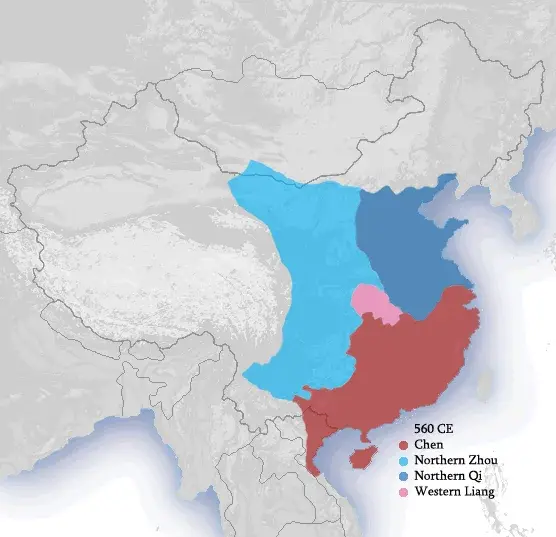
The Northern Dynasties designates the collective sequence of five northern regimes—Northern Wei, Eastern Wei, Western Wei, Northern Qi, and Northern Zhou—that confronted the Southern Dynasties between 386 and 581 (from the 1st year of Dengguo to the 1st year of Kaihuang). Following the Disaster of Yongjia, northern China fractured into the chaotic Sixteen Kingdoms. In 386, Xianbei leader Tuoba Gui founded Northern Wei, and in 439 (the 5th year of Taiyan), Emperor Taiwu (Tuoba Tao) conquered Northern Liang to unify the Yellow River basin, initiating the era of Northern and Southern Dynasties. Emperor Xiaowen instituted the Equal-Field System and relocated the capital to Luoyang, executing radical Sinicization policies that prohibited nomadic clothing, mandated the Chinese language, and changed Xianbei surnames, profoundly accelerating ethnic integration. In the late Northern Wei, the Rebellion of the Six Garrisons fragmented the realm into Eastern Wei and Western Wei, which evolved into Northern Qi and Northern Zhou. Western Wei and Northern Zhou forged the Fubing militia system and consolidated the Guanlong military-aristocratic bloc. In 577, Emperor Wu of Northern Zhou annexed Northern Qi to reunify the north. In 581, Yang Jian usurped the Northern Zhou throne to found the Sui dynasty, conquering the Chen dynasty in 589 to end three centuries of fragmentation. The Northern Dynasties created the institutional models of equal land allocation and militia recruitment that powered the golden age of the Sui and Tang dynasties.
Yellow River basin and northern frontiers of China (metropolises of Pingcheng, Luoyang, Ye, and Chang'an)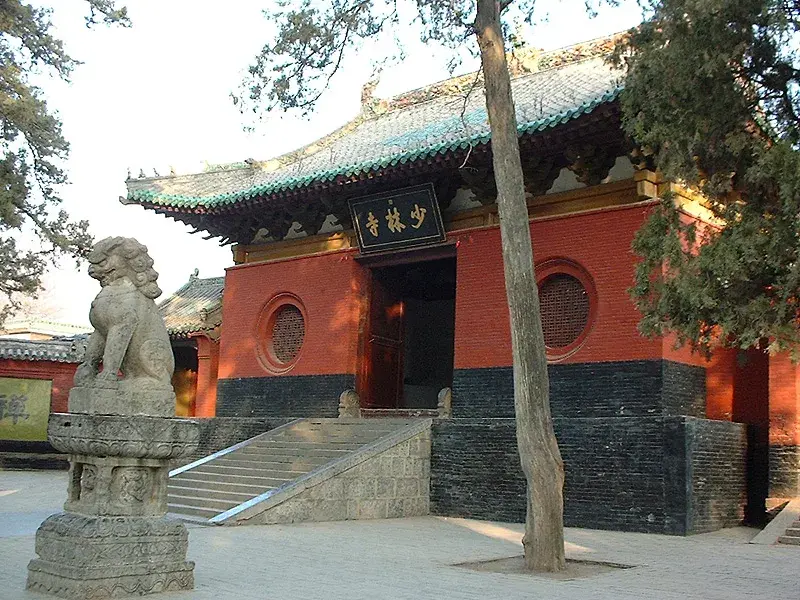
Emperor Wu of Northern Zhou's Suppression of Buddhism and Conquest of Northern Qi (周武帝灭佛与灭齐) represents an epochal religious-political restructuring and strategic military campaign orchestrated between 574 and 577 CE by Yuwen Yong, Emperor Wu of the Northern Zhou Dynasty. Confronting an acute socioeconomic crisis provoked by the runaway expansion of monastic estates—which concealed vast tracts of taxable agricultural lands and shielded millions of able-bodied laborers from imperial military service—Emperor Wu enacted a sweeping proscription of Buddhism and Daoism in 574 CE. The imperial state dismantled tens of thousands of monasteries, confiscated extensive monastic lands and metallic wealth, and returned millions of defrocked monks and temple dependents to civilian registration and military conscription, radically augmenting the treasury and the *Fubing* militia. Capitalizing on the fiscal abundance and newly acquired military strength, Emperor Wu launched a massive eastern campaign against the Northern Qi Dynasty between 575 and 577 CE, exploiting the incompetence and tyranny of Northern Qi's ruler Gao Wei. In a sequence of fierce sieges and cavalry clashes, Northern Zhou armies captured the pivotal strongholds of Pingyang, Jinyang, and the imperial capital of Ye, capturing Gao Wei and annexing the entire territory of Northern Qi. Following the victory, Emperor Wu enforced the anti-Buddhist decrees throughout the newly acquired eastern territories. This combined political and military triumph brought four decades of east-west division to an end, reunited the Yellow River basin under a single authority, and established the indispensable institutional, demographic, and strategic foundation for the eventual reunification of All under Heaven by the Sui and Tang dynasties.
Chang'an (Xi'an, Shaanxi), Ye (Linzhang, Hebei), Jinyang (Taiyuan, Shanxi), Pingyang (Linfen, Shanxi)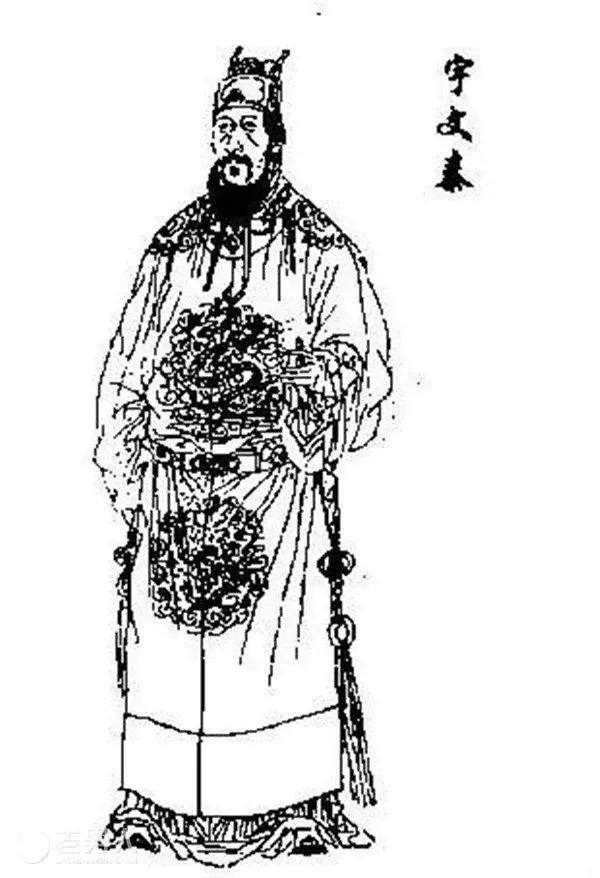
The Fubing System (府兵制), or divisional militia system, was an influential military-agrarian institution that originated in Western Wei and evolved through the Northern Zhou, Sui, and Tang dynasties. In the 540s, Yuwen Tai consolidated power in the Guanzhong basin, confronting constant military invasion from Eastern Wei alongside acute manpower shortages among Xianbei tribal warriors. Adopting recommendations from Han advisor Su Chuo, Yuwen Tai mobilized powerful Han lineage magnates and local rural militias into the state armed forces. In 550, Yuwen Tai established the command network of Eight Pillar Generals (Ba Zhuguo), Twelve Senior Generals, and twenty-four armies, laying the institutional foundation of the divisional militia system. Subsequently, Emperor Wu of Northern Zhou renamed soldiers as palace attendants and enlisted ordinary agrarian households under the equal-field system. In 590, Emperor Wen of Sui enacted historic legislation transferring soldier households into civil county registries, allocating farmland and formalizing the principle of integrating agriculture with military readiness. During the reign of Emperor Taizong of Tang, garrisons were standardized as Zhechong Garrisons, numbering six hundred and thirty-four establishments across strategic circuits to safeguard the throne and project power across Inner Asia. By the mid-eighth century, the decay of the equal-field system and widespread land monopolization impoverished militia households. In 749, the Tang court formally suspended militia conscription, terminating the system in favor of mercenary armies. Spanning two centuries, the Fubing System shaped the Guanlong aristocratic coalition and early imperial statecraft.
Guanzhong region and regional military garrisons nationwide (关中地区及全国各军府)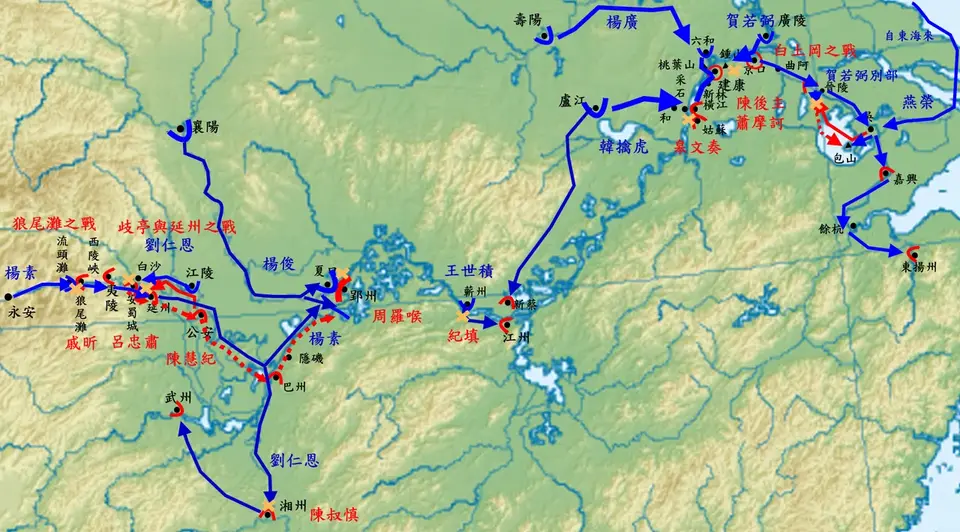
The Yang Jian Usurping Zhou and Sui Unification (杨坚代周与隋统一) was a historic process of dynastic transition and national reunification spanning 580 CE to 589 CE that brought an end to centuries of division across China. In the fifth month of 580 CE, Emperor Xuan of Northern Zhou died prematurely, leaving the throne to his six-year-old heir. Duke of Sui Yang Jian stepped forward as Senior Chancellor, assuming control of the military and civil administration. Employing seasoned commanders Wei Xiaokuan and Gao Jiong, Yang Jian crushed the Rebellion of the Three Commandants led by Yuchi Jiong and purged the imperial Yuwen princes. In the second month of 581 CE, Emperor Jing abdicated, and Yang Jian formally ascended the throne as Emperor Wen, founding the Sui Dynasty with Chang'an as capital. Upon establishing the dynasty, Emperor Wen promulgated the Three Departments and Six Ministries system, the Kaihuang Code, and equitable land systems, revitalizing the economy. To eliminate the northern threat, Yang Jian adopted Zhangsun Sheng's diplomatic strategy of playing off rival factions, successfully dividing the powerful Turkic Khaganate into Eastern and Western branches and securing their submission. In the winter of 588 CE, Yang Jian mobilized 518,000 soldiers under Prince of Jin Yang Guang and commander Gao Jiong, launching an eight-pronged assault across the Yangtze. Commander Yang Su broke through the Three Gorges with massive multi-decked warships, while Han Qinhu and Heruo Bi crossed the river and captured the southern capital of Jiankang, taking the hedonistic Chen Shubao prisoner. This campaign brought a definitive end to 272 years of North-South division since the Western Jin, laying the political and institutional foundations for the Tang Dynasty.
Chang'an, Luoyang, Xiangzhou, Great Wall frontier, Yangtze River defense line, Jiankang (Nanjing)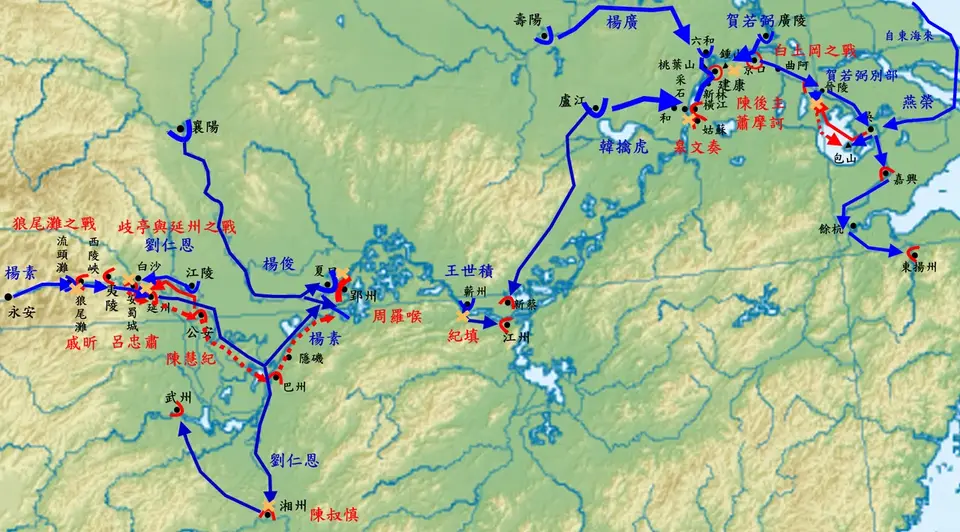
The accession of Yang Jian from the Northern Zhou to found the Sui Dynasty (杨坚代周建隋) was a momentous dynastic transition between 580 and 581 that fundamentally reshaped Chinese imperial history. In the fifth month of 580, Emperor Xuan of Northern Zhou died abruptly, leaving the imperial throne to his six-year-old heir, Yuwen Chan (Emperor Jing). Court officials Liu Fang and Zheng Yi forged imperial edicts summoning Yang Jian, Duke of Sui and father of the Empress Dowager, to assume the supreme court regency as Grand Chancellor overseeing all civil and military affairs. Yang Jian's monopolization of supreme power provoked immediate opposition from regional commanders and imperial princes. Yuchi Jiong, Area Commander of Xiang Prefecture, joined by Sima Xiaonan of Yun Prefecture and Wang Qian of Yi Prefecture, took up arms in an extensive coordinated uprising. Demonstrating remarkable composure, Yang Jian dispatched veteran general Wei Xiaokuan and personal confidant Gao Jiong to annihilate Yuchi Jiong's insurgent forces in Anyang, while dispatching Liang Rui to conquer Sichuan and suppressing Sima Xiaonan in Hubei. After eliminating the remaining Northern Zhou imperial princes, Yang Jian received Emperor Jing's abdication in February 581, ascending the imperial throne, naming his empire Sui, and adopting the reign title Kaihuang, thereby inaugurating the prosperous Sui Dynasty and laying the cornerstone for national reunification.
Chang'an, Xiang Prefecture (modern Anyang, Henan), Yun Prefecture (modern Anlu, Hubei), Yi Prefecture (modern Chengdu, Sichuan)