Birth in Yuyang
Born in Yaoyang, Yuyang Commandery, as the eldest son of founding general Wang Liang.
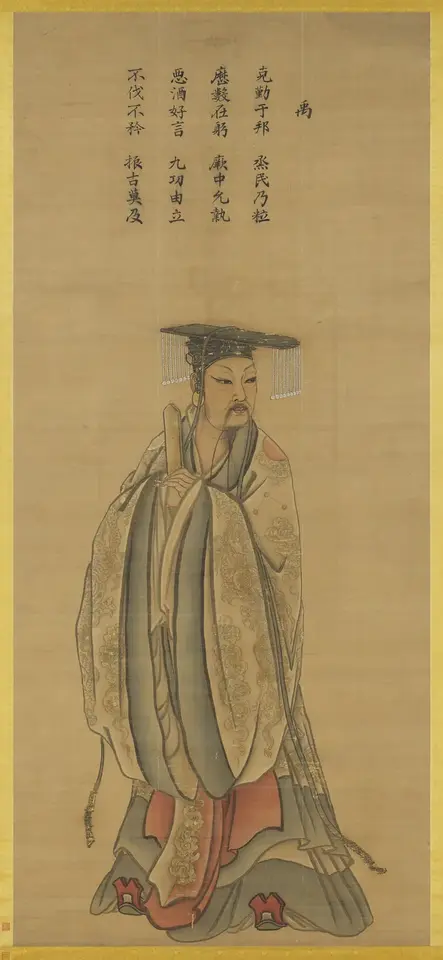
王禹 (Wang Yu)
Wang Yu (王禹, c. 1st century CE), a native of Yaoyang County in Yuyang Commandery (near modern Fengning Manchu Autonomous County, Hebei), was a nobleman of the early Eastern Han dynasty. He was the son of Grand Minister of Works Wang Liang, one of the prominent founding generals celebrated among the Yuntai Twenty-Eight Generals, and served as the second Marquis of Fucheng. In 38 CE (14th year of the Jianwu reign), his father…
Wang Yu (王禹, c. 1st century CE), a native of Yaoyang County in Yuyang Commandery (near modern Fengning Manchu Autonomous County, Hebei), was a nobleman of the early Eastern Han dynasty. He was the son of Grand Minister of Works Wang Liang, one of the prominent founding generals celebrated among the Yuntai Twenty-Eight Generals, and served as the second Marquis of Fucheng. In 38 CE (14th year of the Jianwu reign), his father Wang Liang died in office while commanding frontier campaigns as General of the Household. As the eldest son, Wang Yu inherited the marquisate and ruled the Fucheng Marquisate in Bohai Commandery. During Wang Yu's tenure as marquis under the reign of Emperor Ming of Han (57–75 CE), Liu Ying, King of Chu and a half-brother of the emperor, gathered Daoist magicians, alchemists, and local elites in Pengcheng to plot rebellion. Wang Yu and his younger son Wang Ping established close contact with King Liu Ying, exchanging secret correspondence and actively participating in the treasonous conspiracy. Following Wang Yu's death, his eldest son Wang Jianshi succeeded as the third Marquis of Fucheng. In 70 CE (13th year of the Yongping reign), the Chu treason conspiracy was uncovered, and imperial judicial tribunals exposed Wang Yu and Wang Ping's treasonous collaboration. Emperor Ming issued a decree sentencing the reigning marquis Wang Jianshi and his brother Wang Ping to public execution, abolishing the Fucheng Marquisate and confiscating the family's assets. Wang Yu's life illustrates the tragic destruction of early Eastern Han meritorious families embroiled in imperial dynastic conflicts.
Born in Yaoyang, Yuyang Commandery, as the eldest son of founding general Wang Liang.
Father Wang Liang died in office; Wang Yu inherited the title of Marquis of Fucheng.
Following Emperor Ming's accession, performed regular ceremonial duties as a marquis in Luoyang.
Colluded with Liu Ying, King of Chu, alongside his younger son Wang Ping.
Died of illness in his marquisate; eldest son Wang Jianshi inherited the title.
The Chu conspiracy was uncovered; imperial tribunals documented Wang Yu's treasonous ties.
Emperor Ming executed Wang Jianshi and Wang Ping, abolishing the Fucheng Marquisate.
Wang Yu was born into an illustrious aristocratic family of the early Eastern Han dynasty. His father, Wang Liang, had raised troops in Yuyang Commandery during the late Xin dynasty, joining founding generals Geng Yan and Kou Xun to pledge allegiance to Liu Xiu (Emperor Guangwu). Wang Liang rendered distinguished military service during the civil wars against the Gengshi and Red Eyebrow regimes, serving as the first Grand Minister of Works of the Eastern Han and receiving the title Marquis of Fucheng. Later, Wang Liang served as Governor of Henan and General of the Household overseeing northern border defense.
In 38 CE, Wang Liang died in camp while defending northern frontiers against incursions. Emperor Guangwu mourned his passing deeply, granting him solemn funeral rites. In accordance with Han inheritance protocol, Wang Yu succeeded to the marquisate as the second Marquis of Fucheng. Situated in Bohai Commandery in Ji Province (near modern Botou, Hebei), the Fucheng Marquisate commanded fertile plains and thousands of taxable households, providing substantial revenues.
Following his succession, Wang Yu performed regular imperial audiences in the capital Luoyang, residing in luxury in his fief. Lacking his father's martial prowess and cautious administrative discipline, Wang Yu indulged in affluent leisure, gathering superficial acquaintances and planting the seeds for his family's destruction.
During the Yongping reign of Emperor Ming, imperial authority was rigorously consolidated. The emperor strictly prohibited imperial princes and high-ranking nobles from unauthorized private associations. At that time, Liu Ying, King of Chu and half-brother of Emperor Ming, governed his principality from Pengcheng (modern Xuzhou, Jiangsu). Liu Ying gathered wandering swordsmen, Daoist alchemists, and Buddhist monks, secretly drafting prophetic astrological charts to challenge the imperial throne.
Seeking to broaden his network of armed conspirators across the empire, King Liu Ying courted descendants of founding generals. Enticed by luxurious gifts and promising rewards in the event of an imperial succession crisis, Wang Yu and his younger son Wang Ping violated imperial prohibitions, exchanging regular messengers and secret correspondence between Pengcheng and Fucheng.
In their confidential letters, Wang Yu helped the King of Chu cultivate connections with local gentry across Hebei, participating in discussions regarding prophetic portents and military mobilization. Wang Yu believed that his distance from the capital and his family's distinguished heritage would protect him from scrutiny, underestimating the pervasive reach of imperial supervisory censors in Luoyang.
Around 68 CE, Wang Yu fell ill and died within his marquisate. Following official procedures, his eldest son, Wang Jianshi, submitted succession petitions to the imperial court and was confirmed as the third Marquis of Fucheng, while younger son Wang Ping remained in the household. Although Wang Yu had died, the catastrophic consequences of his conspiracy were rapidly maturing.
In the winter of 70 CE, the treasonous conspiracy of King Liu Ying was reported to the throne by an informant. Infuriated, Emperor Ming established special tribunals under the Minister of Justice and the Colonel Director of Retainers to interrogate conspirators. Under rigorous examination, Chu officials surrendered extensive registries of aristocratic collaborators, prominently detailing Wang Yu and Wang Ping's clandestine correspondence, gifts, and treasonous agreements.
Imperial investigators quickly arrested Wang Ping, who confessed to conspiring with the King of Chu. The imperial judiciary ruled that Wang Yu had committed high treason during his lifetime; Wang Ping was guilty of direct conspiracy; and reigning marquis Wang Jianshi, although not directly involved in the planning, was legally culpable through collective responsibility (zuo) for harboring conspirators. Emperor Ming refused clemency, ordering Wang Jianshi and Wang Ping publicly executed at the market. Simultaneously, an imperial decree dissolved the Fucheng Marquisate, absorbing its lands into the commandery administration and confiscating the household's wealth. The noble lineage established by Wang Liang was completely extinguished within two generations.
Wang Yu's life illustrates the historical path of the second-generation nobility following the founding of the Eastern Han dynasty. His father, Wang Liang, had achieved supreme honors as one of the Yuntai Twenty-Eight Generals, securing hereditary wealth across the fertile Hebei plains.
Succeeding to the marquisate in 38 CE, Wang Yu enjoyed more than thirty years of peaceful, unearned prosperity. However, hereditary privilege failed to foster administrative virtue. Lacking his father's civic dedication, Wang Yu engaged in frivolous associations, demonstrating the structural vulnerabilities and moral decay common among hereditary elites during times of peace.
The defining historical event of Wang Yu's life was his entanglement in the conspiracy of Liu Ying, King of Chu, the largest imperial treason trial of the Eastern Han dynasty. This crisis marked a pivotal confrontation between centralized imperial autocracy and the residual influence of regional princes and founding nobilities.
Wang Yu and his son Wang Ping reckless engaged in the conspiracy, attempting to leverage their marquisate status to serve as intermediaries between the King of Chu and northern gentry networks. In doing so, they crossed the absolute boundary of Eastern Han autocracy, directly precipitating the annihilation of their noble house.
The downfall of the Fucheng Marquisate served as a major political warning in Eastern Han history. Emperor Guangwu had granted high honors and wealth to founding generals while excluding them from policy governance to prevent political cabals; Emperor Ming intensified supervisory laws to prohibit unauthorized alliances between regional princes and court nobles.
Although Wang Yu died before the conspiracy was exposed, his guilt brought catastrophic retribution upon his descendants. His successor Wang Jianshi was executed under laws of collective punishment alongside his brother Wang Ping, and their noble state was dissolved. This case underscored the ruthless enforcement of imperial law against noble factionalism, securing the absolute supremacy of the throne.
The Book of the Later Han (Hou Han Shu, Volume 22, "Biographies of Zhu, Jing, Wang, Du, Ma, Liu, Fu, Jian, and Ma") records: "Wang Liang, courtesy name Junyan, was a native of Yaoyang in Yuyang.... In the fourteenth year, he died in office. His son Yu succeeded him. Upon Yu's death, his son Jianshi succeeded. Later, because Yu and his younger brother Ping were implicated in the affair of the King of Chu, the state was dissolved."
Northern Song historian Sima Guang remarked in Zizhi Tongjian (Volume 45): "Emperor Ming was uncompromisingly discerning, abhorring factional alliances among imperial clansmen. When King Ying of Chu plotted rebellion through prophetic portents, thousands of nobles and high officials were implicated. Marquis of Fucheng Wang Yu, the son of a meritorious founder, disregarded the imperial grace bestowed upon his house, greedily attaching himself to rebellion. Though he died, his sons were slaughtered and his state erased—was this not inviting calamity through covetous folly!"
Qing historian Wang Fuzhi commented in Du Tongjian Lun: "The noble houses of founding ministers rarely endure beyond three generations, not because Heaven begrudges them longevity, but because their offspring ruin themselves through arrogance. Wang Yu, born of a great founder, possessed not a scrap of merit himself, yet dared to meddle in imperial succession under the banner of the King of Chu. When Emperor Ming executed Jianshi and dissolved the marquisate, he applied the law to punish treason with complete justice."
FIGURES ASSOCIATED WITH THIS DYNASTY