Birth | Born as a grandson of King Zhaoxiang of Qin and a son of Crown Prince Lord Anguo; his mother Lady Xia was not favored.
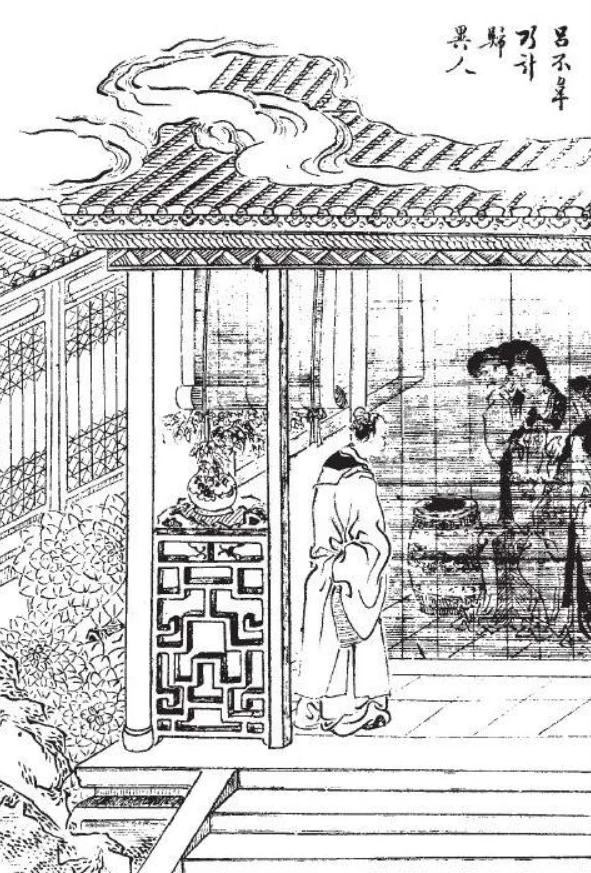
249 BCE–247 BCE
Emperor
King Zhuangxiang of Qin
嬴子楚
Served as a hostage in Zhao, became crown prince with Lü Buwei's assistance, and later ascended the throne; father of Qin Shi Huang.
249 BCE–247 BCEQin Dynasty
PROFILE
Served as a hostage in Zhao, became crown prince with Lü Buwei's assistance, and later ascended the throne; father of Qin Shi Huang.
- Other names
- Ying Zichu, Ying Yiren
- Period
- Qin
- Date of Birth
- 281 BCE
- Date of Death
- 247 BCE
- Dynasty/State
- Qin
- Identity
- Emperor
- Ethnicity
- Not recorded in historical sources
- Ancestral home
- Not recorded in historical sources
- Place of birth
- Not recorded in historical sources
- Reign
- Not recorded in historical sources
- Predecessor
- King Zhaoxiang of Qin (Ying Ji)
- Successor
- King Zheng of Qin, later Qin Shi Huang
- Era name
- Not recorded in historical sources
- Temple name
- Not recorded in historical sources
- Posthumous name
- Zhuangxiang
- Major achievements
- Served as a hostage in Zhao, became crown prince with Lü Buwei's assistance, and later ascended the throne; father of Qin Shi Huang.
LIFE TIMELINE
In his youth | In his youth, because neither he nor his mother was favored, he was sent to Handan in Zhao as a hostage and lived in hardship and frustration.
Around age twenty | Around age twenty, met the wealthy merchant Lü Buwei in Handan. Lü Buwei regarded him as a “rare commodity worth hoarding,” and the two formed a political alliance; Lü Buwei gave him Lady Zhao, who later bore Ying Zheng.
Age 24 | At age twenty-four, while Qin besieged Handan and the king of Zhao wished to kill him, he and Lü Buwei bribed a guard with six hundred jin of gold and escaped back to Qin. Wearing Chu clothing, he met Lady Huayang, was adopted by her, and changed his name to Zichu.
Age 30 | At age thirty, King Zhaoxiang died and Lord Anguo became King Xiaowen of Qin. Zichu was made crown prince; the king of Zhao returned his wife Lady Zhao and son Ying Zheng.
Age 31 | At age thirty-one, King Xiaowen died suddenly three days after his formal accession. Zichu became King Zhuangxiang of Qin; he honored Lady Huayang as Queen Dowager Huayang and his birth mother Lady Xia as Queen Dowager Xia; he appointed Lü Buwei xiangbang and enfeoffed him as Marquis Wenxin.
Age 32 | At age thirty-two, ordered Lü Buwei to destroy the Eastern Zhou state and relocate its ruler to Yangrenju while preserving his sacrifices; ordered Meng Ao to attack Han, taking Chenggao and Gong and establishing Sanchuan Commandery.
Age 33 | At age thirty-three, ordered Meng Ao to attack Zhao, pacifying Taiyuan and taking Yuci, Xincheng, Langmeng, and thirty-seven other cities.
Age 34 | At age thirty-four, ordered Meng Ao to attack Wei and take Gaodu and Ji, while Wang He attacked Shangdang; Taiyuan Commandery was established. Lord Xinling of Wei led a five-state coalition that defeated Qin south of the Yellow River, forcing Qin to retreat to Hangu Pass. In the fifth month the king died of illness at age thirty-five and was buried at Zhiyang; his son Ying Zheng succeeded him.
BCE(the 26th year of the reign of Emperor Huang the First Emperor
221 BCE(the 26th year of the reign of Emperor Huang the First Emperor of Qin) | Posthumously | Posthumously, after King Zheng unified the six states and proclaimed himself emperor, he honored King Zhuangxiang as Taishang Huang.
BIOGRAPHY
Biography
Family Background and Early Life
King Zhuangxiang of Qin was originally named Yiren. He was a grandson of King Zhaoxiang of Qin and a son of Crown Prince Lord Anguo. Lord Anguo had more than twenty sons, and Yiren's mother Lady Xia was not favored, leaving mother and son in a low position within the palace. At the time Qin's relations with the eastern states were tense, and states frequently exchanged hostages, usually sending less-favored princes. Yiren was therefore sent to Handan, the capital of Zhao, as a hostage—nominally a diplomatic representative but in practice a dispensable prince.
Relations between Qin and Zhao were extremely hostile. At the Battle of Changping, the Qin commander Bai Qi had massacred 400,000 surrendered Zhao soldiers, creating deep enmity between the two states. Qin repeatedly attacked Zhao, and the people of Zhao naturally treated the Qin hostage poorly. Yiren lived in severe hardship in Handan. The “Biography of Lü Buwei” in Records of the Grand Historian states that his “carriages and daily provisions were inadequate; his lodging was difficult, and he was frustrated,” meaning that even transport and everyday necessities were scarce. Although a Qin prince, he was stranded in an enemy state with little prospect for the future.
The Handan Encounter and Political Gamble
Lü Buwei, a wealthy merchant from Wey, was doing business in Handan and had accumulated a fortune of a thousand jin. After seeing Yiren, he judged him to be a “rare commodity worth hoarding”: if he could help Yiren become ruler of Qin, the returns would be enormous. Lü Buwei visited Yiren and said he could bring glory to Yiren's household. Yiren initially laughed and replied that Lü Buwei should first bring glory to his own household. Lü Buwei answered, “My household must wait until yours has become great before it can become great.” Yiren understood his implication, spoke with him at length, and the two formed a political alliance. Yiren promised to share the state with him if the plan succeeded.
Lü Buwei then provided Yiren with five hundred jin of gold for living expenses and for cultivating guests, and spent another five hundred jin on rare goods and valuables before traveling west to Qin. Through Lord Yangquan, Lady Huayang's younger brother, and her elder sister, he obtained access to Lady Huayang. Lady Huayang was Lord Anguo's most favored consort but had no children. Lü Buwei praised Yiren's worth before her, saying that he regarded her as his own mother and wept day and night longing for the crown prince and Lady Huayang. He also had Lord Yangquan and others warn her that because she was childless, she might lose security when she grew old and her beauty faded, and that she should adopt Yiren and make him heir. Persuaded, Lady Huayang tearfully urged Lord Anguo to designate Yiren as successor. Lord Anguo agreed, and he and Lady Huayang engraved a jade tally as a pledge, formally establishing Yiren as heir and asking Lü Buwei to serve as his tutor. Yiren's reputation among the states consequently grew.
Escape to Qin and Renaming as Zichu
In 257 BCE, the fiftieth year of King Zhaoxiang, the Qin commander Wang Yi besieged Handan. King Xiaocheng of Zhao, enraged, wished to kill the hostage Yiren. Lü Buwei and Yiren plotted together and used six hundred jin of gold to bribe the guards. Yiren escaped Handan and entered the Qin army, returning to Qin. Zhao then intended to kill Yiren's wife Lady Zhao and their son Ying Zheng, but because Lady Zhao was the daughter of a wealthy Zhao household, mother and son were hidden and survived.
Lü Buwei knew that Lady Huayang was from Chu and arranged for Yiren to wear Chu-style clothing when he met her after returning. Lady Huayang was deeply moved, regarded him as intelligent and respectful of ritual, formally adopted him, and renamed him “Zichu.” Strategies of the Warring States records: “When Yiren arrived, Buwei had him appear in Chu clothing. The queen was pleased with his appearance and admired his understanding, saying, ‘I am a person of Chu.’ She adopted him as her son and changed his name to Chu.”
Accession
In 251 BCE, the fifty-sixth year of King Zhaoxiang, King Zhaoxiang died and Crown Prince Lord Anguo succeeded as King Xiaowen of Qin. Lady Huayang became queen, and Zichu was made crown prince. Seeking improved relations, Zhao sent envoys to escort Zichu's wife Lady Zhao and their son Ying Zheng back to Qin.
In 250 BCE, the first year of King Xiaowen, King Xiaowen died suddenly after only three days of formal rule following the mourning period. Zichu became king of Qin as King Zhuangxiang. He honored his adoptive mother Lady Huayang as Queen Dowager Huayang and his birth mother Lady Xia as Queen Dowager Xia. He appointed Lü Buwei xiangbang, enfeoffed him as Marquis Wenxin, and granted him a fief of 100,000 households around Luoyang in Henan.
In 249 BCE, the first year of King Zhuangxiang, he proclaimed a general amnesty, honored meritorious officials of earlier kings, favored the royal clan, and extended benefits to the people. That same year, Duke Wen of Eastern Zhou plotted with other lords to attack Qin. On learning of the plan, King Zhuangxiang ordered Lü Buwei to destroy Eastern Zhou and relocate its ruler to Yangrenju, in what is now western Linru County, Henan. He did not abolish the ruler's sacrifices and granted him land at Yangren for ancestral rites. The last remaining political fragment of the Zhou house was thereby eliminated.
External Expansion and Death
King Zhuangxiang's three-year reign saw frequent military activity. In the first year (249 BCE), he ordered Meng Ao to attack Han. Han ceded Chenggao and Gong, and Qin established Sanchuan Commandery there, pushing its frontier close to Daliang, the Wei capital. In the second year (248 BCE), he ordered Meng Ao to attack Zhao and seize Taiyuan, Yuci, Xincheng, Langmeng, and thirty-seven other cities. In the third year (247 BCE), Meng Ao took Gaodu and Ji from Wei while Wang He attacked Shangdang, and Qin established Taiyuan Commandery.
In the third year of King Zhuangxiang, however, Lord Xinling of Wei assembled a coalition of Yan, Zhao, Han, Wei, and Chu and defeated Qin south of the Yellow River. Meng Ao retreated, and the coalition pursued the Qin army as far as Hangu Pass, where Qin closed the pass and refused battle. The victory made Lord Xinling famous throughout the realm. Angered by the defeat, King Zhuangxiang intended to detain Crown Prince Zeng of Wei, then a hostage in Qin, but abandoned the idea after being advised against it.
In the fifth month of 247 BCE, the third year, King Zhuangxiang died of illness at the age of thirty-five and was buried at Zhiyang, in the eastern part of today's Chang'an District of Xi'an. His son Ying Zheng succeeded him and later became Qin Shi Huang. After King Zheng unified the six states and proclaimed himself emperor, he posthumously honored King Zhuangxiang as Taishang Huang.
Major Activities
Political Measures
After accession, King Zhuangxiang proclaimed a general amnesty, honored meritorious servants of former kings, treated royal relatives generously, and extended benefits to the people, measures intended to stabilize internal politics and win the support of the royal clan and established officials. He honored Lady Huayang as Queen Dowager Huayang and his birth mother Lady Xia as Queen Dowager Xia, balancing the interests of his adoptive and biological maternal lines. He appointed Lü Buwei xiangbang, enfeoffed him as Marquis Wenxin, and granted him an exceptionally large fief of 100,000 households in recognition of his role in securing the throne. Lü Buwei thereby took control of Qin's government and entered the period of his political dominance.
Destruction of Eastern Zhou
In 249 BCE, the first year of King Zhuangxiang, Duke Wen of Eastern Zhou conspired with other lords to attack Qin. King Zhuangxiang ordered Lü Buwei to destroy Eastern Zhou and relocate its ruler to Yangrenju, while preserving his sacrifices and granting him land at Yangren for ancestral rites. After the Western Zhou state had been destroyed by King Zhaoxiang in 256 BCE, Eastern Zhou was the last remnant of the Zhou political order; its destruction brought that remnant to an end. Politically, the act symbolized the conclusion of more than eight centuries of Zhou history.
Military Expansion
Qin's expansion continued during King Zhuangxiang's reign. In his first year Meng Ao attacked Han, taking Chenggao and Gong and establishing Sanchuan Commandery. In the second year Meng Ao attacked Zhao, pacified Taiyuan, and took thirty-seven cities. In the third year Meng Ao took Gaodu and Ji from Wei, while Wang He attacked Shangdang and Taiyuan Commandery was established. In only three years Qin expanded considerably eastward and northward, pushing its influence close to Daliang, the Wei capital. These campaigns further cleared the way for Qin Shi Huang's later unification of the six states.
Relationship with Lü Buwei
Lü Buwei was the key figure in transforming King Zhuangxiang from an impoverished hostage into ruler of Qin. He recognized Yiren's political value in Handan, invested heavily in him, traveled to Qin to persuade Lady Huayang, helped make Yiren the heir, and later assisted his escape during the siege of Handan. After accession, King Zhuangxiang rewarded him by appointing him xiangbang, enfeoffing him as Marquis Wenxin, and granting 100,000 households. Their relationship combined a durable political alliance with an exchange of interests. After King Zhuangxiang's death, Lü Buwei continued to assist the young King Zheng, was honored as “Second Father,” and dominated the court before ultimately becoming implicated in the Lao Ai rebellion and taking his own life.
Anecdote
According to Strategies of the Warring States, Yiren once addressed Lord Anguo during a moment of leisure: his father had once been detained in Zhao, and many leading men there knew his name. Now that his father had returned to Qin, they still thought of him, yet he had not sent even a single envoy to console them. Yiren feared they would become resentful and urged that the frontier gates be opened later and closed earlier as a precaution. Lord Anguo considered the argument sound and was surprised by Yiren's foresight. The episode portrays Yiren as capable of acute political observation despite his difficult circumstances.
His military and political acts can be set out by year: in 249 BCE he ordered Lü Buwei to destroy the Eastern Zhou state, moving its ruler to Yangrenju while leaving its sacrifices unbroken, and sent Meng Ao against Hann, taking Chenggao and Gong and establishing Sanchuan Commandery; in 248 BCE Meng Ao attacked Zhao, pacified Taiyuan and took thirty-seven towns including Yushe, Xincheng and Langmeng; in 247 BCE Meng Ao attacked Wei and took Gaodu and Ji, while Wang He attacked Shangdang and Taiyuan Commandery was established; in the same year Lord Xinling of Wei defeated a Qin army outside the passes with a five-state coalition, and the Qin forces withdrew behind the Hangu Pass. In the fifth month of that year he died at the age of thirty-five and was buried at Zhiyang, his son Ying Zheng succeeding him; after Ying Zheng unified the six states and took the imperial title he honoured his father as retired emperor. In three years he destroyed the Eastern Zhou, established two commanderies and twice took large territories from Zhao and Wei, leaving his son the military and institutional basis for unification.
Personal Relations
- Grandfather: King Zhaoxiang of Qin, Ying Ji
- Father: King Xiaowen of Qin, Ying Zhu (Lord Anguo)
- Birth mother: Lady Xia (later Queen Dowager Xia)
- Adoptive mother: Lady Huayang (later Queen Dowager Huayang)
- Wife: Lady Zhao (mother of Qin Shi Huang)
- Sons: Qin Shi Huang, Ying Zheng; Lord Chang'an, Chengjiao
- Lü Buwei: xiangbang and Marquis Wenxin; political ally and most important supporter
- Lord Yangquan: younger brother of Lady Huayang and one of the people lobbied by Lü Buwei
- Meng Ao: senior Qin general and principal commander during King Zhuangxiang's reign
- Wang He: Qin general who attacked Shangdang
- Duke Wen of Eastern Zhou: destroyed by Lü Buwei on King Zhuangxiang's order
- Lord Xinling, Wei Wuji: led the five-state coalition that defeated Qin south of the Yellow River
- King Xiaocheng of Zhao: wished to kill Yiren while he was a hostage in Handan
Historical Assessment
Late Warring States and Qin
- Records of the Grand Historian, “Basic Annals of Qin,” records that in King Zhuangxiang's first year he “granted amnesty to offenders, honored the meritorious ministers of former kings, extended favor to his kin, and bestowed benefits upon the people.” Sima Qian records these measures without explicit praise or blame, while describing the military expansion of the king's three-year reign in detail.
- Strategies of the Warring States, “Strategies of Qin,” records Lü Buwei's description of Yiren as a “rare commodity worth hoarding,” indicating that contemporaries regarded him as a politically valuable candidate for the succession.
- Qin posthumously honored him as Taishang Huang, showing the dynasty's respect for his status as the father of Qin Shi Huang.
Han Period
- In the “Biography of Lü Buwei,” Sima Qian gives a detailed account of Lü Buwei helping Yiren return to Qin and gain the throne. The portrait emphasizes Yiren's impoverished and frustrated condition and his reliance on Lü Buwei, implicitly suggesting limitations in his own political capacity.
- Records of the Grand Historian, “Basic Annals of Qin Shi Huang,” states that “King Zhuangxiang was a Qin hostage in Zhao; he saw Lü Buwei's concubine, was pleased with her, took her, and she bore the First Emperor.” Later controversy over Qin Shi Huang's parentage arose from this passage.
Song, Yuan, Ming, and Qing Periods
- Sima Guang followed the account in Records of the Grand Historian in Zizhi Tongjian, treating King Zhuangxiang relatively briefly and offering little direct evaluation.
- Ming and Qing scholars often concentrated on the question of Qin Shi Huang's parentage. Wang Shizhen of the Ming and Liang Yusheng of the Qing, among others, examined the account of Lü Buwei giving Lady Zhao to Yiren. In Shiji Zhiyi, Liang Yusheng questioned the claim that Lü Buwei had given Yiren an already pregnant concubine and argued that the Shiji account was not necessarily reliable.
- Chronicles of the Eastern Zhou Kingdoms depicts King Zhuangxiang as a ruler manipulated by Lü Buwei, with his accession surrounded by political intrigue.
Modern Period
- Modern scholars often evaluate King Zhuangxiang from the perspective of political history, arguing that although his reign was short, the destruction of Eastern Zhou and establishment of Sanchuan and Taiyuan commanderies accelerated Qin's path toward unification.
- The identity of Qin Shi Huang's biological father remains debated. Qian Mu examined the matter in Chronological Studies of the Pre-Qin Masters and considered the Shiji account of Lü Buwei giving Lady Zhao to Yiren questionable.
- Lin Jianming, in Draft History of Qin, regarded King Zhuangxiang himself as only moderately capable, with his historical position deriving chiefly from Lü Buwei's assistance and the achievements of his son Qin Shi Huang.
FIGURES ASSOCIATED WITH THIS DYNASTY
Bibliography
- Sima Qian, Records of the Grand Historian, vol. 5, “Basic Annals of Qin”
- Sima Qian, Records of the Grand Historian, vol. 85, “Biography of Lü Buwei”
- Lin Jianming, Draft History of Qin, Shanghai People's Publishing House, 1981
- Ma Feibai, Collected History of Qin, Zhonghua Book Company, 1982