Birth | Born into the Ashina ruling clan; his father was Qutlugh, founder of the Second Turkic Khaganate
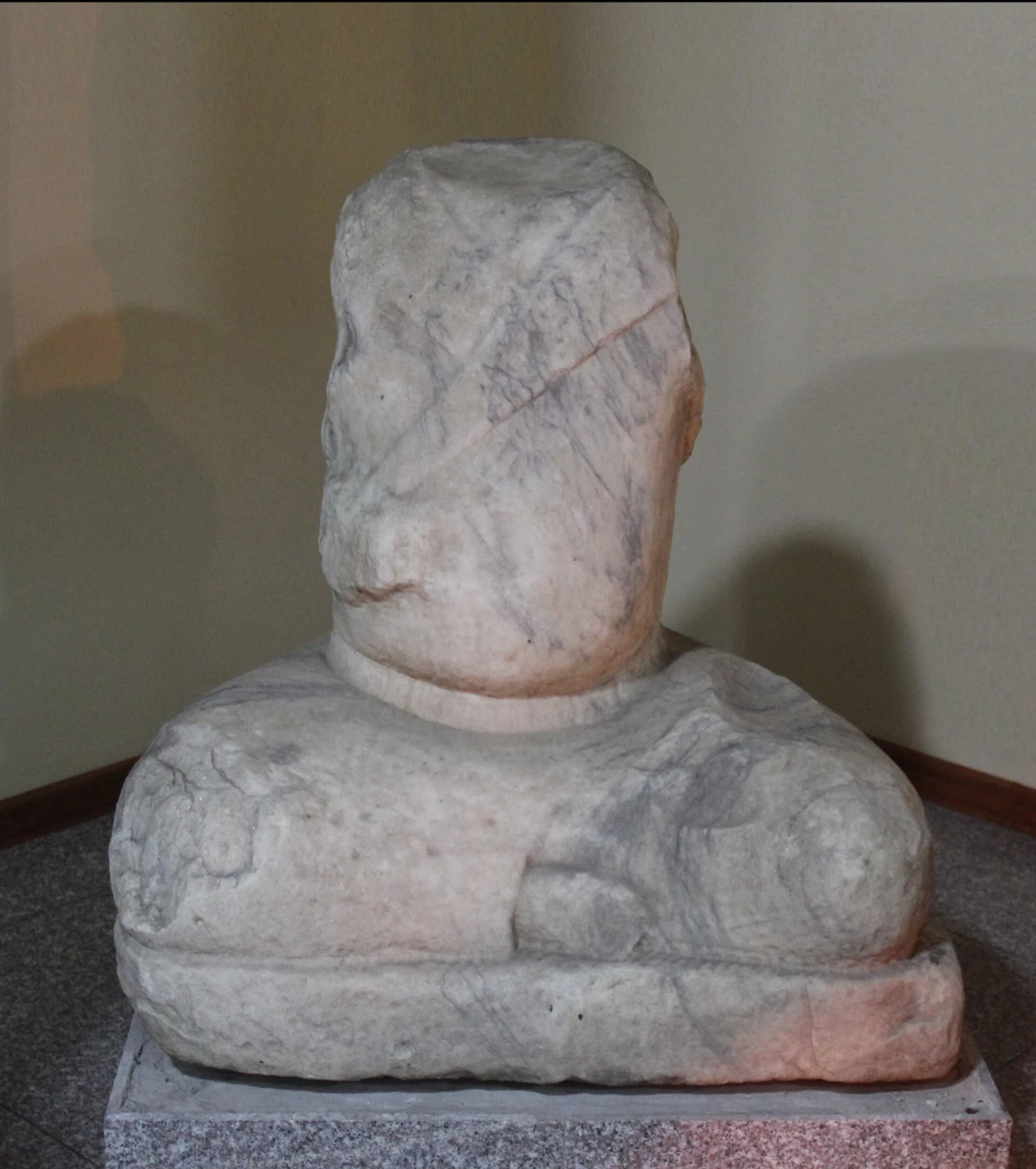
716 CE–734 CE
Khan
Ashina Mojilian
阿史那·默棘连
An able khan of the Second Turkic Khaganate, he maintained peaceful trade with Tang under Tonyukuk's guidance and presided over a revival of the khaganate in his later years.
716 CE–734 CETang Dynasty
PROFILE
An able khan of the Second Turkic Khaganate, he maintained peaceful trade with Tang under Tonyukuk's guidance and presided over a revival of the khaganate in his later years.
- Other names
- Mojilian, Bilge Khan
- Period
- Tang
- Date of Birth
- Not recorded in historical sources
- Date of Death
- Not recorded in historical sources
- Dynasty/Regime
- Tang
- Identity
- Khan
- Ethnicity/Group
- Göktürk
- Clan
- Ashina clan
- Native place
- Not recorded in historical sources
- Place of birth
- Not recorded in historical sources
- Reign
- Not recorded in historical sources
- Predecessor
- Ashina Fuju, the Tuoxi Khagan
- Successor
- Ashina Yiran, the Yiran Khagan
- Era name
- Not applicable (the regime to which he belonged did not use the Chinese imperial era-name system)
- Khan title
- Bilge Khan
- Major achievements
- An able ruler of the Second Turkic Khaganate who, with Tonyukuk's assistance, maintained peaceful trade with Tang and presided over a revival of the khaganate in his later years.
LIFE TIMELINE
Age thirteen | Appointed to a senior shad command on the right wing and campaigned east and west under his uncle Mo Chuo Khan
Age thirty-two | His younger brother Kül Tegin killed Inel Qaghan, son of Mo Chuo Khan, and enthroned Mojilian as Bilge Khan
Same year | Put Kül Tegin in charge of military forces and Tonyukuk in charge of strategy
Age thirty-six | Campaigned against the Basmyls, besieged Beiting, defeated Tang general Lu Gongli at Shandan, and raided Gansu and Liangzhou
Age thirty-seven | Sent envoys to Tang to seek peace
Age thirty-eight | Again sent envoys seeking peace and requesting a marriage alliance
Age forty | Sent envoys four times to request a marriage alliance
Age forty-three | Rejected a Tibetan proposal for a joint attack on Tang, informed Tang of it, and obtained permission for trade at the Surrender Cities
Age forty-seven | His younger brother Kül Tegin died; Tang sent envoys to mourn him and the Kül Tegin Inscription was erected
Age fifty | Poisoned by the minister Meilu Chuo; before the poison killed him he exterminated the minister's faction, and he died that same year
BIOGRAPHY
Biography
Family Background and Early Life
Bilge Khan belonged to the Ashina clan and was the son of Qutlugh, Ilterish Qaghan and founder of the Second Turkic Khaganate. The Second Turkic Khaganate was a revived Eastern Turkic polity. In 679, the first year of Tiaolu under Tang, Qutlugh took advantage of rebellion among Turkic groups that had submitted to Tang, established his headquarters at the Ötüken Mountains in what is now Mongolia's Khangai range, and rebuilt the Turkic khaganate. Bilge's mother was the khatun identified in the Chinese text as Guduolu Pofu Khatun, a daughter of the veteran statesman Tonyukuk.
In 697, the first year of Shengong, Bilge was thirteen and received the title Dadu Shad, described in Chinese historical texts as Right-Wing Ch'a and also as Lesser Shad. He thereafter followed his uncle Mo Chuo Khan on campaigns in all directions, taking part in twenty-five expeditions and thirteen battles, in all of which he was credited with military achievement. During Mo Chuo Khan's reign, the Second Turkic Khaganate reached the height of its power: it attacked the Khitan and Xi in the east, campaigned against the Kyrgyz and Türgesh in the west, and raided the Tang frontier in the south. Bilge accumulated extensive military experience in these campaigns.
Accession and Consolidation of Power
In 716, the fourth year of Kaiyuan, Mo Chuo Khan campaigned against the Bayïrqu and was killed on his return by a routed Bayïrqu warrior named Xielüe. Mo Chuo's son Inel Qaghan succeeded him. Bilge's younger brother, the Right Wise Prince Kül Tegin, rejected Inel's accession, raised troops, killed Inel and his close followers, and placed his elder brother Mojilian on the throne as Bilge Khan. Bilge was thirty-two at the time.
After taking power, Bilge Khan sought to consolidate the regime. He appointed Kül Tegin Left Wise Prince and placed him in overall command of the army. He also employed Tonyukuk, who had served at Mo Chuo's court, as his chief strategist and recalled scattered followers. Tonyukuk, already in his seventies, was renowned for his judgment and became Bilge's most important adviser. Under Tonyukuk's influence, Bilge abandoned Mo Chuo's policy of almost constant warfare against Tang and adopted a strategy combining war and diplomacy but giving priority to peace.
Transformation of Relations with Tang
In 720, the eighth year of Kaiyuan, Bilge Khan responded to an invitation from the Basmyls by campaigning against them, besieged the Beiting Protectorate, and raided Ganzhou and Liangzhou. Emperor Xuanzong of Tang ordered the eunuch Zhao Huicong, Censor-in-Chief Wang Jun, and others to lead forces against the Turks. The armies met at the Yudu Jin Mountains, a branch of the modern Khangai range, where Tang suffered a major defeat. Bilge seized tens of thousands of sheep and horses as well as the Qibi people of Liangzhou who had previously submitted to Tang.
Tonyukuk, however, argued that “the Tang ruler is vigorous, the people are harmonious, and the harvests are abundant,” and that it was unwise to make Tang a long-term enemy. After his victory Bilge therefore sought peace and asked to “serve the Son of Heaven as a father.” In 721, 722, and 724 he repeatedly sent envoys seeking peace and requesting marriage alliances. In 727, the Tibetan Empire proposed that Bilge join in an attack on Tang. Bilge not only refused but sent the minister Meilu Chuo to inform Tang of the proposal. Emperor Xuanzong approved, and relations between the two states improved. Tang permitted trade at the Surrender Cities and annually supplied large quantities of silk, strengthening the Turkic economy.
Final Years and Assassination
In 731, the nineteenth year of Kaiyuan, Kül Tegin died. Bilge Khan was deeply grieved. Tang sent a special embassy to offer condolences and dispatched artists to assist in erecting the Kül Tegin Inscription. Kül Tegin's death deprived Bilge of his strongest military supporter.
In 734, the twenty-second year of Kaiyuan, the powerful minister Meilu Chuo poisoned Bilge Khan. Bilge survived long enough to have Meilu Chuo's faction exterminated, but died from the poison later that year after a reign of nineteen years. Emperor Xuanzong sent envoys to offer sacrifices and ordered the erection of a stele and temple. The Turks inscribed their text in Old Turkic beside the Chinese inscription, producing the famous Bilge Khan Inscription. After Bilge's death, his sons Yiran Qaghan and Dengli Qaghan succeeded in turn, and the Second Turkic Khaganate entered a period of decline.
Major Activities
Revival of the Second Turkic Khaganate
During Bilge Khan's reign, he recalled scattered followers and relied heavily on the veteran Tonyukuk, stabilizing the political disorder that followed Mo Chuo Khan's death. In 720 he inflicted a major defeat on Tang forces and restored the prestige of the Turkic khaganate. Thereafter, peaceful trade with Tang brought a period in which, as the Chinese source describes it, “the peoples of the frontier and China could live in one place, sustain themselves by raising livestock, and cultivate grain.” Under Bilge's rule, the Second Turkic Khaganate reached a new peak.
War and Peace with Tang
Bilge Khan's early reign included military conflict with Tang. In 720 he besieged Beiting, raided Ganzhou and Liangzhou, and defeated Tang general Lu Gongli at Shandan. Following Tonyukuk's advice, he then altered his policy and repeatedly sent envoys to seek peace and marriage alliances. In 727 he rejected the Tibetan Empire's proposal for joint war against Tang and informed the Tang court, earning Emperor Xuanzong's approval. During the Kaiyuan era, trade between Tang and the Turks flourished, with the Surrender Cities serving as important markets.
Relations with Neighboring Peoples
Bilge Khan married his sister to the Kyrgyz khan, arranged for his son to marry a daughter of a Türgesh khan, and married one of his own daughters to the Türgesh ruler Suluk Qaghan, using marriage alliances to strengthen relations with neighboring peoples. At the same time he continued to wage war against surrounding groups. He campaigned against the Basmyls in 720, against the Khitan and Xi in 721 and 722, and in 730 joined the Khitan in attacking the Xi. These campaigns were directed primarily against groups that had once been subordinate to the Turks.
Surviving Inscriptions
After Kül Tegin's death in 731, Tang sent artists to assist the Turks in erecting the Kül Tegin Inscription. After Bilge Khan's death, Tang likewise assisted in erecting the Bilge Khan Inscription. Both monuments bear Turkic and Chinese texts. They are among the most important primary sources for the history of the Second Turkic Khaganate and became key documents in the decipherment and study of Old Turkic writing.
Personal Relations
- Father: Qutlugh (Ilterish Qaghan), founder of the Second Turkic Khaganate
- Mother: Guduolu Pofu Khatun, daughter of Tonyukuk
- Uncle: Mo Chuo Khan, second khan of the Second Turkic Khaganate
- Younger brother: Kül Tegin, Right Wise Prince and commander of the army
- Sons: Yiran Qaghan and Dengli Qaghan
- Daughter: Princess Daluo
- Tonyukuk: maternal grandfather-in-law and chief strategist; veteran statesman of the Second Turkic Khaganate
- Meilu Chuo: minister who later poisoned and killed Bilge Khan
- Emperor Xuanzong of Tang: maintained peaceful trade relations with Bilge and granted him Tang recognition
Historical Assessment
Tang / Contemporary
- Emperor Xuanzong sent envoys to mourn Bilge, and ordered a stele and temple erected in his honor.
- The Old Book of Tang, in its biography of the Turks, describes him as “benevolent toward friends, yet fond of warfare,” acknowledging both his humane disposition and the intensity of his campaigns.
- Tonyukuk argued that “the Tang ruler is vigorous, the people are harmonious, and the harvests are abundant,” and advised against war with Tang. Bilge accepted the advice and restored friendly relations.
Song and Yuan Periods
- The New Book of Tang, in its biography of the Turks, describes Bilge as “benevolent toward friends” and generally approves of his policy of peace with Tang.
- Song historians discussing Tang-Turkic relations often presented Bilge as an example of a cooperative ruler, in contrast to the defiance of Mo Chuo Khan.
- When annotating the Comprehensive Mirror in Aid of Governance, the Yuan scholar Hu Sanxing judged Bilge's refusal of the Tibetan alliance and his disclosure of it to Tang as showing that he “understood the larger situation.”
Ming and Qing Periods
- Gu Zuyu's early Qing Essentials of Historical Geography mentions the prosperity of Tang-Turkic frontier trade during Bilge Khan's period when discussing northern frontier geography.
- Qing scholars catalogued and studied the Bilge Khan Inscription, laying foundations for later Turkological research.
Modern Assessments
- Turkologists generally regard Bilge Khan as one of the most capable rulers of the Second Turkic Khaganate and his reign as a high point of the state.
- Japanese scholars including Mamoru Mori have argued that Bilge's peaceful foreign policy enabled the Second Turkic Khaganate to secure practical benefits in its relations with Tang.
- The discovery and decipherment of the Bilge Khan Inscription made him one of the central figures in the study of Old Turkic inscriptions.
FIGURES ASSOCIATED WITH THIS DYNASTY
Bibliography
- Old Book of Tang, vol. 194A, “Biography of the Turks, Part One”
- New Book of Tang, vol. 215B, “Biography of the Turks, Part Two”
- Sakaguchi Tōru, Yamada Nobuo, and Mori Mamoru, trans. and annot., Chronicle of the Horse-Riding Peoples 2: Official Histories of the Northern Barbarians (Heibonsha, 1972)