Birth in Tianshui
Born in Shanggui, Tianshui Commandery; cultivated bravery, strategic vision, and frontier ambitions.
段会宗
Duan Huizong (84–10 BCE), styled Zisong, was a native of Shanggui County in Tianshui Commandery (present-day Tianshui City, Gansu Province). He was a distinguished general, diplomat, and Protector General of the Western Regions during the reigns of Emperor Yuan and Emperor Cheng of the Western Han dynasty, ennobled as a Marquis Within the Passes. Alongside Zheng Ji, Fu Jiezi, Gan Yanshou, and Chen Tang, he stands as one of…
Duan Huizong (84–10 BCE), styled Zisong, was a native of Shanggui County in Tianshui Commandery (present-day Tianshui City, Gansu Province). He was a distinguished general, diplomat, and Protector General of the Western Regions during the reigns of Emperor Yuan and Emperor Cheng of the Western Han dynasty, ennobled as a Marquis Within the Passes. Alongside Zheng Ji, Fu Jiezi, Gan Yanshou, and Chen Tang, he stands as one of the most formidable frontier commanders who secured the ancient Silk Road and consolidated Han imperial sovereignty over Central Asia. In his early career, Duan Huizong served as Magistrate of Duling, achieving high renown in the imperial capital for his firm and lucid administrative governance. In 33 BCE (the first year of Jingning), upon the accession of Emperor Cheng, the five supreme ministerial offices—led by Chancellor Kuang Heng, Grandee Secretary Li Yanshou, and Grand General Wang Feng—jointly recommended Duan Huizong to assume the supreme frontier post of Protector General of the Western Regions, concurrently appointing him Cavalry Commandant and Grand Palace Grandee. Stationed at Wulei, Duan Huizong pacified the oasis city-states with strict military discipline and unswerving integrity, winning profound respect across the thirty-six realms. In 23 BCE, following an unprecedented joint petition submitted to Chang'an by the rulers of the Western Regions pleading for his return, Emperor Cheng reappointed him Protector General. Hearing the news, Central Asian rulers welcomed his return, and the Crown Prince of Kangju sought submission with over ten thousand followers. Duan Huizong's most daring military feat occurred during his interventions in the Kingdom of Wusun. In 11 BCE, Prince Fanqiu of Wusun allied in treacherous regicide against pro-Han royal heirs. Determined to avoid alerting the rebels through massive troop mobilizations, Duan Huizong left the main army behind and spearheaded a raid into the heart of the Wusun royal camp with only thirty elite crossbowmen. Summoning Fanqiu into his tent, Duan Huizong proclaimed the imperial execution decree and decapitated the rebel prince with his own sword. Surrounded by thousands of hostile Wusun cavalry, Duan Huizong invoked the supreme might of the Han Empire and recalled the severed heads of the King of Dayuan and the Zhizhi Chanyu hung in Chang'an, overawing the tribal army into weeping submission and lifting their siege. For this extraordinary audacity, Emperor Cheng ennobled him as a Marquis Within the Passes. In 10 BCE, the seventy-five-year-old commander died on active duty during another mission in Wusun, and the oasis kingdoms observed public mourning and erected ancestral shrines in his honor.
Born in Shanggui, Tianshui Commandery; cultivated bravery, strategic vision, and frontier ambitions.
Elevated from Magistrate of Duling to Protector General of the Western Regions by joint ministerial memorial.
Besieged by rebellious Wusun troops; lifted the siege through superior tactical cunning before reinforcements arrived.
Western kingdoms petitioned the throne for his return; reappointed Protector General by Emperor Cheng.
Appointed Grand Palace Grandee to settle Wusun succession disputes, establishing Mozhenjiang as ruler.
Led thirty elite crossbowmen into Wusun, decapitated the rebel prince Fanqiu, and received a marquisate.
Passed away on active duty in Wusun at age seventy-five; honored with shrines across the Western Regions.
Duan Huizong was born in Shanggui County of Tianshui Commandery. Since the Warring States and Qin-Han eras, Tianshui had stood as an indispensable bastion defending the northwest against nomadic incursions. Its inhabitants were steeped in martial valor and horsemanship. Naturally candid, resolute, and ambitious, Duan Huizong was described as dedicated to noble principles and eager for military glory, aspiring from his youth to emulate the frontier exploits of Wei Qing and Huo Qubing.
Entering civil service, Duan Huizong was appointed Magistrate of Duling, the metropolitan county surrounding the tomb park of Emperor Xuan. In this demanding post, surrounded by imperial kin and haughty aristocrats, he governed with strict impartiality and remarkable acumen, earning widespread admiration in Chang'an. In 33 BCE, upon Emperor Cheng's enthronement, Central Asian affairs were destabilized by tribal unrest. The five senior ministries—headed by Chancellor Kuang Heng, Grandee Secretary Li Yanshou, General of Chariots and Cavalry Xu Jia, Grand General Wang Feng, and General of the Right Wang Shang—jointly petitioned Emperor Cheng, unanimously recommending Duan Huizong as the sole administrator capable of mastering the Western Regions. Emperor Cheng appointed him Protector General of the Western Regions, Cavalry Commandant, and Grand Palace Grandee.
Arriving at the Protectorate headquarters in Wulei (northeast of modern Luntai, Xinjiang), Duan Huizong exercised firm administrative oversight and enforced strict discipline. He protected the Silk Road caravans, arbitrated inter-state disputes, and suppressed secret contacts with the Xiongnu. In the winter of 29 BCE, a sudden tribal rebellion in Wusun resulted in his small garrison being encircled at the fortress of Chigu. Duan Huizong dispatched couriers on swift post-horses to request imperial aid; yet within four days, before imperial directives could arrive, he exploited terrain advantages and diplomatic division among the tribal chieftains to break the siege independently. Returning to the capital after his three-year tour, he was appointed Governor of Pei Commandery and subsequently Governor of Yanmen, before retiring temporarily due to statutory infractions.
During Duan Huizong's retirement, the Central Asian frontier faced fresh turmoil. In 21 BCE, Wushoujiu, the Lesser Kunmi of Wusun, passed away. His son Fuli assumed power but was promptly assassinated by his younger brother Rier, plunging the steppe confederation into brutal civil war.
Recognizing that ordinary civil bureaucrats lacked the commanding aura necessary to manage turbulent nomadic chieftains, the monarchs of the thirty-six oasis kingdoms of the Western Regions took the extraordinary step of sending a joint delegation to Chang'an with an imperial petition: "The peoples and officials of the Western Regions have long experienced the benevolent virtue and military majesty of Former Protector General Duan Huizong. We pray that the Son of Heaven send Duan Huizong back to command us!" Such an unsolicited, unanimous request from foreign vassal states was unprecedented in Han history. Acceding to frontier sentiment, Emperor Cheng reappointed Duan Huizong as Protector General in 23 BCE.
Hearing of this reappointment, the renowned statesman Gu Yong addressed a thoughtful letter of counsel to Duan Huizong: "With your extraordinary talents, you could comfortably obtain a chancellor's seal in the capital. Why must you expend your declining years beneath the peaks of Kunlun, governing a hundred barbarian tribes? The extraordinary feats of Fu Jiezi, Zheng Ji, and Chen Tang cannot easily be repeated. I urge my friend to abide by routine conventions, refrain from pursuing hazardous glory, and cherish your physical life!" Despite his friend's solicitous advice, Duan Huizong affirmed that a statesman must spend his life in imperial service and set out across the desert.
When his carriage passed through Yumenguan, the rulers of the city-states dispatched their crown princes and royal sons tens of miles outside their city walls to kneel in formal welcome. Anri, the Lesser Kunmi whom Duan Huizong had previously sustained, brushed aside the objections of his tribal elders to journey in person to Qiuci to pay homage. During this second administration, Crown Prince Baosuni of Kangju, awed by Duan Huizong's imperial authority, submitted with over ten thousand nomadic horsemen, bringing peace to the western borderlands.
The crowning episode of Duan Huizong's martial career occurred when he was over seventy years of age, demonstrating peerless tactical audacity by striking into the Wusun steppe.
In 17 BCE, Lesser Kunmi Anri was assassinated by his own people, plunging the confederacy into anarchy. Emperor Cheng dispatched Duan Huizong as General of the Household of the Left Division and Grand Palace Grandee to pacify the realm. Duan Huizong established Mozhenjiang as Lesser Kunmi, stabilizing the crisis. However, Mozhenjiang proved treacherous; terrified of being absorbed by Greater Kunmi Cilimie, who was a direct descendant of the Han imperial princess Jieyou, he sent assassins to murder Cilimie before dying of illness himself. Enraged that the regicide had escaped punishment, Emperor Cheng in 11 BCE commissioned Duan Huizong to mobilize frontier garrisons and execute Mozhenjiang's heir, Crown Prince Fanqiu.
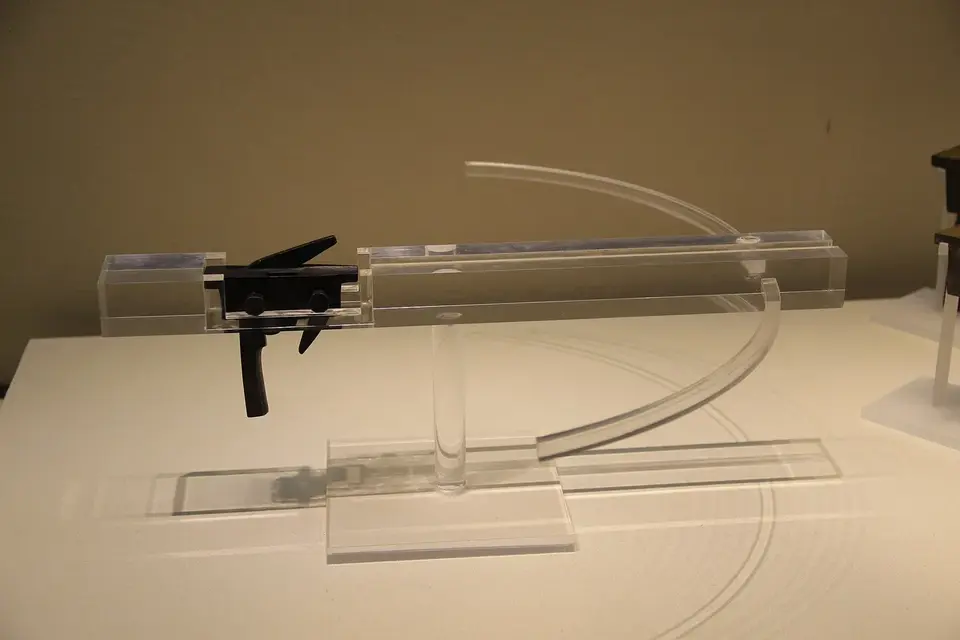
Advancing to the city of Dianlou, Duan Huizong made a brilliant strategic calculation: if a large imperial army marched into the steppe, Fanqiu would take warning and vanish into the boundless grasslands, making his capture impossible. Acting with decisive boldness, Duan Huizong ordered his main army to encamp at Dianlou, while he selected merely thirty elite mounted crossbowmen to make a rapid strike along concealed trails straight into the Wusun royal encampment.
Taking his seat in the command tent, Duan Huizong summoned Fanqiu before him. Unaware of the trap, the young prince entered the pavilion. Duan Huizong rose to his feet and denounced him: "Your father Mozhenjiang committed unpardonable treason by slaying the descendant of our Han princess! Today, your humble servant executes the sacred decree of the Great Han Emperor to claim your life!" Drawing his blade, Duan Huizong struck off Fanqiu's head before the assembled court.
Fanqiu's attendants fled in panic. Lesser Kunmi Wulimi, a nephew of the deceased prince, rallied several thousand armored nomadic cavalry and encircled Duan Huizong and his thirty soldiers with drawn bows.
Confronted by thousands of hostile horsemen, the elderly general stood calmly beside his chariot with his blood-soaked sword, rebuking the tribal host with thundering authority: "If you encircle and slaughter me today, to the Great Han it is less than plucking a single hair from a mighty ox! The severed heads of the King of Dayuan and the Zhizhi Chanyu hang to this day upon the gates of Chang'an—do you of Wusun not know the irresistible thunderbolts of the Heavenly Han!"
Terrified by this fierce invocation of imperial retribution, the Wusun commanders lowered their weapons and prostrated themselves in tears, acknowledging Fanqiu's guilt and ordering their cavalry to lift the siege. When news of this bloodless triumph reached Chang'an, the imperial court was awestruck. Emperor Cheng commended his valor, ennobling him as a Marquis Within the Passes and bestowing one hundred catties of gold.
In 10 BCE, further succession conflicts erupted within Wusun when Bei Yuanzhi, an uncle of the Lesser Kunmi, raised an insurrection. Recognizing that only Duan Huizong commanded the prestige required to stabilize the realm, Emperor Cheng dispatched him once more alongside Protector General Sun Jian.
Now seventy-five years old and exhausted by decades of grueling desert service, Duan Huizong accepted the imperial call without hesitation. While conducting negotiations within the nomadic encampments, he succumbed to illness in his military tent.
News of his demise brought profound grief across Central Asia. Rulers of the thirty-six oasis kingdoms suspended business, dispatched official delegations to observe funeral rites, and erected ancestral shrines across their respective capitals to offer perpetual sacrifices to the Han general. Through unyielding valor, integrity, and diplomatic brilliance, Duan Huizong safeguarded the Silk Road for generations, earning an enduring place among the greatest frontier heroes of the Han Empire.
Serving two terms as Protector General, Duan Huizong maintained profound integrity and tactical acumen. His exemplary administration prompted the thirty-six realms of the Western Regions to unite in petitioning the Han court for his reappointment, establishing a unique precedent in imperial frontier governance.
In 11 BCE, the septuagenarian general executed a daring strike with only thirty elite crossbowmen into the Wusun royal camp, executing the rebel prince Fanqiu. Surrounded by thousands of nomadic cavalry, he asserted imperial majesty to overawe the tribal host and safely withdrew without casualties.
Duan Huizong dedicated his life to frontier security, undertaking three pacification missions to Wusun and ultimately dying in the field at seventy-five. His memory was preserved across Central Asia, where local populations maintained shrines in his honor for generations.
FIGURES ASSOCIATED WITH THIS DYNASTY