Li Cunxu proclaimed himself emperor and established the Later Tang, then destroyed the Later Liang in the same year.
923 CE–936 CE
Later Tang
Concurrent polity后唐
The Later Tang (923 – 11 January 937) was a Five Dynasties regime in the Central Plains founded by the Shatuo Li clan. Its territory covered present-day Henan, Shandong, Shanxi, and Hebei, central Shaanxi, eastern Gansu, northern Hubei, and northern Anhui. Its founder Li Cunxu, eldest son of Li Keyong and a descendant of the Shatuo leadership, proclaimed himself emperor at Weizhou in 923, inaugurated the Tongguang era, and retained “Tang” as the state name. He soon destroyed the Former Liang…
923 CE–936 CECapital · See entry
ERA OVERVIEW
The Later Tang (923 – 11 January 937) was a Five Dynasties regime in the Central Plains founded by the Shatuo Li clan. Its territory covered present-day Henan, Shandong, Shanxi, and Hebei, central Shaanxi, eastern Gansu, northern Hubei, and northern Anhui. Its founder Li Cunxu, eldest son of Li Keyong and a descendant of the Shatuo leadership, proclaimed himself emperor at Weizhou in 923, inaugurated the Tongguang era, and retained “Tang” as the state name. He soon destroyed the Former Liang and established the capital at Luoyang, and the regime became known historically as the Later Tang. It had four emperors from three surnames and lasted for fourteen years. Although the ruling elite originated among the Shatuo, the source states that by this time they were widely regarded as Han Chinese, while the Khitans also referred to their state as a “Han state.” The Later Tang presented itself as restoring the Tang Dynasty and claimed the legitimate succession of Tang rule. Its political order, however, was marked by frequent changes of emperor, powerful soldiers and imperial guards, and increasing tension with the Khitans. It was ultimately destroyed by Shi Jingtang, a former Hedong commander who allied with the Khitans. The Later Tang, Later Liang, Later Jin, and other Five Dynasties regimes form part of the sequence of competing states whose rapid rise and fall illustrates the military struggle of the Five Dynasties period.
Time span923 CE–936 CE
CapitalSee entry
ERA TIMELINE
In the first month of 924, the Prince of Qi.
Guo Chongtao destroyed Former Shu, and the Later Tang reached the height of its prestige.
During the Xingjiao Gate Incident, Emperor Zhuangzong was killed and Li Siyuan became Emperor Mingzong.
In 927, people in neighborhood markets “ignored the regulations” requiring eighty cash to count as one hundred and instead converted short strings of cash to full strings; the court ordered that “the eighty-cash string must be used,” treating eighty cash as one hundred.
To encourage displaced households to return and restore agricultural production, the government ordered that returning households receive official certificates and be exempted from the Two-Tax levy and corvée obligations for two years.
In 929, within the former Tang Henan Circuit, the Later Tang maintained military commands including the Yiwu command at Bianzhou, Guide command at Songzhou, Yicheng command at Huazhou, Tianping command at Yunzhou, Taining command at Yanzhou, Pinglu command at Qingzhou, Wuning command at Xuzhou, and Zhongwu command at Xuzhou.
Li Congke, Military Commissioner of Fengxiang, rebelled; Emperor Min Li Conghou was deposed and killed, and Li Congke became the last emperor.
(third year of Qingtai; first year
936 (third year of Qingtai; first year of Later Jin Tianfu): Shi Jingtang joined with Khitan forces, entered Luoyang, and the last Later Tang emperor Li Congke burned himself to death, bringing the regime to an end.
FULL ENTRY
Overview
The Later Tang (923 – 11 January 937) was a Five Dynasties regime in the Central Plains founded by the Shatuo Li clan. Its territory covered present-day Henan, Shandong, Shanxi, and Hebei, central Shaanxi, eastern Gansu, northern Hubei, and northern Anhui. Its founder Li Cunxu, eldest son of Li Keyong and a descendant of the Shatuo leadership, proclaimed himself emperor at Weizhou in 923, inaugurated the Tongguang era, and retained “Tang” as the state name. He soon destroyed the Former Liang and established the capital at Luoyang, and the regime became known historically as the Later Tang. It had four emperors from three surnames and lasted for fourteen years. Although the ruling elite originated among the Shatuo, the source states that by this time they were widely regarded as Han Chinese, while the Khitans also referred to their state as a “Han state.” The Later Tang presented itself as restoring the Tang Dynasty and claimed the legitimate succession of Tang rule. Its political order, however, was marked by frequent changes of emperor, powerful soldiers and imperial guards, and increasing tension with the Khitans. It was ultimately destroyed by Shi Jingtang, a former Hedong commander who allied with the Khitans. The Later Tang, Later Liang, Later Jin, and other Five Dynasties regimes form part of the sequence of competing states whose rapid rise and fall illustrates the military struggle of the Five Dynasties period.
Historical Development
Establishment: The origins of the Later Tang extended back to the late Tang. During the Pang Xun Rebellion, the Tang court ordered the Shatuo leader Zhuye Chixin to help suppress the uprising, granted him the name Li Guochang, and entered him into the Tang imperial clan registers. His son Li Keyong later helped the Tang suppress the Huang Chao Rebellion, was appointed Military Commissioner of Hedong at Taiyuan, and in 895, the second year of Qianning, was promoted to Prince of Jin. This created a semi-independent Taiyuan-based power that some historians call Hedong or describe as a “former Jin” polity. In 907, the fourth year of Tianyou, Zhu Quanzhong usurped the Tang throne and established the Later Liang. Li Keyong continued to regard himself as part of the Tang imperial house, retained the Tang Tianyou era name, and used Taiyuan as a base from which he vowed to restore the Tang, becoming a leader among anti-Liang forces. Li Keyong died in 908, the fifth year of Tianyou, and his son Li Cunxu succeeded as Prince of Jin. Li Cunxu repeatedly defeated Later Liang armies and, after the death of Yang Shihou and a rebellion against Later Liang rule in Hebei in 915, occupied much of Hebei and confronted the Later Liang across the Yellow River. In 923, the twentieth year of Tianyou, Li Cunxu proclaimed himself emperor at Weizhou, adopted Tang as the state name, inaugurated the Tongguang era, and ended the predecessor Jin regime. In the same year his forces advanced on Bianjing, destroyed the Later Liang, established control over the Central Plains, and made Luoyang the capital. Li Cunxu became Emperor Zhuangzong of Later Tang.
Height: After establishing the capital at Luoyang, Emperor Zhuangzong attempted to restore the institutions and prestige of the Tang. In 925, the third year of Tongguang, he sent Guo Chongtao to attack Chengdu, and Former Shu was destroyed in less than seventy days. At this point, most Han Chinese regional states south of the Great Wall acknowledged Later Tang suzerainty, and the regime briefly became the strongest recognized power in the Han Chinese regions. Southern states feared that Central Plains armies might soon move south to eliminate the remaining regional regimes. Thereafter, however, Zhuangzong became increasingly arrogant and indulgent, favored eunuchs and court entertainers, and alienated veteran generals, intensifying internal tensions.
Turning Point: Empress Liu and the eunuchs had long been hostile toward Guo Chongtao and accused him before Zhuangzong, leading to Guo's wrongful execution. This triggered political turmoil and military rebellions across the empire within roughly a month and a half. Zhuangzong sent Li Siyuan, an adopted son of Li Keyong, to suppress rebellion in Hebei. With encouragement from Li Siyuan's son-in-law Shi Jingtang, the Hebei army rallied around Li Siyuan, who then advanced on Luoyang. Zhuangzong was killed by the court entertainer Guo Congqian during the Xingjiao Gate Incident. Li Siyuan succeeded him as Emperor Mingzong of Later Tang.
Decline: After taking the throne, Mingzong gradually restored some political stability and was credited with several governing achievements. However, Military Affairs Commissioner An Chonghui exercised great power and mishandled relations with Meng Zhixiang and Dong Zhang, driving them into joint rebellion. After defeating Later Tang armies, the two later fought each other, with Meng Zhixiang emerging victorious and laying the foundation for the later independence of Later Shu. In Mingzong's final years he became gravely ill. Prince of Qin Li Congrong believed that Mingzong had already died and attempted to enter the palace by force, but the attempt failed and Li Congrong was killed. Mingzong died soon afterward in shock. Senior officials installed Prince of Song Li Conghou as Emperor Min. Emperor Min attempted to reduce the power of regional commanders, provoking Li Congke, Prince of Lu, to rebel. The rebel army entered the capital; Emperor Min fled toward Hebei but was captured and killed by Li Congke's troops. Li Congke then took the throne as the last emperor. Around this period, Meng Zhixiang formally proclaimed himself emperor and established Later Shu.
Fall: The last emperor came into conflict with Shi Jingtang, Military Commissioner of Hedong at Taiyuan. In 936 he ordered Shi transferred to another command, provoking rebellion. The emperor sent an army against Taiyuan, and Shi Jingtang requested military support from the Khitans. Emperor Taizong of Liao, Yelü Deguang, personally led a major army south, inflicting a severe defeat on Later Tang forces. Some urged the last emperor to flee into Sichuan, but Later Shu had already proclaimed independence and this route was no longer available. On 11 January 937, the second year of Tianfu, Khitan and Shi Jingtang forces entered Luoyang. The last emperor burned himself to death, and the Later Tang was destroyed after four emperors and fourteen years. Shi Jingtang, supported by the Khitans, then established the Later Jin, bringing another change of regime in the Central Plains.
Politics and Institutions
Institutionally, the Later Tang broadly continued Tang precedents. The central government retained Grand Councilors and the Three Departments and Six Ministries, while local government maintained a combination of regional military commands and prefecture-county administration. Politics retained the strong military character of the late Tang and Five Dynasties. Because the Later Tang presented itself as restoring Tang legitimacy, it placed considerable importance on court ritual, era designations, and claims of dynastic succession. By the Later Tang period at the latest, the court associated itself with the Earth dynastic virtue, presenting the Later Tang and Tang as part of a single line of succession. It refused to recognize the Later Liang as legitimate and described itself as a “restoration,” while calling Liang “illegitimate.” Epitaphs from former Liang officials often avoided explicitly writing “illegitimate Liang,” whereas epitaphs of old Hedong followers used such terms more directly, reflecting differing attitudes among officials toward dynastic legitimacy. Frequent imperial succession, the political influence of palace armies, and the power of regional commanders repeatedly destabilized the regime and ultimately contributed to its fall.
Military and Foreign Relations
The Later Tang relied heavily on Hedong Shatuo cavalry and imperial army units and possessed one of the stronger military establishments among the Five Dynasties regimes. Zhuangzong's destruction of the Later Liang and Guo Chongtao's rapid conquest of Former Shu demonstrated its military effectiveness. Diplomatically, the Later Tang at one point received the submission of many Han Chinese regional states. Li Maozhen, Prince of Qi, as well as Wuyue, Chu, Jingnan, Min, and other southern states acknowledged its authority, while only Southern Han and Wu remained more resistant. Relations with the Khitans, however, shifted from armed balance to strategic disadvantage. In the last emperor's reign, Shi Jingtang invited Khitan military intervention, which directly led to the destruction of the Later Tang and significantly altered the subsequent balance between the Central Plains and the Khitan state.
Economy and Commerce
The Later Tang inherited a Central Plains economy damaged by Five Dynasties warfare, and agricultural recovery remained limited. Historical sources such as the Old History of the Five Dynasties indicate that it broadly continued Tang-era systems including the Two-Tax System and salt and iron monopolies to support military and governmental needs. Because the source record is limited on many detailed institutions and commercial practices, no further unsupported claims are made here.
Culture and Society
The Later Tang ruling house identified itself with Tang dynastic legitimacy, and many contemporaries also viewed it as the successor to Tang political orthodoxy. Emperor Zhuangzong at one point sought to restore the atmosphere and institutions of the Tang. The Shatuo ruling elite became increasingly sinicized, while Confucianism, Buddhism, and Daoism coexisted and court music, dance, and literature retained elements of Tang culture. Questions of legitimacy remained important. The Later Jin, which followed the Later Tang, issued an order in the sixth year of Tianfu to compile a history of the Tang extending in conception through the reign of Later Tang Emperor Mingzong, though the completed Old Book of Tang did not actually cover the Later Tang. Historical writing still described the Later Tang founding as a “restoration” and Li Siyuan as “Mingzong.” In the early Song, official terminology for Later Liang and Later Tang was further standardized. After the fall of the Later Tang, Li Bian founded Southern Tang in the southeast and claimed descent from Li Ke, Prince of Jian and a son of Emperor Xianzong of Tang, continuing the Tang state name. In the Qing period, Chen Zhan compiled the Continuation of the Book of Tang and likewise treated Later Tang and Southern Tang as inheriting Tang legitimacy and linking it to the Song.
Rulers and Political Leadership
Li Cunxu, Li Siyuan, Li Conghou, Li Congke.
> This section explains the rulers' positions in the evolution of the regime; full biographies are provided in the corresponding person entries.
Historical Assessments and Legacy
Many contemporaries regarded the Later Tang as the legitimate successor to the Tang and admired the military ability and rapid campaigns of its armies after it seized the Central Plains. Later historians have more often emphasized structural weaknesses such as military domination of politics, frequent changes of ruler, and the regime's deteriorating relationship with the Khitans. The Later Tang reached a high point of power but collapsed quickly because of divisions within its ruling elite and its dependence on military force. In narratives of legitimacy, it styled itself a “restoration” and denounced the Later Liang as illegitimate. The name “Later Tang” became increasingly standard thereafter and was formally established in Song-era historical writing, while later traditions placed the regime within the same Earth-virtue succession claimed by the Tang. The Later Jin continued some of its institutions and sponsored Tang historical compilation; Southern Tang revived the Tang state name and claimed Tang descent. These later developments show the enduring importance of Later Tang claims of legitimacy. Its rise and fall also exemplify the wider Five Dynasties pattern of military rule.
Rulers
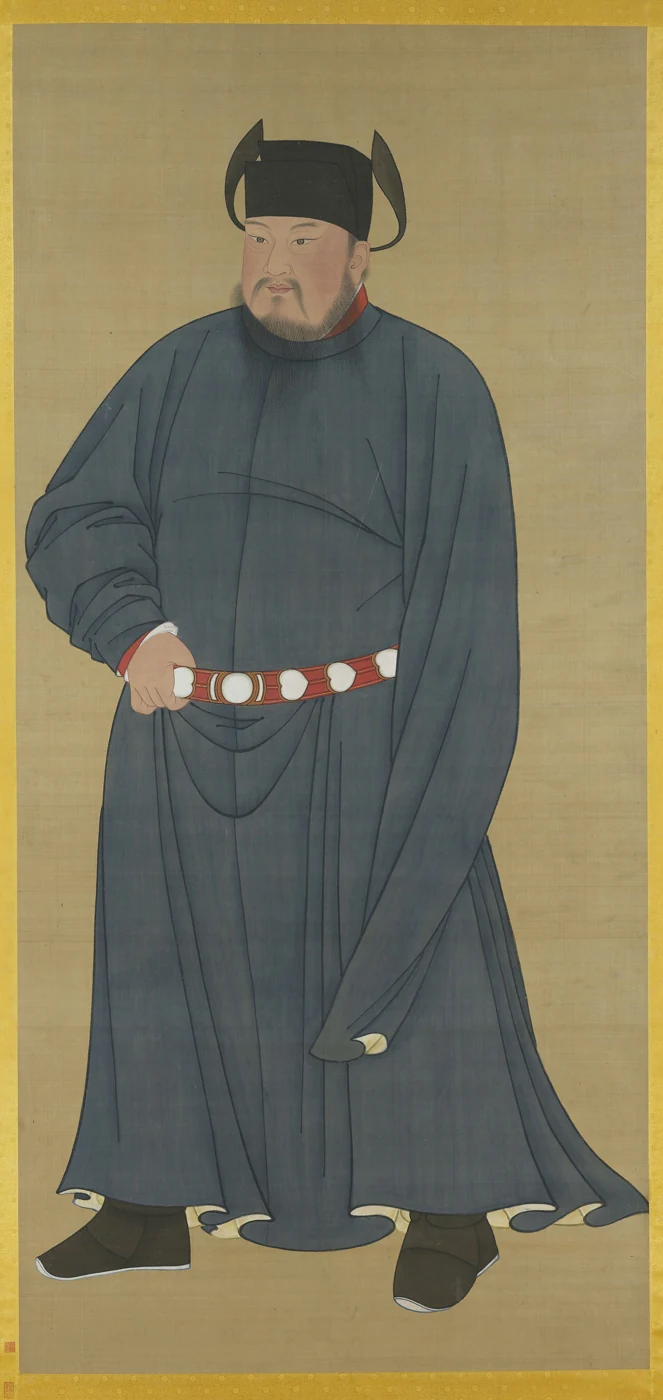 Later Tang
Emperor
Li Cunxu
Li Cunxu (December 2, 885–May 15, 926), childhood name Yazi, was a Shatuo leader whose clan originally bore the surname Zhuye and later used Li after his father Li Keyong had been granted that surname by the Tang court. He was the founding emperor of Later Tang in the Five Dynasties period, with the temple name Zhuangzong and the posthumous name Guangsheng Shenmin Xiao Huangdi. Famous for his military ability, he cam
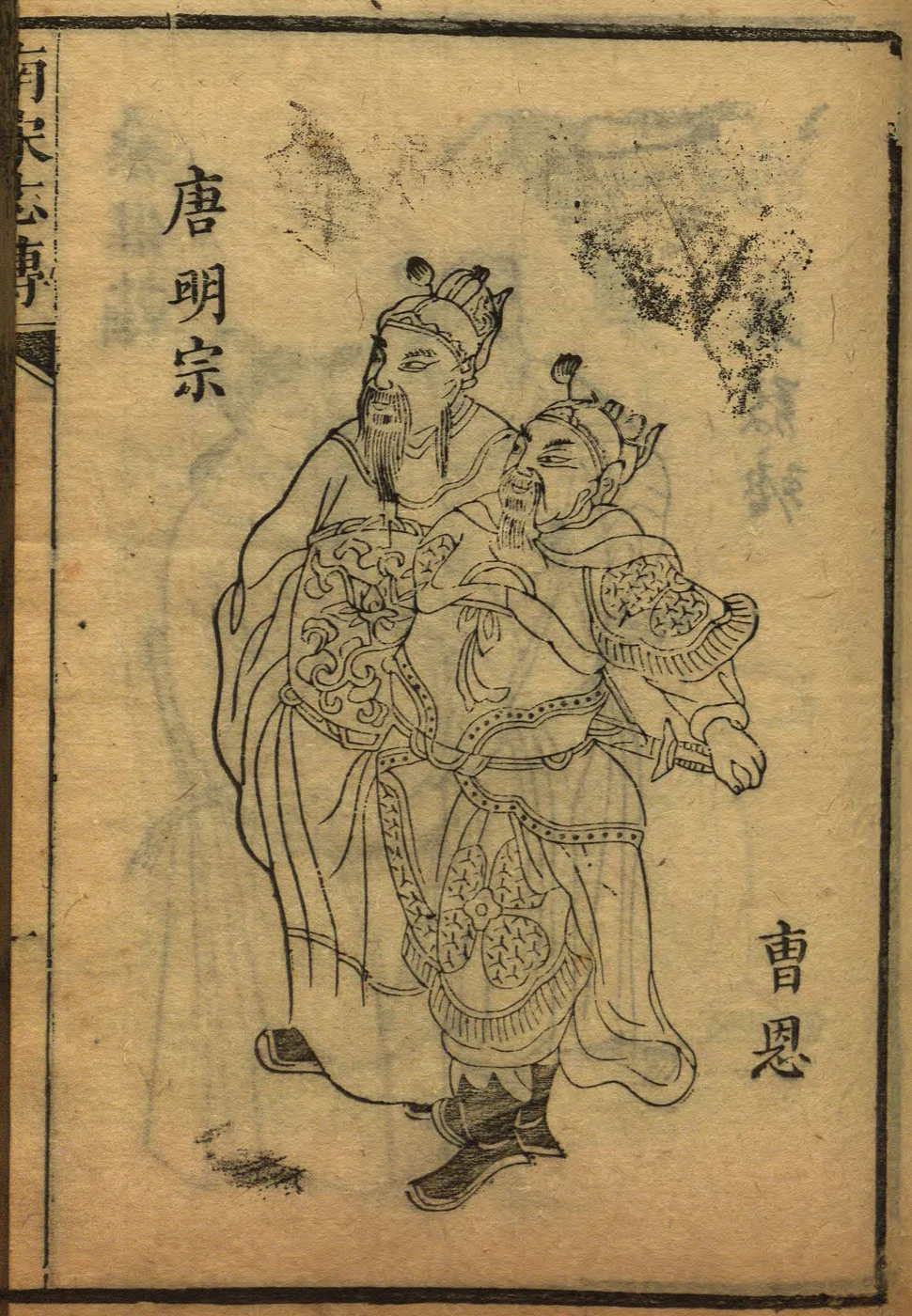 Later Tang
Emperor
Li Siyuan
Li Siyuan (October 10, 867–December 15, 933), whose childhood name was Miao Jilie and who changed his personal name to Li Dan after becoming emperor, was a Shatuo Turk from Jincheng County in Yingzhou, present-day Ying County, Shanxi. He was the second emperor of Later Tang during the Five Dynasties and Ten Kingdoms period and an adopted son of Li Keyong, military governor of Hedong. He reigned from 926, the first ye
Later Tang
Emperor
Li Congke
Li Congke (February 11, 885–January 11, 937), originally surnamed Wang, had the childhood name Ershisan and was also called Asan. He was from Pingshan County in Zhenzhou (present-day Pingshan, Hebei). He was the last emperor of Later Tang during the Five Dynasties and Ten Kingdoms period, an adopted son of Emperor Mingzong Li Siyuan, and the son of Empress Xuanxian, Lady Wei. Before his accession he held the title Pr
KEY PEOPLE
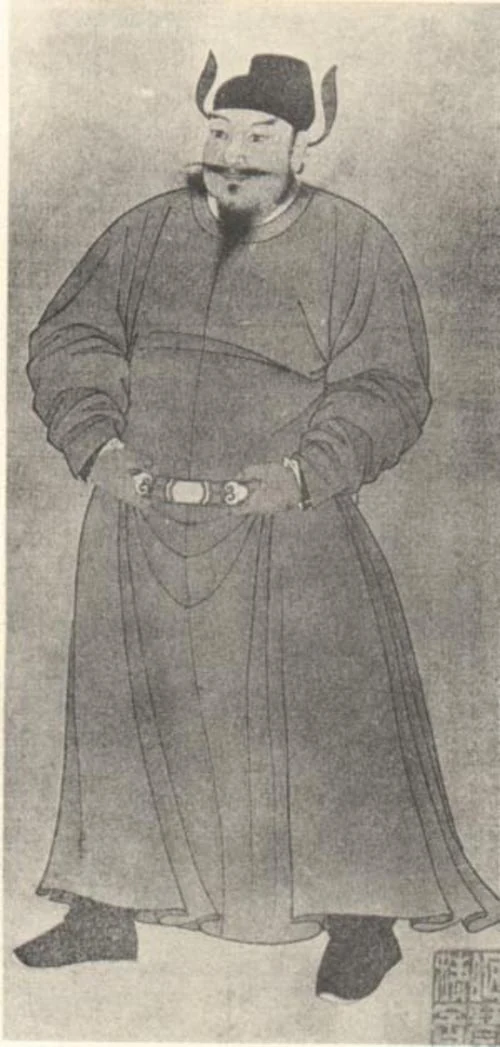 Later Tang
Prince of Jin
Li Keyong
Li Keyong was the Shatuo Prince of Jin and a lifelong opponent of Zhu Wen. Known as Duyanlong, he was posthumously honored as Emperor Taizu after his son Li Cunxu established Later Tang.
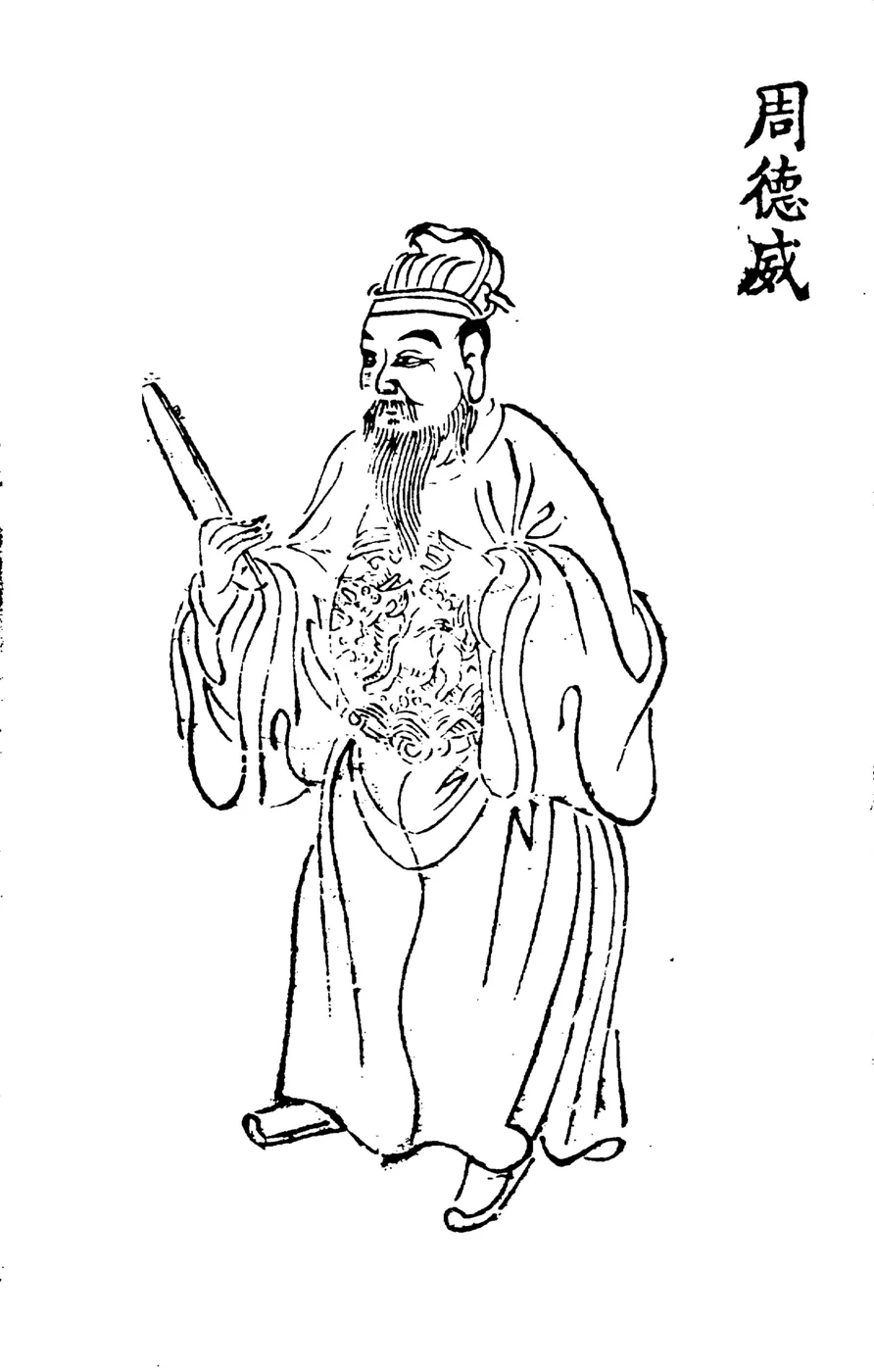 Later Tang
General
Zhou Dewei
Zhou Dewei (d. 918), courtesy name Zhenyuan and childhood name Yangwu, was a native of Mayi in Shuo Prefecture, present-day Shuozhou, Shanxi. He was a famous general of the Five Dynasties and Later Tang. He first served Li Keyong, Military Commissioner of Hedong, as a cavalry officer in the personal retinue. Renowned for courage, horsemanship, archery, and exceptional judgment, he spent years garrisoning Yunzhong and
Later Tang
Historical figure
Li Gu
The Chinese source cache identifies this person as a historical figure associated with Chinese history. This entry preserves the source-backed identity and records the available chronology without adding unsupported claims.
Later Tang
Later Tang statesman and general
Guo Chongtao
Guo Chongtao (c. 865–926), courtesy name Anshi, was a native of Yanmen County in Daizhou (present-day Dai County, Shanxi). He was a senior statesman of Later Tang during the Five Dynasties period and rose to the offices of Palace Attendant and Military Affairs Commissioner, with the title Duke of Zhao Commandery. He was one of the chief contributors to Later Tang's destruction of Later Liang and later commanded the c
Later Tang
Grand Chancellor
Liu Xu
Liu Xu (888–947), courtesy name Yaoyuan, was a native of Guiyi in Zhuozhou (northwest of modern Xiong County, Hebei). He served as Grand Chancellor across two successive regimes—the Later Tang and Later Jin—during the Five Dynasties period, and is renowned for having officially supervised the compilation and presentation of the Old Book of Tang (Jiu Tangshu). In his youth, Liu Xu and his brothers gained prominenc
Later Tang
Military commander
An Jinquan
An Jinquan (d. 930) was a native of Daibei and a renowned Shatuo military general of the Later Tang dynasty during the Five Dynasties period. Born into a hereditary frontier military family, he joined the cavalry forces of Jin Prince Li Keyong in his youth, celebrated for his courage, resolute character, and unmatched skill in mounted archery, claiming the capability to capture living enemy scouts and root out concea
Later Tang
Military commander of the Five Dynasties and early Song periods
Wang Yansheng
Wang Yansheng (917–974), courtesy name Guanglie, was a native of the Shu region who later moved to Luoyang. He was a military commander active in the late Five Dynasties and early Northern Song. He served in the armies of Later Tang, Later Jin, Later Han, and Later Zhou, rising through a series of military posts. Under Later Zhou he campaigned against Northern Han, Southern Tang, and the Khitan. In 960, the first yea
Later Liang
Regional Warlord
Dong Zhang
Dong Zhang (died May 932 AD), native place unrecorded, was a formidable military commander and warlord of the Later Liang and Later Tang dynasties during the Five Dynasties and Ten Kingdoms period. Born into indentured servitude alongside Gao Jixing and Kong Xun under merchant Li Rang (foster son of Zhu Wen), he enlisted in the Xuanwu army, rising through the ranks by combat valor to become Prefect of Zezhou. Followi
Later Tang
General and frontier commander
Li Hanchao
Li Hanchao (d. 977), courtesy name Xianzhong, was a general who served during the transition from the Five Dynasties to the Northern Song. Born in Yunzhong, Yunzhou, he initially served under the military leaders Fan Yanguang and Gao Xingzhou but failed to gain their trust. He later joined Chai Rong, the future Emperor Shizong of Later Zhou, and rose through the palace guard command. After the founding of Song, Li se
Related entries
Bibliography
- 《旧五代史》
- 《新五代史》
- 《资治通鉴》