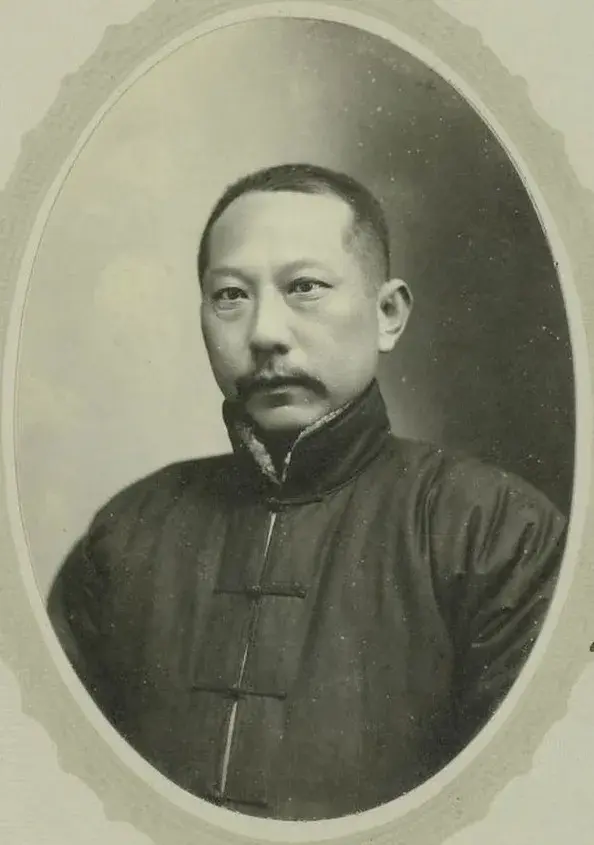
PROFILE
Yang Shiying (杨士瀛), courtesy name Dengfu and art name Renzhai, was a native of Sanshan (present-day Fuzhou, Fujian Province). He was an illustrious Chinese physician, pediatrician, and medical theorist of the mid-to-late Southern Song dynasty. Born into a distinguished multi-generational medical family, Yang Shiying inherited deep ancestral traditions, mastered classical medical treatises, and conducted medical practice throughout the Min region. He was revered by contemporaries and local gazetteers as an exemplary virtuous physician (mingyi, shiyi zhong zhi youdezhe).
Yang Shiying made seminal contributions to the theoretical framework of traditional Chinese medicine. He was the first to systematically articulate the classic cosmological principle that "qi is the commander of blood, and blood is the mother of qi," establishing a comprehensive therapeutic model centered on the interdependence of qi and blood across all clinical specialties. Addressing stubborn edema, he challenged conventional methods by creating the method of "activating blood and disinhibiting water" to treat blood stasis-induced dropsy, while brilliantly elucidating the physiological transformation between normal body fluids and pathological phlegm. In pediatrics, he championed the vital protection of infantile spleen and stomach energetics, rejecting excessive harsh mineral purges. His major works, including Renzhai's Direct Guidance on Formulas and Medicinals (Renzhai Zhizhi Fanglun), Direct Guidance on Pediatric Formulas (Renzhai Zhizhi Xiao'er Fanglun), and Categorized Summary on Cold Damage for Revitalizing Lives (Shanghan Leishu Huoren Zongkuo), combined rigorous etiologic analysis with effective formulas accompanied by mnemonic verses, exerting profound and enduring influence on Ming and Qing dynasty clinical therapeutics.
- Courtesy Name
- Dengfu (登父)
- Literary Name
- Renzhai (仁斋)
- Period
- Southern Song dynasty
- Ancestral Home
- Sanshan (present-day Fuzhou, Fujian Province)
- Historical Status
- Renowned Southern Song physician, pediatrician, and medical theorist
BIOGRAPHY
Chronology
- 1225 CE (1st Year of Baoqing) | Medical Heritage | Born into an esteemed hereditary medical household in Fuzhou; immersed in the study of canonical medical works and herbal formulations.
- 1240 CE (4th Year of Jiaxi) | Clinical Practice in Fujian | Practiced medicine extensively throughout Fuzhou and Huai'an, systematically recording effective prescriptions for febrile disorders and pediatric convulsions.
- 1260 CE (1st Year of Jingding) | Compiling the Direct Guidance | Completed the comprehensive twenty-six-volume masterpiece Renzhai Zhizhi Fanglun, codifying clinical diagnostics and qi-blood theory.
- 1262 CE (3rd Year of Jingding) | Pediatric Innovation | Synthesized over three decades of pediatric clinical experience to author the five-volume Renzhai Zhizhi Xiao'er Fanglun, establishing spleen-nourishing pediatric therapy.
- 1264 CE (5th Year of Jingding) | Formulations on Cold Damage | Authored the seven-volume Shanghan Leishu Huoren Zongkuo, synthesizing Zhang Zhongjing's canon and Zhu Gong's expositions into accessible rhymed verses.
Life
Hereditary Medical Heritage and Extensive Classical Learning
Yang Shiying was raised in Sanshan (modern Fuzhou, Fujian Province) during the reign of Emperor Lizong of the Southern Song dynasty. His family had practiced the healing arts for multiple generations, earning wide acclaim throughout the southeastern coastal region. Receiving rigorous instruction from an early age, Yang Shiying was thoroughly educated in Confucian classics and histories while mastering ancient medical canons such as the Huangdi Neijing, Nan Jing, Shanghan Zabing Lun, and Shennong Bencao Jing.
Unlike ordinary folk empiricists who relied solely on secret remedies, Yang Shiying placed supreme importance on diagnostic logic and doctrinal verification. He read extensively across Tang and Song medical literature, deeply assimilating Qian Yi's pediatric visceral differentiation and Zhu Gong's cold-damage elucidations. Integrating the Confucian philosophy of investigating things to extend knowledge into clinical medicine, he resolved to compile a systematic and universally accessible compendium of medical formulas.
Devotion to Healing and Exemplary Medical Ethics
Throughout decades of clinical practice, Yang Shiying resided primarily across various prefectures and counties in Fujian. During the late Southern Song, the hot and humid climate of the southeastern seaboard frequently fostered damp-heat epidemics, and amidst wartime unrest, populations suffered heavily from internal damage, chronic wasting, and infantile diseases. Yang Shiying was renowned for his diagnostic precision, especially in pulse-feeling and determining dynamic imbalances between qi and blood, frequently curing severe and intractable conditions when other practitioners failed.
Moreover, Yang Shiying adhered strictly to the moral principle of benefiting humanity. When treating impoverished patients, he routinely dispensed decoctions and medicinal pills without demanding payment. His moral integrity and compassionate conduct earned him universal veneration among scholar-officials and commoners alike, who celebrated him as an exemplary virtuous physician among hereditary practitioners.
Synthesis of Clinical Experience and Late Compilations
During the Jingding reign of Emperor Lizong, Yang Shiying entered his senior years, possessing unmatched diagnostic maturity. Concerned that existing medical libraries were vast yet fragmented, leaving junior practitioners bewildered and prone to administering hazardous drugs, he systematically organized his lifelong clinical formulas and theoretical insights into coherent textbooks.
He composed the comprehensive twenty-six-volume Renzhai Zhizhi Fanglun covering general internal disorders, the five-volume Renzhai Zhizhi Xiao'er Fanglun devoted exclusively to pediatric pathologies, the seven-volume Shanghan Leishu Huoren Zongkuo interpreting cold-damage disorders, and the concise single-volume Yixue Zhenjing. In each work, etiologic rationale was coupled directly with targeted master formulas, each concluded with elegant seven-character mnemonic verses that enabled swift memorization and wide dissemination throughout China.
Major Contributions
Formulating the Core Theory of Qi and Blood Interdependence
Yang Shiying's most celebrated original contribution to Chinese medical doctrine was the systematic establishment of a diagnostic and therapeutic framework centered on qi and blood. In Renzhai Zhizhi Fanglun, he explicitly declared: "Qi is the commander of blood, and blood is the mother of qi; when qi ascends, blood ascends; when qi descends, blood descends; when qi circulates, blood circulates; and when qi stagnates, blood stagnates." This profound formulation became an axiomatic foundation for classical internal medicine.
He demonstrated that virtually all bodily disorders originate from disharmony between qi and blood. Clinically, he advocated prioritizing yang before yin, stressing warming the middle to harmonize qi and expelling stasis to harmonize blood. He argued that treating blood pathologies requires regulating qi dynamics, while addressing qi stagnation must safeguard blood nourishment. This overarching theoretical synthesis provided crucial groundwork for the subsequent development of the Warm Disease and miscellaneous disorder schools during the Ming and Qing dynasties.
Pioneering Blood-Activating Water-Disinhibiting Therapy and Phlegm Mechanics
In treating intractable dropsy and severe edema, conventional physicians had traditionally relied on aggressive diaphoresis, harsh diuretic purging, or hydragogue cathartics. Yang Shiying broke new ground in Renzhai Zhizhi Fanglun by demonstrating that edema encompasses four distinct pathological categories: qi, blood, water, and wind. Crucially, he identified that stubborn water retention often stems from extravasated blood obstructing meridians, trapping fluid metabolism and creating "blood stasis edema."
He therefore instituted the therapeutic strategy of "activating blood and disinhibiting water," incorporating Angelica, Red Peony, Carthamus, and Persica into diuretic formulas, opening an innovative pathway for treating chronic cardiovascular and renal edema. Regarding phlegm pathology, Yang Shiying astutely observed: "Phlegm is another name for body fluids, which human beings rely upon to moisten and nourish limbs and sinews. When qi and blood are harmonious and conduits flow freely, fluids disperse and phlegm vanishes; when vessels are blocked and orifices congeal, fluids stagnate and phlegm gathers." This insight provided the foundational rationale for the principle of regulating qi to resolve phlegm.
Establishing Spleen-Stomach Guidelines for Pediatric Medicine
In the realm of pediatric medicine, Yang Shiying advanced the traditions of Qian Yi while pioneering distinct therapeutic methods, resulting in his acclaimed five-volume Renzhai Zhizhi Xiao'er Fanglun. He recognized that infants possess delicate visceral systems with unformed vital essence, asserting that treating all childhood illnesses requires paramount vigilance in safeguarding spleen and stomach functions.
At that time, pediatricians frequently prescribed heavy mineral powders and extremely cold purgatives to subdue acute infantile convulsions, frequently damaging infantile digestion. Yang Shiying vehemently condemned this practice, clarifying that acute and chronic convulsions arise from fright-induced spiritual agitation or spleen-deficiency phlegm generation. He devised mild, elegant formulas that harmonized middle burner energies, providing a safe and enduring therapeutic model for pediatricians across successive generations.
Composing Mnemonic Verses for Medical Dissemination
To facilitate the comprehension and memorization of complex medical doctrines, Yang Shiying creatively recast the intricate principles of Zhang Zhongjing's Treatise on Cold Damage and Zhu Gong's Huoren Shu into rhymed seven-character verses in his Shanghan Leishu Huoren Zongkuo.
The structure of the text was systematically arranged: theoretical rationale in the upper register, specific herbal recipes in the middle, and accessible metric verses below. This pioneering layout established an influential genre of medical mnemonic textbooks during the Song and Yuan periods, lowering the threshold of classical learning and fostering the standardization of traditional medical education.
Relationships
- Zhu Gong: Northern Song cold-damage authority; Yang Shiying inherited and expanded upon his Huoren Shu doctrinal lineage.
- Qian Yi: Northern Song founding master of pediatrics; deeply influenced Yang Shiying's pediatric visceral differentiation methodology.
- Zhu Chongzheng: Ming dynasty physician; recovered and republished Yang Shiying's Renzhai Zhizhi Fanglun during the Jiajing reign with supplementary commentaries, ensuring the survival of Yang's legacy.
Historical Evaluation
- Ming physician Zhu Chongzheng wrote in his preface to the reprinted Renzhai Zhizhi: "Master Yang Renzhai of Sanshan in Song times thoroughly mastered the classics and penetrated the mysteries of medicine. His treatises accurately addressed clinical realities, proving him a truly virtuous physician among hereditary practitioners."
- The Annotated Catalog of the Complete Library of the Four Treasuries (Siku Quanshu Zongmu Tiyao) evaluated: "Yang Shiying's book analyzes patterns and principles strictly rooted in ancient teachings. Establishing formulas according to disease and attaching discourses to formulas, his prose is free of verbosity while remarkably comprehensive, establishing an independent school among Southern Song medical works."
- The Qing philologist Bao Tingbo commented in Bao's Collated Four Medical Classics: "Master Renzhai's treatises penetrate the subtle dynamics of qi and blood, articulating what predecessors left unsaid. His verses resound clearly, making them exceptionally conducive to students' reflection and memorization."
Related Entries
- Renzhai Zhizhi Fanglun
- Qian Yi
- Qi and blood theory
- Shanghan Leishu Huoren Zongkuo
Bibliography
Bibliographic information is not yet available for this entry.