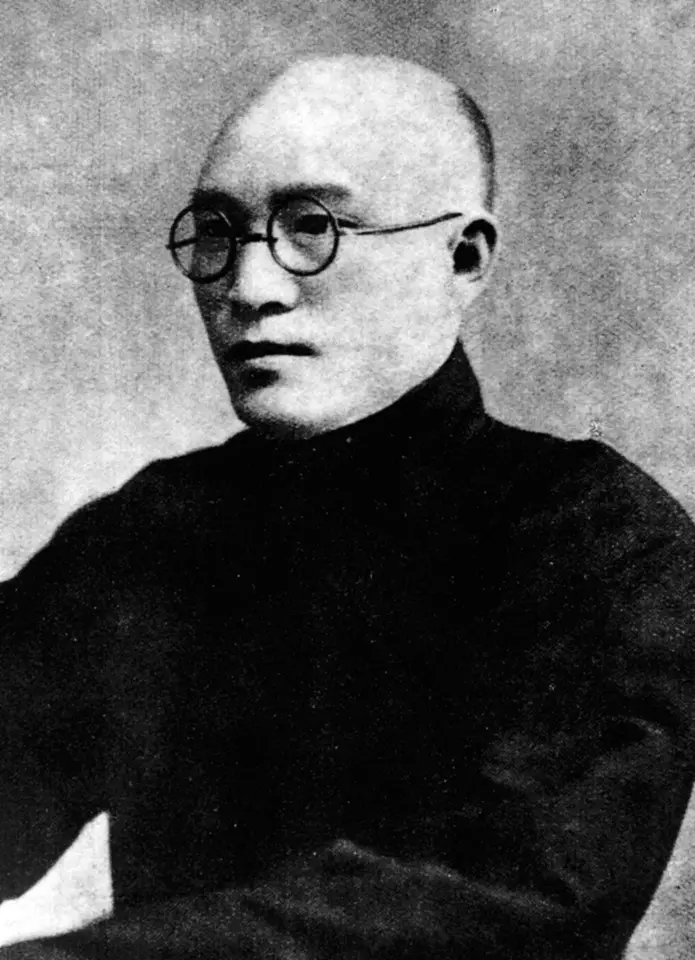
李达
Historical portrait of Li Da
Image creditsUnknown authorUnknown author · Public domainImage source

Prominent Ming Dynasty eunuch diplomat and imperial ambassador to Central Asia and Southeast Asia (明代永乐年间著名宦官、外交使节)

Li Da (李达)

李达

Li Da (李达, dates of birth and death unknown) was an eminent court eunuch and imperial diplomat of the Ming Dynasty during the reign of the Yongle Emperor (Emperor Chengzu). Renowned for his administrative tact, courtly decorum, and resolute leadership, he successively held the distinguished positions of Junior Director and Director of the Directorate for Imperial Accoutrements. The official History of Ming (Ming Shi)…

Ming Dynasty (明朝)

PROFILE

Li Da (李达, dates of birth and death unknown) was an eminent court eunuch and imperial diplomat of the Ming Dynasty during the reign of the Yongle Emperor (Emperor Chengzu). Renowned for his administrative tact, courtly decorum, and resolute leadership, he successively held the distinguished positions of Junior Director and Director of the Directorate for Imperial Accoutrements. The official History of Ming (Ming Shi) explicitly grouped him among the paramount diplomatic commanders of the early fifteenth century: "To the Western Ocean went Zheng He and Wang Jinghong; to the Western Regions went Li Da; to the northern steppe went Hai Tong; and to the Western Regions of Tibet and South Asia went Hou Xian." During the expansion of maritime diplomacy in Southeast Asia, Li Da was dispatched in June 1405 (the third year of the Yongle era) to the Kingdom of Chenla (present-day Cambodia), conferring imperial seals and silks to inaugurate formal tributary relations, followed by subsequent diplomatic missions to Siam (Thailand). On the continental frontier, the Yongle Emperor appointed Li Da as Imperial Envoy Plenipotentiary in November 1413, commanding an extensive diplomatic mission alongside vice envoy Chen Cheng of the Ministry of Personnel. Crossing the Jiayu Pass, the mission traversed Hami, Turpan, and the Pamir Mountains into Central Asia, reaching Samarkand and the Timurid capital of Herat. Leading another major mission in 1417 across sixteen Central Asian city-states, Li Da successfully escorted large tribute delegations back to the Ming court, reviving the Silk Road and securing lasting geopolitical peace.

Dynasty
Ming Dynasty (明朝)
Highest Post & Noble Titles
Director of the Directorate for Imperial Accoutrements (御用监太监), Imperial Envoy Plenipotentiary (钦差正使)
Major Offices
Junior Director of the Directorate for Imperial Accoutrements (御用监少监), Palace Eunuch (内官), Imperial Ambassador to the Western Regions, Imperial Envoy to the Southern Seas
Identity
Prominent Ming Dynasty eunuch diplomat and imperial ambassador to Central Asia and Southeast Asia (明代永乐年间著名宦官、外交使节)

LIFE TIMELINE

Relationship graph

BIOGRAPHY

Life and Career

Early Palace Service and Southeast Asian Missions

Li Da entered the imperial palace as a youth and was selected to serve in the Directorate for Imperial Accoutrements (Yuyong Jian), one of the vital Twelve Directorates of the Ming eunuch bureaucracy. The Directorate was entrusted with manufacturing exquisite imperial accoutrements, fine lacquerware, screens, and imperial manuscripts. Eunuchs within this institution were educated in classical literature and court etiquette, making them ideal candidates for imperial diplomatic missions abroad.

Following his accession, the Yongle Emperor resolved to expand tributary relationships across Southeast Asia. In June 1405 (the third year of the Yongle era), the emperor appointed Li Da, then serving as Junior Director of the Directorate for Imperial Accoutrements, as imperial envoy to the Kingdom of Chenla (modern Cambodia). Bearing imperial rescripts, gold-embroidered brocades, and porcelain, Li Da navigated the maritime routes to the Cambodian court. Presenting imperial patents of investiture to the king of Chenla, he maintained strict military discipline and observed diplomatic protocols, winning profound admiration from local rulers. Chenla subsequently dispatched return envoys accompanied by native tributary products to Beijing, inaugurating peaceful tributary relations.

In subsequent years, Li Da was commissioned on multiple diplomatic missions to the Kingdom of Siam (modern Thailand). In 1414 (the twelfth year of the Yongle era), he sailed as principal envoy to the Siamese capital, promulgating imperial decrees, confirming royal investiture, and resolving local territorial disputes among neighboring principalities. His fleet returned laden with tribute goods including elephant tusks, sappanwood, and aromatics, fostering stability across the maritime corridors of the South China Sea.

Mission to the Timurid Empire

During the reign of Timur (Tamerlane), the Central Asian Timurid Empire had pursued a hostile policy toward the Ming court, assembling a massive army to invade China in late 1404 before Timur's sudden death at Otrar halted the campaign. Following subsequent internal succession struggles, Timur's fourth son, Shah Rukh, secured supreme power and moved his imperial capital to Herat, sending peaceful embassies to the Ming court in 1413 to reestablish commercial ties. Eager to secure northwestern borderlands and balance nomadic confederations, the Yongle Emperor determined to dispatch an embassy to Central Asia.

In November 1413 (the eleventh year of the Yongle era), the Yongle Emperor issued an imperial decree appointing Li Da as Imperial Envoy Plenipotentiary, with Secretary Chen Cheng of the Ministry of Personnel and Secretary Li Xian of the Ministry of Revenue serving as deputy envoys. They commanded an embassy composed of several hundred soldiers, scribes, interpreters, and master artisans, laden with diplomatic gifts of fine Chinese silks, porcelain, silver bullion, and embroidered robes.

Trans-Continental Journey Across the Silk Road

In early 1414, Li Da guided the expedition westward from the imperial capital, exiting the Great Wall at Jiayu Pass into the Taklamakan and Gobi deserts. The mission journeyed along the ancient northern Silk Road, passing through oasis kingdoms including Hami, Huozhou, Turpan, and Beshbalik in the Chagatai realm, promulgating the Ming emperor's policy of mutual non-aggression and confirming local chieftainships.

Traversing the freezing defiles of the Pamir Mountains, the embassy entered the Central Asian heartland, proceeding through historic trading cities including Sairam, Tashkent, and Shahrisabz before arriving at Samarkand. Welcomed by local princes, Li Da pushed southwest across the Amu Darya into Khorasan, reaching the Timurid imperial capital of Herat (in present-day northwestern Afghanistan). At the royal palace, Li Da conducted formal state audiences with Shah Rukh, presenting the Yongle Emperor's personal letter and bestowing brocades and robes upon the royal family. Impressed by the embassy's dignity and the empire's magnificence, Shah Rukh hosted the mission for several months, agreeing to formal tributary relations.

Continental Tributary Climax and Later Years

In October 1415 (the thirteenth year of the Yongle era), Li Da and Chen Cheng returned to Beijing following a two-year, ten-thousand-li journey. Overwhelmed by the prestige of the Ming Dynasty, Shah Rukh and the princes of Samarkand sent a return embassy accompanying Li Da, presenting prized Central Asian horses, camels, and jade to the Yongle Emperor. At a grand imperial audience held in the Fengtian Hall, the emperor commended Li Da for his devotion and elevated his official rank.

In 1417 (the fifteenth year of the Yongle era), seeking to consolidate these diplomatic achievements, the emperor commissioned Li Da and Chen Cheng on a second expedition to Central Asia. Braving extreme desert storms and winter blizzards, Li Da visited sixteen regional kingdoms, including Herat, Samarkand, Bukhara, and Andkhui. In November 1420 (the eighteenth year of the Yongle era), Li Da returned to Beijing, accompanied by foreign envoys representing sixteen Central Asian kingdoms. Trade and cultural exchanges along the overland Silk Road reached heights unseen since the Tang Dynasty. Li Da spent his remaining years supervising internal palace administration in the Directorate for Imperial Accoutrements, having rendered extraordinary contributions to early Ming foreign diplomacy.

Major Achievements

Revival of the Overland Silk Road

Amidst the Yongle Emperor's global diplomatic vision, Li Da served as the sole principal eunuch envoy entrusted with overland trans-continental missions across Central Asia. In close collaboration with Chen Cheng, he negotiated geographic hazards spanning the Pamir Mountains and Central Asian deserts, establishing direct diplomatic communication with the Timurid Empire at Herat and Samarkand. His expeditions revived international trade along the ancient Silk Road after nearly a century of disruption.

Expansion of Southeast Asian Tributary Diplomacy

Prior to his Central Asian missions, Li Da served as Junior Director of the Directorate for Imperial Accoutrements, leading early overseas embassies to Chenla and Siam in 1405. Through the peaceful presentation of imperial patents and the exchange of prestige goods, he integrated Chenla and Siam into the Ming tributary network, establishing early diplomatic precedents that facilitated subsequent naval voyages by Zheng He across the Indian Ocean.

Exemplary Diplomatic Leadership in Frontier Statecraft

Throughout more than a decade of international embassies across desert and sea, Li Da displayed the highest virtues of traditional Chinese statecraft. Confronting volatile dynastic successions in foreign kingdoms and perilous bandit attacks along desolate caravan routes, he maintained composure, upheld sovereign honor, and treated local populations with generosity and fairness. His diplomatic skill won the deep respect of foreign monarchs such as Shah Rukh, securing peaceful borders for the early Ming Empire.

Chronology

  • ca. 1375 (Hongwu Era, Ming Taizu) | Early Life | Entered palace service, mastered court rituals and literature, assigned to the Directorate for Imperial Accoutrements.
  • 1405 (Yongle 3, Ming Chengzu) | Embassy to Chenla | Appointed Junior Director, led an imperial mission to Chenla, conferring royal investiture.
  • 1407 (Yongle 5, Ming Chengzu) | Central Asian Preparations | Timurid embassy arrived; the Yongle Emperor selected Li Da to prepare reciprocal diplomatic missions.
  • 1413 (Yongle 11, Ming Chengzu) | Mission to the West | Appointed Imperial Envoy Plenipotentiary, leading Chen Cheng and Li Xian on an embassy to seventeen Western kingdoms.
  • 1414 (Yongle 12, Ming Chengzu) | Audience at Herat | Traversed Central Asian oases to reach Herat, conducting formal diplomatic audiences with Shah Rukh.
  • 1415 (Yongle 13, Ming Chengzu) | Return to Beijing | Returned in October with tribute missions from Herat and Samarkand, honored by the emperor.
  • 1417 (Yongle 15, Ming Chengzu) | Second Western Mission | Reappointed as principal envoy alongside Chen Cheng, visiting sixteen Central Asian principalities.
  • 1420 (Yongle 18, Ming Chengzu) | Continental Grand Tribute | Returned in November escorted by ambassadors from sixteen kingdoms, inaugurating an era of flourishing overland trade.
  • 1424 (Yongle 22, Ming Chengzu) | Palace Directorate | Served as Director of the Directorate for Imperial Accoutrements, managing imperial treasures and tribute gifts.
  • ca. 1435 (Xuande Era, Ming Xuanzong) | Retirement and Death | Passed away in the imperial palace, commemorated in the History of Ming alongside Zheng He and Wang Jinghong.

Personal Relationships

  • Sovereign: Yongle Emperor (Ming Chengzu, Zhu Di), third emperor of the Ming Dynasty who initiated global diplomacy and repeatedly dispatched Li Da on frontier embassies.
  • Diplomatic Colleague and Deputy: Chen Cheng, renowned Ming diplomat, scholar, and Vice Minister of the Court of Transmission who served as vice envoy to Li Da, author of Xiyu Xingcheng Ji and Xiyu Fanguo Zhi.
  • Fellow Diplomat: Li Xian, Secretary in the Ministry of Revenue who accompanied Li Da on the 1413 mission to Central Asia.
  • Eunuch Contemporary: Zheng He, famed maritime admiral who commanded the treasure fleets to the Western Ocean, grouped alongside Li Da in imperial chronicles.
  • Eunuch Contemporary: Wang Jinghong, Director of the Directorate of Imperial Horses and second-in-command to Zheng He.
  • Eunuch Contemporary: Hou Xian, Director of the Directorate of Ceremonial who led diplomatic missions to Tibet, Nepal, and Bengal.
  • Eunuch Contemporary: Hai Tong, court eunuch entrusted with diplomatic missions to the northern Mongolian steppe.
  • Foreign Sovereign: Shah Rukh, ruler of the Timurid Empire and fourth son of Timur, who established enduring tributary ties with the Ming court following Li Da's embassy.

Historical Evaluation

  • History of Ming (Ming Shi, Biographies of Eunuchs I): "Emperor Chengzu was resolute in opening communication with all four borders and spreading imperial prestige... To the Western Ocean went Zheng He and Wang Jinghong; to the Western Regions went Li Da; to the northern steppe went Hai Tong; and to the Western Regions of Tibet went Hou Xian; all were entrusted as imperial envoys, galloping across the four quarters without failing the sovereign's mandate; how magnificent was their achievement!" (Honoring Li Da alongside Zheng He and Hou Xian as one of the great diplomatic leaders of the early Ming).
  • Chen Cheng (Preface to Records of Western Barbarian Kingdoms): "Our state has pacified the myriad realms and extended benevolence to remote frontiers; Imperial Envoy Director Li Da reverently carried the sacred rescripts, traversing arid sands and scaling mountains to spread enlightenment among western kingdoms, moving distant tribes to bow and accept our civilization, an unprecedented achievement in history." (Praising Li Da's steadfast leadership and historic role in reviving the overland Silk Road).
  • Xia Nai (Modern Historian of Silk Road Archaeology): "The overland missions led by Li Da and Chen Cheng to Central Asia were no less significant in geographic scale and political consequence than the maritime voyages of Zheng He; by maintaining peaceful diplomacy across the Eurasian heartland, Li Da established himself as an indispensable figure in the history of the Silk Road." (Evaluating the geopolitical importance of his missions in world history).

Related Entries

  • Chen Cheng
  • Zheng He
  • Hou Xian
  • Timurid Empire
  • Silk Road
  • Ming Shi

FIGURES ASSOCIATED WITH THIS DYNASTY

Bibliography

  • Ming Shi (History of Ming), Volume 304, Biography 192: Eunuchs I
  • Ming Shi (History of Ming), Volume 332, Biography 220: Western Regions IV
  • Ming Taizong Shilu (Veritable Records of Emperor Taizong of Ming)