Khanate Turmoil
Following Galdan Tseren's death, internal civil war erupted among Dzungar aristocratic factions.
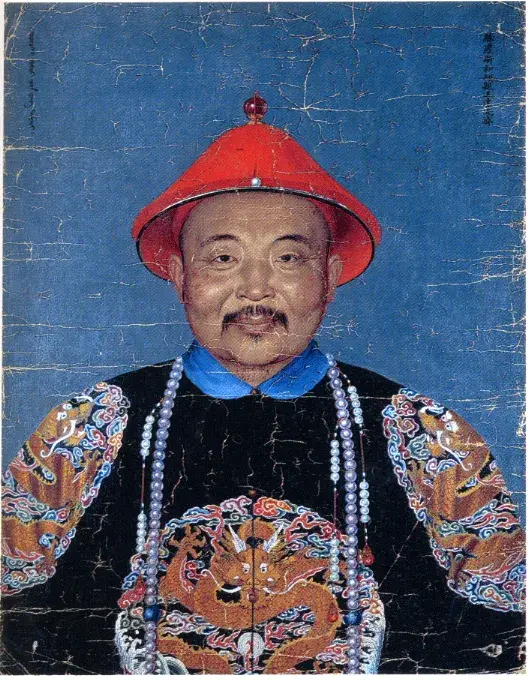
达瓦齐
Choros Dawaqi (d. 1759), a native of the Ili River Valley, was an Oirat Mongol leader of the Choros clan and the grandson of Great Tsering Dondup, reigning as the final khan of the Dzungar Khanate. Following the death of powerful khan Galdan Tseren in 1745, Dzungaria descended into bloody succession crises. In late 1752, supported and guided by the ambitious Khoit prince Amursana, Dawaqi led a force of fifteen hundred elite…
Choros Dawaqi (d. 1759), a native of the Ili River Valley, was an Oirat Mongol leader of the Choros clan and the grandson of Great Tsering Dondup, reigning as the final khan of the Dzungar Khanate. Following the death of powerful khan Galdan Tseren in 1745, Dzungaria descended into bloody succession crises. In late 1752, supported and guided by the ambitious Khoit prince Amursana, Dawaqi led a force of fifteen hundred elite cavalry across secret mountain passes from Kazakh territory, stormed Ili, assassinated Khan Lama Dorji, and proclaimed himself supreme ruler of the Dzungars. Lacking political foresight, Dawaqi indulged in heavy drinking and neglected affairs of state, alienating tribal nobility and fracturing the khanate. The Dorbet Mongol chieftains (the 'Three Tserings') and prominent Zaisang leaders led tens of thousands of subjects to surrender to the Qing empire. In 1753, when Amursana sought to carve out an independent northern realm around the Altai mountains, Dawaqi mobilized his forces and crushed Amursana along the Irtysh River, compelling Amursana to seek refuge with the Qing and guide imperial armies westward. In 1755, the Qianlong Emperor dispatched a fifty-thousand-strong expeditionary force that routed Dawaqi's army during the decisive Battle of Gedaingshan. Fleeing south across the Tian Shan, Dawaqi was captured in Ush Turpan by local Uyghur leader Khojis and escorted to Beijing. Recognizing his strategic value, Qianlong pardoned Dawaqi, created him Prince of the First Rank (Heshuo Prince of Choros), and granted him an imperial residence in Beijing, where he lived in comfort until his death in 1759, marking the permanent collapse of the Dzungar Khanate.
Following Galdan Tseren's death, internal civil war erupted among Dzungar aristocratic factions.
Allied with Amursana to stage a lightning cavalry strike from Kazakh territory, killing Lama Dorji and taking the throne.
The Three Tserings of the Dorbet Mongols led fifteen thousand people to surrender to the Qing; rift with Amursana deepened.
Marched to the Irtysh River and defeated Amursana, driving him to submit to the Qing court and guide imperial forces.
Qing armies invaded Dzungaria; vanguard commander Ayusi led twenty-two riders in a night raid, shattering Dawaqi's army.
Escaped across the Tian Shan into Ush Turpan; ambushed and captured at a banquet by Khojis, who delivered him to Beijing.
Confirmed as Heshuo Prince of Choros and lived in Beijing; died of illness in winter and was granted the posthumous title Ximu.
In 1745 (Qianlong 10), Galdan Tseren, the formidable ruler who had maintained Dzungar power for decades, passed away. His death deprived the Dzungar Khanate of unifying leadership, plunging the regime into protracted and bloody factional conflicts. Galdan Tseren's second son, Tsewang Dorji Namjal, succeeded to the throne but was deposed and killed due to his cruelty; in 1750, tribal grandees installed his elder illegitimate brother, Lama Dorji. While Lama Dorji resisted Tsarist Russian southern expansion, his paranoid suspicions toward internal princes alienated key tribal chieftains.
Grandson of the famous general Great Tsering Dondup, Dawaqi formed an alliance with the ambitious Khoit Mongol prince Amursana. In 1752 (Qianlong 17), facing imminent arrest by Lama Dorji's cavalry, Dawaqi and Amursana fled west to seek temporary sanctuary with the Kazakh Khanate. In the winter of that year, Amursana masterminded an audacious counter-strike. Dawaqi assembled fifteen hundred hardened horsemen, bypassed border outposts via the precipitous Daleqi mountain passes, suborned palace guards, and launched a dawn surprise attack on Ili, assassinating Lama Dorji and seizing the supreme title of Dzungar Khan.
Upon taking power, Dawaqi rewarded Amursana with vast, fertile pastures spanning the Tarbagatai and northern Altai regions. However, Dawaqi lacked the administrative acumen and diplomatic gravity necessary to govern a vast confederation. Emboldened by his triumph, he surrendered himself to heavy drinking and sensual pleasures, neglecting council meetings and treating tribal leaders with erratic arrogance. When dissident grandee Nameku Jierga attempted a coup, Dawaqi once again relied on Amursana's armed intervention to destroy his rivals.
Nevertheless, Amursana harbored long-standing ambitions to rule all Dzungaria. Recognizing that his Khoit lineage lacked the dynastic prestige of the Choros clan, Amursana used his status as kingmaker to aggressively recruit private warriors and usurp pasture lands. In 1753, when the Qing court sent envoys to Ili to negotiate border peace, Amursana demanded sole possession of the vast territories extending from northern Ili to the Altai, leaving Dawaqi with southern Borotala. Dawaqi firmly rejected the partition, permanently shattering their alliance. In 1754, Dawaqi assembled his core cavalry and marched to the Irtysh River, routing Amursana's forces. Desperate and isolated, Amursana fled eastward with more than twenty thousand followers across the Altai mountains to submit to the Qing, urging Emperor Qianlong to launch a punitive campaign.
Under the weight of Dawaqi's recurrent civil wars, excessive levies, and agrarian disruption, the socio-economic foundation of the Dzungar Khanate crumbled. Disaffected by Dawaqi's tyranny, entire communities abandoned the pasturelands. In 1753 (Qianlong 18), the Dorbet Mongol princes Tsering, Tsering Ubashi, and Tsering Mongke (known historically as the 'Three Tserings') refused further obedience, leading thirty-seven hundred households totaling over fifteen thousand people across the border to swear allegiance to the Qing. Concurrently, Zaisang Salar surrendered with over a thousand households, shattering regional cohesion.
Recognizing this historic window of opportunity, the Qianlong Emperor determined to permanently eradicate the Dzungar frontier threat that had troubled the Qing since the Kangxi era. In the spring of 1755, the Qing mobilized an army of fifty thousand elite Manchu, Mongol, and Han troops. Led by General Bandi and assisted by Amursana as Left Vice General, the imperial army advanced in two converging columns toward Ili. Dzungar pastoralists surrendered en masse without resistance. In May, as imperial banners reached the Borotala River, a terrified Dawaqi abandoned Ili and retreated with ten thousand surviving troops to entrench themselves along the precipitous natural ramparts of Mount Gedaing.
On the night of May 14, 1755 (24th day of the 4th month), imperial vanguard wing commander Ayusi led a handpicked squad of twenty-two Mongolian cavalrymen in a daring nighttime commando raid upon Dawaqi's mountain stronghold. Muffling their horses' hooves, Ayusi's warriors eliminated outer sentries, breached the defensive perimeter, and discharged muskets and arrows into the encampment. Plunged into total darkness, the ten thousand entrenched Dzungar warriors fell into blind panic, slaughtering one another in chaotic confusion. Dawaqi's army disintegrated within hours. Escorted by a few hundred loyal retainers, Dawaqi fled southward, traversing snowbound passes across the Tian Shan into the oasis of Ush Turpan.
Hoping to recruit southern Muslim forces to reclaim his northern pastures, Dawaqi sought shelter with Khojis Beg, the prominent local Uyghur governor of Ush Turpan. However, Khojis had already resolved to align with the Qing. Masking his intentions, Khojis hosted a lavish banquet with roast lamb and rich wine to welcome Dawaqi and his entourage. As the guests became thoroughly intoxicated and lowered their guard, Khojis sprang an armed ambush, capturing Dawaqi, his son, and their inner circle. Delivered to the Qing forward command, Dawaqi was conveyed in a caged carriage to Beijing. In September, the Qianlong Emperor presided over a formal triumphal ceremony at the Qianqing Palace, where Dawaqi knelt before the imperial throne to confess his rebellion.
Weighing the imperial grand strategy of consolidating frontier integration and pacifying the Oirat Mongol tribes, the Qianlong Emperor chose magnanimity over vengeance. Qianlong pardoned Dawaqi of all treasonous offenses, elevated him to Prince of the First Rank (Heshuo Prince of Choros), bestowed upon him the honor of the double-eyed peacock feather, and granted him an expansive mansion within the Dongzhimen district of Beijing. The imperial court provided generous annual stipends, grains, and palace servants to maintain his household, and arranged a prestigious marriage between a Manchu imperial princess and Dawaqi's son Robzang, who was later appointed Supernumerary Vice Minister of the Lifan Yuan.
In 1774, when imperial prince Jia Prince Yongyan (the future Jiaqing Emperor) wed his primary consort Lady Hitara, royal favors were extended to Dawaqi's descendants. Dawaqi lived quietly in the imperial capital until the winter of 1759 (Qianlong 24), when he passed away of illness in his residence. Emperor Qianlong expressed profound sorrow, allocated imperial treasury funds for a lavish funeral, and bestowed upon him the posthumous title Prince Ximu, signaling the irreversible historical integration of the former Dzungar territories into the unified Qing domain.
As the final ruling khan of the Dzungar Khanate, Dawaqi played a pivotal, albeit tragic, role in the geopolitical restructuring of Inner Asia. By seizing power through violence and engaging in bitter civil warfare against Amursana, he irrevocably shattered the delicate equilibrium among the Oirat Mongol nobility. His military collapse at Gedaingshan and subsequent capitulation extinguished more than a century of autonomous Dzungar statehood, paving the way for the Qing court to unify the vast regions north and south of the Tian Shan.
Following his capture, Dawaqi's unreserved submission and elevation to a premier Qing prince provided a vital instrument for imperial diplomacy. By embracing imperial honors and establishing permanent residence in Beijing, Dawaqi symbolized the Qing court's policy of conciliation toward former frontier adversaries. His peaceful incorporation diminished residual resistance among Oirat pastoralists, accelerating the stabilization of the northwestern frontier and contributing to the enduring territorial consolidation of modern China.
| Relationship Type | Name | Identity and Historical Intersection |
|---|---|---|
| Former Ally and Foe | Amursana | Khoit prince who helped Dawaqi seize the throne, later defected to Qing, guided imperial forces, and rebelled again. |
| Slain Predecessor | Lama Dorji | Eldest illegitimate son of Galdan Tseren; assassinated by Dawaqi and Amursana in 1752. |
| Sovereign and Patron | Aisin Gioro Hongli | The Qianlong Emperor; conquered Dzungaria, pardoned Dawaqi, and created him Heshuo Prince of Choros. |
| Capturing Chieftain | Khojis | Uyghur Beg of Ush Turpan who laid an ambush to capture Dawaqi, later elevated to Prince of the Second Rank. |
| Heroic Commando | Ayusi | Dzungar warrior turned Qing cavalry officer; led twenty-two riders in the legendary night raid at Gedaingshan. |
The Draft History of Qing (Qing Shi Gao, Volume 312) celebrated the pacification of the northwest and the handling of Dawaqi: 'Emperor Gaozong's majestic virtue extended to the ends of the earth. Though Dawaqi resisted like a cornered beast, heaven's mandate had shifted, and he arrived in chains to offer homage. Ennobled as a prince and endowed with perpetual honors, the foundation of imperial unity was firmly established.' Modern historians observe that while Dawaqi lacked statesmanship and succumbed to alcoholism and discord, his eventual submission and contented residence in Beijing objectively facilitated the irreversible inclusion of Xinjiang into the unified Chinese state.
FIGURES ASSOCIATED WITH THIS DYNASTY