Liu Yu replaced Jin and established Song after Emperor Gong abdicated; the Southern Dynasties polity later called Liu Song was founded.
420 CE–479 CE
Liu Song
Concurrent polity刘宋
Liu Song (420–479), the first polity of the Southern Dynasties, was established by Emperor Wu, Liu Yu, after replacing the Eastern Jin. It is called Liu Song to distinguish it from the later Song dynasty. Liu Yu rose from humble origins through military campaigns at the end of Eastern Jin, suppressing internal rebellions and launching several northern expeditions. In 420 he forced Emperor Gong of Jin to abdicate, established Song, and made Jiankang (present-day Nanjing) the capital. From its…
420 CE–479 CECapital · See entry
ERA OVERVIEW
Liu Song (420–479), the first polity of the Southern Dynasties, was established by Emperor Wu, Liu Yu, after replacing the Eastern Jin. It is called Liu Song to distinguish it from the later Song dynasty. Liu Yu rose from humble origins through military campaigns at the end of Eastern Jin, suppressing internal rebellions and launching several northern expeditions. In 420 he forced Emperor Gong of Jin to abdicate, established Song, and made Jiankang (present-day Nanjing) the capital. From its founding, Liu Song confronted Northern Wei across a north–south divide. During the period known as the Reign of Yuanjia, political conditions were relatively stable for a time and the economy, culture, and northern campaigning effort all developed. From the middle period onward, conflict within the imperial clan became frequent, succession grew unstable, and the state weakened. In 479, Xiao Daocheng, who controlled the military and government, received the throne by abdication and established Southern Qi, ending Liu Song.
Time span420 CE–479 CE
CapitalSee entry
ERA TIMELINE
Liu Yu died and Crown Prince Liu Yifu took the throne, becoming Emperor Shao of Liu Song.
After removing the powerful ministers Xu Xianzhi and others, he personally took control of government. During his thirty-year reign he worked diligently, employed capable men, promoted frugality, and sought to improve official administration. The state economy therefore improved substantially, and the period became known as the Reign of Yuanjia, described as a model age of government in the Six Dynasties and the first such period in Jiangdong.
In late second month, Hulao, Luoyang, Qia'ao, Huatai, and other places were again captured by Wei forces.
Emperor Wen's eldest son Liu Shao became involved in a witchcraft affair and killed his father before taking the throne. His younger brother Liu Jun raised troops against him, gained support from regional military commands, killed Liu Shao at Taicheng, and proclaimed himself emperor as Emperor Xiaowu of Liu Song.
Liu Yixuan, Inspector of Jingzhou, used the weakness following Liu Jun's accession to lead 100,000 Jingzhou troops against Jiankang. After Liu Jun suppressed Liu Yixuan's revolt that year, he immediately separated the eastern part of Jingzhou to create a new province called Yingzhou, abolished the Southern Man Commandant whose forces had supplied Jingzhou, and moved its military households to Jiankang, effectively.
By 464 (eighth year of Daming under Emperor Xiaowu): Liu Song had twenty-two provinces: Qingzhou,.
Xiao Daocheng, who controlled the government, received the abdication of Emperor Shun Liu Zhun and established Southern Qi, ending Liu Song.
FULL ENTRY
Overview
Liu Song (420–479), the first polity of the Southern Dynasties, was established by Emperor Wu, Liu Yu, after replacing the Eastern Jin. It is called Liu Song to distinguish it from the later Song dynasty. Liu Yu rose from humble origins through military campaigns at the end of Eastern Jin, suppressing internal rebellions and launching several northern expeditions. In 420 he forced Emperor Gong of Jin to abdicate, established Song, and made Jiankang (present-day Nanjing) the capital. From its founding, Liu Song confronted Northern Wei across a north–south divide. During the period known as the Reign of Yuanjia, political conditions were relatively stable for a time and the economy, culture, and northern campaigning effort all developed. From the middle period onward, conflict within the imperial clan became frequent, succession grew unstable, and the state weakened. In 479, Xiao Daocheng, who controlled the military and government, received the throne by abdication and established Southern Qi, ending Liu Song.
Historical Development
Establishment: At the end of Eastern Jin, Liu Yu defeated forces including Huan Xuan and the Sun En–Lu Xun movement. Through his northern campaigns he gradually took control of military and political power. In 420 he forced Emperor Gong of Jin to abdicate and founded Song, becoming Emperor Wu; the Southern Dynasties polity later called Liu Song was thus established.
Height of power: During the reign of Emperor Wen, Liu Yilong, the court employed scholars and reorganized internal administration. The period became known as the Reign of Yuanjia. Society was relatively stable for a time, economic and cultural development continued, and the Southern Dynasties polity confronted Northern Wei while Jiangnan underwent further development.
Turning point: The court launched several northern expeditions during the Yuanjia era without achieving a decisive result. Campaigns against Northern Wei in the later part of the era mostly ended unsuccessfully and consumed state resources. Political conditions then became increasingly unstable as rulers changed and internal conflict intensified.
Decline: From the middle period onward, imperial princes fought for the throne and conflict between emperors and powerful ministers grew sharper. Deposition and enthronement became frequent, many successions resulted from palace coups, and internal struggles severely weakened government.
Fall: In 479, Xiao Daocheng, who held effective power, received the abdication of Emperor Shun, Liu Zhun, and established Southern Qi. Liu Song ended. Some records state that Liu Zhun was killed after his abdication.
Politics and Institutions
Liu Song developed out of Eastern Jin and broadly continued Wei–Jin and Southern Dynasties institutions. Central government included the Department of State Affairs, Secretariat, and Chancellery and retained characteristics of aristocratic politics. Liu Yu, however, came from a comparatively humble military background and during his period of power sought to limit the influence of great families and reform official administration. Specific arrangements for the central bureaucracy, local government, the Nine-Rank Rectifying System and other recruitment practices, law, and supervision varied over time and are not fully set out here; see the relevant entries.
Military and Foreign Relations
Liu Song and Northern Wei remained in a long north–south confrontation with intermittent frontier warfare. Liu Yu's northern campaigns destroyed Southern Yan and Later Qin and are representative of Southern Dynasties military expansion. During the Yuanjia era, several campaigns were launched against Tuoba Wei (Northern Wei), mostly without success. Relations of war and diplomacy with surrounding states and peoples varied according to circumstances; see the relevant entries.
Economy and Commerce
Under relatively stable political conditions, Jiangnan continued to develop. Agriculture and hydraulic works expanded, elite estates were active, commerce and cities grew, and regions such as Jingzhou and Yangzhou became increasingly important economically. Details of monetary circulation, industry, and trade are treated in the relevant entries.
Culture and Society
Liu Song marked an early flourishing of Southern Dynasties culture. Literature, historiography, letters, and the interaction of xuanxue and Buddhism developed, with achievements associated with works and figures such as A New Account of the Tales of the World, Tao Yuanming, and Xie Lingyun; the Yongming style belongs to Southern Qi rather than Liu Song. Buddhism and elite cultural life were prominent. Social distinctions by family status remained strong. Details are treated in the relevant entries.
Rulers and Governing Core
Liu Yu, Liu Yifu, Liu Yilong, Liu Shao, Liu Jun, Liu Ziye, Liu Yu, Liu Yu, Liu Zhun.
> This section describes the position of rulers in the development of the polity; complete biographies are carried by the corresponding person entities.
Historical Assessment and Legacy
Contemporary and near-contemporary assessments often focused on Liu Song's rise through a military leader of comparatively humble origin who replaced Jin, the expectations created by its northern campaigns, and its attempts to reform official administration. At the same time, repeated conflict within the imperial clan and frequent depositions were widely regarded as major political failings.
Later historiography has also emphasized institutional continuity and the development of Jiangnan. Liu Song linked Eastern Jin with the later Southern Dynasties and began the sequence of Southern Dynasties regimes. The relative stability of the Yuanjia era contributed to social development in Jiangnan, while the decline of aristocratic power, unstable imperial succession, and continuing internal conflict are regarded as important features of Southern Dynasties political disorder. The state name "Song" also has a special place in historical discourse because it is shared with the later Song dynasty.
Rulers
Liu Yu, Liu Yifu, Liu Yilong, Liu Shao, Liu Jun, Liu Ziye, Liu Yu, Liu Yu, Liu Zhun.
 Liu Song
Historical figure
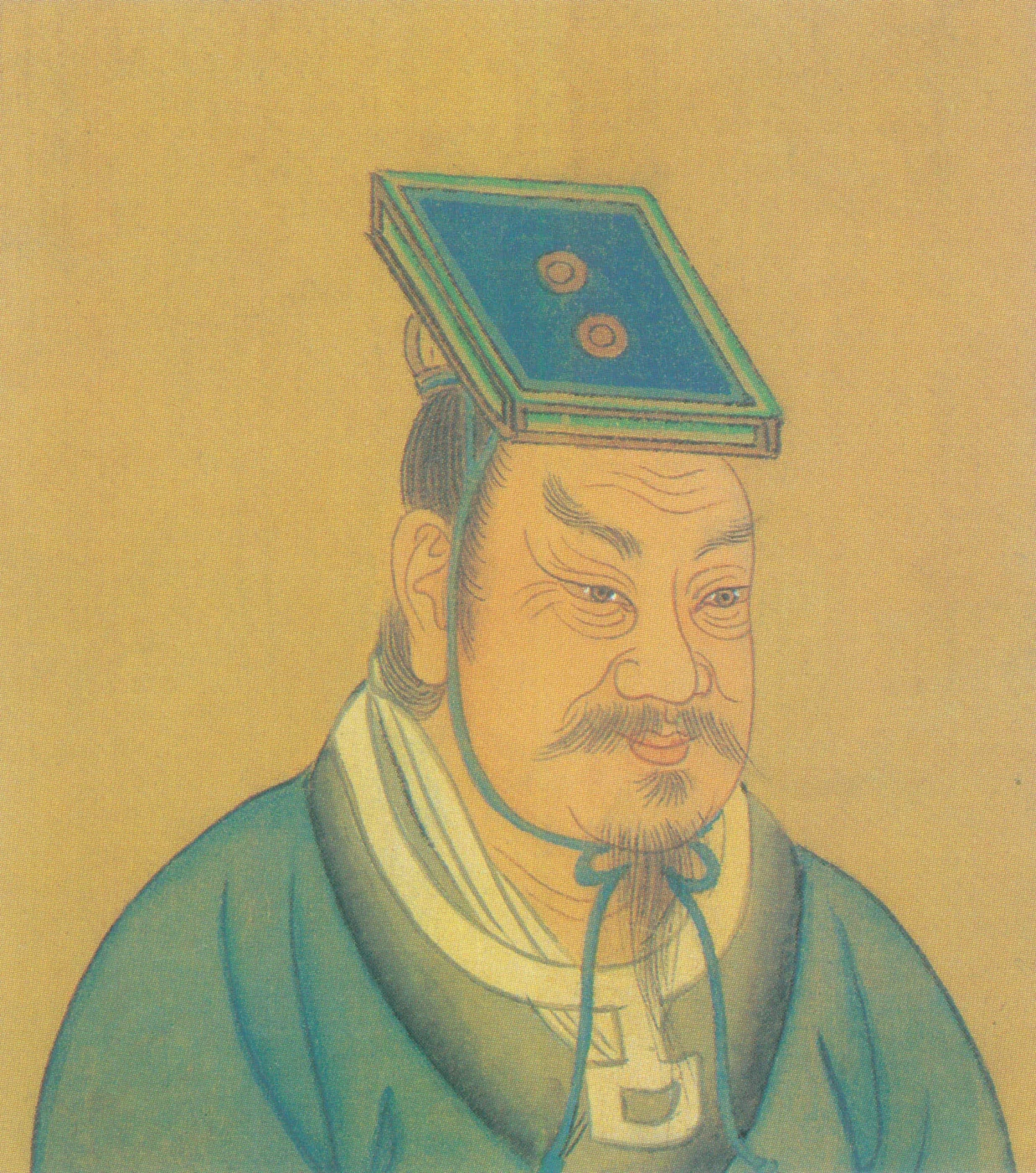
Liu Yu
Liu Yu (363–422), courtesy name Deyu and childhood name Jinu, came from a Pengcheng family and was born in Jingkou. He became a general in the late Eastern Jin and founded the Liu Song dynasty. After gaining prominence in the conflict with Sun En, he raised troops against Huan Xuan and restored the Jin emperor. He then defeated several southern rivals and conquered Southern Yan and Later Qin, entering Luoyang and Cha
Liu Song
Emperor
Liu Yifu
Liu Yifu (406–August 4, 424), childhood name Chebing, was ancestrally from Pengcheng County in Pengcheng Commandery (present-day Xuzhou, Jiangsu) and was born at Jingkou (present-day Zhenjiang, Jiangsu). He was the second emperor of Liu Song in the Southern Dynasties, reigning from 422 to 424. He was the eldest son of Liu Yu, Emperor Wu of Liu Song, and Lady Zhang. He is known in history as Emperor Shao of Liu Song.
 Liu Song
Emperor
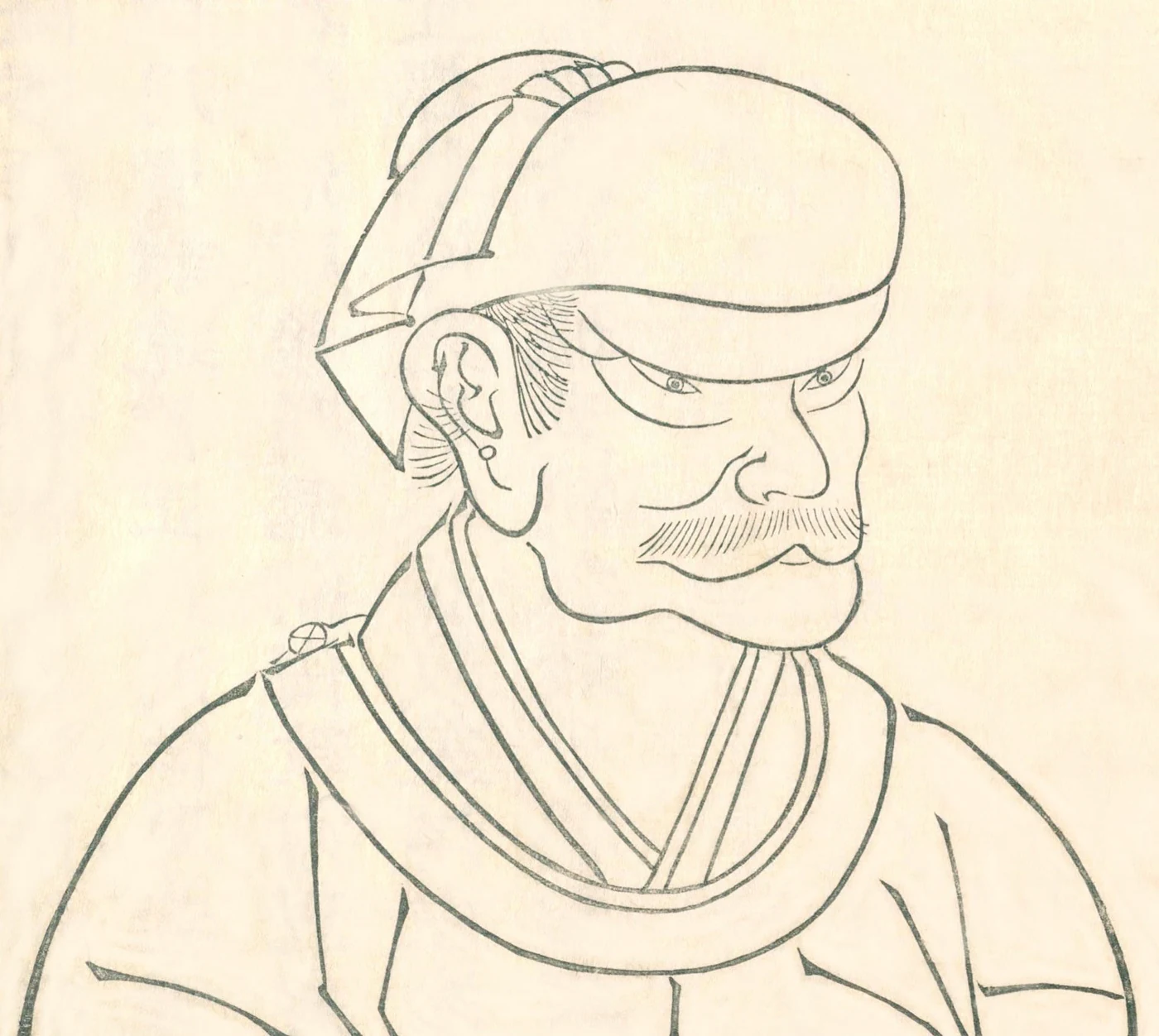
Liu Yilong
Liu Yilong (407–March 16, 453), childhood name Che'er, had his ancestral origin in Pengcheng (present-day Xuzhou, Jiangsu) and was born in Jingkou (present-day Zhenjiang, Jiangsu). He was the third emperor of Liu Song in the Southern Dynasties, the third son of Liu Yu, Emperor Wu of Liu Song, and his mother was Empress Dowager Hu Dao'an. Liu Yilong was widely read in the classics and histories, skilled in clerical sc
Liu Song
Emperor
Liu Shao
Liu Shao (424–May 27, 453), courtesy name Xiuyuan, was from Suiyu Ward, Pengcheng, in Pengcheng Commandery (present-day Tongshan District, Xuzhou, Jiangsu). He was the eldest legitimate son of Emperor Wen Liu Yilong of Liu Song in the Southern Dynasties; his mother was Empress Yuan Qigui. In 429, the sixth year of the Yuanjia era, he was made crown prince. In 453, the thirtieth year of Yuanjia, after a witchcraft aff
 Liu Song
Emperor
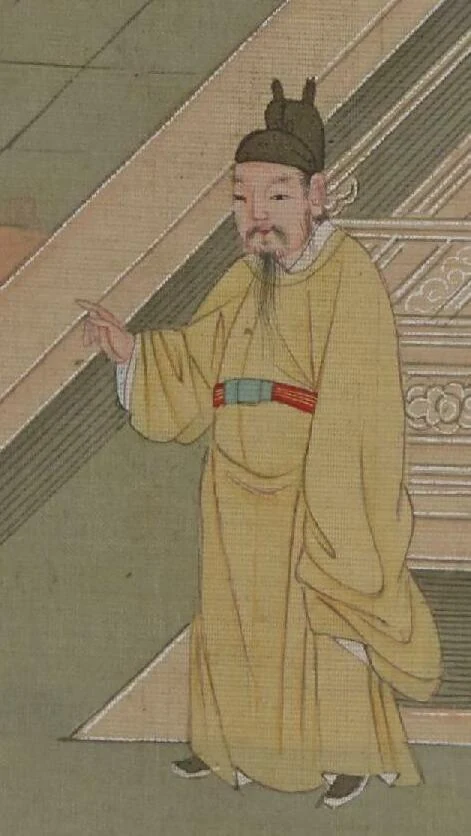
Liu Jun
Liu Jun (September 19, 430–July 12, 464), courtesy name Xiulong and childhood name Daomin, was from Pengcheng County in Pengcheng Commandery, Xuzhou, present-day Tongshan District of Xuzhou, Jiangsu. A politician of the Northern and Southern Dynasties period, he was the fifth emperor of Liu Song and reigned from May 20, 453 to July 12, 464. He was the third son of Emperor Wen Liu Yilong; his mother was Lu Huinan. Int
Liu Song
Historical figure
Liu Yu
Liu Yu was the seventh emperor of the Southern Song dynasty, the eleventh son of Emperor Wen of Liu Song, Liu Yilong, and the half-brother of Emperor Xiaowu of Liu Song, Liu Jun. During his reign, he initially suppressed the "Yijia Crisis" instigated by Liu Zixun through military means, ending the internal fragmentation of the Southern Dynasties. He also appointed talented scholars, demonstrating a benevolent side. L
Liu Song
Historical figure
Liu Yu
Liu Yu (March 1, 463 – August 1, 477), courtesy name Derong, childhood name Huizhen, was a native of Pengcheng County (present-day Xuzhou, Jiangsu Province), of Han ethnicity. He was the eighth emperor of Liu Song, the eldest son of Emperor Ming Liu Yu, with the era name Yuanhui. After his death, he was posthumously demoted to Prince of Cangwu, historically known as the Deposed Emperor Houfei of Song. In 466, he was
KEY PEOPLE
Eastern Jin
Politician
Wang Hong
Wang Hong (379–432), courtesy name Xiuyuan, was a native of Linyi County in Langya Commandery (present-day Linyi, Shandong). He was a politician from the late Eastern Jin through the early Liu Song and a founding meritorious official of Liu Song. He was the great-grandson of Eastern Jin chancellor Wang Dao, grandson of Wang Qia, who served as General of the Central Army, and eldest son of Wang Xun, Minister of Educat
Liu Song
Official
Liu Muzhi
Liu Muzhi was Liu Yu's principal strategist, responsible for logistics and domestic administration. He assisted Liu Yu in replacing Eastern Jin and laying the foundations of Liu Song and was, in practical terms, one of the chief administrators of the new regime.
Northern Dynasties
General
Shen Qingzhi
Shen Qingzhi (386–465), courtesy name Hongxian, was a native of Wukang, Wuxing (present-day west of Deqing, Zhejiang). He was a renowned military strategist and senior regent of the Southern Song dynasty (Liu Song), descended from Eastern Han Chancellor Shen Jing. Possessing great bravery and working the fields in his youth, Shen served across five successive imperial reigns: Emperor Wu, Emperor Shao, Emperor Wen, Em
Eastern Jin
Historical figure
Xiao Chengzhi
Xiao Chengzhi (384–447), courtesy name Sibo, was a native of Lanling in Southern Lanling Commandery (present-day northwest Changzhou, Jiangsu). He was a distinguished general of the late Eastern Jin and early Liu Song dynasties, and the biological father of Xiao Daocheng, founding Emperor Gao of the Southern Qi Dynasty. Ambitious from youth, he excelled in both military and civil affairs. In his early career, he acco
Northern Dynasties
Military commander
Liu Yigong
Birthplace qualification: locations retained below as native place, ancestral origin, or family background do not establish a confirmed birthplace. Liu Yigong (413 – 465), a native of Pengcheng (present-day Xuzhou, Jiangsu) born in Jingkou, was a preeminent imperial prince, chancellor, military commander, and chief regent of the Liu Song dynasty during the Southern and Northern Dynasties. He was the fifth son of Empe
Related entries
Bibliography
- 《宋书》
- 《资治通鉴》