Birth in Chengdu
Born as the fourth son of Emperor Wu (Li Xiong) of Cheng-Han.
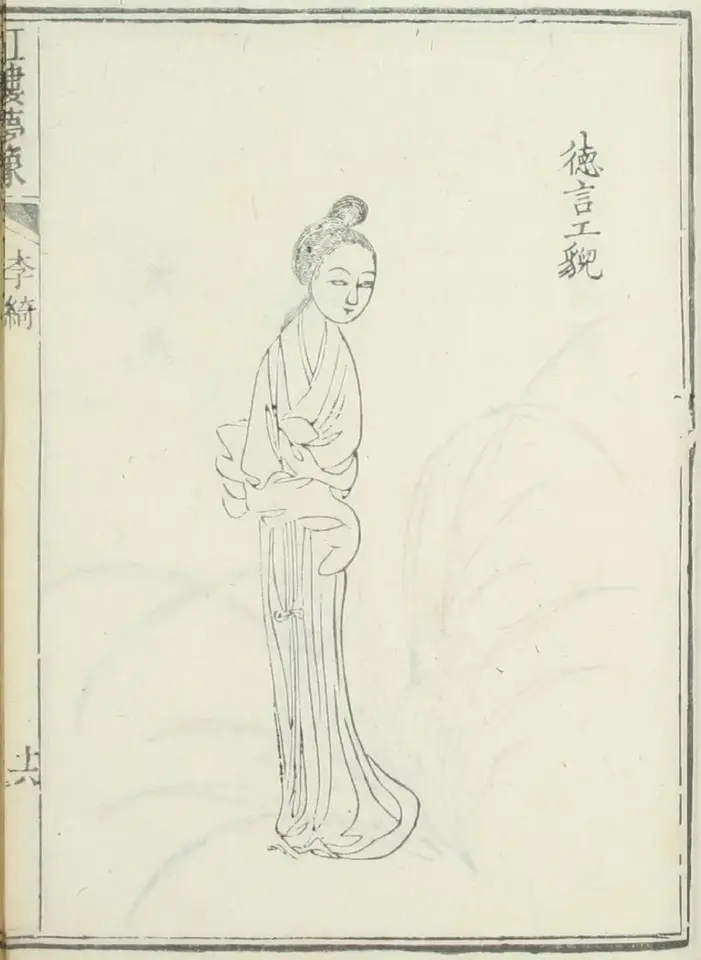
十六国
李期
Li Qi (李期) (314–338), courtesy name Shiyun, was the third sovereign of the Ba-Di Cheng-Han dynasty in southwestern China during the Sixteen Kingdoms era, remembered historically by the demoted title Duke You of Cheng-Han. He was the fourth son of founding emperor Li Xiong (Emperor Wu). Possessing youthful intelligence, literary talent, and military acumen, Li Qi served in high military posts under his father. In 334, Li…
Li Qi (李期) (314–338), courtesy name Shiyun, was the third sovereign of the Ba-Di Cheng-Han dynasty in southwestern China during the Sixteen Kingdoms era, remembered historically by the demoted title Duke You of Cheng-Han. He was the fourth son of founding emperor Li Xiong (Emperor Wu). Possessing youthful intelligence, literary talent, and military acumen, Li Qi served in high military posts under his father. In 334, Li Xiong passed away, having bypassed his biological sons to bequeath the throne to his virtuous nephew Li Ban (Emperor Ai). Bitterly resentful, Li Qi and his elder brother Li Yue launched a palace coup in October 334, assassinating Li Ban in the mortuary hall before his father's coffin. Because Li Yue was illiterate, Li Qi was placed upon the imperial throne, adopting the era title Yuheng. Once in power, Li Qi descended into paranoid cruelty. Fearing retribution, he purged his imperial cousins and founding grandees while elevating corrupt sycophants such as Jing Qian, plunging the court into terror. In 338, when Li Qi plotted to eliminate his formidable uncle, Grand General Li Shou (Prince of Han), Li Shou launched a preemptive strike from Anhan with 10,000 troops, capturing Chengdu with minimal resistance. Li Qi was deposed, demoted to Marquis of Qiongdu, and placed under strict house arrest. Despairing over his disgrace and mistreatment, twenty-five-year-old Li Qi hanged himself in confinement, marking the end of Li Xiong's direct imperial lineage.
Born as the fourth son of Emperor Wu (Li Xiong) of Cheng-Han.
Ennobled as Prince of Jianning; appointed General of Agile Cavalry and Palace Guard Commander.
Li Xiong passed away; his virtuous nephew Li Ban ascended the throne.
Orchestrated the assassination of Li Ban; ascended the imperial throne under the era Yuheng.
Executed royal cousins and veteran statesmen, placing executive trust in corrupt flatterer Jing Qian.
Overthrown by his uncle Li Shou; demoted to Marquis of Qiongdu; committed suicide by hanging at age twenty-five.
Li Qi was born in 314 in Chengdu into the Ba-Di ruling family of Cheng-Han. Unlike many of his unrefined nomadic kin, Li Qi displayed a keen intellect, studied classical poetry, and mastered equestrian combat. Admired by his father, Emperor Wu (Li Xiong), he was commissioned as Attendant within the Palace and General of Agile Cavalry, commanding elite capital regiments in his early twenties.
However, the question of imperial succession cast a dark shadow over the dynasty. Out of deep gratitude to his deceased elder brother Li Dang, who had died conquering Shu, Li Xiong designated Li Dang's son, the filial and benevolent Li Ban, as Crown Prince, bypassing his own twenty-plus sons. Li Xiong's eldest son Li Yue and fourth son Li Qi harbored intense resentment over being excluded from supreme power.
In June 334, Emperor Wu died. Li Ban took the throne as Emperor Ai, observing mourning rituals with absolute austerity and residing in a simple hut beside the late emperor's coffin.
Li Yue hurried back from his garrison at Jiangyang and covertly conspired with Li Qi. In October 334, under cover of darkness, Li Yue led shock troops into the mortuary chamber, stabbing the unarmed Li Ban to death directly in front of the imperial bier. Following the regicide, Li Yue's lack of education led the conspirators to install the charismatic twenty-year-old Li Qi upon the throne, adopting the era title Yuheng.
Having seized power through murder, Li Qi was consumed by chronic paranoia. Terrified that his relatives would follow his own bloody precedent, he launched ruthless purges. He framed and slaughtered Li Ban's younger brothers and executed prominent veteran ministers such as Chancellor Li Mo and Imperial Secretary Li You, liquidating their households to three degrees of kinship.
Simultaneously, Li Qi withdrew into the inner palace to indulge in concubines and wine, entrusting governance to corrupt favorites Jing Qian and Tian Bao. These sycophants extorted noble families, fabricating treason charges to confiscate estates, completely alienating the civilian populace and the army.
In the winter of 337, Jing Qian targeted Li Qi's uncle, the illustrious general Li Shou, who governed the fortified commandery of Anhan (modern Nanchong, Sichuan). When informed of palace plans to poison him, Li Shou resolved to strike first.
In April 338, Li Shou led 10,000 veteran cavalry down the Jialing River under the pretext of defending the capital. Chengdu's guards refused to fight for the tyrant, throwing open the city gates. Li Shou stormed the palace, arrested and executed Jing Qian, Tian Bao, and Li Yue, and issued a dowager decree stripping Li Qi of his imperial crown. Demoted to Marquis of Qiongdu, Li Qi was locked within a guarded pavilion.
Faced with hunger, insult, and humiliation from his guards, the twenty-five-year-old deposed emperor wept aloud: "All under Heaven was conquered by the swords of my father and grandfather, yet today I am reduced to a petty marquis! Dishonored in life, how can I face the world?" Taking his silk belt, he hanged himself from the rafters. Li Shou assumed the imperial mantle, founding the Later Han phase of the dynasty and bestowing upon Li Qi the unflattering posthumous title Duke You ("The Dark and Clouded Duke").
Demonstrating cold-blooded ruthlessness, Li Qi and his brother executed a lightning palace coup that overturned Li Xiong's succession settlement and seized control of the Cheng-Han state.
Through his misrule, paranoiac executions of foundational ministers, and alienation of regional princes, Li Qi fractured the founding lineage of Li Xiong, transferring imperial leadership to the collateral branch of Li Shou.
FIGURES ASSOCIATED WITH THIS DYNASTY