Royal Birth
Born into the royal Meng lineage as second son of Xungequan and grandson of Yimouxun.
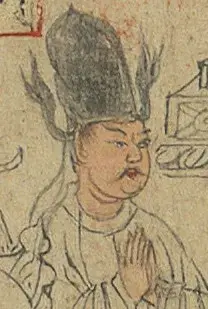
劝利晟
Quan Lisheng (劝利晟, 802–823), also known as Quan Li or Zhongyucuofeng, was a monarch of Wuman ethnicity and the sixth sovereign of the Nanzhao Kingdom, being the son of Xungequan and younger brother of Quan Longsheng. In 816 (eleventh year of the Yuanhe era of Tang), Regional Commander Wang Cuodian of Nongdong orchestrated a violent palace coup, executing the tyrannical King Quan Longsheng and elevating the fourteen-year-old…
Quan Lisheng (劝利晟, 802–823), also known as Quan Li or Zhongyucuofeng, was a monarch of Wuman ethnicity and the sixth sovereign of the Nanzhao Kingdom, being the son of Xungequan and younger brother of Quan Longsheng. In 816 (eleventh year of the Yuanhe era of Tang), Regional Commander Wang Cuodian of Nongdong orchestrated a violent palace coup, executing the tyrannical King Quan Longsheng and elevating the fourteen-year-old Quan Lisheng to the throne. Quan Lisheng reigned for eight years across the Quanyi and Dafeng era names, with state executive authority and military command predominantly managed by Wang Cuodian. Following his accession, the Nanzhao court actively sought to normalize diplomatic relations with the central Tang empire. Emperor Xianzong of Tang dispatched imperial envoys to Dali in 816 to formally invest Quan Lisheng as King of Nanzhao, and Emperor Muzong conferred further imperial honors in 822 (second year of Changqing), maintaining steady tribute missions and peaceful frontier borders. Domestically, with Wang Cuodian directing administrative and military affairs, Quan Lisheng maintained steady dynastic governance, focusing on restoring agrarian productivity and popular welfare in Yunnan. In 823, following an eight-year reign, Quan Lisheng fell gravely ill in the royal palace at Yangjumie and passed away at the age of twenty-two, receiving the posthumous title King Jing. Because Quan Lisheng left no surviving male heir, the civil and military leadership adhered to traditional fraternal succession protocols, collectively enthroning his seven-year-old younger brother, Quan Fengyou, while Wang Cuodian continued to direct executive regency.
Born into the royal Meng lineage as second son of Xungequan and grandson of Yimouxun.
His elder brother Quan Longsheng ascended the throne, and Quan Lisheng became royal prince.
Wang Cuodian executed Quan Longsheng, and the fourteen-year-old Quan Lisheng was enthroned.
Adopted the era name Quanyi; Emperor Xianzong of Tang invested him as King of Nanzhao.
Concluded the Quanyi era and established Dafeng, reforming irrigation and local tax levies.
Emperor Muzong dispatched envoys to confer imperial honors, securing bilateral frontier peace.
Passed away from illness at age twenty-two; his younger brother Quan Fengyou was elevated.
In 816 (eleventh year of Yuanhe of Tang), acute political upheaval erupted within the Nanzhao court. Since his accession, King Quan Longsheng had indulged in reckless tyranny and arbitrary executions, alienating leading tribal commanders. Regional Commander Wang Cuodian of Nongdong exploited the disaffection, leading armed retainers into the royal palace and executing Quan Longsheng. Following the elimination of the tyrant, Wang Cuodian united with court elders to elevate Quan Longsheng's mild-tempered younger brother, Quan Lisheng. At fourteen years of age, Quan Lisheng assumed the royal throne and inaugurated the Quanyi era, stabilizing the shaken dynasty.
Because Quan Lisheng was exceptionally young upon his accession, comprehensive military and civil affairs remained concentrated under Wang Cuodian. Wang Cuodian appointed himself Senior General and Chief Minister, directing state policy with absolute authority. Under his administration, Nanzhao swiftly adjusted its external posture, dispatching messengers to notify the Tang court in Chang'an. Recognizing the importance of border peace, Emperor Xianzong formally dispatched envoys to invest Quan Lisheng as King of Nanzhao. Fulfilling his tributary duties, Quan Lisheng maintained regular tribute, restoring bilateral harmony along southwestern frontiers.
In 820 (fifteenth year of Yuanhe), Quan Lisheng inaugurated the Dafeng era, continuing diplomatic alignment with Tang and pacifying regional ethnic groups. During this period, Quan Lisheng cooperated with Wang Cuodian to repair agricultural irrigation networks around the Erhai basin, distributing improved tools and revitalizing rural livelihoods. In 822 (second year of Changqing), Emperor Muzong dispatched imperial emissaries to Yangjumie to bestow gifts and confirm Quan Lisheng's authority, consolidating dynastic legitimacy across southwestern territories.
In 823 (third year of Changqing), during the eighth year of his reign, Quan Lisheng was stricken with an incurable illness within the royal palace at Yangjumie. Despite treatment by court physicians and spiritual ceremonies, his physical condition deteriorated rapidly, leading to his demise at the young age of twenty-two. Mourning court officials bestowed upon him the posthumous title King Jing. Because he died without male offspring, the ministers and Wang Cuodian elevated his seven-year-old younger brother, Quan Fengyou, ensuring unbroken continuity.
Following the violent assassination of Quan Longsheng when the court faced bloody factional fragmentation, the youthful Quan Lisheng preserved societal order through dignified moderation. By securing aristocratic consensus and ensuring an orderly transition of power, he averted destructive civil strife and preserved the royal house.
Throughout his eight-year reign, Quan Lisheng adhered consistently to peaceful diplomatic alignment with the Tang Dynasty, receiving formal investiture from Emperors Xianzong and Muzong. By sustaining continuous diplomatic embassies and flourishing frontier trade, he secured sustained peace along the Sichuan-Yunnan border, providing vital respite for domestic economic recovery.
| Relationship | Name | Identity and Historical Intersection |
|---|---|---|
| Elder Brother | Quan Longsheng | King You's eldest son; assassinated by Wang Cuodian due to despotic governance. |
| Younger Brother | Quan Fengyou | King Zhaocheng of Nanzhao; succeeded to the throne following Quan Lisheng's demise. |
| Regent Chancellor | Wang Cuodian | Senior General and Chief Minister who led the coup against Longsheng and enthroned Lisheng. |
| Sovereign Overlord | Emperor Xianzong of Tang | Tang sovereign who dispatched envoys to invest Quan Lisheng as King of Nanzhao in 816. |
Ouyang Xiu in the New Book of Tang recorded the transition: "Longsheng was reckless and unrestrained; Cuodian executed him and elevated his younger brother Quan Lisheng." Historians generally evaluate Quan Lisheng as a moderate and conscientious ruler who preserved internal equilibrium under ministerial regency. By maintaining faithful vassal relations with the Tang court and prioritizing domestic recovery, his eight years of steady rule provided essential stability during a tumultuous transition in Nanzhao history.
FIGURES ASSOCIATED WITH THIS DYNASTY