Birth in Weishan
Born into the Meng clan of the Wuman nobility in the western Yunnan highlands.
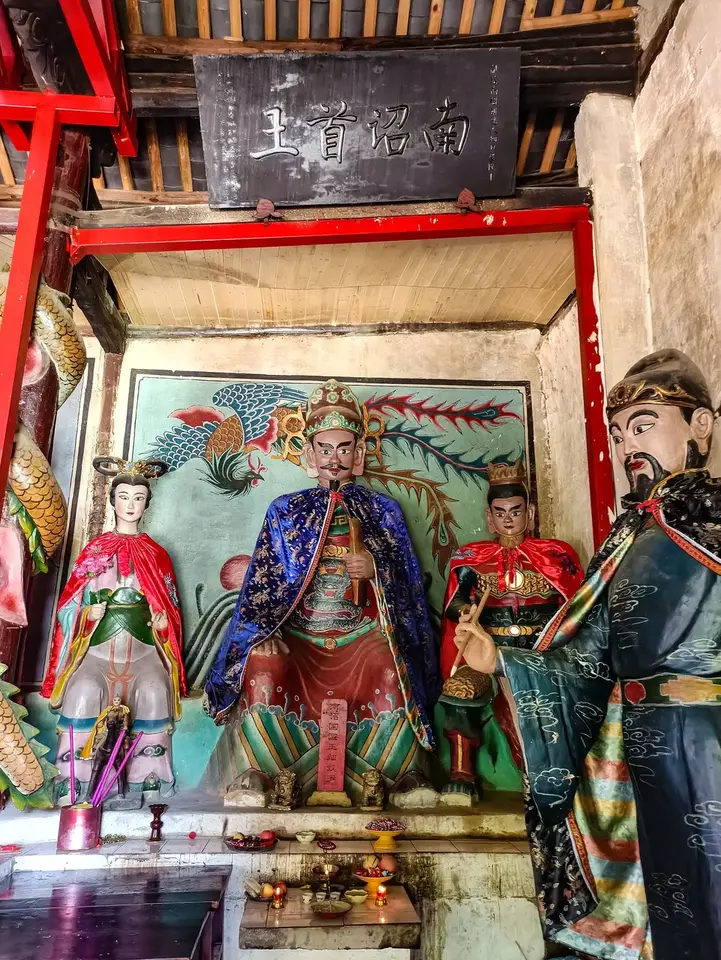
细奴逻
Xinuluo (细奴逻) (617–674), also known as Meng Xinuluo, was the founding monarch and institutional patriarch of the Nanzhao Kingdom (initially known as the Mengshe Zhao) in southwestern China. Revered posthumously as Emperor Weicheng with the temple name Gaozu, he laid the territorial, military, and diplomatic foundations for the multi-ethnic empire that ruled Yunnan for over two and a half centuries. During the Zhenguan…
Xinuluo (细奴逻) (617–674), also known as Meng Xinuluo, was the founding monarch and institutional patriarch of the Nanzhao Kingdom (initially known as the Mengshe Zhao) in southwestern China. Revered posthumously as Emperor Weicheng with the temple name Gaozu, he laid the territorial, military, and diplomatic foundations for the multi-ethnic empire that ruled Yunnan for over two and a half centuries. During the Zhenguan reign of the Tang dynasty, the Erhai basin was partitioned among six major regional chieftaincies known as the Six Zhaos. Rising from modest agrarian beginnings in the fertile Weishan valley, Xinuluo won widespread renown for his integrity, wisdom, and leadership. In 649, white-tribal ruler Zhang Lejinqiu peacefully ceded authority to Xinuluo, who established the Mengshe Zhao realm and assumed the royal title of King Qijia. Confronted by regional tribal rivalries and the relentless southern expansion of the Tibetan Empire (Tubo), Xinuluo made the visionary strategic choice to enter into a tributary alliance with the Tang central government. In 653, he dispatched his son Luosheng to Chang'an, receiving appointment as Tang Prefect of Weizhou. By importing advanced Han Chinese agricultural engineering, expanding terraced irrigation, and maintaining strict tribal cohesion, Xinuluo fostered an era of unprecedented prosperity that enabled his great-grandson Piluoge to unify all Six Zhaos.
Born into the Meng clan of the Wuman nobility in the western Yunnan highlands.
Succeeded to power following Zhang Lejinqiu's peaceful abdication; established the state and took the title King Qijia.
Dispatched his crown prince Luosheng to Chang'an to establish diplomatic allegiance with Emperor Gaozong.
Officially recognized by the Tang court as Prefect of Weizhou, cementing a defensive alliance against Tubo.
Promoted lowland irrigation and ox-plowing techniques, fortifying regional economic prosperity.
Died at the Longyutu fortress at age fifty-eight, succeeded by his son Luosheng.
Xinuluo was born in 617 during the twilight of the Sui dynasty. He belonged to the prominent Meng lineage of the indigenous Wuman people inhabiting the Mengshe river basin (modern Weishan County, Yunnan). Endowed with innate fortitude and administrative benevolence, Xinuluo personally directed land reclamation and cattle rearing, uniting agrarian and pastoral households under his leadership.
At that time, regional politics around Lake Erhai were fragmented among disparate Bai and Wu clans. Zhang Lejinqiu, chieftain of the Bai-ruled kingdom around Weishan, recognized Xinuluo's superior charisma and moral stature. In an extraordinary historical act of peaceful dynastic transition, Zhang abdicated his lordship in favor of Xinuluo and gave him his daughter in marriage. In 649, Xinuluo ascended the throne in the Mengshe basin, consecrating the polity as Da Meng (historically called Mengshe Zhao because it lay southernmost among the Six Zhaos) and styling himself King Qijia.
Xinuluo's accession occurred alongside the rapid southward thrust of the militarized Tibetan Empire (Tubo) under Songtsen Gampo and Gar Tongtsen, which swept over northwestern Yunnan and pressured indigenous chieftains. Concurrently, northern rival Zhaos skirmished constantly along the shores of Lake Erhai. Xinuluo correctly identified that surviving between predatory neighbors required deep geopolitical alignment with the central Tang empire.
In 653 (the fourth year of the Yonghui era), Xinuluo dispatched his eldest son and heir Luosheng leading a diplomatic mission to Chang'an. Emperor Gaozong received the southern delegates with exceptional honor, holding imperial banquets and conferring rich silk robes and gold seals. In 654, the Tang court formally established the Jimi Prefecture of Weizhou and appointed Xinuluo as its founding Prefect. This imperial recognition conferred decisive political legitimacy upon Mengshe Zhao, deterring Tubo raids and elevating Xinuluo above neighboring tribal lords.
Armed with Tang patronage, Xinuluo concentrated on domestic governance and defensive fortification. He systematically absorbed Han Chinese hydraulic architecture, digging canals across the Weishan floodplains, promoting iron plows, and converting traditional slash-and-burn hillsides into fertile terraced rice paddies.
Simultaneously, Xinuluo instituted a harmonizing policy that merged Wuman military strength with Baiman administrative literacy. He established strict penal codes and organized regular militia musters, creating a disciplined highland army. Through this combination of economic dynamism and military preparedness, Mengshe Zhao evolved into the preeminent regional power in Yunnan.
In 674, Xinuluo died at Longyutu Castle in Weishan at the age of fifty-eight. His son Luosheng took over the realm, sustaining the pro-Tang diplomatic posture. Following Nanzhao's subsequent unification of Yunnan, Xinuluo was honored with the temple name Gaozu and the posthumous title Emperor Weicheng.
Xinuluo successfully accomplished the peaceful transition of power from the Zhang clan, establishing the Mengshe Zhao dynasty which ruled the southwestern frontier of China for two hundred and fifty-three years.
Recognizing the existential danger posed by the Tibetan Empire, Xinuluo forged an enduring tributary partnership with Emperor Gaozong, integrating Nanzhao into the imperial Chinese tributary framework and securing critical metropolitan support for its regional ascendancy.
FIGURES ASSOCIATED WITH THIS DYNASTY