Wang Mang proclaimed himself emperor and established Xin.
9 CE–23 CE
Xin dynasty
An age of radical reform新朝
Xin (9–23 CE) was the short-lived regime established after Wang Mang replaced the Han dynasty, representing a period of nominal unification between Western Han and Eastern Han. In 8 CE Wang Mang deposed Ruzi Ying, and in the following year formally proclaimed himself emperor and established the state of Xin, with its capital at Chang'an, whose first character was officially replaced by a homophonous character under Xin, in the area of present-day Xi'an. He treated the year as the first year of…
9 CE–23 CECapital · Chang'an
ERA OVERVIEW
Xin (9–23 CE) was the short-lived regime established after Wang Mang replaced the Han dynasty, representing a period of nominal unification between Western Han and Eastern Han. In 8 CE Wang Mang deposed Ruzi Ying, and in the following year formally proclaimed himself emperor and established the state of Xin, with its capital at Chang'an, whose first character was officially replaced by a homophonous character under Xin, in the area of present-day Xi'an. He treated the year as the first year of his reign. Wang Mang pursued archaizing reforms involving currency, land, official institutions, and other areas in an attempt to restore an idealized Zhou ritual order. The measures were complex and frequently altered, while repeated natural disasters and worsening livelihood conditions contributed to widespread uprisings. In 23 CE, Lulin forces entered Chang'an and Wang Mang was killed, bringing Xin rule to an end. Liu Xiu later restored the Han, known as Eastern Han. Xin lasted only a little more than a decade and formed a transitional regime between the two Han periods.
Time span9 CE–23 CE
CapitalChang'an
ERA TIMELINE
Major reforms concerning land, servile dependents, and currency were implemented.
In the second month, residents of Chang'an, hearing that Xin intended to move the capital to Luoyang, refused to repair their homes.
Further currency and bureaucratic adjustments intensified social disruption.
Disasters and popular unrest increased.
The Red Eyebrows rose.
Lulin factions brought the Gengshi regime to power.
After the Battle of Kunyang, the main Xin army collapsed; Chang'an fell and Xin ended.
FULL ENTRY
Historical Development
Establishment: In the late Western Han, the imperial relative Wang Mang served for a long period as regent and accumulated supreme authority. In 8 CE, the third year of Ruzi Ying's Jushe period, he deposed Ruzi Ying. In the following year he changed the era, proclaimed himself emperor, and founded Xin, presenting the transition as a peaceful abdication from Han.
High Point: At the beginning of Xin rule, Wang Mang used the existing state machinery to implement the “King's Fields” and “Private Dependents” policies and related reforms, seeking to restrain land concentration and revive an idealized well-field order. For a time, the regime appeared to show signs of renewal.
Turning Point: The reforms were detached from practical conditions, administratively complicated, and met with strong resistance. Repeated currency changes disrupted the economy. Policies toward the Xiongnu, the Western Regions, and other frontier areas also caused difficulties, intensifying both internal and external tensions.
Decline: Around the beginning of the Tianfeng era in 14 CE, successive droughts and locust disasters increased displacement. The Red Eyebrows and Lulin movements and other armed uprisings spread, while the area under effective Xin rule steadily contracted.
Fall: In 23 CE, the fourth year of Dihuang, Lulin forces entered Chang'an. Wang Mang was killed at the Gradual Terrace, and Xin collapsed. Liu Xiu later defeated competing forces and restored the Han dynasty, known as Eastern Han.
Politics and Institutions
Xin inherited and transformed the Western Han official system. Wang Mang reorganized government according to an archaizing interpretation of the Rites of Zhou, changing official titles and administrative divisions and implementing the “King's Fields—Private Dependents” measures and the Five Equalizations and Six Controls. Many policies were deliberately archaizing and repeatedly revised, creating practical confusion. Details of recruitment, law, and supervision that remain uncertain are treated in their respective entries.
Military and Diplomacy
Militarily, Xin relied on commanders inherited from the Han system to hold frontier commanderies, but its handling of foreign relations was often counterproductive. The government slighted the Xiongnu and downgraded the title of the Chanyu, contributing to renewed conflict. Harsh or disruptive policies also weakened control in the Western Regions and among southwestern peoples. Frontier warfare and domestic rebellions combined to undermine the regime, which was eventually defeated by rebel forces including those associated with Lulin and the Battle of Kunyang.
Economy and Commerce
Wang Mang implemented sweeping monetary reforms, including the complex “precious currency” system of five materials, six denominations, and twenty-eight varieties, as well as the Five Equalizations and Six Controls for state management of commerce and price stabilization. These measures were intended to strengthen economic control, but repeated currency changes and heavy exactions instead caused market disorder, intensified popular resentment, and severely disrupted commerce.
Culture and Society
Xin promoted classical learning and the Old Text tradition. Wang Mang based many reforms on classical precedents and paid close attention to ritual systems and prophetic portents. Socially, natural disasters, political disruption, and heavy obligations sharpened class tensions, produced large numbers of displaced people, and fueled repeated uprisings, causing social order to break down.
Rulers and Political Core
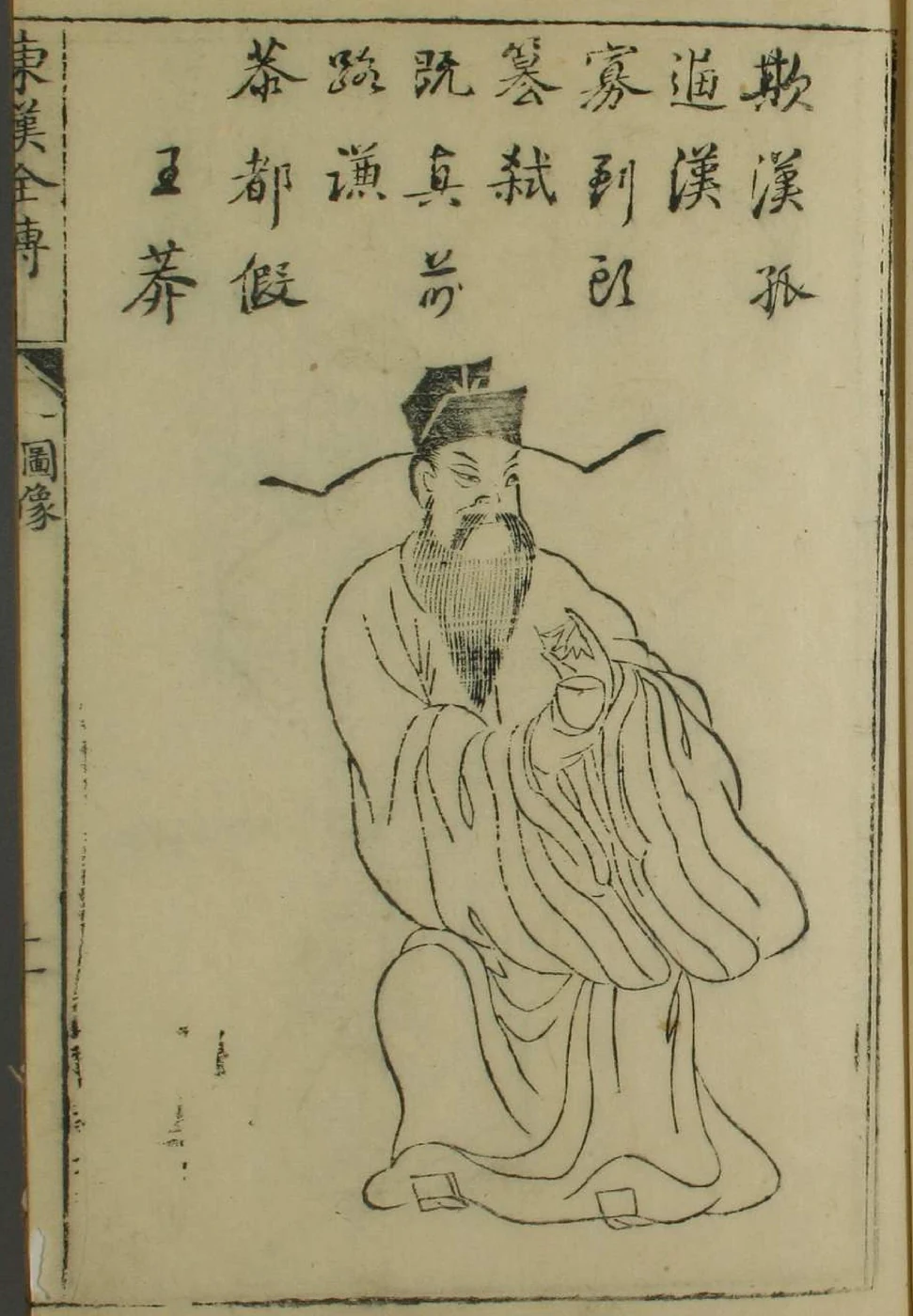
Wang Mang.
> This section explains major political actors; full biographies are carried by the corresponding person entities.
Historical Assessment and Legacy
Contemporary assessment: Wang Mang's archaizing reforms and compulsory levies generated broad dissatisfaction at court and in society. Contemporary criticism described the legal system as severe and the reforms as excessively complicated, while rebel movements treated his rule as a source of disorder. Much contemporary opinion therefore focused on the loss of political support caused by reform.
Later historical assessment: Later historians have generally regarded Xin as a transitional regime between Western and Eastern Han. Its reforms are often described as an attempt to restore antiquity without sufficient regard for practical conditions, including an ineffective effort to revive idealized well-field arrangements. It has also served as an important reference point for study of Han political and economic institutions and for later ideas of dynastic legitimacy, since Xin was often excluded from orthodox imperial succession. These statements summarize later historical interpretations rather than constituting primary evidence.
Rulers
Wang Mang.
KEY PEOPLE
 Xin dynasty
General
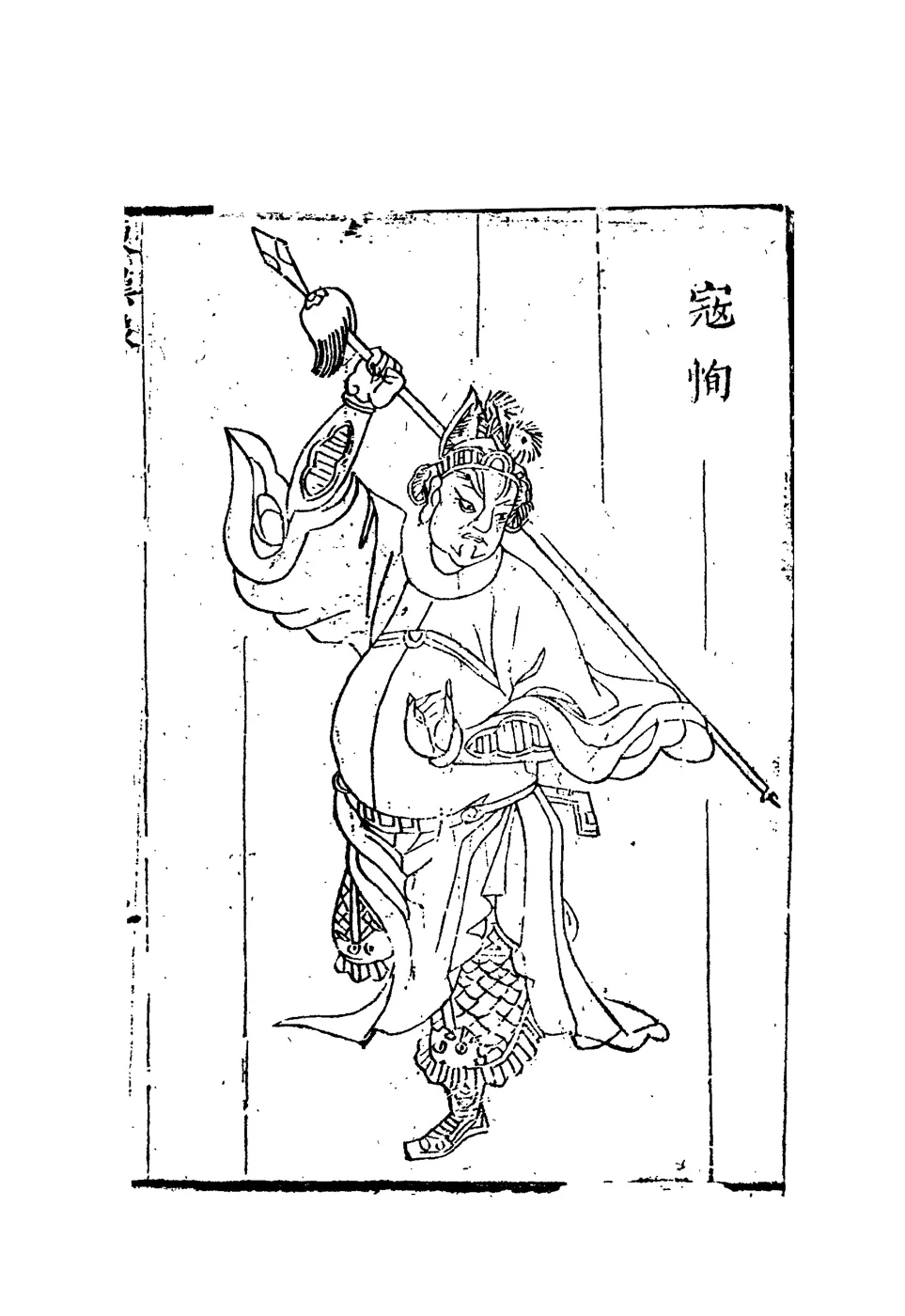
Kou Xun
Kou Xun was one of the Twenty-Eight Generals of the Cloud Terrace and held the title Marquis of Yongnu. He administered Henei and later Yingchuan, providing crucial logistical support and supplies for the armies of Emperor Guangwu.
Western Han
Philosopher
Huan Tan
Huan Tan (c. 23 BC–c. 56 AD), courtesy name Junshan, was a native of Xiang County in Pei State (present-day Suixi County, Anhui Province). He was a preeminent philosopher, materialist thinker, classical scholar, and master of the zither (qin) across the transition from Western Han to Eastern Han. Entering officialdom as a Gentleman (Lang) under Emperor Cheng of Han through his father's privilege, he mastered the
Western Han
Western Han Statesman
Chen Xian
Chen Xian (c. 73 BCE–c. 10 CE), courtesy name Zikang, was a native of Xiang County in Pei Commandery (modern Huaibei, Anhui). He was a high-ranking minister of the late Western Han Dynasty and son of Imperial Counselor Chen Wannian, reaching the post of Chamberlain for the Palace Revenues (Shaofu), one of the Nine Ministers. Known for sharp intelligence and unbending candor, he served as Palace Censor under Emperor Y
Xin dynasty
Early Eastern Han Classical Scholar
Zheng Xing
Zheng Xing (c. 20 BCE–c. 38 CE), courtesy name Shaogan, was a native of Kaifeng in Henan Commandery (modern Kaifeng, Henan). He was a foundational master of Old Text Confucianism and a civil minister during the transition between the Western and Eastern Han dynasties, being the father of classical polymath Zheng Zhong. Studying the Zuo Tradition of Spring and Autumn Annals and Mao Poems under Liu Xin, he firmly rejec
Related entries
Bibliography
- 《汉书》
- 《资治通鉴》