Wang Jian proclaimed himself emperor in Chengdu, formally establishing Former Shu.
907 CE–925 CE
Former Shu
Regional polity前蜀
Former Shu was one of the Ten Kingdoms, established in Sichuan by the late-Tang warlord Wang Jian with its capital at Chengdu. Wang Jian rose from the ranks of the military and gradually gained control of Western Sichuan, Eastern Sichuan, and parts of Hanzhong in the late Tang. After Later Liang replaced the Tang, he proclaimed himself emperor. Sichuan's enclosed terrain and relatively strong agricultural and handicraft base allowed Former Shu to remain comparatively stable amid warfare in the…
907 CE–925 CECapital · Chengdu
ERA OVERVIEW
Former Shu was one of the Ten Kingdoms, established in Sichuan by the late-Tang warlord Wang Jian with its capital at Chengdu. Wang Jian rose from the ranks of the military and gradually gained control of Western Sichuan, Eastern Sichuan, and parts of Hanzhong in the late Tang. After Later Liang replaced the Tang, he proclaimed himself emperor. Sichuan's enclosed terrain and relatively strong agricultural and handicraft base allowed Former Shu to remain comparatively stable amid warfare in the Central Plains and to attract many scholars fleeing disorder. After Wang Jian's death, Wang Yan ruled extravagantly while military and administrative discipline deteriorated. Later Tang forces then entered Shu rapidly, and the regime lasted for only two rulers.
Time span907 CE–925 CE
CapitalChengdu
ERA TIMELINE
Former Shu competed with Qi and other neighboring powers for control of transportation routes through the Qinling Mountains.
Wang Jian died, and Wang Yan succeeded him.
Wang Yan changed the era name to Qiande, marking the later phase of Former Shu rule.
Northern defenses continued to deteriorate, and Later Tang began preparations for an invasion of Shu.
(first year of Xiankang; third yea
925 (first year of Xiankang; third year of Tongguang under Later Tang): Later Tang forces entered Chengdu, Wang Yan surrendered, and Former Shu fell.
FULL ENTRY
Historical Development
In the late Tang, Wang Jian entered Sichuan, first took control of Chengdu, and then annexed Eastern Sichuan and other areas to form a regional regime. In 903, the third year of the Tianfu era, the Tang court enfeoffed him as Prince of Shu. In 907, the first year of Kaiping, after Zhu Wen replaced the Tang, Wang Jian proclaimed himself emperor in Chengdu and named his state Shu. He tightened official administration, paid attention to agriculture and military preparedness, and used Sichuan's terrain to preserve independence. Wang Jian died in 918, the first year of Guangtian, and Wang Yan succeeded him. Under Wang Yan, palace expenditures expanded, appointments were mishandled, and frontier defenses and military discipline weakened. In 925, the third year of Tongguang, Emperor Zhuangzong of Later Tang sent Guo Chongtao and Li Jiji to attack Shu. The defending forces collapsed in succession, and Wang Yan surrendered. After Sichuan briefly came under Later Tang rule, Meng Zhixiang later established Later Shu in the region.
Politics and Institutions
Former Shu was centered on Wang Jian's military following while also absorbing former Tang Dynasty officials and displaced scholars. Its central institutions largely followed Tang models, while local administration relied on military jurisdictions, prefectures, and counties. Wang Jian emphasized control over military commanders and the accumulation of fiscal reserves. Under Wang Yan, the inner court and close retainers expanded, while decision-making became detached from frontier realities, weakening the regime's ability to respond to crises.
Military and Diplomacy
The Qinling Mountains, Daba Mountains, and Three Gorges formed natural barriers around Sichuan. Former Shu controlled strategic passes such as Jianmen and interacted, sometimes violently, with neighboring powers including Qi, Later Liang, and Jingnan. Under Wang Jian, the army retained substantial fighting strength and expanded into Hanzhong. In the later period, frontier defenses slackened. Later Tang forces broke through from the north, and local garrisons lacked unified command, leading to a rapid collapse.
Economy and Commerce
The Chengdu Plain had a strong irrigation and agricultural base, and grain production, silk weaving, tea production, and commerce continued to develop. Migrants and scholars from the north brought skills and talent into Sichuan, contributing to both the economy and culture. In the later period, lavish palace spending and an imbalance in military expenditure increased fiscal pressure.
Culture and Society
Former Shu inherited the cultural traditions of western Sichuan from the late Tang. Poetry, painting, Buddhism, and Daoism flourished in Chengdu. Displaced literati and local scholars together formed an important regional cultural center, and literary styles such as the Huajian lyric tradition developed in the western Sichuan environment of the Five Dynasties. Courtly cultural prosperity coexisted with political crisis.
Rulers and Political Leadership
Wang Jian, Wang Yan.
> This section explains the position of rulers and political leaders in the evolution of the regime; complete biographies are provided in the corresponding person entities.
Historical Assessment and Legacy
Former Shu allowed Sichuan to retain a relatively independent political and economic space during the turmoil of the late Tang and Five Dynasties and also created conditions for the continuation of a regional regime under Later Shu. Its rapid fall showed that natural defenses could not substitute for sustained military and administrative consolidation. Former Shu and Later Shu together formed an important background to the cultural prosperity of western Sichuan during the Five Dynasties.
Rulers
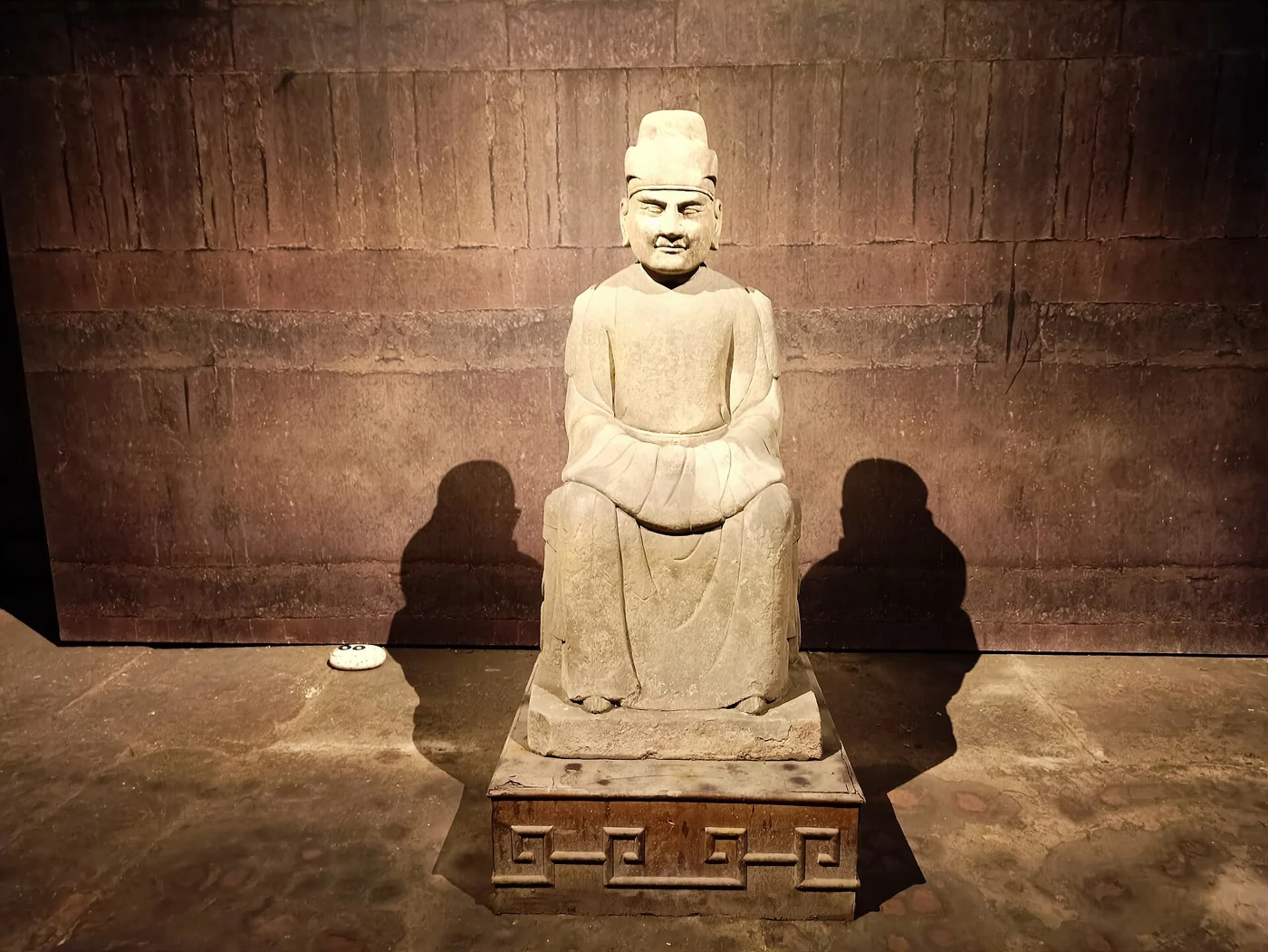 Former Shu
Emperor
Wang Jian
Wang Jian (February 26, 847 – July 11, 918), courtesy name Guangtu, childhood name Xingge, was a native of Wuyang in Xuzhou (present-day Wuyang County, Luohe, Henan Province). He was the founding emperor of the Former Shu dynasty (reigned 907–918) during the Five Dynasties and Ten Kingdoms period, as well as an outstanding military commander, grand strategist, and benevolent sovereign who brought lasting peace and pr
Former Shu
Historical figure
Wang Yan
Wang Yan (900–926), formerly Wang Zongyan and courtesy-named Huayuan, was the youngest son of Wang Jian, founder of Former Shu. After the death of the original heir, Wang Yuanying, Wang Jian made him crown prince. He succeeded his father in 918 (first year of Former Shu Guangtian). During his reign, Wang Zongbi, Song Guangsi, and other close associates handled much of the government, while the court built palaces and
KEY PEOPLE
Related entries
Bibliography
- 《资治通鉴》