赵元俨
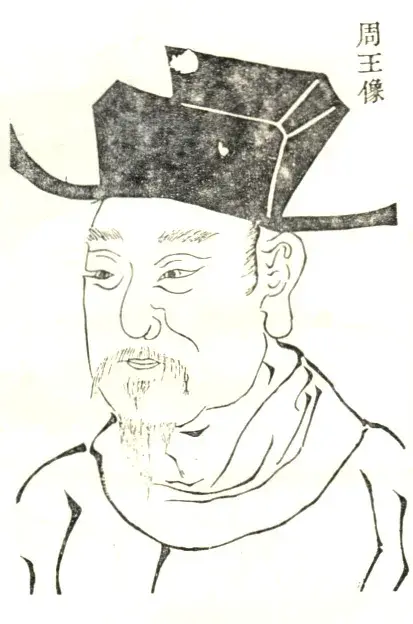
Historical portrait of Zhao Yuanyan
Image credits趙詒翼(Zhao Yiyi) 趙詒琛(Zhao Yichen) (Life time: Unclear. Highly unlikely they are still alive considering they were working on a book in 1909, more than a 100 yea · Public domainImage source

Historical figure

Zhao Yuanyan (赵元俨)

赵元俨

Zhao Yuanyan (赵元俨, 985–1044) was a native of Kaifeng, the Eastern Capital (present-day Kaifeng, Henan). He was a paramount imperial prince, leading statesman, and venerated royal elder of the Northern Song dynasty. The eighth son of Emperor Taizong (Zhao Jiong), younger half-brother of Emperor Zhenzong (Zhao Heng), and imperial uncle to Emperor Renzong (Zhao Zhen), he was born to Noble Consort Wang. Endowed from youth with a…

Era not stated

PROFILE

Zhao Yuanyan (赵元俨, 985–1044) was a native of Kaifeng, the Eastern Capital (present-day Kaifeng, Henan). He was a paramount imperial prince, leading statesman, and venerated royal elder of the Northern Song dynasty. The eighth son of Emperor Taizong (Zhao Jiong), younger half-brother of Emperor Zhenzong (Zhao Heng), and imperial uncle to Emperor Renzong (Zhao Zhen), he was born to Noble Consort Wang. Endowed from youth with a broad brow, full visage, and unyielding gravity, he enjoyed his father's doting affection. Taizong permitted him to remain in the palace until age twenty, earning him the affectionate court nickname "Twenty-Eighth Guardian," while commoners and soldiers revered him as the "Eighth Prince." During the reign of Emperor Zhenzong, Zhao Yuanyan held regional military commissions and rose to Secretariat Director, ennobled consecutively as Prince of Cao, Prince of Hua, and Prince of Jing. Following Renzong's succession in his minority, Empress Dowager Liu (Empress Zhangxian Mingsu) assumed regency for over a decade. Fearing that imperial in-law dominance might threaten the dynastic lineage, Zhao Yuanyan practiced strict seclusion, claiming chronic illness and shutting his gates for over ten years to safeguard the royal clan. In 1033, upon Empress Dowager Liu's death, Zhao Yuanyan immediately secured an imperial audience with Emperor Renzong to disclose the explosive court secret: that Renzong's true biological mother was the late Consort Li rather than Empress Liu. This intervention prompted Renzong to posthumously elevate his birth mother, serving as the historical genesis for the legendary folklore "Civet Cat Exchanged for Crown Prince." During Renzong's personal rule, the emperor treated his uncle with extraordinary reverence, elevating him to Grand Preceptor, Secretariat Director, Pastor of Yangzhou, Prince of Jing, and Prince of Zhou, consulting him on paramount affairs of state. He passed away in the first month of 1044 at the age of sixty; Emperor Renzong attended his funeral in tears, posthumously conferring the office of Supreme General of Tiance, Prince of Yan, and the posthumous name Gongsu. Serving across three imperial reigns, Zhao Yuanyan was celebrated for his moral dignity, political prudence, and protection of the royal house.

Posthumous Title
Gongsu
Ennobled Titles
Prince of Zhou, Prince of Jing, Prince of Yan, Prince of Jing, Prince of Hua, Prince of Cao
Native Place
Kaifeng, Eastern Capital (present-day Kaifeng, Henan)
Date of Birth
985 (Second year of the Yongxi era, Song)
Date of Death
1044 (First month, fourth year of the Qingli era, Song)
Age at Death
60
Highest and Primary Offices
Grand Preceptor, Secretariat Director, Grand Area Commander of Shanzhou, Pastor of Yangzhou, Supreme Pillar of State, Specially Advanced Officer with Equal Honors to the Three Dignitaries, Prince of Zhou, posthumously Supreme General of Tiance
Accurate Identity Orientation
Eminent imperial prince and elder statesman of Northern Song; eighth son of Emperor Taizong; popularly revered as the "Eighth Prince"; historical figure who revealed the true parentage of Emperor Renzong

LIFE TIMELINE

Relationship graph

BIOGRAPHY

Chronology

  • 985 (Second year of the Yongxi era, Song) | Birth in the Palace | Born in the Kaifeng palace, displaying imposing physical gravity; favored by Taizong as "Twenty-Eighth Guardian."
  • 1002 (Fifth year of the Xianping era, Song) | Royal Commission | Established his official residence at age eighteen, appointed Military Commissioner of Pingjiang and Prince of Cao.
  • 1017 (First year of the Tianxi era, Song) | Rise to Supreme Prestige | Appointed Secretariat Director and created Prince of Hua and Prince of Jing, celebrated by commoners as the "Eighth Prince."
  • 1022 (First year of the Qianxing era, Song) | Strategic Seclusion | Retired from court life on pretense of illness upon Empress Dowager Liu's regency, shutting his gates for a decade.
  • 1033 (Second year of the Mingdao era, Song) | Revealing Royal Maternity | Disclosed to Emperor Renzong that his true biological mother was the late Consort Li, initiating imperial posthumous honors.
  • 1034 (First year of the Jingyou era, Song) | Paramount Imperial Elder | Elevated to Grand Preceptor, Secretariat Director, Grand Area Commander of Shanzhou, and Prince of Zhou.
  • 1044 (Fourth year of the Qingli era, Song) | Peaceful Passing | Passed away at age sixty; Emperor Renzong attended his funeral in person, conferring Supreme General of Tiance and the name Gongsu.

Life and Career

Stately Bearing and Special Favor from Taizong

Zhao Yuanyan was born in 985 in the imperial palace in Kaifeng. His biological mother was Noble Consort Wang, who enjoyed Emperor Taizong's special favor. Among Taizong's nine biological sons, Zhao Yuanyan was the eighth.

From childhood, Zhao Yuanyan possessed an imposing physical presence, characterized by an exceptionally broad forehead, full cheeks, and deep, penetrating eyes. His natural gravity conveyed an authoritative aura that commanded instant respect. In his later years, Emperor Taizong was particularly fond of this eighth prince, keeping him close by his side to instruct him in the classics and remarking to courtiers: "This boy has a broad forehead and heavy visage; he possesses the marks of profound virtue and grand fortune!"

According to Northern Song palace statutes, royal princes typically underwent formal coming-of-age ceremonies around fifteen or sixteen years old, establishing separate households and receiving princely titles. However, Taizong issued a special dispensation permitting Zhao Yuanyan to reside inside the imperial apartments until he reached twenty. Because he was the eighth prince, inner palace attendants affectionately dubbed him the "Twenty-Eighth Guardian."

In 1002, when Zhao Yuanyan reached eighteen, Emperor Zhenzong fulfilled their father's wishes by granting him an independent estate, appointing him Military Commissioner of Pingjiang Army and Commandery Prince of Guangling. Over subsequent years, Zhenzong elevated his brother through offices including Chancellor, Acting Grand Preceptor, and Secretariat Director, ennobling him consecutively as Prince of Cao, Prince of Hua, and Prince of Jing. Known for his stern rectitude and moral authority, citizens of Kaifeng and imperial troops universally revered him as the "Eighth Prince."

Self-preservation during Empress Dowager Liu's Regency

In 1022, Emperor Zhenzong died, and thirteen-year-old Emperor Renzong ascended the throne under the regency of Empress Dowager Liu (Empress Zhangxian Mingsu).

Empress Dowager Liu was a resolute and formidable ruler who dominated court appointments for over a decade. Throughout her regency, officials who challenged the interests of the Liu consort clan were purged without hesitation. As the senior-most imperial uncle possessing immense public prestige, Zhao Yuanyan naturally became the primary focus of suspicion for the empress dowager and her relatives.

Zhao Yuanyan understood the delicate mechanics of dynastic survival. He recognized that openly confronting the regent would ignite factional warfare and imperil the royal clan.

To defuse the empress dowager's suspicions and preserve the dynastic line, Zhao Yuanyan adopted a strategy of strict seclusion. He submitted memorials pleading chronic illness, shuttered his mansion gates, and severed all communication with grand councilors. For over a decade, he spent his days studying calligraphy and classical texts, occasionally feigning mental dullness. Seeing that the formidable "Eighth Prince" had abandoned politics, Empress Dowager Liu lowered her guard, enabling the Zhao royal house to navigate the minority reign without bloodshed.

Revealing the Royal Parentage and Fulfilling Filial Duty

In the third month of 1033, Empress Dowager Liu passed away in Kaifeng, and twenty-four-year-old Emperor Renzong assumed personal rule.

Following the empress dowager's encoffining, Zhao Yuanyan donned formal robes and immediately sought an audience with the young sovereign. Dismissing all attendants, the prince tearfully revealed a closely guarded imperial secret that had been concealed for over two decades.

Zhao Yuanyan wept: "Your Majesty was raised as Empress Liu's son from infancy, but your true biological mother was the late Consort Li! Lady Li passed away in seclusion last year; court whispers state that she perished under suspicious circumstances and was denied imperial funeral honors!"

Emperor Renzong was devastated, weeping inconsolably. The emperor ordered imperial troops to surround the residences of Empress Liu's relatives, personally leading trusted ministers to Hongfu Monastery to exhume Consort Li's coffin. Upon opening the casket, Renzong discovered that her body had been preserved in mercury, her face serene, and that she had been buried in the ceremonial vestments of an empress dowager. Learning that Chancellor Lyu Yijian had secretly persuaded Empress Liu to grant her an empress's burial, Renzong was deeply relieved and lifted the siege on the Liu clan.

Emperor Renzong conducted magnificent ceremonies to posthumously honor Consort Li as Empress Zhangyi. By exposing the truth, Zhao Yuanyan allowed Renzong to honor his biological mother and restore proper filial relations. This historic event was celebrated by popular storytellers and dramatists, becoming the core historical inspiration for the famous drama Civet Cat Exchanged for Crown Prince.

Exalted Seniority under Renzong and Noble Passing

Following the revelation of his parentage, Emperor Renzong was profoundly grateful to his uncle Zhao Yuanyan, treating him as his most reliable elder counselor.

In 1034, Renzong issued an edict promoting Zhao Yuanyan to Grand Preceptor, Secretariat Director, Grand Area Commander of Shanzhou, Pastor of Yangzhou, and Prince of Jing, soon elevating him to Prince of Zhou. To demonstrate unparalleled honor, Renzong granted him the rare privilege of riding a litter directly to the palace gates, exempting him from walking, and seating him above all civil and military officials during state banquets. Whenever significant military or administrative dilemmas arose, Renzong dispatched envoys to consult the Prince of Zhou.

In his final years, Zhao Yuanyan immersed himself in classical literature and fine art. His residence housed tens of thousands of books, where he hosted renowned scholars and composed literary commentaries, earning widespread praise as an exemplary royal prince.

In the first month of 1044, Zhao Yuanyan passed away peacefully in his Kaifeng residence at the age of sixty.

Emperor Renzong was grief-stricken, suspending court audiences for five days and attending his funeral in person. Renzong posthumously granted him the title Supreme General of Tiance, Pastor of Xu and Yan Prefectures, and Prince of Yan, with the posthumous title Gongsu. Serving across three reigns, Zhao Yuanyan preserved his family through wisdom in times of crisis and championed truth with courage, standing as a legendary paragon of Song royal nobility.
Key Achievements

Majestic Demeanor and Special Royal Affection

Admired by Emperor Taizong for his imposing physical presence and moral gravity; allowed to remain in the palace until age twenty, earning the court nickname "Twenty-Eighth Guardian" and public reverence as the "Eighth Prince."

Strategic Seclusion during Empress Liu's Regency

Adopted deliberate political seclusion for over a decade while Empress Dowager Liu dominated the court, claiming illness to eliminate royal suspicion and shield the dynastic family.

Disclosing the Biological Mother to Emperor Renzong

Disclosed the truth of Emperor Renzong's birth to Consort Li following Empress Liu's demise in 1033, enabling the emperor to posthumously honor his mother, inspiring the legend of the Civet Cat Exchanged for Crown Prince.

Supreme Royal Seniority Honored as Grand Preceptor

Elevated to Grand Preceptor, Secretariat Director, and Prince of Zhou under Renzong; granted the privilege of riding a litter to the palace gates, honored posthumously as Supreme General of Tiance and Prince Gongsu.

Personal Relationships

  • Imperial Father: Zhao Jiong (Emperor Taizong of Song, who favored Zhao Yuanyan with prolonged residence in the palace).
  • Royal Brother: Zhao Heng (Emperor Zhenzong of Song, half-brother who elevated him to Secretariat Director).
  • Nephew Sovereign: Zhao Zhen (Emperor Renzong of Song, nephew who revered Zhao Yuanyan as an imperial uncle and mentor).
  • Formidable Regent: Liu E (Empress Dowager Liu, consort regent whom Zhao Yuanyan evaded through strategic feigned illness).
  • Biological Mother Vindicated: Consort Li (Empress Zhangyi, biological mother of Emperor Renzong, whose parentage Zhao Yuanyan revealed).

Historical Appraisals

  • Tuotuo in History of Song: "Zhao Yuanyan possessed a broad forehead, heavy visage, and an unapproachable gravity, popularly known as the 'Eighth Prince.' Living during Empress Dowager Liu's regency, he claimed illness and shut his gates, demonstrating profound wisdom in avoiding suspicion. When the dowager passed away, he was the first to reveal Consort Li's maternity to fulfill Renzong's supreme filial piety. Ranking above all ministers with spotless renown, he was truly an exemplary prince of the Song!"
  • Wang Zeng in Bi Lu: "The Prince of Jing was dignified and upright. While Empress Liu dominated governance, he concealed his talents in seclusion. When the dowager passed away, he boldly informed the sovereign of his true mother's identity; such loyalty and filial integrity stand unmatched."
  • Wang Fuzhi in On the Comprehensive Mirror for Aid in Government: "Eighth Prince Yuanyan was an experienced elder of the Song house. When Empress Liu exercised autocratic power, he preserved himself through wisdom; when the proper moment arrived, he restored moral relations through courage. It was entirely fitting that Renzong honored him as the premier elder of state!"

Related Entries

  • [[Zhao Jiong]]
  • [[Emperor Zhenzong of Song]]
  • [[Emperor Renzong of Song]]
  • [[Liu E]]
  • [[Consort Li]]
  • [[Civet Cat Exchanged for Crown Prince]]
  • [[History of Song: Biographies of the Imperial Clan]]

FIGURES ASSOCIATED WITH THIS DYNASTY

Bibliography

  • History of Song, Volume 245, "Biographies 4: Imperial Clan 2 (Sons of Emperor Taizong: Biography of Yuanyan)"
  • Long Draft of the Comprehensive Mirror for Aid in Government, Continued, Volume 112, "Second Year of Mingdao"
  • Long Draft of the Comprehensive Mirror for Aid in Government, Continued, Volume 146, "Fourth Year of Qingli"
  • Brief History of the Eastern Capital (Dongdu Shilve), Volume 22, "Biographies of the Imperial Clan"
  • Records of Things Seen and Heard by Shao, Volume 3, by Shao Bowen
  • Sushui Jiwen, Volume 8, by Sima Guang