Imperial Birth
Born in the Kaifeng palace as the eldest son of Emperor Renzong, born to Consort Yu.
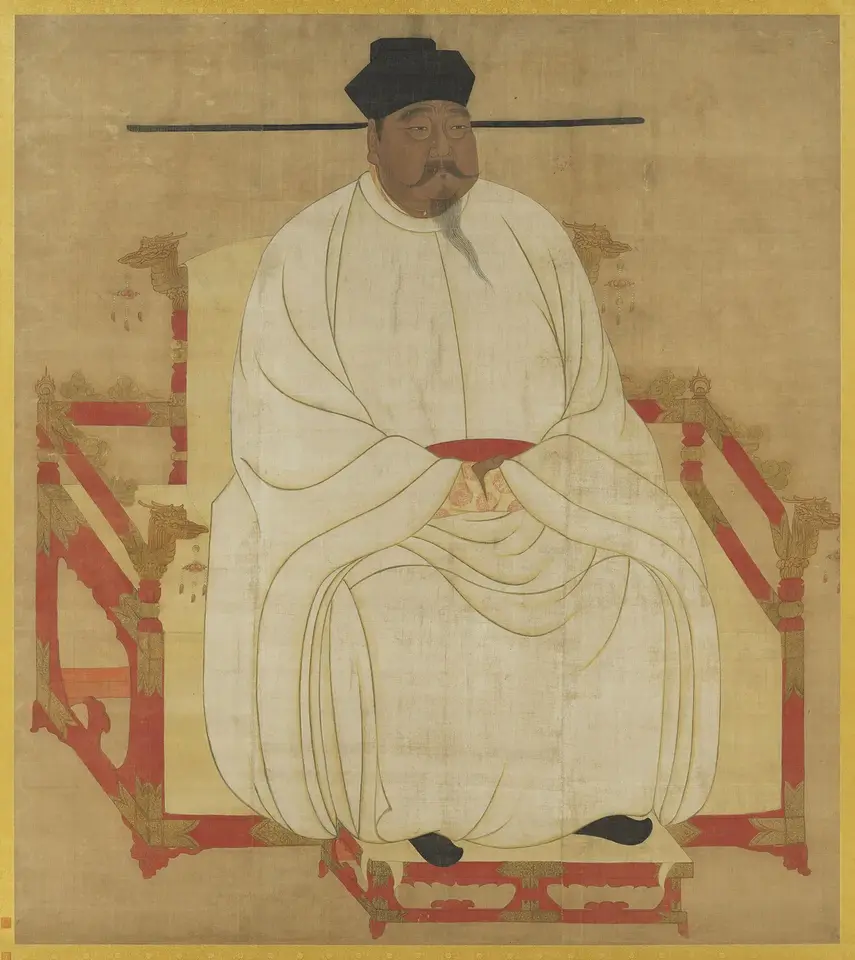
赵昉
Zhao Fang (赵昉, 1039), an ancestral resident of Kaifeng, the Eastern Capital (modern Kaifeng, Henan Province), was an imperial prince of the Northern Song dynasty, the eldest son of Emperor Renzong (Zhao Zhen), and born to Noble Consort De (née Yu). Zhao Fang was born in the inner palace in the fifth month of 1039 during the second year of the Baoyuan era. Congenitally frail, he passed away within swaddling clothes on the very…
Zhao Fang (赵昉, 1039), an ancestral resident of Kaifeng, the Eastern Capital (modern Kaifeng, Henan Province), was an imperial prince of the Northern Song dynasty, the eldest son of Emperor Renzong (Zhao Zhen), and born to Noble Consort De (née Yu). Zhao Fang was born in the inner palace in the fifth month of 1039 during the second year of the Baoyuan era. Congenitally frail, he passed away within swaddling clothes on the very day of his birth, before undergoing customary naming ceremonies or establishing an independent residence. Having governed for years without male progeny, Emperor Renzong was deeply overjoyed by the birth of his firstborn son, only to be struck with grief upon the infant's immediate demise. To honor his imperial flesh and blood, the emperor broke dynastic convention by formally bestowing the personal name Zhao Fang, granting the posthumous office of Grand Preceptor concurrently Secretariat Director, and investing him as Prince of Bao. In the reign of Emperor Shenzong, he was redesignated as Prince of Yu with the posthumous title Huai, known historically as Prince Huai of Yu. All three sons fathered by Emperor Renzong (eldest son Zhao Fang, second son Zhao Xin, and third son Zhao Xi) died in infancy, leaving no direct male heir to inherit the crown. Zhao Fang's premature passing initiated a protracted succession crisis during Renzong's reign, ultimately compelling the emperor in 1062 to adopt Zhao Shu (Emperor Yingzong), son of King Zhao Yunrang of Pu, as crown prince. This development fundamentally shifted the lineage of the Northern Song monarchy.
Born in the Kaifeng palace as the eldest son of Emperor Renzong, born to Consort Yu.
Passed away on the day of his birth; Renzong mourned and issued an edict conferring the name Zhao Fang.
Posthumously invested as Grand Preceptor concurrently Secretariat Director, created Prince of Bao.
Redesignated Prince of Yu with the posthumous title Huai under Shenzong's revised clan regulations.
Zhao Fang was born in the fifth month of 1039 within the inner palace of Kaifeng. His father was the fourth sovereign of the Northern Song dynasty, Emperor Renzong (Zhao Zhen), and his biological mother was the imperial consort Noble Consort De, née Yu.
Prior to his birth, Emperor Renzong had reigned for many years without fathering a son, causing widespread apprehension across the court and the realm regarding the continuation of the dynastic altar. When Consort Yu gave birth to the emperor's firstborn son in the summer of 1039, court officials initially prepared congratulatory memorials to celebrate the arrival of the imperial heir.
However, the prince was born severely frail and failed to survive his first day. Having gained and lost his firstborn son in a single day, Emperor Renzong suffered an acute emotional blow, plunging the inner palace and the outer court into profound sorrow.
Following the infant's demise, Emperor Renzong sought to console Consort Yu and establish legitimate royal status for his first child. In an unprecedented move departing from established protocols that denied names to infants dying before maturity, Emperor Renzong issued a formal imperial edict bestowing the personal name Zhao Fang upon the child.
Simultaneously, the emperor conferred the posthumous ranks of first-grade Grand Preceptor and Secretariat Director, ennobling Zhao Fang as Prince of Bao and commanding that he be interred in accordance with the ceremonial rites reserved for imperial princes.
In 1083, during the sixth year of the Yuanfeng era under Emperor Shenzong, the court reclassified the noble ranks of the imperial house. Emperor Shenzong decreed that Zhao Fang be elevated to Prince of Yu and granted the posthumous name Huai, permanently inscribing his memory in the imperial jade registers (Yudie) and dynastic ancestral shrines.
Zhao Fang's premature death was not merely a personal tragedy for the sovereign, but marked the opening chapter of the most consequential dynastic succession crisis of the middle Northern Song. Following Zhao Fang's passing, Emperor Renzong fathered two more sons: second son Zhao Xin (born to Noble Consort Miao) and third son Zhao Xi (also born to Consort Yu). However, Zhao Xin died in 1041 at age two, and Zhao Xi died in 1043 at age three.
With the deaths of all three biological sons, Emperor Renzong fathered no further male heirs over the subsequent two decades. The void in the imperial succession spurred fierce debates at court, prompting eminent statesmen such as Han Qi, Fu Bi, and Bao Zheng to submit memorials urging the sovereign to designate an heir.
Ultimately, Emperor Renzong was forced to abandon hope of direct father-to-son succession. In 1062, he officially designated Zhao Shu, the thirteenth son of Prince An'yi of Pu (Zhao Yunrang) and a grandson of Emperor Taizong, as crown prince. Upon Renzong's death in 1063, Zhao Shu ascended the throne as Emperor Yingzong. Zhao Fang's premature passing thus stood as the historical turning point diverting the imperial line from Zhenzong's descendants to the House of Pu.
Born in the fifth month of 1039 as Emperor Renzong's eldest son, he tragically died in infancy on his day of birth.
Deeply grieving his lost child, Emperor Renzong exceptionally conferred the name Zhao Fang, initially ennobling him as Prince of Bao and later Prince of Yu with posthumous title Huai.
The extinction of Renzong's sons initiated a two-decade succession crisis that culminated in the accession of Emperor Yingzong from the House of Pu.
FIGURES ASSOCIATED WITH THIS DYNASTY