王徽
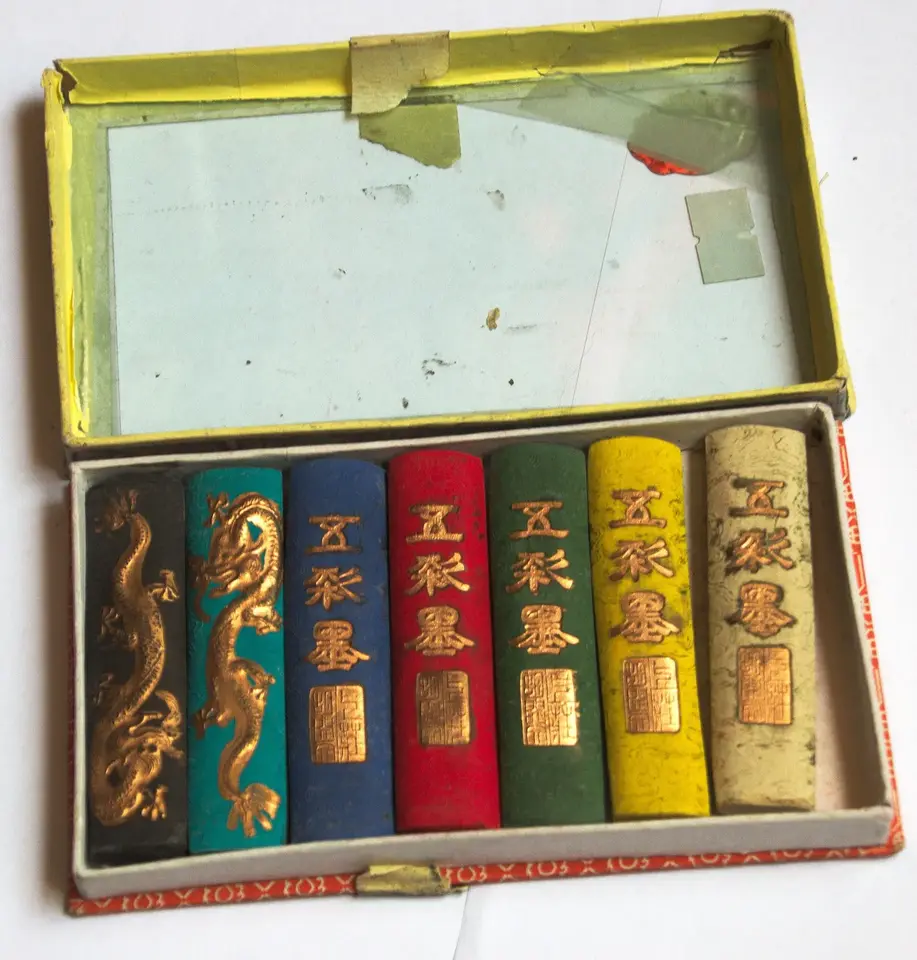
Historical portrait of inkstick
Image creditsPopolon · CC BY-SA 4.0Image source

Historical figure

Wang Hui (王徽)

王徽

Wang Hui, courtesy name Zhaowen, a native of Duling in Jingzhao (modern Xi'an, Shaanxi Province), was an eminent chancellor and senior statesman during the late Tang dynasty, descended from Prince Xinling (Wei Wuji) of the Warring States period. Passing the imperial civil examinations as a Jinshi in 857 during the reign of Emperor Xuanzong, Wang served successively as Proofreader in the Palace Library, Right Omission, Palace…

Era not stated

PROFILE

Wang Hui, courtesy name Zhaowen, a native of Duling in Jingzhao (modern Xi'an, Shaanxi Province), was an eminent chancellor and senior statesman during the late Tang dynasty, descended from Prince Xinling (Wei Wuji) of the Warring States period. Passing the imperial civil examinations as a Jinshi in 857 during the reign of Emperor Xuanzong, Wang served successively as Proofreader in the Palace Library, Right Omission, Palace Censor, and Vice Director of Evaluations. In the evaluation bureau, he reformed longstanding examination abuses by mandating black ink over easily erased vermilion ink, eradicating corrupt tampering with official performance records. During the Qianfu era, he advanced to Hanlin Academician, Secretariat Drafter, Vice Minister of Revenue, and Chief Academician. In 880, as Huang Chao's insurgent forces breached Tong Pass and Chancellor Lu Xie committed suicide, Emperor Xizong elevated Wang Hui to Chancellor (Tong Pingzhangshi). Following the collapse of Chang'an, while Emperor Xizong fled to Sichuan, Wang was trapped in the fallen capital but staunchly refused ministerial office under Huang Chao's Qi regime, escaping in disguise to Hezhong. Appointed Pacification Commissioner, he coordinated logistics for loyalist armies under Li Keyong and Wang Chongrong, playing an instrumental role in recapturing Chang'an. Promoted to Left Vice Director and Minister of Works (Sikong) with the title Marquis of Langya, he passed away in 891 in his eighties, honored with the posthumous title Zhen.

Courtesy Name
Zhaowen
Ancestral Home
Duling, Jingzhao (modern Xi'an, Shaanxi)
Date of Death
891 (Tang Dynasty, Jingfu 2)
Major Offices
Chancellor (Tong Pingzhangshi), Minister of War, Left Vice Director of the Department of State Affairs, Minister of Works (Sikong)
Enfeoffment
Marquis of Langya
Posthumous Title
Zhen (贞)
Primary Identity
Tang dynasty chancellor under Emperor Xizong, senior late Tang statesman

LIFE TIMELINE

Relationship graph

BIOGRAPHY

Chronology

  • 857 (Dazhong 11) | Passing the Jinshi | Passed the imperial civil examinations, appointed Proofreader in the Palace Library.
  • 868 (Xiantong 9) | Reforming Evaluation Records | Promoted to Vice Director of Evaluations, successfully petitioning to substitute black ink for red ink to halt forgery.
  • 879 (Qianfu 6) | Chief Academician | Advanced to Vice Minister of Revenue and Chief Academician of the Hanlin Academy, drafting vital edicts.
  • 880 (Guangming 1) | Appointed Chancellor | Named Chancellor (Tong Pingzhangshi) amidst national crisis as Huang Chao breached Tong Pass.
  • 881 (Zhonghe 1) | Defying Rebel Coercion | Refused rebel office in fallen Chang'an; escaped in commoner disguise to join loyalists in Hezhong.
  • 883 (Zhonghe 3) | Recapturing the Capital | Coordinated armies and grain shipments as Pacification Commissioner, enabling the recovery of Chang'an.
  • 891 (Jingfu 2) | Death and Posthumous Honors | Retired as Left Vice Director and Minister of Works (Sikong); passed away at over eighty, posthumously titled Zhen.

Life

Aristocratic Lineage and Evaluation Reforms

Wang Hui belonged to the prominent Duling Wang clan of Jingzhao, tracing his direct ancestry to Prince Xinling (Wei Wuji) of the Warring States state of Wei. Endowed with serious scholarly dedication, he mastered dynastic annals and classical prose. In 857, during Emperor Xuanzong's Dazhong era, Wang passed the Jinshi examinations, commencing his bureaucratic career as Proofreader in the Palace Library before serving as Right Omission and Palace Censor.

During the Xiantong era of Emperor Yizong, Wang was appointed Vice Director of the Bureau of Evaluations (Kaogong Yuanwailang). Traditionally, official evaluations were inscribed in red cinnabar ink. However, red ink faded easily and could be bleached out, allowing corrupt clerks to alter demotions into promotions. Wang memorialized the throne: "Vermilion writing degrades easily, whereas black ink penetrates deeply into paper fibers and endures without fading. I request that all performance evaluations be inscribed solely in dense black ink to eradicate deceit." The throne adopted his proposal nationwide, cementing his reputation for administrative acumen.

Rising in the Hanlin and Wartime Appointment

During the Qianfu era, Wang's literary mastery and moral integrity earned him promotions as Secretariat Drafter and Hanlin Academician, winning the deep confidence of the young Emperor Xizong. He soon advanced to Vice Minister of Revenue and Chief Academician of the Hanlin Academy (Hanlin Xueshi Chengzhi), drafting core imperial edicts.

In the winter of 880, Huang Chao's insurgent host crushed imperial defenses at Luoyang and breached Tong Pass, threatening Chang'an. Chancellor Lu Xie committed suicide by taking poison, paralyzing the government. In desperation, Emperor Xizong summoned Wang Hui, appointing him Vice Minister of Revenue and Chancellor (Tong Pingzhangshi). Assuming office amidst chaos, Wang organized the defense of the capital using Shence garrison forces and local levies. However, frontier generals defected and capital troops dissolved, leaving Chang'an defenseless.

Resisting the Rebel Regime in Chang'an

On January 8, 881, Huang Chao's cavalry entered Chang'an. Emperor Xizong fled toward Sichuan under eunuch Tian Lingzi's protection. Separated from the imperial cortege and wounded during the melee, Wang Hui took refuge in a commoner's house. After proclaiming his Qi dynasty, Huang Chao sought Wang's prestige, dispatching emissaries with gold and jade seals to offer him the chancellorship. Wang rebuked the envoys, lying on his pallet and refusing all cooperation. Awed by his advanced age and unbending dignity, the rebels refrained from executing him immediately.

In the spring of 881, assisted by loyal citizens, Wang disguised himself as an impoverished peasant, slipped out of Chang'an, and reached Hezhong (modern Yongji, Shanxi) after weeks of nocturnal trekking. Military Commissioner Wang Chongrong welcomed the chancellor outside the city walls. Establishing an operational headquarters, Wang Hui issued appeals to Shatuo general Li Keyong and regional commanders Zheng Tian and Li Xiaogong, rallying armies to restore the dynasty.

Directing the Restoration and Twilight Years

Between 882 and 883, Emperor Xizong appointed Wang Hui Supreme Pacification Commissioner of the Allied Armies. Operating from Hezhong and the northern approaches, Wang personally managed the logistics for the Shatuo cavalry and central armies, settling thousands of war refugees and ensuring steady supplies of grain and salt. In May 883, allied forces under Li Keyong liberated Chang'an, forcing Huang Chao to retreat eastward into Shandong.

Following Emperor Xizong's return to the capital, Wang was rewarded with the ranks of Left Vice Director of the Department of State Affairs (Shangshu Zuo Puye), Minister of Works (Sikong), and Marquis of Langya. During the chaotic final decades of the ninth century, as warlords Zhu Wen and Li Keyong clashed, Wang repeatedly requested retirement. In 891, he passed away peacefully in his Chang'an estate at over eighty years of age. Emperor Zhaozong conferred upon him the posthumous title Zhen.
Major Achievements

Reforming the Evaluation System with Permanent Ink

Wang Hui's reform substituting black ink for red cinnabar on imperial performance records closed a centuries-old loophole exploited by corrupt bureaucrats. This administrative innovation was recognized by traditional dynastic historians as a landmark integrity measure in late Tang bureaucratic governance.

Unyielding Loyalty in Fallen Chang'an

Elevated to chancellor on the eve of catastrophe, Wang Hui preserved his integrity in the occupied capital, refusing high office under Huang Chao. His daring escape to Hezhong and skillful coordination of loyalist armies—particularly the formidable Shatuo cavalry—proved decisive in liberating Chang'an and preserving the Tang throne.

Relationships

  • Sovereigns: Emperors Xuanzong, Yizong, Xizong, and Zhaozong, whom Wang served across four successive reigns.
  • Colleague Chancellors: Lu Xie and Zheng Tian, prominent late Tang chancellors who shared state deliberations during the Huang Chao upheaval.
  • Allied Generals: Li Keyong, Shatuo supreme commander, and Wang Chongrong, Military Commissioner of Hezhong, who coordinated with Wang to liberate the capital.

Historical Evaluations

  • Old Book of Tang (Biography of Wang Hui): "Wang Hui was upright and dignified. Appointed chancellor in supreme crisis, he refused to bend his principles before rebel coercion. In the restoration of the empire, Hui rendered foremost service."
  • New Book of Tang (Biographies of Late Tang Chancellors): "Wang Hui possessed clear integrity and vast prestige. His ink reform rectified a century of bureaucratic abuse; fleeing to Hezhong in disguised robes, his moral courage rallied loyalist armies—a true pillar of the state."
  • Sima Guang (Zizhi Tongjian): "In the catastrophe of Guangming, many scholar-officials submitted to the rebels; Wang Hui preferred death over dishonor, fleeing to Hezhong to raise the righteous standard, winning universal acclaim."

Related Entries

  • Huang Chao Rebellion
  • Emperor Xizong of Tang
  • Zheng Tian
  • Li Keyong
  • Bureau of Evaluations

FIGURES ASSOCIATED WITH THIS DYNASTY

Bibliography

  • Old Book of Tang, Volume 178, Biographies 128 (Wang Hui)
  • New Book of Tang, Volume 182, Biographies 107 (Wang Hui)
  • Zizhi Tongjian, Volume 253 (Tang Annals 69)
  • Zizhi Tongjian, Volume 254 (Tang Annals 70)
  • Tang Huiyao, Volume 82 (Civil Evaluations)