Imperial Admission and Enfeoffment as Lady of Pingchang
Admitted to Emperor Huizong's inner court and enfeoffed as Lady of Pingchang Commandery in the ninth month.
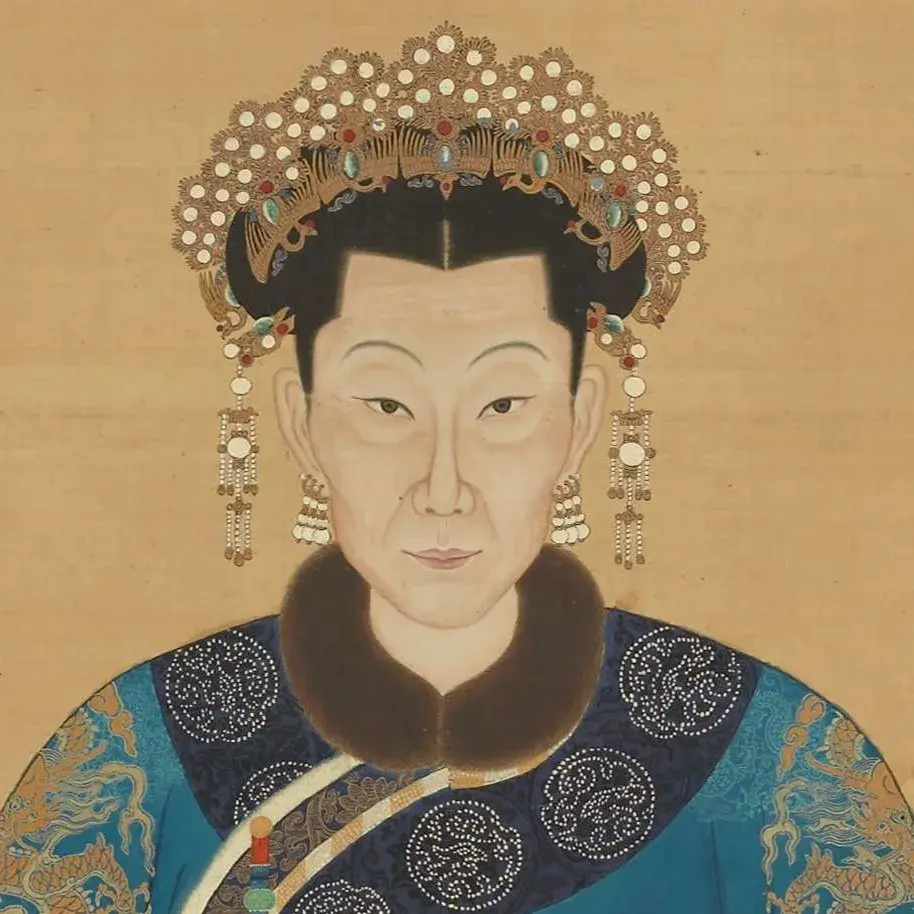
王贵妃
Consort Wang (王贵妃, ?–October 1117), historically known as Lady Wang and popularly referred to in Song records as "Xiao Wang Niangzi," was a prominent imperial consort of Emperor Huizong of Song (Zhao Ji), the biological mother of two imperial princes (Zhao Zhi and Zhao Ji) and five imperial princesses (including Princess Roufu Zhao Duofu and Princess Shunde Zhao Yingluo), and was posthumously honored as Noble Consort Yisu…
Consort Wang (王贵妃, ?–October 1117), historically known as Lady Wang and popularly referred to in Song records as "Xiao Wang Niangzi," was a prominent imperial consort of Emperor Huizong of Song (Zhao Ji), the biological mother of two imperial princes (Zhao Zhi and Zhao Ji) and five imperial princesses (including Princess Roufu Zhao Duofu and Princess Shunde Zhao Yingluo), and was posthumously honored as Noble Consort Yisu (懿肃贵妃). In her early youth, Lady Wang was admitted into the inner palace of Emperor Huizong. Celebrated for her gentle demeanor, refined elegance, and intelligence, she was initially created Lady of Pingchang Commandery in the ninth month of 1104 (Chongning Year 3). Following the birth of the seventh imperial daughter, Princess Huishu, in 1105, she advanced rapidly through palace ranks, becoming Handsome Talent (Cairen), Handsome Companion (Meiren), and Lady of Handsome Deportment (Jieyu) within months. In 1106, she bore the tenth imperial daughter, Princess Kangshu, and was promoted to Lady of Cultivated Countenance (Xiurong). In 1108, she bore the twelfth imperial prince, Zhao Zhi (Prince of Shen), earning promotion to first-rank Worthy Consort (Xianfei). She subsequently gave birth to Princess Shunde in 1111 (advancing to Virtuous Consort, Defei), Princess Roufu in 1113 (advancing to Pure Consort, Shufei), and Prince of Chen Zhao Ji in 1114, upon which she was elevated to paramount first-rank Noble Consort (Guifei). In 1115, she bore her seventh child, Princess Xianfu Zhao Jin'er. Consort Wang enjoyed deep and enduring imperial favor across more than a decade, giving birth to seven royal offspring and standing as the leading consort of Huizong's middle reign. She passed away in the palace in the ninth month of 1117, ten years before the catastrophic Jingkang Incident. Emperor Huizong mourned her deeply, suspending court audiences and conferring the exalted posthumous title Noble Consort Yisu. While her early demise spared her the humiliation of foreign captivity, her surviving children were captured by the Jurchen Jin army in 1127, with the legendary survival and return claims of her daughter Princess Roufu later sparking the famous "False Princess Roufu" cause celebre in the Southern Song. Historical scholarship across the Song Grand Collection of Edicts and Institutional History of Song has clarified historical conflations between Consort Wang and Huizong's elder Consort Wang, establishing her distinct and celebrated role in Song court history.
Admitted to Emperor Huizong's inner court and enfeoffed as Lady of Pingchang Commandery in the ninth month.
Gave birth to Princess Huishu; rapidly promoted to Handsome Talent, Handsome Companion, and Lady of Handsome Deportment.
Bore Princess Kangshu and was promoted to Lady of Cultivated Countenance (Xiurong) in the eighth month.
Promoted to Gentle Countenance in the second month; bore Prince of Shen Zhao Zhi in the sixth month and became Worthy Consort in the seventh month.
Gave birth to Princess Shunde Zhao Yingluo; elevated to Virtuous Consort (Defei) by imperial decree on the fourth day of the first month.
Bore Princess Roufu Zhao Duofu; elevated to Pure Consort (Shufei) by imperial proclamation on the second day of the second month.
Bore Prince of Chen Zhao Ji in the second month; invested as first-rank Noble Consort (Guifei) on the second day of the third month.
Gave birth to her seventh imperial child, Princess Xianfu Zhao Jin'er, consolidating her status as the most prolific consort of the era.
Passed away peacefully in the ninth month; Emperor Huizong suspended court audiences and conferred the title Noble Consort Yisu.
Consort Wang was born into an established official gentry lineage, though her birth year remains unrecorded. In Southern Song historical accounts, including the Compendium of Treatises from the Three Courts and Miscellaneous Records from the Court and Country Since the Jianyan Era, she was conventionally styled "Xiao Wang Niangzi" (the Younger Lady Wang) to distinguish her from Emperor Huizong's earlier honored consort of the same surname, Da Wang Guifei (the Elder Consort Wang).
During the Chongning era, Lady Wang entered Emperor Huizong's Forbidden Palace. Under Song palace regulations adapted from Tang institutions, inner court ranks proceeded through a precise ladder: from commandery ladies to lower-rank consorts (Handsome Talent, Handsome Companion), through nine secondary consorts (Handsome Deportment, Cultivated Countenance, Gentle Countenance), and culminating in the four senior first-rank consorts (Noble Consort, Pure Consort, Virtuous Consort, Worthy Consort).
In the ninth month of 1104 (Chongning Year 3), Emperor Huizong enfeoffed the young Lady Wang as Lady of Pingchang Commandery (rank 5b). In 1105, she delivered her first child, Emperor Huizong's seventh daughter, Princess Huishu. Delighted by the birth, Huizong elevated her three times within a few months: in the intercalary second month she became Handsome Talent (Cairen, rank 5a), in the third month Handsome Companion (Meiren, rank 4a), and later that same month Lady of Handsome Deportment (Jieyu, rank 3a), demonstrating extraordinary imperial favor.
In 1106, Lady Wang gave birth to the tenth imperial daughter, Princess Kangshu. In the eighth month of that year, Emperor Huizong promoted her to Lady of Cultivated Countenance (Xiurong, rank 2a), one of the esteemed nine secondary consorts.
In the second month of 1108 (Daguan Year 2), Lady Wang advanced to Lady of Gentle Countenance (Wanrong, rank 2b). In the sixth month, she delivered her first son, Emperor Huizong's twelfth male child, Zhao Zhi (subsequently enfeoffed as the Prince of Shen). Highly valuing female consorts who contributed male dynastic heirs, Emperor Huizong issued an imperial proclamation in the seventh month jumping Lady Wang directly over intermediary ranks to create her first-rank Worthy Consort (Xianfei). Volume 24 of the Song Grand Collection of Edicts preserves the formal investiture edict, praising her spotless demeanor, graceful compliance with palace models, and maternal contributions.
On the fourth day of the first month in 1111 (Zhenghe Year 1), following the birth of the nineteenth imperial daughter, Princess Shunde Zhao Yingluo, Emperor Huizong issued an imperial edict promoting her to first-rank Virtuous Consort (Defei). The imperial text lauded her serene dignity, modesty, and compliance with court ancestral standards.
In the second month of 1113, she gave birth to the twenty-first imperial daughter, Princess Roufu Zhao Duofu (infant style Huanhuan). On the second day of that month, Huizong issued an imperial proclamation advancing her to first-rank Pure Consort (Shufei). The proclamation noted her distinguished lineage, early entrance into the palace, and devotion to imperial family harmony. In a span of five years, Lady Wang had achieved elevation across Worthy Consort, Virtuous Consort, and Pure Consort.
In the second month of 1114, Lady Wang gave birth to the twenty-second imperial prince, Zhao Ji (enfeoffed as Prince of Chen, who tragically died in infancy). On the second day of the third month, Emperor Huizong proclaimed her first-rank Noble Consort (Guifei), the paramount position among all imperial consorts. The official edict lauded her character: "Her nature is wise and luminous; her virtuous appearance gentle and decorous.... She conducts herself with modesty and humility, noble yet devoid of arrogance.... Leading the ranks of the four consorts, she assists the central palace."
In 1115 (Zhenghe Year 5), Noble Consort Wang gave birth to her seventh child, the twenty-seventh imperial daughter, Princess Xianfu Zhao Jin'er. Within roughly a decade, Consort Wang bore two princes (Zhao Zhi and Zhao Ji) and five princesses (Huishu, Kangshu, Shunde, Roufu, and Xianfu), standing as one of the most prolific imperial consorts of the Northern Song.
Due to frequent childbearing and palace exertions, Noble Consort Wang fell ill and passed away in the Forbidden Palace in the ninth month of 1117. Deeply sorrowed, Emperor Huizong suspended court audiences and conferred upon her the posthumous title of Noble Consort Yisu. Passing away a decade prior to the collapse of the dynasty, Consort Wang lived and died during the peak of Song material prosperity, receiving full imperial funeral honors and avoiding the horrors of the Jurchen invasion.
While Consort Wang was spared captivity, her surviving children suffered tragic fates during the Jingkang Incident of 1127. Except for Prince Zhao Ji and Princesses Huishu and Kangshu, who had died in childhood, her son Prince Zhao Zhi and daughters Princesses Shunde, Roufu, and Xianfu were captured by invading Jurchen Jin forces and force-marched northward to Shangjing.
Princess Shunde and Princess Xianfu died under severe hardships in northern captivity, while Prince Zhao Zhi survived in bitter exile at Wuguo City. The fate of Princess Roufu Zhao Duofu became the center of a celebrated dynastic mystery during the Shaoxing era in Southern Song, when a woman claiming to be Princess Roufu escaped from the north and returned to the Southern Song court, only to be executed years later as an impostor following reports from returned royal relatives.
In traditional historiography, the History of Song erroneously conflated the records of the two Consorts Wang in Huizong's court, attributing Prince of Yun Zhao Kai (born in 1101 to the Elder Consort Wang) to Noble Consort Yisu. Critical analysis of the Song Grand Collection of Edicts, Institutional History of Song, and Southern Song administrative records by modern historians has definitively disentangled their biographies: the Elder Consort Wang bore Zhao Kai in 1101, whereas the Younger Consort Wang (Noble Consort Yisu) bore Zhao Zhi in 1108. This historical resolution clarified long-standing discrepancies in late Northern Song palace history.
Admitted to Emperor Huizong's court and enfeoffed as Lady of Pingchang Commandery in 1104, winning lasting imperial favor.
Promoted rapidly within three years through Handsome Talent, Handsome Companion, and Handsome Deportment to Cultivated Countenance.
Bore two princes (Prince of Shen Zhao Zhi and Prince of Chen Zhao Ji) and five princesses (Huishu, Kangshu, Shunde, Roufu, Xianfu).
Honored successively across the top ranks of Worthy Consort (1108), Virtuous Consort (1111), and Pure Consort (1113).
Invested as first-rank Noble Consort (Guifei) in 1114, praised in imperial proclamations for wisdom, decorum, and humility.
Stood as the paramount consort of Emperor Huizong's middle reign, maintaining unblemished court standing.
Passed away peacefully in 1117, receiving full state honors and the posthumous title Noble Consort Yisu.
Spared the catastrophe of the Jingkang Incident, with later documentary analysis clarifying her distinct identity and dynastic legacy.
FIGURES ASSOCIATED WITH THIS DYNASTY