Imperial Birth
Born into the Jurchen royal clan in Huining, sixth son of Taizu and Empress Heshilie.
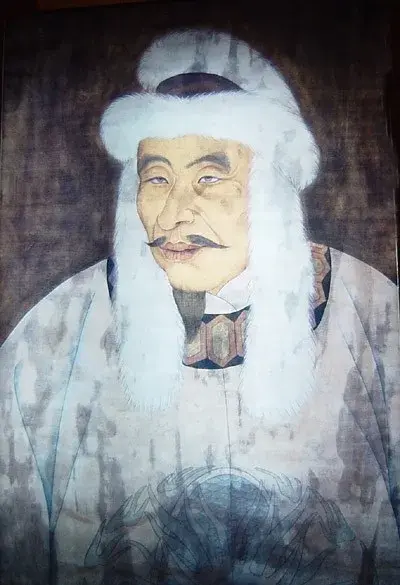
完颜宗隽
Wanyan Zongjuan (完颜宗隽, ?–July 1139), Jurchen name Eluguan, was an imperial prince and senior minister of the Jurchen Jin dynasty. He was the sixth son of the dynastic founder, Emperor Taizu (Wanyan Aguda), born to Empress Qinxian (née Heshilie), and an imperial uncle of Emperor Xizong (Wanyan Dan). Gifted with acute intelligence and thorough familiarity with military administration, Wanyan Zongjuan was simultaneously proud,…
Wanyan Zongjuan (完颜宗隽, ?–July 1139), Jurchen name Eluguan, was an imperial prince and senior minister of the Jurchen Jin dynasty. He was the sixth son of the dynastic founder, Emperor Taizu (Wanyan Aguda), born to Empress Qinxian (née Heshilie), and an imperial uncle of Emperor Xizong (Wanyan Dan). Gifted with acute intelligence and thorough familiarity with military administration, Wanyan Zongjuan was simultaneously proud, overbearing, and consumed by political ambition. During the Tianhui era of Emperor Taizong, Wanyan Zongjuan took part in campaigns against the Northern Song, rising through logistical merit to serve as Regent of Dongjing (Liaoyang). Following Emperor Xizong's ascension and the implementation of civil bureaucratic reforms, Wanyan Zongjuan entered the central administration, appointed Assistant Executive of the Secretariat-Chancellery and elevated to Left Grand Councilor of the Department of State Affairs concurrently Palace Attendant. Granted the prestigious title Commander Unequalled in Honor and created Prince of Yan, he stood at the apex of imperial governance, directing state policy. In the councilor's seat, his ambitions grew unbridled. He forged a dominant oligarchic faction alongside Emperor Taizong's eldest son Prince of Song Wanyan Zongpan (Director of the Three Secretariats) and Grand Preceptor Wanyan Talan (Wanyan Chang). The cabal monopolized central administration, marginalized the young Emperor Xizong, and alienated frontline commanders such as Grand Marshal Wanyan Zongbi (Jin Wuzhu). In July 1139, during the second year of the Tianjuan era, Emperor Xizong and Wanyan Zongbi preemptively struck against the clique, arresting and executing Wanyan Zongpan and Wanyan Zongjuan on charges of treason and conspiracy, stripping them of all noble titles and offices.
Born into the Jurchen royal clan in Huining, sixth son of Taizu and Empress Heshilie.
Participated in expeditions against Song, directing supply columns and serving in imperial guard commands.
Promoted to Regent of Dongjing upon Emperor Xizong's accession, overseeing the administration of Liaodong.
Summoned to court as Left Grand Councilor of the Department of State Affairs, elevated to Prince of Yan.
Formed a cabal with Zongpan and Talan to monopolize state power, undermining imperial sovereignty.
Conspired to launch an armed coup against Xizong; exposed by Grand Marshal Wanyan Zongbi.
Summarily arrested and beheaded in Huining on imperial decree, stripped of all titles and honors.
Wanyan Zongjuan was born in the early twelfth century on the eve of the founding of the Jin dynasty. His father was Emperor Taizu (Wanyan Aguda), and his biological mother was Empress Qinxian (née Heshilie). Ranking sixth among Taizu's surviving sons, he bore the Jurchen personal name Eluguan.
During Emperor Taizu's campaigns destroying the Khitan Liao dynasty, Wanyan Zongjuan distinguished himself through precocious intellect and martial capability. He mastered mounted archery while displaying a quick wit and persuasive oratory, excelling in managing military supply ledgers. In the Tianhui era, as Jin armies swept southward to crush the Northern Song, Zongjuan assisted in mobilizing regional forces and coordinating transport routes across the rear lines, repeatedly earning commendations from Emperor Taizong.
In 1135, Emperor Taizong died and Emperor Xizong ascended the throne. To consolidate dynastic cohesion, the new emperor distributed honors among imperial princes. Wanyan Zongjuan was promoted to Regent of Dongjing (modern Liaoyang, Liaoning), commanding garrison divisions across Liaodong. In this command, Zongjuan enforced strict military discipline and suppressed regional brigandage, restoring public order and establishing his administrative reputation across the court.
In 1138, during the first year of the Tianjuan era, Emperor Xizong enacted comprehensive institutional reforms, abolishing the traditional tribal bogile council system and creating the central Department of State Affairs, Grand Secretariat, and Chancellery. Wanyan Zongjuan was recalled to the capital and appointed Assistant Executive of the Secretariat-Chancellery, advancing to Left Grand Councilor of the Department of State Affairs concurrently Palace Attendant. Bestowed the rank Commander Unequalled in Honor, he was invested as Prince of Yan.
As Left Grand Councilor, Wanyan Zongjuan served as the primary executive officer of the central bureaucracy, wielding immense authority over civil appointments and military strategy. However, elevated to the pinnacle of state power, he abandoned administrative probity in pursuit of personal dominance.
At the time, Emperor Taizong's eldest son, Prince of Song Wanyan Zongpan, held office as Director of the Three Secretariats, openly treating the young sovereign with condescension. Concurrently, Grand Preceptor and Right Grand Councilor Wanyan Talan (Wanyan Chang) acted with haughty arrogance, advocating the cession of Henan and Shaanxi territories to the Southern Song in exchange for tribute. Wanyan Zongjuan forged a close alliance with Zongpan and Talan, forming a powerful oligarchic triumvirate. Controlling the three secretariats and the Bureau of Military Affairs, the cabal dictated all imperial decrees, banished dissenting statesmen, and publicly contradicted Emperor Xizong in the throne hall, bringing court tensions to a crisis point.
The monopolistic dominance of Wanyan Zongjuan and Zongpan posed an existential threat to Emperor Xizong's authority and ignited the fierce opposition of Grand Marshal Wanyan Zongbi (Jin Wuzhu). Zongbi, who held supreme field command over hundreds of thousands of veteran soldiers along the southern front, despised Talan's appease-and-cede policy and was determined to crush the arrogant faction that threatened the throne.
In the spring of 1139, Wanyan Zongbi returned from the southern front to the capital, presenting secret memorials to Emperor Xizong accusing Zongpan, Zongjuan, and Talan of forming a treasonous clique, plotting sedition, and consorting with the Southern Song to usurp the throne. Having reached twenty years of age, Emperor Xizong authorized Zongbi and Vice Marshal Wanyan Zongxian to mobilize imperial guard battalions to seal off the capital.
In July 1139, Zongpan and Zongjuan secretly mobilized private retainers, intending to launch an armed insurrection during an upcoming palace ceremony to depose Emperor Xizong. However, Emperor Xizong and Wanyan Zongbi struck first. During a morning audience, the emperor unveiled evidence of their conspiracy and read out their crimes of high treason. Imperial guards swarmed the hall, arresting the defenseless Zongpan and Zongjuan.
By imperial decree, Wanyan Zongpan and Wanyan Zongjuan were summarily executed by beheading in the capital of Huining. Their personal estates were confiscated, their descendants executed, and Zongjuan was stripped of his princely rank and official posts. In the following year, Wanyan Talan was hunted down and executed. The bloody purge brought an end to the oligarchic threat against the throne. Wanyan Zongjuan, a talented son of the dynastic founder, fell victim to his own overweening ambition, remembered in Jin history as an arrogant oligarch who met his ruin in treason.
As the sixth son of Emperor Taizu, he served in the campaigns against the Song and was promoted to Regent of Dongjing in 1135, restoring order in Liaodong.
Entering the central administration during the 1138 reforms, he became Left Grand Councilor of the Department of State Affairs, Palace Attendant, and Prince of Yan.
Forming a ruling triumvirate with Zongpan and Talan, he monopolized bureaucratic policy and attempted to marginalize the young Emperor Xizong.
Betrayed by his own plot for an armed coup, he was arrested and beheaded in Huining alongside Zongpan on orders of Xizong and Zongbi, his noble titles revoked.
FIGURES ASSOCIATED WITH THIS DYNASTY