Birth in Huzhou
Born into a scholar-gentry lineage in Gui'an, Huzhou, demonstrating astonishing childhood precocity.
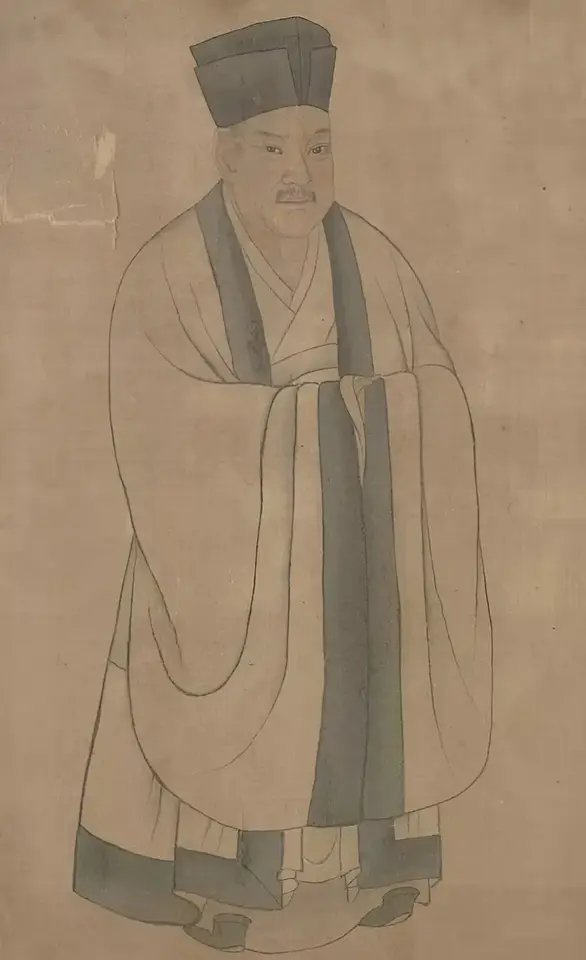
刘一止
Liu Yizhi (刘一止, 1078–1160), courtesy name Zongcheng, styled Master Tiaoxi, was a native of Gui'an in Huzhou (modern Huzhou, Zhejiang). He was a distinguished statesman, prominent litterateur, and fearless remonstrator of the Southern Song dynasty. Born into an intellectual family, he displayed precocious literacy in early childhood, composing essays at seven and passing the imperial jinshi examination during the Xuanhe era in…
Liu Yizhi (刘一止, 1078–1160), courtesy name Zongcheng, styled Master Tiaoxi, was a native of Gui'an in Huzhou (modern Huzhou, Zhejiang). He was a distinguished statesman, prominent litterateur, and fearless remonstrator of the Southern Song dynasty. Born into an intellectual family, he displayed precocious literacy in early childhood, composing essays at seven and passing the imperial jinshi examination during the Xuanhe era in 1121. Following the southward migration of the Song court, Emperor Gaozu personally promoted him to central judicial and advisory posts, including Investigating Censor, Diarist, Secretariat Drafter, and Supervising Secretary. Renowned for his fearless rectitude, Liu Yizhi submitted urgent memorials attacking the unbridled corruption of secretariat clerks and the arrogance of palace eunuchs. During the Shaoxing reign, when Chancellor Qin Hui sought to silence opposition and execute a humiliating peace treaty with the Jurchen Jin, Liu Yizhi courageously allied with patriots like Li Guang to oppose capitulation, resulting in his dismissal from office and prolonged persecution. Following Qin Hui's death, his honor was fully restored, and he retired as Academician of the Fuwen Pavilion. His literary masterwork, the fifty-five-volume Tiaoxi Ji, preserves an invaluable record of Southern Song court politics and poetry.
Born into a scholar-gentry lineage in Gui'an, Huzhou, demonstrating astonishing childhood precocity.
Succeeded in the metropolitan jinshi examinations, appointed Superintendent of Wine Taxes in Xiuzhou and Professor in Yuezhou.
Appointed Redactor of Imperial Decrees, assisting in codifying statutes during the court's southern relocation.
Personally recruited by Emperor Gaozong to scholarly academies, appointed Investigating Censor and Diarist.
Promoted to Secretariat Drafter and Supervising Secretary; dismissed from office after fiercely resisting Chancellor Qin Hui.
Slandered by Censor He Ruo for aligning with patriot Li Guang, stripped of his title as Auxiliary Academician of Fuwen Pavilion.
Reinstated to court honors following Qin Hui's death, declining further office due to advanced age.
Passed away peacefully in his rural retreat at age eighty-three, retiring with the rank of Academician of the Fuwen Pavilion.
Liu Yizhi was born in 1078 in Gui'an, Huzhou. Gifted with extraordinary intellectual agility, he could compose rhythmic parallel prose at the age of seven, earning acclaim across Jiangnan as a child prodigy. In 1121, during the late Xuanhe era of Emperor Huizong, Liu passed the metropolitan jinshi examination.
Entering officialdom, he served in local administrative and educational posts, including Superintendent of Wine Taxes in Xiuzhou and Professor of Confucian Canons in Yuezhou. Unlike contemporary literati who sought patrons among corrupt grandees like Cai Jing, Liu Yizhi maintained austere moral detachment, focusing his scholarship on dynastic institutions, administrative history, and classical statecraft.
In 1127, following the catastrophic Jingkang Incident and the collapse of the Northern Song, Emperor Gaozong re-established the dynasty in the south. In 1130, Liu Yizhi was appointed Redactor in the Commission for Codifying Decrees and Statutes, actively participating in reconstructing the shattered legal and administrative architecture of the Southern Song.
In 1134, Emperor Gaozong personally examined senior candidates for the imperial academies. Impressed by Liu Yizhi's profound classical erudition and sharp policy proposals, Gaozong appointed him Investigating Censor, quickly promoting him to Diarist. In this role, Liu recorded imperial audiences and policy debates, gaining direct insight into the high politics of the Southern Song restoration.
As an imperial censor, Liu Yizhi displayed unyielding moral courage. During the early Shaoxing era, administrative authority had fallen into the hands of corrupt secretariat clerks (tangli) who extorted bribes from magistrates and forged imperial documents. Simultaneously, arrogant palace eunuchs intervened in court appointments.
Liu Yizhi submitted scathing, meticulously documented memorials to Emperor Gaozong, demanding the immediate dismissal of corrupt clerks and the expulsion of meddling eunuchs. His memorials insisted: "The authority of the state belongs to the Son of Heaven and his chancellors; if clerks and eunuchs wield power in the shadows, the court will collapse from within!" His fearless crusade cleansed administrative channels and earned him immense respect among upright literati.
In 1138, Liu Yizhi was elevated to Secretariat Drafter, Lecturer in Attendance, and Supervising Secretary. At that juncture, Chancellor Qin Hui monopolized imperial policy, aggressively pursuing a humiliating capitulation treaty with the Jurchen Jin dynasty that surrendered vast northern territories and paid annual tribute.
Liu Yizhi openly opposed Qin Hui's defeatist policy, aligning with patriotic leaders such as Chancellor Li Guang. When Qin Hui attempted to force through edicts confirming the peace treaty, Liu Yizhi utilized his veto power as Supervising Secretary to block the decrees. Incensed by his defiance, Qin Hui orchestrated Liu's dismissal from the capital. In 1144, Qin Hui's partisan, Censor-in-Chief He Ruo, fabricated charges accusing Liu Yizhi of factional collusion with Li Guang, stripping him of his academician titles and relegating him to nominal temple sinecures in Jiangnan.
In his rural exile beside the Tiaoxi River in Huzhou, Liu Yizhi lived with serene contentment, refusing to compromise with Qin Hui's faction. He spent seventeen years in private scholarship, writing poetry and compiling his extensive collected works.
In the winter of 1155, Qin Hui died, and Emperor Gaozong began rehabilitating disgraced patriotic scholar-officials. The court issued an edict fully exonerating Liu Yizhi, restoring his rank and conferring upon him the office of Academician of the Fuwen Pavilion. Due to his advanced age of seventy-eight, Liu politely declined active court appointment. In 1160, he passed away peacefully in his Tiaoxi residence at the venerable age of eighty-three.
Liu Yizhi's primary administrative accomplishment was his fearless censorial defense of imperial governance against internal decay. By boldly attacking entrenched secretariat clerks and imperial eunuchs during the chaotic post-Jingkang relocation, he checked administrative corruption and preserved the rule of law within the fledgling Southern Song bureaucracy.
Liu Yizhi stands as an exemplary symbol of patriotic resistance against Qin Hui's tyrannical peace policy. At a moment when opposing the chancellor meant execution or lethal exile to the tropics, Liu Yizhi used his constitutional authority as Supervising Secretary to reject defeatist edicts. His unbending integrity encouraged patriotic scholar-officials to keep the spirit of national restoration alive.
In literature, Liu Yizhi authored the massive fifty-five-volume collection Tiaoxi Ji. Saturated with classical dignity, emotional depth, and realistic historical documentation, his prose and poetry captured the sorrow of the northern collapse, the hardships of the southern migration, and the resilience of traditional Chinese literati. His works remain an indispensable primary source for the study of twelfth-century Chinese literature and political history.
FIGURES ASSOCIATED WITH THIS DYNASTY