Artistic Formative Years
Studied imperial lineage collections and mastered brushwork under his father Li Sixun.
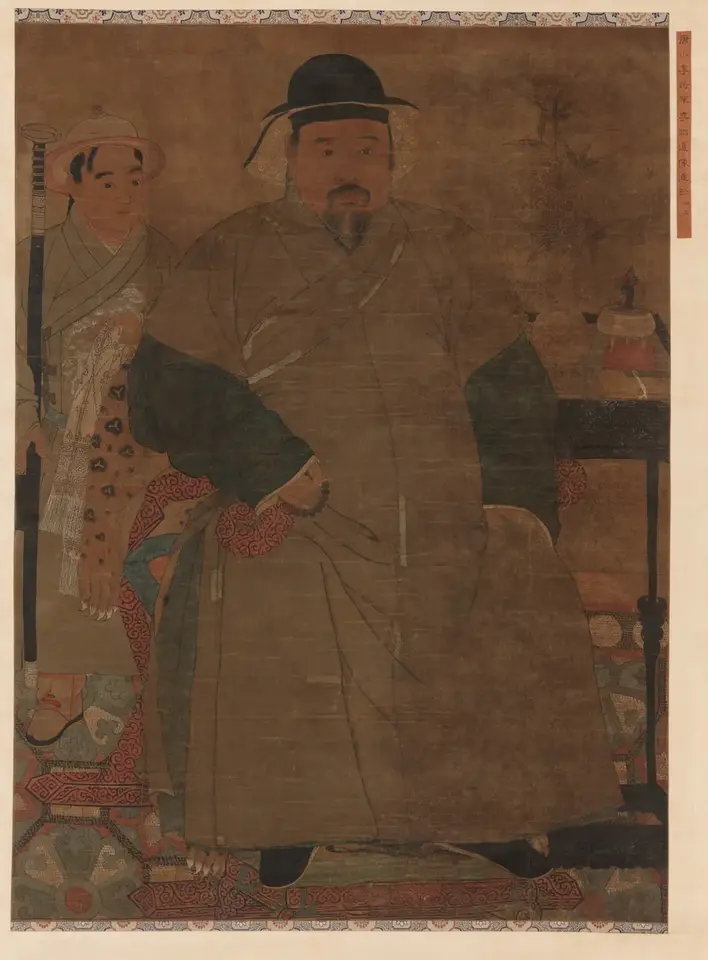
李昭道
Li Zhaodao (李昭道, fl. late 7th–early 8th century) was a celebrated landscape painter and imperial official of the Tang dynasty. Born into the Tang imperial lineage, he was the son of the eminent statesman and painter Li Sixun (renowned as Big General Li). Inheriting his father's artistic brilliance, Li Zhaodao was historically designated by art connoisseurs as "Little General Li," despite not having formally commanded a…
Li Zhaodao (李昭道, fl. late 7th–early 8th century) was a celebrated landscape painter and imperial official of the Tang dynasty. Born into the Tang imperial lineage, he was the son of the eminent statesman and painter Li Sixun (renowned as Big General Li). Inheriting his father's artistic brilliance, Li Zhaodao was historically designated by art connoisseurs as "Little General Li," despite not having formally commanded a major field army. He served in various mid-level civil and military capacities during the reigns of Empress Wu Zetian, Emperor Zhongzong, and Emperor Xuanzong, including positions as Prince's Attendant, Taizi Zhongshe, and Left Guard General. In Chinese art history, Li Zhaodao and his father are venerated as the co-founders of the "Gold and Green Landscape" (Jinbi Shanshui) tradition, an ornate and meticulously detailed style characterized by mineral pigments, lapis lazuli blues, malachite greens, and delicate gold tracery. While Li Sixun established grand and imposing mountain panoramas, Li Zhaodao was celebrated for surpassing his father in architectural intricacy, delicate draftsmanship, and dramatic narrative compositions. He pioneered the inclusion of turbulent waves, palatial complexes, and mountain travel narratives within landscape scenery. His most famous attributed masterpiece, Emperor Minghuang's Journey to Shu (Minghuang Xing Shu Tu), stands as a monumental landmark in classical Chinese landscape painting.
Studied imperial lineage collections and mastered brushwork under his father Li Sixun.
Entered government service following the Tang restoration, serving in the heir apparent's household.
Rose to fame at the court of Emperor Xuanzong for his exquisite palace and landscape murals.
Perfected the Gold and Green Landscape technique, gaining the enduring title Little General Li.
Created masterworks depicting mountain travel and courtly excursions, profoundly influencing later masters.
Li Zhaodao was born into the Longxi Li imperial clan, a great-grandson of Li Shenfu (the nephew of Tang founding Emperor Gaozu). His father, Li Sixun, was one of the most powerful aristocrats and accomplished painters of the early Tang, renowned for his monumental, mineral-pigmented landscape murals. Growing up in an atmosphere of elite courtly culture, Li Zhaodao gained early access to rare imperial scroll collections and received rigorous training in classical calligraphy and painting.
Recognizing his son's extraordinary talents, Li Sixun personally mentored him in the demanding craft of landscape and architectural delineation. While Li Zhaodao faithfully assimilated his father's sweeping compositional layouts and rich palette of azurite and malachite, he displayed an exceptional propensity for intricate decorative nuances and fine brushwork that began to distinguish his art from that of his father.
During the reigns of Emperor Zhongzong and Emperor Xuanzong, Li Zhaodao held several prestigious court appointments, including Taizi Zhongshe (Secretariat of the Heir Apparent) and titular generalships in the imperial bodyguards. Because his father was widely revered as "Big General Li," the court and contemporary artistic circles affectionately referred to Li Zhaodao as "Little General Li."
Li Zhaodao was frequently commissioned to decorate palace halls, imperial pavilions, and prestigious Buddhist monasteries with landscape murals. In these works, he introduced major innovations that advanced Chinese landscape painting beyond the archaic models of the Six Dynasties. He perfected the depiction of swirling, foam-crested sea waves and dynamic waterfalls, imbuing aquatic elements with rhythm and natural power. Furthermore, he mastered the art of jiehua (ruled architectural drawing), integrating magnificent multi-storied palaces, winding walkways, and precision pavilions seamlessly into towering craggy landscapes.
Li Zhaodao's greatest contribution was transforming the landscape from an ornamental background into a compelling narrative stage. Rather than presenting isolated mountains, he populated his scenic vistas with dynamic narrative vignettes—travelers navigating steep mountain switchbacks, court ladies riding palfreys, and luggage-laden mules crossing suspension bridges.
His attributed masterpiece, Emperor Minghuang's Journey to Shu, captures the dramatic flight of Emperor Xuanzong across the jagged peaks of the Qinling Mountains following the outbreak of the An Lushan Rebellion. Executed in brilliant mineral blues, greens, and ochres with gold-flecked mountain crests, the painting captures both the grandeur of nature and the psychological pathos of the imperial flight. Later Song dynasty critics praised his compositions, observing that while Big General Li possessed majestic force, Little General Li possessed an exquisite, delicate refinement that surpassed his father.
FIGURES ASSOCIATED WITH THIS DYNASTY