李如柏
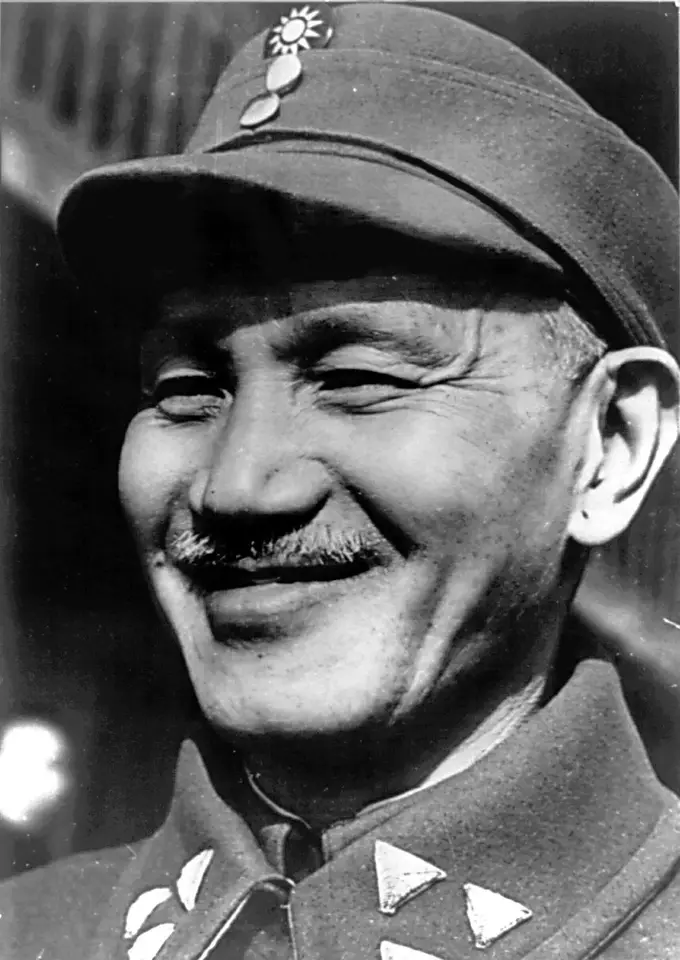
Historical photograph of Li Rubai
Image creditsUnknown authorUnknown author, presumably U.S. Army personnel · Public domainImage source

Historical figure

Li Rubai (李如柏)

李如柏

Li Rubai (李如柏, 1553–1620), courtesy name Zizhen, native of Tieling Guard, Liaodong (modern Tieling, Liaoning), was a distinguished late Ming military commander and the second son of the legendary Ningyuan Earl Li Chengliang, as well as the younger brother of anti-Japanese supreme commander Li Rusong. Raised in frontier garrisons, he demonstrated exceptional mastery of horsemanship, tactical archery, and mobile cavalry…

Era not stated

PROFILE

Li Rubai (李如柏, 1553–1620), courtesy name Zizhen, native of Tieling Guard, Liaodong (modern Tieling, Liaoning), was a distinguished late Ming military commander and the second son of the legendary Ningyuan Earl Li Chengliang, as well as the younger brother of anti-Japanese supreme commander Li Rusong. Raised in frontier garrisons, he demonstrated exceptional mastery of horsemanship, tactical archery, and mobile cavalry warfare from early youth, rising through meritorious service to serve as Assistant Regional Commander of Miyun and Regional Commander of Jizhou. In 1592, he joined his elder brother Li Rusong in the Ming intervention in the Imjin War in Korea, playing a decisive role in the liberation of Pyongyang and Kaesong before being elevated to Left Commissioner-in-Chief. In 1619, following Nurhaci's capture of Fushun and Qinghe, the sixty-seven-year-old Li Rubai was recalled to active duty as Regional Commander of Liaodong to take part in the climactic Battle of Sarhu under Military Commissioner Yang Hao. Tasked with leading the 25,000-man Southern Army advancing through Yahu Pass toward Hetu Ala, Li Rubai received urgent orders to withdraw after the Northern and Eastern Armies were ambushed and annihilated by Nurhaci's Eight Banners. During the retreat through rugged mountain defiles, panic broke out among his troops following rear-guard skirmishes with Later Jin scouts, resulting in thousands of stampede casualties. Facing furious impeachments from court censors who accused him of cowardice and treasonous complicity with Nurhaci, Li Rubai felt the martial honor of his family irreparably disgraced and committed suicide by sword in Beijing in 1620 at age sixty-eight.

Courtesy Name
Zizhen (子贞)
Date of Birth
1553 (Jiajing 32)
Date of Death
1620 (Taichang 1)
Age at Death
68
Ancestral Home
Tieling Guard, Liaodong (present-day Tieling, Liaoning Province)
Highest Office
Senior General of the Vanguard, Regional Commander of Liaodong, Left Commissioner-in-Chief
Historical Identity
Veteran Ming dynasty general, second son of legendary commander Li Chengliang, commander of the Southern Army at Sarhu

LIFE TIMELINE

Relationship graph

BIOGRAPHY

Chronology

  • 1553 (Jiajing 32) | Birth in Tieling | Born into the preeminent military lineage of Liaodong, studying classical military strategy and archery.
  • 1588 (Wanli 16) | Northern Border Merits | Campaigned under Li Chengliang against Chahar Mongol raiders, promoted to Assistant Commander of Miyun.
  • 1592 (Wanli 20) | Imjin War in Korea | Joined Li Rusong's expedition to Korea, leading right-wing cavalry to achieve the historic victory at Pyongyang.
  • 1595 (Wanli 23) | Regional Commander of Jizhou | Promoted to Left Commissioner-in-Chief, commanding Great Wall defenses at Jizhou.
  • 1619 (Wanli 47) | The Sarhu Campaign | Commanded the Southern Army at the Battle of Sarhu, retreating under orders following the destruction of allied columns.
  • 1620 (Taichang 1) | Tragic Suicide in Beijing | Impeached by court censors for military failure; committed suicide by sword in Beijing at age sixty-eight.

Life and Career

Noble Military Lineage and the Korean War

Li Rubai was born in 1553 into the preeminent military household of Liaodong. His father, Li Chengliang, served as Regional Commander of Liaodong for thirty years, holding the noble title of Earl of Ningyuan and exercising unrivaled authority along the northeastern border. Reared in frontier garrisons, Li Rubai acquired extensive practical expertise in cavalry charges, light firearms coordination, and regional terrain.

In 1588, when Chahar Mongol forces invaded the northern borders, Li Rubai led Liaodong cavalry in a devastating counter-ambush, killing over a hundred enemy warriors and earning promotion to Assistant Regional Commander of Miyun.

When Japanese forces under Toyotomi Hideyoshi invaded the Korean peninsula in 1592, the Ming court dispatched an expeditionary force under Li Rusong to aid Joseon. Li Rubai was appointed commander of the right-wing strike force. During the Battle of Pyongyang in early 1593, Li Rubai led heavy cavalry units charging through intense musket fire to storm the city's western gates, breaking the Japanese defense line and liberating the city. He subsequently participated in the recovery of Kaesong and advanced toward Hanseong (modern Seoul), achieving significant combat honors and earning promotion to Left Commissioner-in-Chief.

Garrison Commands and Frontier Recall

Following the conclusion of the Korean campaigns, Li Rubai served as Regional Commander of Jizhou, directing the Great Wall defenses that guarded the northeastern approaches to Beijing. Emulating his father's command style, he emphasized cavalry mobility and logistical readiness, maintaining high combat readiness along the frontier. He eventually retired due to age.

In 1618, Nurhaci proclaimed his "Seven Grievances" and led Later Jin Eight Banner armies to capture the strategic border cities of Fushun and Qinghe. Terrified by the rapid collapse of northeastern defenses, the Wanli Emperor and court ministers sought experienced commanders who possessed intimate familiarity with Liaodong terrain and the Jurchen leadership. The sixty-seven-year-old Li Rubai was recalled to service and invested as Regional Commander of Liaodong under the overall command of Military Commissioner Yang Hao.

The Catastrophe of Sarhu

In the second month of 1619, Yang Hao concentrated over one hundred thousand Ming, Korean, and Yehe allied soldiers, formulating a four-pronged offensive strategy aimed at converging upon the Later Jin capital of Hetu Ala. Li Rubai was assigned command of the Southern Army, comprising over twenty-five thousand troops marching from Qinghe through the perilous defiles of Yahu Pass.

However, Yang Hao's campaign planning suffered from critical flaws: the four columns advanced on separate schedules through trackless mountains, completely isolated from one another. Nurhaci exploited internal lines of communication, concentrating his main Eight Banner cavalry to crush the Western Army under Du Song at Sarhu, before turning east to annihilate Liu Ting's column at Mount Jiefan.

When news of the dual disasters reached Shenyang, a panicked Yang Hao dispatched couriers carrying emergency orders for Li Rubai to retreat immediately. Receiving the command before making contact with the main Later Jin host, Li Rubai ordered a phased withdrawal toward Qinghe.

During the retreat through the narrow defiles of Hulan Ridge, a small vanguard of Later Jin reconnaissance scouts climbed high ridges and blew war horns to simulate a full-scale ambush. The already demoralized Ming soldiers panicked, believing they were surrounded by Nurhaci's main army. In the ensuing stampede through freezing ravines, hundreds of soldiers were crushed or fell from sheer precipices. Li Rubai managed to extract the core of his army back to Qinghe, but the psychological effect was catastrophic.

Court Impeachment and Suicide

The collapse of the Sarhu expedition sent shockwaves through Beijing. While Yang Hao was arrested and sentenced to death, court censors directed their fury toward Li Rubai, the only senior commander who had returned alive with the bulk of his forces.

Censors accused him of cowardice and abandoning fellow armies. Furthermore, because his father Li Chengliang had maintained diplomatic and personal ties with Nurhaci decades earlier, malicious rumors circulated that Li Rubai had deliberately retreated to aid the enemy.

Summoned to Beijing to face trial, Li Rubai was devastated by the accusations of treason. Believing that his family's half-century record of bleeding for the Ming dynasty was permanently disgraced, the sixty-eight-year-old commander dressed in his formal uniform and committed suicide with his sword in his Beijing residence in 1620. His death marked the final, tragic eclipse of the once-glorious Li military house of Liaodong.
Key Achievements

Distinguished Service in the Imjin War

Commanded the right-wing cavalry vanguard during the 1593 Battle of Pyongyang, spearheading the storming of the city walls and contributing decisively to the expulsion of Japanese forces from northern Joseon.

Defense of the Jizhou Frontier

Supervised the northern Great Wall ramparts and cavalry formations at Jizhou, maintaining frontier stability through disciplined border management.

Command of the Southern Army at Sarhu

Led twenty-five thousand soldiers through the rugged terrain of Yahu Pass during the 1619 Sarhu campaign, withdrawing under official orders when allied columns collapsed.

Historical Relationships

  • Military Father: Li Chengliang, Earl of Ningyuan and Regional Commander of Liaodong, who dominated northeastern border defense for three decades.
  • Heroic Brother: Li Rusong, supreme commander of the Ming expeditionary armies during the Imjin War in Korea.
  • Superior Commissioner: Yang Hao, Military Commissioner of Liaodong whose flawed four-pronged strategy caused the disaster at Sarhu.

Historical Evaluation

  • The History of Ming records: "Li Rubai learned soldiering from his youth and achieved distinction campaigning with his brother Rusong against the Japanese. When Sarhu collapsed and other generals were annihilated, Rubai alone returned intact. Impeached by censors for cowardice, Rubai committed suicide in despair; with his death, the house of Chengliang was extinguished in Liaodong."
  • Grand Coordinator Sun Chengzong lamented: "The Li family of Liaodong received imperial favor for three generations. Rubai campaigned at Pyongyang and traveled the borderlands; he was an experienced veteran. The collapse at Sarhu was inevitable under the strategic circumstances; blaming him for treason and driving an old general to death was truly lamentable."

Related Entries

  • [[Li Chengliang]]
  • [[Li Rusong]]
  • [[Battle of Sarhu]]
  • [[Imjin War]]
  • [[Yang Hao]]

FIGURES ASSOCIATED WITH THIS DYNASTY

Bibliography

  • History of Ming, Volume 238
  • Veritable Records of Ming Shenzong
  • Veritable Records of Ming Xizong
  • Records of the Fall of Liaodong