Birth in North China
Born in Dadu (alternatively Baoding); acquired deep mastery of classical histories and popular theatrical traditions.
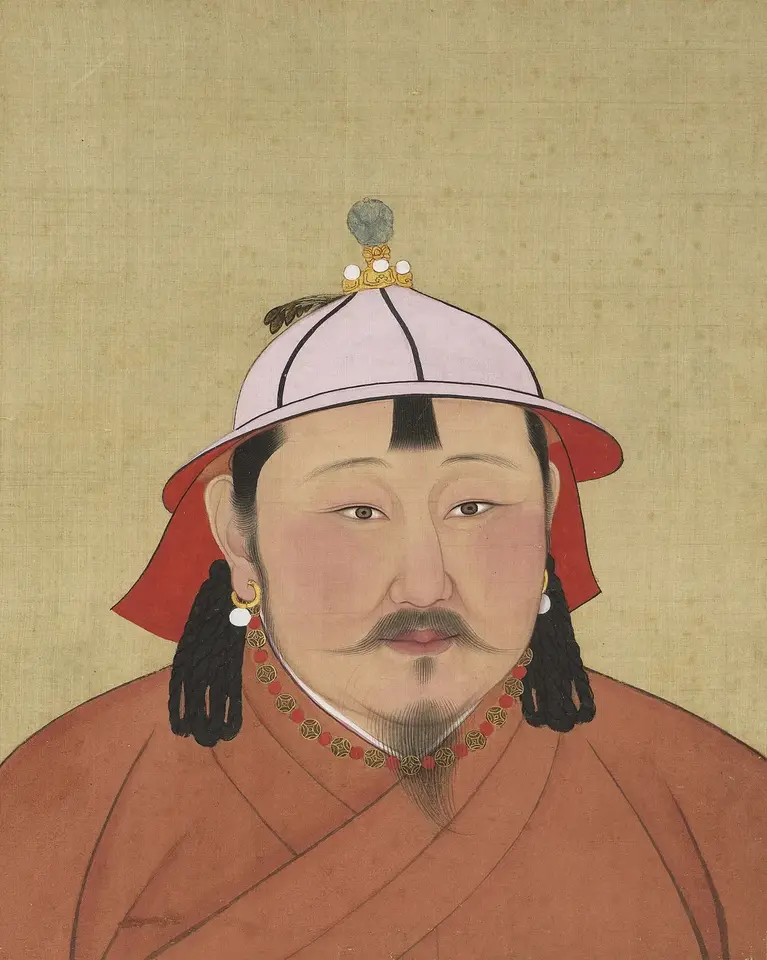
纪君祥
Ji Junxiang (纪君祥, fl. mid-to-late 13th century), also recorded as Ji Tianxiang, was a native of Dadu (modern Beijing; alternatively recorded as Baoding). He was a distinguished dramatist of northern zaju opera during the early Yuan dynasty. Flourishing during the Zhiyuan reign of Emperor Shizu (Kublai Khan), Ji lived alongside master playwrights such as Guan Hanqing, Bai Pu, and Gao Wenxiu. Intimately acquainted with the…
Ji Junxiang (纪君祥, fl. mid-to-late 13th century), also recorded as Ji Tianxiang, was a native of Dadu (modern Beijing; alternatively recorded as Baoding). He was a distinguished dramatist of northern zaju opera during the early Yuan dynasty. Flourishing during the Zhiyuan reign of Emperor Shizu (Kublai Khan), Ji lived alongside master playwrights such as Guan Hanqing, Bai Pu, and Gao Wenxiu. Intimately acquainted with the commercial entertainment quarters (goulan washe) of the imperial capital, he specialized in large-scale historical dramas characterized by taut dramatic structure, profound moral tension, and impassioned poetic lyricism. According to the fourteenth-century drama chronicle A Register of Ghosts (Lu Gui Bu) by Zhong Sicheng, Ji authored six zaju plays, including The Great Vengeance of the Orphan of Zhao, Chen Ping Selling Horses, Prefect Cui Judging Between Light and Dark, and Zhang Lu Surrendering to Cao Cao, among which The Orphan of Zhao survives intact. Ji Junxiang's surviving masterpiece, The Orphan of Zhao, draws upon historical events recorded in Sima Qian's Records of the Grand Historian (Shi Ji) and the Zuo Zhuan. It depicts the catastrophic extermination of the noble Zhao clan by the villainous general Tu'an Gu in the ancient State of Jin, and the selfless sacrifices of loyal retainers Cheng Ying and Gongsun Chujiu, who gave up life and kin to safeguard the infant orphan and bring ultimate justice. In the early twentieth century, the eminent scholar Wang Guowei praised the work as standing without shame alongside the greatest tragedies of world literature. In the eighteenth century, the French Jesuit Joseph de Prémare translated the text into French, inspiring the Enlightenment philosopher Voltaire to adapt it into the celebrated five-act tragedy L'Orphelin de la Chine, securing Ji's standing as a pioneer of Sino-Western cultural exchange.
Born in Dadu (alternatively Baoding); acquired deep mastery of classical histories and popular theatrical traditions.
Resided in the capital Dadu, associating with urban troupes and exchanging poetic arts with Guan Hanqing and Yang Zi.
Adapting Sima Qian's historical records, composed the historical tragedy The Great Vengeance of the Orphan of Zhao.
Chronicled by Zhong Sicheng in A Register of Ghosts among the deceased masters of northern opera.
Published in Paris in Jean-Baptiste Du Halde's Description of China, initiating widespread acclaim across Enlightenment Europe.
Ji Junxiang lived during the era following the Mongol unification of China, when Dadu emerged as the political and cultural metropolis of the realm. Under early Yuan governance, the traditional civil examination system remained suspended for decades, severely curtailing bureaucratic avenues for the Han educated elite. Consequently, numerous scholars channeled their creative energies into urban entertainment quarters, collaborating directly with actors to develop the burgeoning art form of zaju opera.
Reared in the capital region, Ji was immersed from an early age in northern narrative storytelling, Jin farce skits (yuanben), and multi-modal chant suites. Deeply versed in ancient chronicles—particularly the heroic tales of chivalric retainers and righteous statesmen of the Spring and Autumn and Warring States eras—he mastered musical prosody, vocal modal systems, and stagecraft, rising to prominence as a master dramatist in the urban theater districts of Dadu.
Within the vibrant theatrical community of the early Yuan capital, Ji moved in the same circle as illustrious dramatists Guan Hanqing, Bai Pu, and Li Shouqing. Scholars and performers maintained intimate artistic partnerships, crafting dynamic scripts tailored to public commercial tastes and elite literary standards alike.
Ji distinguished himself through his handling of epic historical transitions and dramatic confrontations between virtuous ministers and tyrannical usurpers. In Zhong Sicheng's authoritative theatrical history A Register of Ghosts (Lu Gui Bu), Ji is listed among the revered departed masters of northern drama, with six complete titles credited to his authorship: The Great Vengeance of the Orphan of Zhao, Chen Ping Selling Horses, Hegemon King's Chu Song, Prefect Cui Judging Between Light and Dark, and Zhang Lu Surrendering to Cao Cao. These works explored decisive junctures in ancient Chinese history, reflecting his expansive historical imagination and dramatic mastery. Unfortunately, amidst the dynastic turmoil of subsequent centuries, five of these works were lost, leaving The Orphan of Zhao as his sole extant literary legacy.
During the Zhiyuan reign, Ji drew upon Chapter 43 of the Records of the Grand Historian ("Hereditary House of Zhao") to author his crowning dramatic work, The Great Vengeance of the Orphan of Zhao.
In shaping his drama, Ji introduced brilliant artistic modifications to the ancient historical narrative. He magnified the terrifying despotism of Tu'an Gu, who slaughtered more than three hundred members of the Zhao lineage, transforming the chronicle into an agonizing series of existential moral choices. In the play, royal guard Han Jue slits his own throat rather than betray the hidden infant; elder statesman Gongsun Chujiu willingly embraces torture and execution; and the humble physician Cheng Ying endures decades of public infamy, sacrificing his own flesh-and-blood son to preserve the last heir of his patron. Written in solemn, resonant verse, the tragedy elevates traditional concepts of righteous self-sacrifice, unwavering fidelity, and moral retribution to an unprecedented aesthetic pinnacle.
While specific biographical records concerning Ji's later years and death remain unrecorded in formal histories, his theatrical legacy transcended generational and geopolitical frontiers.
Throughout the Ming and Qing dynasties, The Orphan of Zhao was continually adapted into southern opera (nanxi), chuanqi romances, and Peking opera. In 1731, the French Jesuit missionary Joseph Henri de Prémare translated the vernacular dialogue of the script into French while residing in Beijing. In 1735, the French geographer Jean-Baptiste Du Halde included Prémare's translation in his four-volume compendium Description de la Chine, igniting intense excitement among European intellectuals. The French philosopher Voltaire was deeply moved by the drama's sublime moral heroism and adapted it into his five-act tragedy L'Orphelin de la Chine, which premiered at the Comédie-Française in Paris in 1755 to thunderous acclaim. Subsequently, the English dramatist Arthur Murphy staged an English adaptation at the Theatre Royal, Drury Lane in London, while figures such as Johann Wolfgang von Goethe and Adam Smith voiced profound admiration for its dramatic power. Through this solitary masterpiece, Ji Junxiang became the earliest Chinese dramatist to attain enduring world stature.
Ji Junxiang occupies an indelible position in both Chinese drama history and the broader annals of world dramatic literature.
The preeminent modern scholar Wang Guowei observed in his seminal History of Song and Yuan Drama (Song Yuan Xiqu Shi): "Among Yuan tragedies, Guan Hanqing's Injustice to Dou E and Ji Junxiang's The Orphan of Zhao stand supreme. Ji's The Orphan of Zhao breathes with the magnificent gravity of classical Greek tragedy; even when placed side by side with the greatest tragedies in world literature, it has no reason to feel ashamed."
Modern theatrical historians emphasize that through Cheng Ying and Gongsun Chujiu, Ji created enduring archetypes of voluntary moral sacrifice. By breaking through superficial conventions of lightweight comedic resolution, he forged an unyielding drama of existential dignity and righteous defiance against political tyranny.
FIGURES ASSOCIATED WITH THIS DYNASTY