Birth in Hangzhou
Born into a distinguished literati family in Qiantang, surrounded by vast ancestral book collections.
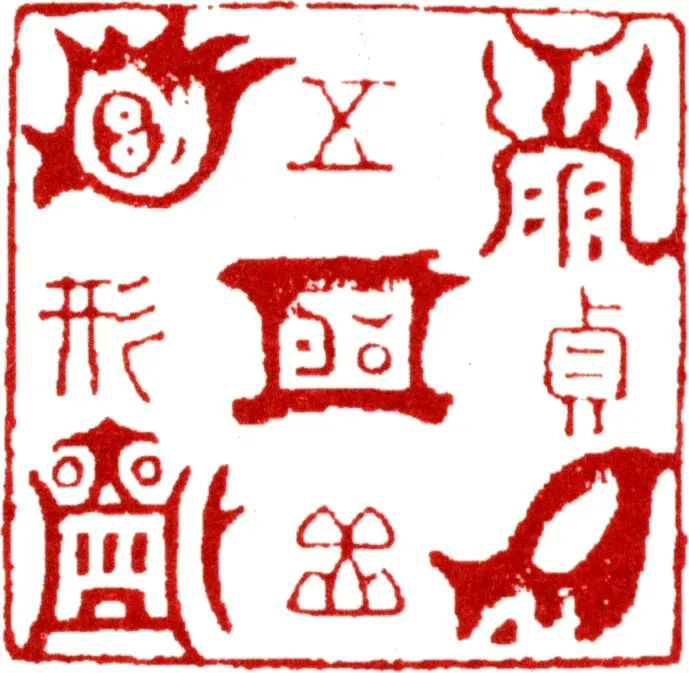
高濂
Gao Lian (高濂), courtesy name Shenfu and pseudonym Ruinan Daoren, was a celebrated playwright, lifestyle aesthetician, health cultivation theorist, and bibliophile of the late Ming Dynasty from Qiantang County, Hangzhou Prefecture. Descending from an illustrious gentry household in Hangzhou, he was broadly learned in classical literature, musical acoustics, calligraphy, and antique connoisseurship. Due to chronic visual and…
Gao Lian (高濂), courtesy name Shenfu and pseudonym Ruinan Daoren, was a celebrated playwright, lifestyle aesthetician, health cultivation theorist, and bibliophile of the late Ming Dynasty from Qiantang County, Hangzhou Prefecture. Descending from an illustrious gentry household in Hangzhou, he was broadly learned in classical literature, musical acoustics, calligraphy, and antique connoisseurship. Due to chronic visual and auditory impairments in his youth, he relinquished imperial examination pursuits, choosing a life of retired scholarship in his Yashangzhai hermitage beside West Lake. Mastering southern dramatic meters and the reformed Kunqu melody, Gao composed the monumental thirty-four-scene chuanqi opera The Jade Hairpin (Yuzan Ji). Depicting the romance between the scholar Pan Bizheng and the Daoist nun Chen Miaochang, the play was celebrated for its lyrical grace and musical harmony, becoming one of the most enduring masterworks of traditional Chinese theatre. Furthermore, Gao devoted decades to compiling the nineteen-volume encyclopedia of holistic living and wellness, Eight Treatises on Following the Principles of Life (Zunsheng Bajian). Spanning meditation, seasonal hygiene, environmental design, physical gymnastics, tea culture, culinary pharmacology, and connoisseurship of material objects, the work represents the highest achievement of pre-modern Chinese lifestyle aesthetics and preventive medicine.
Born into a distinguished literati family in Qiantang, surrounded by vast ancestral book collections.
Relinquished civil service examinations due to eye and ear ailments, traveling to expand his artistic horizons.
Established his Yashangzhai study at the base of Gushan beside West Lake, gathering rare manuscripts and instruments.
Completed and published the nineteen-volume encyclopedic compendium Zunsheng Bajian, achieving widespread acclaim.
Finalized the theatrical chuanqi masterpiece Yuzan Ji, which became an immediate staple of Jiangnan acting troupes.
Published poetry collections and the filial play Jiexiao Ji, hosting prominent literati gatherings in Hangzhou.
Passed away peacefully at his West Lake hermitage, leaving a transformative aesthetic and dramatic legacy.
Gao Lian was born during the late Jiajing era into a prominent scholar-gentry lineage in Qiantang County, Hangzhou Prefecture. His household possessed immense private libraries and an unbroken tradition of classical learning. From early youth, Gao immersed himself in canonical texts, showing an instinctive affinity for ancient zithers, antique swords, jades, calligraphy, and epigraphic rubbings.
However, during his youth, Gao was afflicted by persistent ophthalmic and auditory ailments. In the hyper-competitive civil examination environment of the early Wanli reign, Gao observed that the relentless mechanical rote learning demanded by the eight-legged essay damaged physical well-being and constrained authentic artistic imagination. After careful deliberation, he took the decisive step of abandoning examination ambitions, resolving to live as a cultured recluse dedicated to the pursuit of physical vitality, aesthetic contemplation, and literary composition.
Freed from careerist constraints, Gao traveled through Beijing, Nanjing, and Lake Tai before establishing his permanent retreat in Hangzhou. At the base of Gushan along the shores of West Lake, he constructed a villa titled Yashangzhai (Studio of Elegant Nobility). Framed by plum groves, bamboo thickets, and natural springs, the residence provided an idyllic haven for creative scholarship.
Within his hermitage, Gao declined worldly official interactions, associating exclusively with distinguished Jiangnan literati such as Tu Long, Hu Yinglin, and Huang Ruheng. Their gatherings were dedicated to boating across West Lake, evaluating rare Song dynasty zithers, critiquing ancient bronzes, and experimenting with herbal elixirs and Daoist breathing techniques. Through decades of practice, Gao refined personal routines of dietary therapy, seasonal hygiene, and interior architectural arrangement, synthesizing an integrated philosophy of holistic living.
In 1591, following decades of synthesizing ancient pharmacopoeias, Daoist longevity manuals, and personal experimentation, Gao published his nineteen-volume magnum opus, Eight Treatises on Following the Principles of Life (Zunsheng Bajian). The compendium was systematically divided into eight comprehensive divisions:
Zunsheng Bajian enjoyed nationwide popularity, reprinted continuously throughout the Ming and Qing eras. By translating classical medical philosophy into an accessible lifestyle manual, Gao created the most sophisticated guide to holistic living and health preservation in pre-modern East Asia.
Concurrently, Gao attained equal renown as a dramatic master. Following the musical reforms of Wei Liangfu, Kunqu opera had evolved into the premier performing art of elite Jiangnan society. Gao possessed acute sensitivity to musical intervals, rhyme patterns, and rhythmic metrics.
Around 1592, Gao finalized the thirty-four-scene chuanqi opera The Jade Hairpin (Yuzan Ji). Based on a Song dynasty popular tale, the play dramatized the romance between the impoverished scholar Pan Bizheng and the young Daoist nun Chen Miaochang, who had taken refuge in a convent to escape wartime devastation. Defying institutional taboos, the lovers exchange secret affections, using a jade hairpin as their romantic token. Through famous scenes such as "Testing the Zither" (Qintiao), "Inquiring after Illness" (Wenbing), "Stealing the Poem" (Toushi), and "Autumn River" (Qiujiang), Pan and Chen overcome external obstacles to achieve marital union.
Yuzan Ji showcased Gao's exceptional poetic genius. The arias were pristine and elegant, perfectly calibrated to the melodic nuances of the water-polished singing style, while the dramatic suspense was tightly woven with psychological realism. Upon its publication, major professional troupes vied to stage the work across Jiangnan. Highlights like "Testing the Zither" and "Autumn River" became permanent staples of the classical Kunqu repertoire, universally acclaimed as a crowning achievement of late Ming romantic theatre. Gao also authored the Confucian moral drama Jiexiao Ji and the poetry collection Yashangzhai Shicao.
In his twilight years, Gao lived in tranquil contentment at his West Lake retreat, passing away peacefully without illness. Blending preventive medicine, landscape gardening, antique connoisseurship, and stage dramaturgy, Gao Lian stands as a towering giant of late Ming humanist culture.
FIGURES ASSOCIATED WITH THIS DYNASTY