Born in Pingyang, Wenzhou, devoting himself to Confucian philosophy and practical military strategy
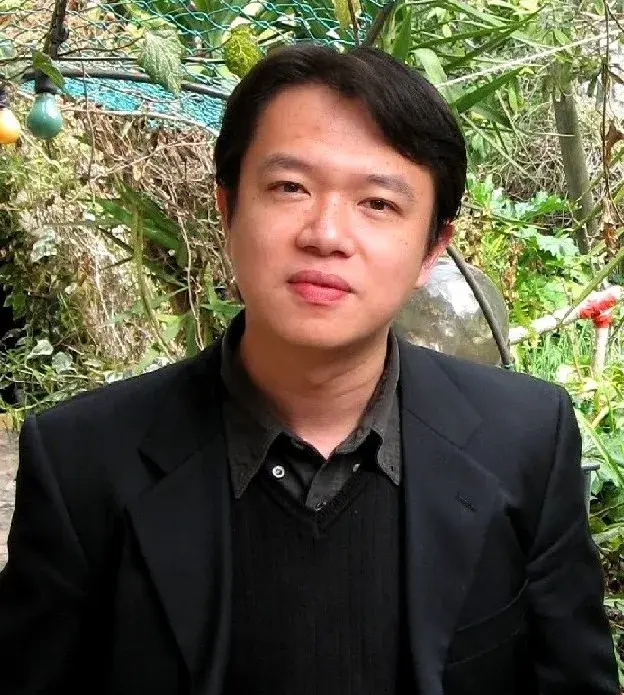
Central Statesman of the Southern Song Dynasty and Leading Scholar of the Yongjia and Pingyang Schools
Xu Yi (徐谊)
徐谊
Xu Yi (徐谊, 1144–1208), courtesy name Ziyi and Hongfu, a native of Pingyang, Wenzhou (present-day Pingyang County, Zhejiang Province), was a prominent statesman and scholar of the mid-Southern Song dynasty and the synthesizer of the "Pingyang School" branch of the Yongjia School. In the eighth year of the Qiandao era (1172) under Emperor Xiaozong, he swept the top three places in the Ministry of Rites departmental examination…
Southern Song (南宋)
PROFILE
Xu Yi (徐谊, 1144–1208), courtesy name Ziyi and Hongfu, a native of Pingyang, Wenzhou (present-day Pingyang County, Zhejiang Province), was a prominent statesman and scholar of the mid-Southern Song dynasty and the synthesizer of the "Pingyang School" branch of the Yongjia School. In the eighth year of the Qiandao era (1172) under Emperor Xiaozong, he swept the top three places in the Ministry of Rites departmental examination alongside fellow Wenzhou scholars Cai Youxue and Chen Fuliang and passed the jinshi examination, earning renown with Chen Fuliang and Ye Shi as the "Three Wenzhou Men of the Examination Halls." Serving as Instructor of Chizhou, Doctor of the Court of Imperial Sacrifices, Compiler of the Privy Council, and Assistant Minister of Imperial Sacrifices, he won Emperor Xiaozong's respect for his frank remonstrances. Appointed Prefect of Huizhou at the start of Emperor Guangzong's reign, he overturned a wrongful conviction in Shexian County in which bailiffs had drowned a tenant farmer and framed his wife, and implemented tax verification reforms before serving as Supervisor of Ever-Normal Granaries, Tea, and Salt in Zhexi and Director of the Right and Left Offices. In the fifth year of the Shaoxi era (1194), when Retired Emperor Xiaozong died and the mentally ill Emperor Guangzong refused to preside over the mourning rites while Left Prime Minister Liu Zheng fled the court, Xu Yi wrote a stern letter rousing Privy Council Administrator Zhao Ruyu to action and devised the strategy of recruiting the imperial consort kinsman Han Tuozhou through his fellow Pingyang native Cai Bisheng to obtain an edict from Grand Empress Dowager Wu, bringing about the "Shaoxi Abdication" and enthroning Emperor Ningzong. Promoted to Inspector-General of the Secretariat-Chancellery, Acting Vice Minister of Justice, and Acting Vice Minister of Works cum Prefect of Lin'an, Xu Yi warned Zhao Ruyu that Han Tuozhou would become a menace to the state and should be satisfied with honors and kept away from power, while refusing to return Han's visit. Impeached by Han's partisans in 1195, he was exiled as Deputy Militia Commander of Huizhou under restricted residence in Nan'an, Yuanzhou, and Wuzhou for ten years and listed second among senior officials on the Qingyuan False Learning roll. Restored in 1202 to govern Jiangzhou and promoted in 1207 to Academician-in-Waiting of the Baomo Pavilion, Prefect of Jiankang, and Imperial Commissioner of Jianghuai, he cared day and night for hundreds of thousands of Huai refugees and strengthened Yangtze defenses before being transferred to govern Longxing Prefecture, where he died in the seventh month of the first year of the Jiading era (1208) at age sixty-five, receiving the posthumous name "Zhongwen."
- Courtesy Name
- Ziyi (子宜), Hongfu (宏父)
- Posthumous Name
- Zhongwen (忠文)
- Dynasty
- Southern Song (南宋)
- Native Place
- Pingyang, Wenzhou (present-day Pingyang County, Zhejiang Province) (温州平阳)
- Birth Date
- 1144 (14th year of the Shaoxing era)
- Death Date
- 1208 (1st year of the Jiading era)
- Age at Death
- 65
- Official Posts
- Prefectural School Instructor of Chizhou (池州州学教授), Doctor of the Court of Imperial Sacrifices (太常博士), Compiler of the Privy Council (枢密院编修官), Assistant Minister of the Court of Imperial Sacrifices (太常寺丞), Prefect of Huizhou (知徽州), Supervisor of Ever-Normal Granaries, Tea, and Salt of Zhexi (提举浙西常平茶盐), Director of the Right Office (右司郎中), Director of the Left Office (左司郎中), Inspector-General of the Secretariat-Chancellery Offices (检正中书门下诸房公事), Acting Vice Minister of Justice (权刑部侍郎), Acting Vice Minister of Works cum Prefect of Lin'an (权工部侍郎兼知临安府), Deputy Militia Commander of Huizhou (惠州团练副使, demoted post), Prefect of Jiangzhou (知江州), Senior Compiler of the Jiying Hall (集英殿修撰), Academician-in-Waiting of the Baomo Pavilion (宝谟阁待制), Prefect of Jiankang cum Imperial Commissioner of Jianghuai (知建康府兼江淮制置使), Prefect of Longxing (知隆兴府)
- Identity
- Central Statesman of the Southern Song Dynasty and Leading Scholar of the Yongjia and Pingyang Schools
LIFE TIMELINE
Passed the Jinshi Examination
Swept the top three places in the departmental exam with Cai Youxue and Chen Fuliang, passed the jinshi exam, and served as Instructor of Chizhou, Doctor of Imperial Sacrifices, Privy Council Compiler, and Assistant Minister of Imperial Sacrifices
Prefect of Huizhou
Appointed Prefect of Huizhou after mourning his father, overturning the wrongful conviction of a woman framed for killing her husband in Shexian
Supervised Zhexi Granaries
Served as Supervisor of Ever-Normal Granaries, Tea, and Salt in Zhexi, promoting water conservancy before entering the court as Director of the Right and Left Offices
Planned the Shaoxi Abdication
Wrote to Zhao Ruyu upon Emperor Xiaozong's death and advised recruiting Han Tuozhou through Cai Bisheng to secure Grand Empress Dowager Wu's edict enthroning Emperor Ningzong; rose to Acting Vice Minister of Works and Prefect of Lin'an
Banished to Nan'an
Having warned Zhao Ruyu against Han Tuozhou and refused to return Han's visit, impeached by Liu Dexiu and Hu Hong and banished in the eleventh month to Nan'an Military Prefecture
Enrolled on the Partisan List
Listed second among thirteen officials of academician-in-waiting rank and above on the Qingyuan False Learning roll, transferred to Yuanzhou and Wuzhou, and supported himself by selling medicine
Appointed Prefect of Jiangzhou
Restored to office and appointed Prefect of Jiangzhou, strengthening middle Yangtze defenses
Imperial Commissioner of Jianghuai
Promoted in the seventh month to Academician-in-Waiting of the Baomo Pavilion, Prefect of Jiankang, and Imperial Commissioner of Jianghuai, caring for hundreds of thousands of refugees and defending against Jin forces
Died in Longxing
Transferred by the peace faction to govern Longxing Prefecture after requesting autonomous command against the enemy; died in office on the first day of the seventh month at age sixty-five and was granted the posthumous name Zhongwen
Relationship graph
BIOGRAPHY
Biography
Frank Remonstrance Under Emperor Xiaozong and Clearing Injustice in Huizhou
Xu Yi was born in the fourteenth year of the Shaoxing era (1144) in Pingyang, Wenzhou (present-day Pingyang County, Zhejiang Province), with the courtesy names Ziyi and Hongfu. In the eighth year of the Qiandao era (1172), he placed among the top three in the departmental examination alongside fellow Wenzhou scholars Cai Youxue and Chen Fuliang and passed the jinshi examination. Appointed Prefectural School Instructor of Chizhou, he lectured on Confucian self-cultivation and statecraft, attracting students from across the region, and subsequently served as Doctor of the Court of Imperial Sacrifices, Compiler of the Privy Council, and Assistant Minister of the Court of Imperial Sacrifices. Because Emperor Xiaozong had ruled for many years and decided all matters personally while executive ministers merely obeyed decrees in fear, Xu Yi remonstrated: "If things continue thus, the sovereign will grow more sagely by the day while his ministers grow more foolish by the day—with whom then will Your Majesty share great achievements?" Discussing court ritual music, he quoted the Record of Music: "When the gong tone is disordered, the music is wild and the ruler arrogant; when the shang tone is disordered, the music is skewed and the officials corrupt." Changing his expression, Emperor Xiaozong praised him: "You may truly be said not to grow lax on account of your office."
Appointed Prefect of Huizhou in 1189 just as Emperor Guangzong ascended the throne, Xu Yi advised the new monarch at his farewell audience that the sage kings of the Three Dynasties relied on utmost sincerity without manipulative artifice. In Huizhou, Shexian County reported a capital case in which a wife had allegedly killed her husband with a single slap of her hand, with her five-year-old daughter as the sole witness. Doubting that a woman could kill a man with one slap, Xu Yi stayed the execution. Shortly afterward, while the prefecture was verifying tax records in the courtyard with the deceased man's parents and younger brother present, they testified: "Our son was long detained for rent arrears; crying out from hunger, he was slapped by a bailiff, fell into the water, and drowned!" The wronged wife was released, the bailiffs and clerks were punished for fabricating testimony, and the entire prefecture marveled at Xu Yi's discernment. Transferred in 1190 to Supervisor of Ever-Normal Granaries, Tea, and Salt in Zhexi, he promoted water conservancy and remitted over ten thousand strings of tax arrears before entering the court as Director of the Right and Left Offices.
Masterminding the Shaoxi Abdication and Resisting Han Tuozhou
In 1194, as Retired Emperor Xiaozong lay gravely ill and Emperor Guangzong failed to visit him, Xu Yi remonstrated with the emperor and told Left Prime Minister Liu Zheng upon leaving: "Although His Majesty received my words calmly, his eyes stared without blinking and his mind was dazed—he is truly ill! You should pray at the altars and ancestral temple and advance the Imperial Son, Prince of Jia, to participate in state decisions." Liu Zheng failed to act. When Emperor Xiaozong died and Emperor Guangzong could not preside over the mourning rites, Liu Zheng feigned a fall in the palace courtyard and fled the capital. After consulting Junior Guardian Wu Ju on asking Grand Empress Dowager Wu to preside at court, Xu Yi wrote a stern letter to Privy Council Administrator Zhao Ruyu: "Since antiquity, when a minister acts loyally he is wholly loyal, and when he acts treacherously he is wholly treacherous; never has anyone succeeded by mixing loyalty and treachery! Though inwardly anxious, you outwardly wish to sit and watch—is this not mixing the two? The safety or peril of the state hangs upon this single action!"
When Zhao Ruyu asked what strategy to follow, Xu Yi replied: "This great matter cannot be accomplished without an edict from Grand Empress Dowager Xiansheng. Han Tuozhou, Administrator of the Postern Office, is a relative of Empress Xiansheng, and my fellow townsman Cai Bisheng serves alongside him in the Postern Office; you can summon Han Tuozhou through Cai Bisheng." Following this plan, Zhao Ruyu sent Han Tuozhou through the eunuchs Zhang Zongyin and Guan Li to obtain Grand Empress Dowager Wu's approval, successfully enthroning the Prince of Jia as Emperor Ningzong. Promoted to Inspector-General of the Secretariat-Chancellery Offices, Acting Vice Minister of Justice, and Acting Vice Minister of Works cum Prefect of Lin'an, Xu Yi saw Han Tuozhou growing resentful over his reward and warned Zhao Ruyu: "In the future he will surely become a disaster to the state; you should satisfy his desires and keep him at a distance." Zhao Ruyu did not listen.
When Han Tuozhou entered and left the palace without restraint, Xu Yi secretly alerted Zhao Ruyu and rebuked Han Tuozhou to his face. Suspecting that Xu Yi intended to oust him, Han Tuozhou called upon Xu Yi first and then pretended to pack his bags at home, hoping Xu Yi would return the visit and ask him to stay; Xu Yi refused to go. After Vice Minister of Personnel Peng Guinian impeached Han Tuozhou, Han suspected Zhao Ruyu and Xu Yi of instigating the memorial and had censors Liu Dexiu and Hu Hong impeach Xu Yi. Demoted in 1195 to Deputy Militia Commander of Huizhou under restricted residence in Nan'an Military Prefecture, and listed second among senior officials on the Qingyuan False Learning roll in 1197, Xu Yi was moved to Yuanzhou and Wuzhou. Disgraced for ten years, he supported himself by selling medicine while his young son died on the road and his aged mother wept at the gate, yet he bore his hardships with equanimity.
Defending the Jianghuai Frontier and Founding the Pingyang School
Permitted freedom of movement in 1201 and restored to govern Jiangzhou in 1202, Xu Yi was promoted in the seventh month of the third year of the Kaixi era (1207) to Academician-in-Waiting of the Baomo Pavilion, Prefect of Jiankang, and Imperial Commissioner of Jianghuai, succeeding the ailing Ye Shi. At that time, following the failure of Han Tuozhou's northern campaign, Jin forces besieged Luzhou and Chuzhou and raided around Haozhou, driving hundreds of thousands of Huai refugees across the Yangtze into Jiankang. Working day and night to care for the refugees and tighten river defenses—drawing on tactical formations he had learned in his youth from veteran Shaoxing-era generals—Xu Yi petitioned for autonomous authority to repel the enemy without court interference. Fearing he would disrupt peace negotiations with the Jin, the court transferred him to govern Longxing Prefecture (present-day Nanchang, Jiangxi), where he died in office on the first day of the seventh month of the first year of the Jiading era (1208) at age sixty-five, receiving the posthumous name "Zhongwen." In scholarship, Xu Yi founded the "Pingyang School" within the Yongjia tradition, taking moral "enlightenment" (wu) as his core principle and bridging Yongjia statecraft with Lu Jiuyuan's philosophy of mind; Lu Jiuyuan praised him and sent his leading disciple Yang Jian to study under him.
Personal Relationships
- Cohort and Close Friend: Chen Fuliang (leading Yongjia School scholar who placed in the top three of the 1172 departmental exam alongside Xu Yi and Cai Youxue as the "Three Wenzhou Men")
- Colleague and Close Friend: Ye Shi (synthesizer of the Yongjia School who joined Xu Yi in planning the Shaoxi Abdication and whom Xu Yi succeeded as Imperial Commissioner of Jianghuai in 1207)
- Philosophical Counterpart: Lu Jiuyuan (founder of the School of Mind who praised Xu Yi's teachings and directed his disciple Yang Jian to study under Xu Yi)
- Disciple: Yang Jian (prominent Southern Song School of Mind philosopher who studied under Xu Yi on Lu Jiuyuan's instruction)
- Political Ally: Zhao Ruyu (Southern Song Right Prime Minister whom Xu Yi roused and advised during the Shaoxi Abdication crisis and with whom he was purged by Han Tuozhou)
- Fellow Townsman and Confederate: Cai Bisheng (Postern Office official from Pingyang through whom Xu Yi recruited Han Tuozhou during the 1194 succession crisis)
- Political Opponent: Han Tuozhou (powerful Southern Song consort kinsman whom Xu Yi warned against and refused to flatter, resulting in Xu Yi's ten-year exile)
Historical Evaluations
- After hearing Xu Yi's remonstrance on sovereign-minister relations and ritual music, Emperor Xiaozong Zhao Shen changed his expression and praised him: "You may truly be said not to grow lax on account of your office."
- The Southern Song philosopher Lu Jiuyuan praised Xu Yi's philosophical insight: "The words in my own mind have been completely expressed by Ziyi."
- The Yuan dynasty historians Tuotuo et al. recorded his military expertise in the Biography of Xu Yi in the Song Shi: "Yi had associated with veteran generals of the Shaoxing era; regarding the methods of battle formations, troop divisions, and orthodox and surprise maneuvers, he received instruction in all of them and personally drew up tactical diagrams. He was posthumously named Zhongwen."
Related Entries
- Zhao Ruyu
- Shaoxi Abdication
- Ye Shi
- Chen Fuliang
- Lu Jiuyuan
FIGURES ASSOCIATED WITH THIS DYNASTY
Bibliography
- Tuotuo et al. (Yuan), Song Shi (History of Song), Scroll 397, Biography of Xu Yi, Beijing: Zhonghua Book Company, 1977.
- Ye Shi (Song), Shuixin Wenji (Collected Works of Shuixin), Scroll 21, Epitaph for Master Xu, Academician-in-Waiting of the Baomo Pavilion and Prefect of Longxing, Beijing: Zhonghua Book Company, 1961.
- Huang Zongxi and Quan Zuwang (Qing), Song Yuan Xue'an (Scholarly Records of the Song and Yuan Dynasties), Scroll 54, Scholarly Records of Shuixin, Part 1, Beijing: Zhonghua Book Company, 1986.